Indian Dwarf Spineless Eel: Pillaia indica
The Indian Dwarf Spineless Eel (Pillaia indica) is an extraordinary and extremely rare burrowing specialist from the hill streams of Meghalaya, Northeast India, unique for its lack of a dorsal fin and cryptic lifestyle.
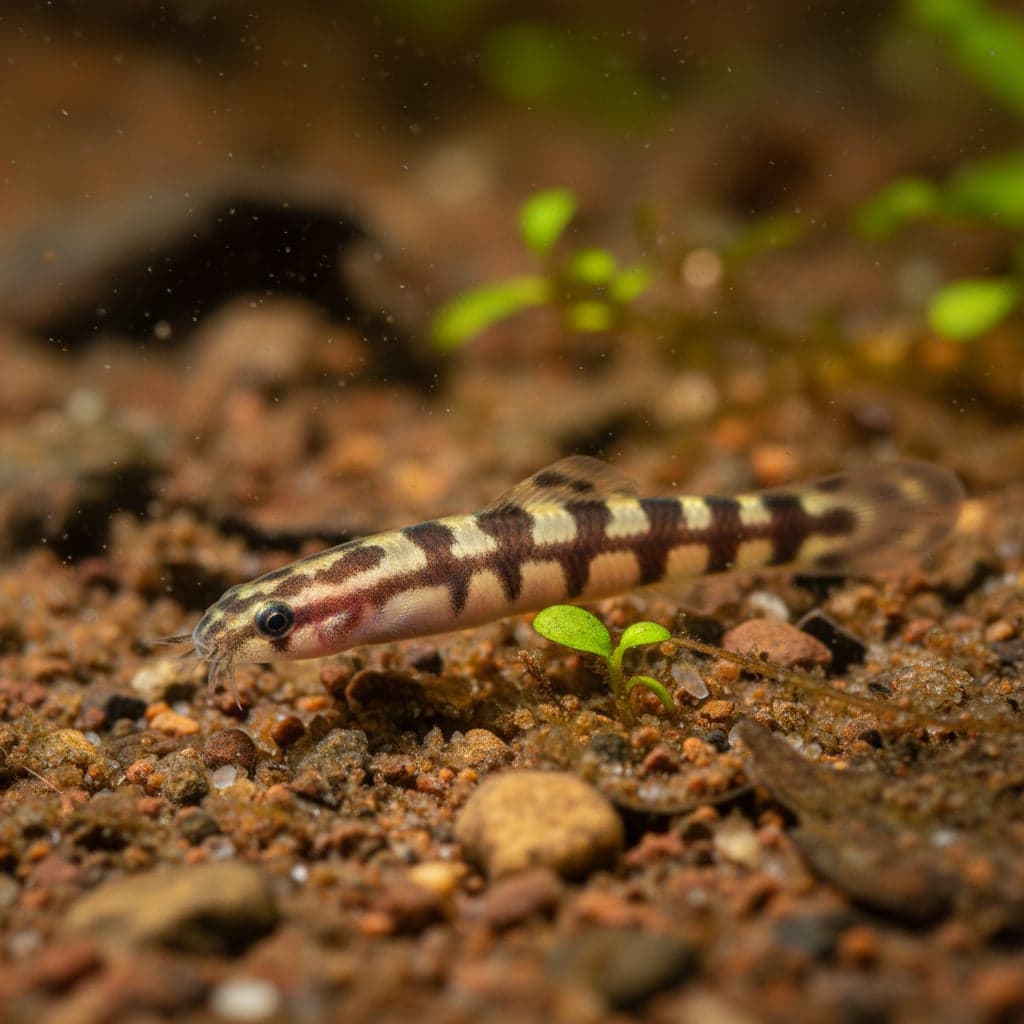
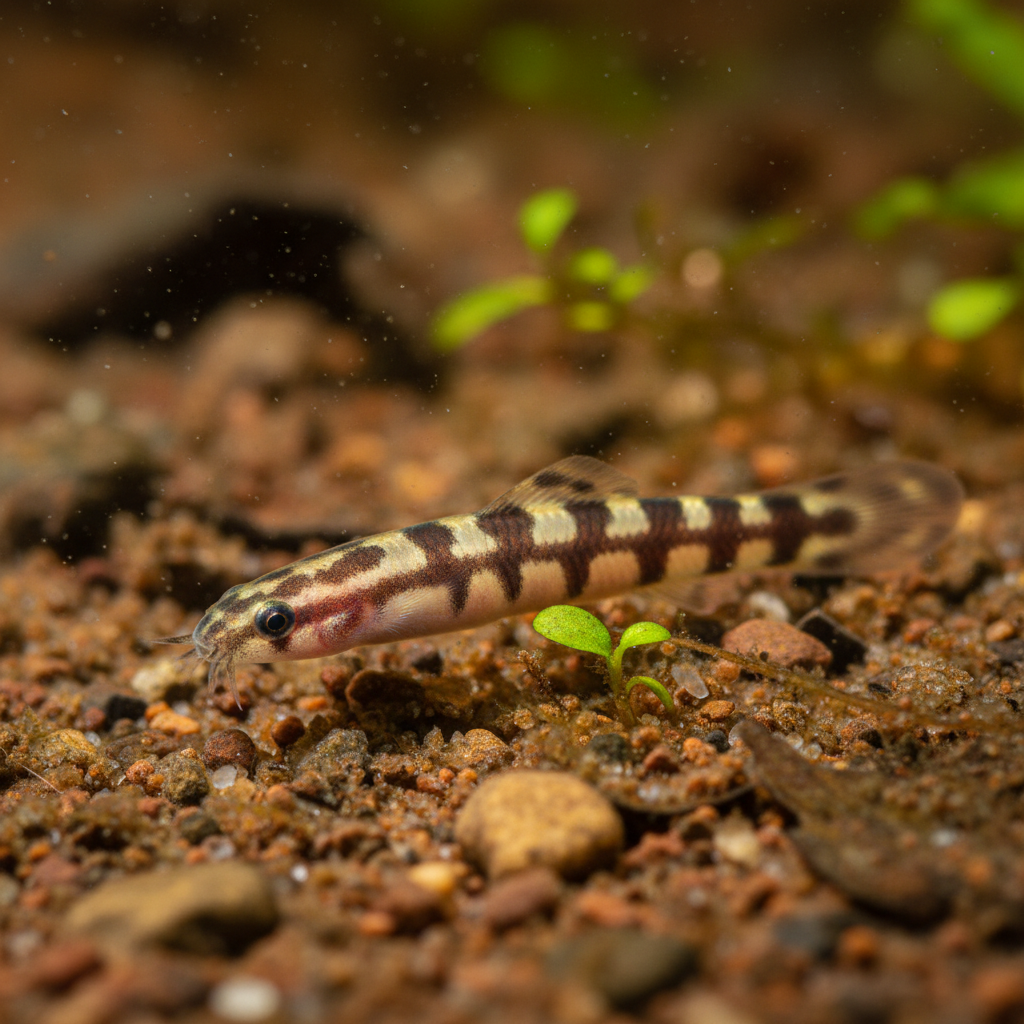
The Indian Dwarf Spineless Eel (Pillaia indica) is one of the most enigmatic species in the freshwater hobby. Hailing from the remote hill streams of Northeast India, it is a master of camouflage and a specialized burrower. Its most distinctive feature is the complete absence of a dorsal fin, giving it a smooth, sleek, "spineless" appearance that allows it to glide effortlessly through coarse sand and leaf litter. Its body is a subtle, mottled charcoal or olive-brown, designed to disappear perfectly against the riverbed.
In the aquarium, they are a fascinating choice for specialized hill-stream or subtropical setups. They are nocturnal and reclusive, requiring a soft substrate and plenty of cover to thrive.
Natural Habitat & Origin
Pillaia indica is endemic to the Garo Hills of Meghalaya in Northeast India. They are found in slow-moving sections of clear, fast-flowing hill streams and forest pools. These habitats are characterized by sandy or gravelly bottoms covered in thick layers of decaying leaves and submerged roots. The water is typically cool, neutral, and highly oxygenated, reflecting the high-altitude environment of the Indian subtropics.
Care Requirements
The Indian Dwarf Spineless Eel is a sensitive species that requires specific environmental conditions to survive long-term. A minimum tank size of 20 gallons (75L) is recommended for a single individual or a pair.
Maintain stable parameters: a pH of 6.5 to 7.5 and a temperature of 64°F to 75°F (18°C to 24°C). They do not thrive in long-term high tropical temperatures; a chiller or a cool room is often beneficial. The most critical requirement is a deep, soft substrate (at least 2-3 inches of fine sand). They spend much of their lives buried with only their snouts visible. The tank should be well-oxygenated with moderate flow and decorated with large pieces of driftwood and smooth river stones to provide shelter.
Diet & Feeding
In the wild, they are specialized carnivores, hunting for small aquatic insects, worms, and micro-crustaceans within the substrate.
In captivity, they can be challenging to feed:
- They primarily accept live or frozen foods: Bloodworms, Tubifex, and Daphnia are the best options.
- Some individuals can be transitioned to high-quality sinking micro-pellets, but this is not guaranteed.
- Tip: They are strictly nocturnal hunters. Feed them after the lights have been off for at least 30 minutes to ensure they can forage without being outcompeted by more active day-dwelling fish.
Behavior & Temperament
They are wonderfully peaceful and completely harmless to tank mates. They are reclusive by nature and will spend daylight hours buried or wedged deep within crevices. They are not social in the traditional sense but can be kept in small groups without issue. Their unique "gliding" movement and the way they peak out from the sand make them a delight for patient observers.
Tank Mates
Suitable tank mates include other peaceful, cool-water species that occupy the upper water columns:
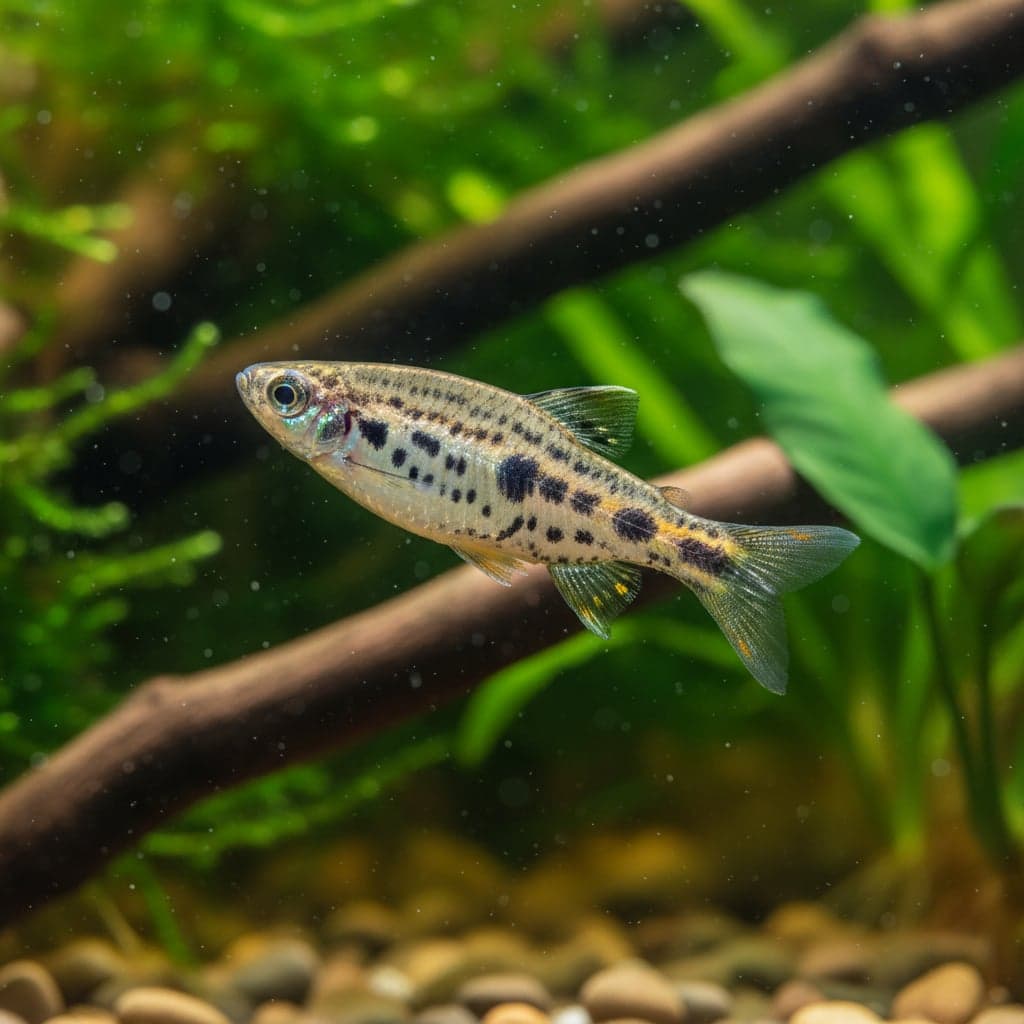
- White Cloud Mountain Minnows
- Rosy Loaches
- Hillstream Loach species (Sewellia or Gastromyzon)
- Small, peaceful Danio species
- Otocinclus
Avoid keeping them with large, aggressive bottom-dwellers or hyper-active scavengers that might stress them or outcompete them for the nocturnal feedings they depend on.
Breeding
Breeding Pillaia indica in captivity has not been reliably documented. In the wild, they likely spawn among submerged roots or stones during the seasonal rains. Their rarity in the hobby means there is very little data on their reproductive cycles, making any breeding effort a significant contribution to ichthyology.
Common Health Issues
The primary health concern is bacterial infection of the skin caused by abrasive or dirty substrates. Because they burrow constantly, any sharp edges in the sand or accumulation of waste in the lower levels will quickly lead to ulcers or rot. Maintaining pristine water quality and a clean, sandy floor is essential. They are also sensitive to high nitrate levels and sudden temperature spikes; consistent, cool water is the key to their longevity.