Margined Coralfish
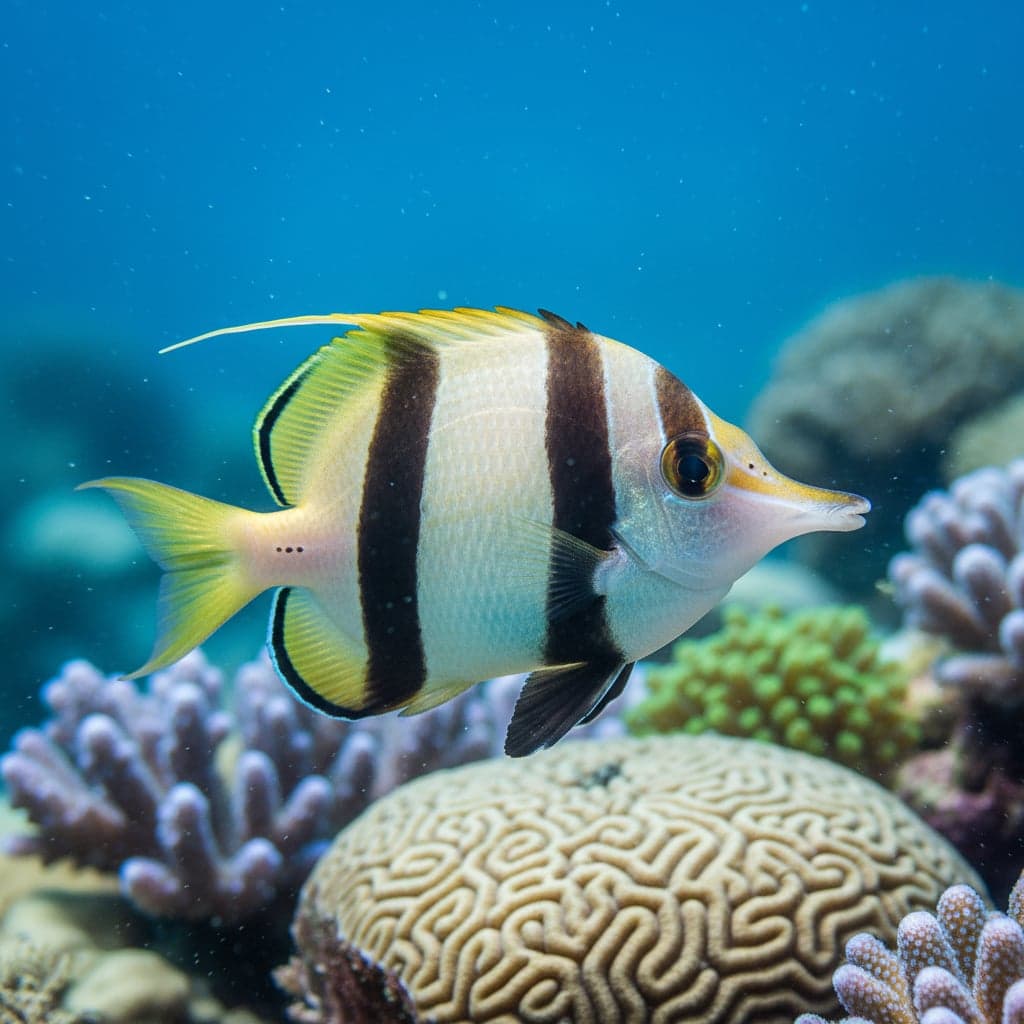
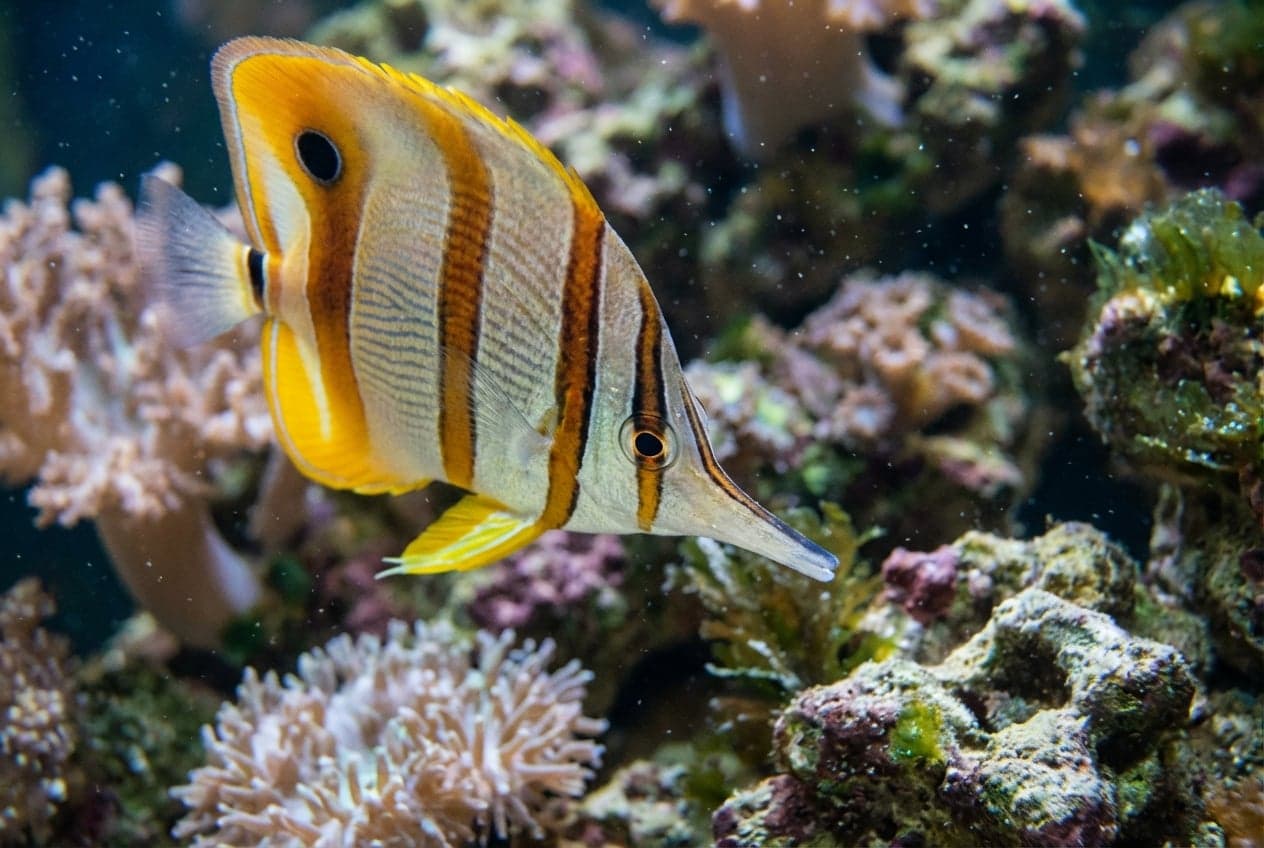
The Margined Coralfish (Chelmon marginalis) is a stunning saltwater fish known for its unique appearance and behavior.

Margined Coralfish
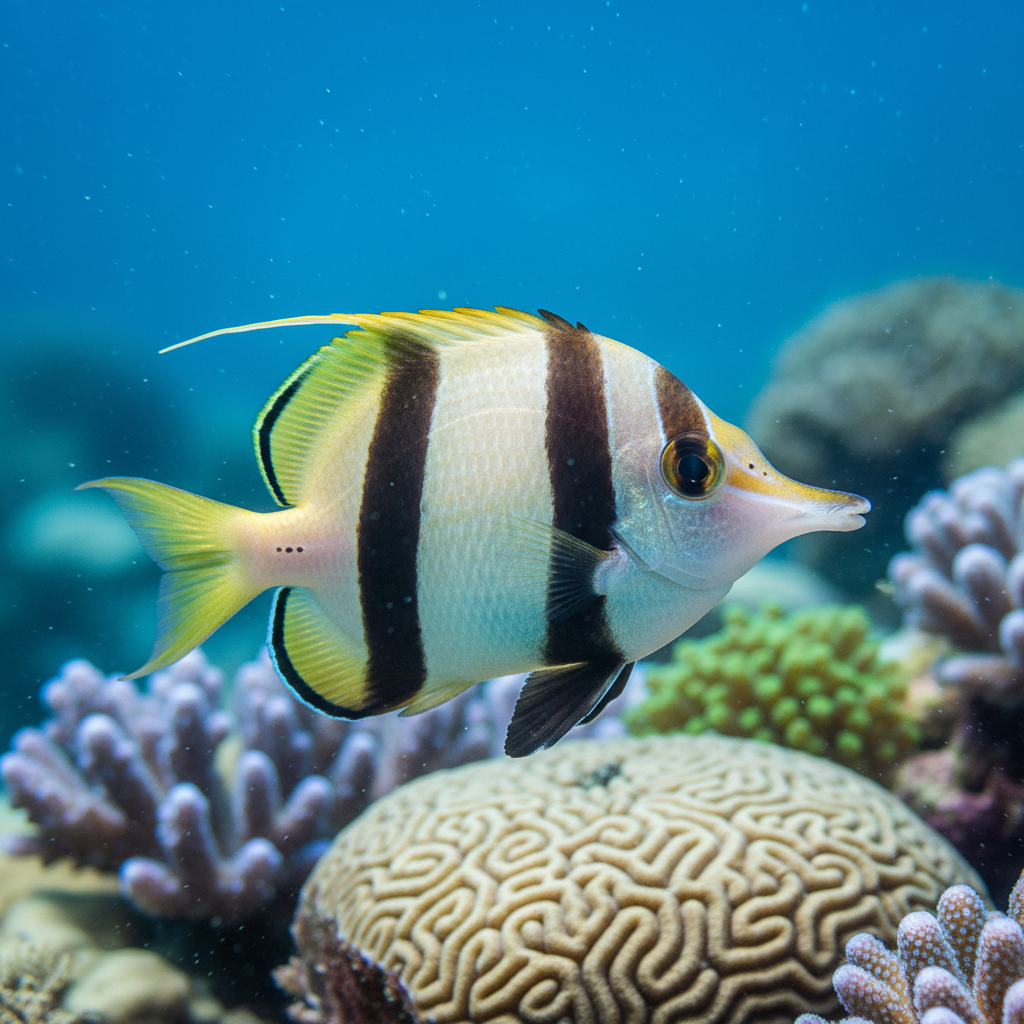
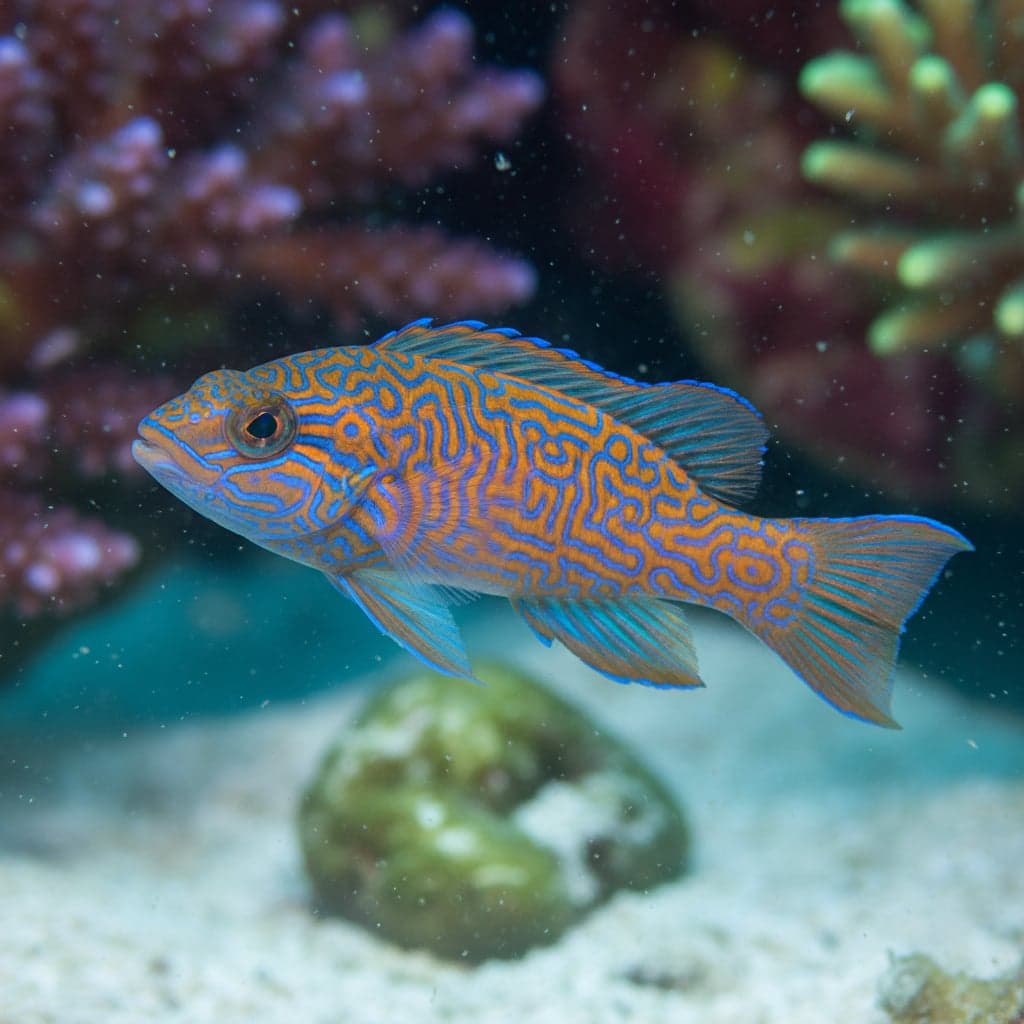
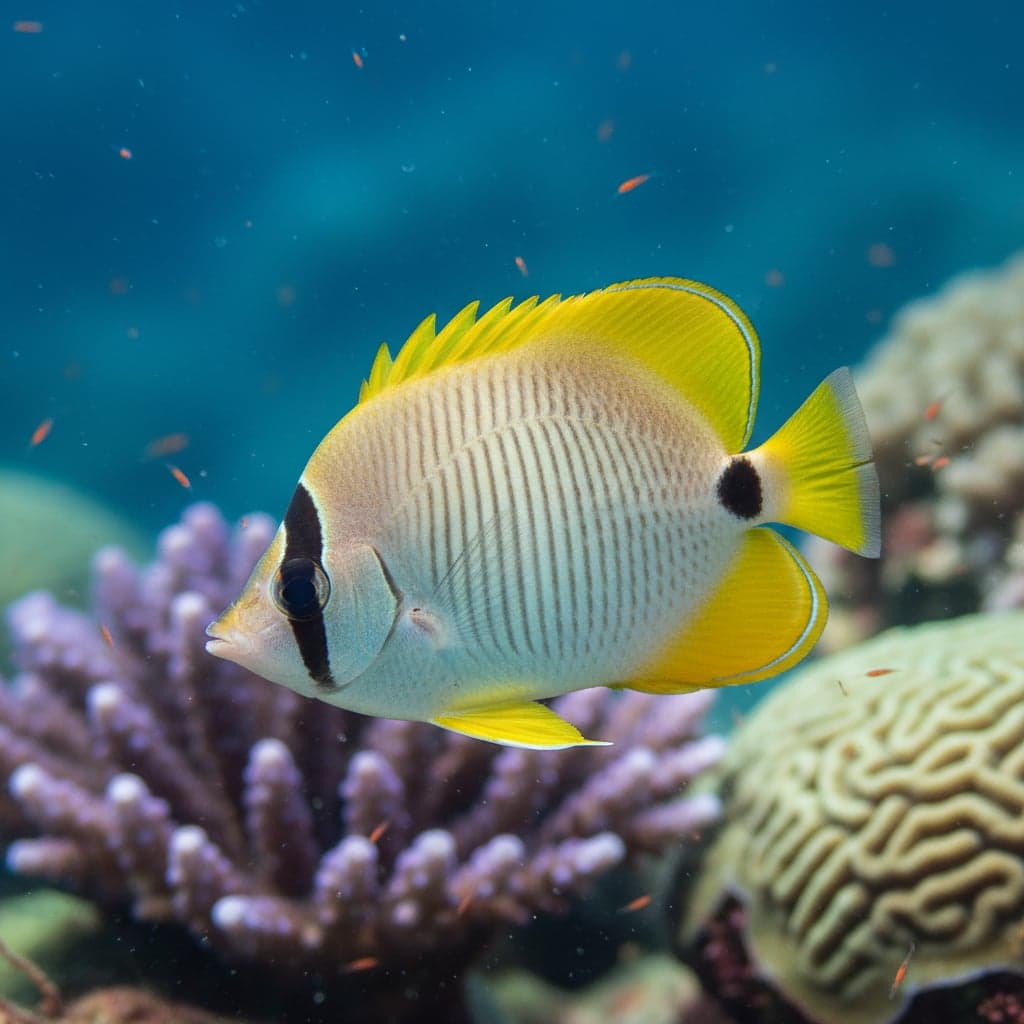
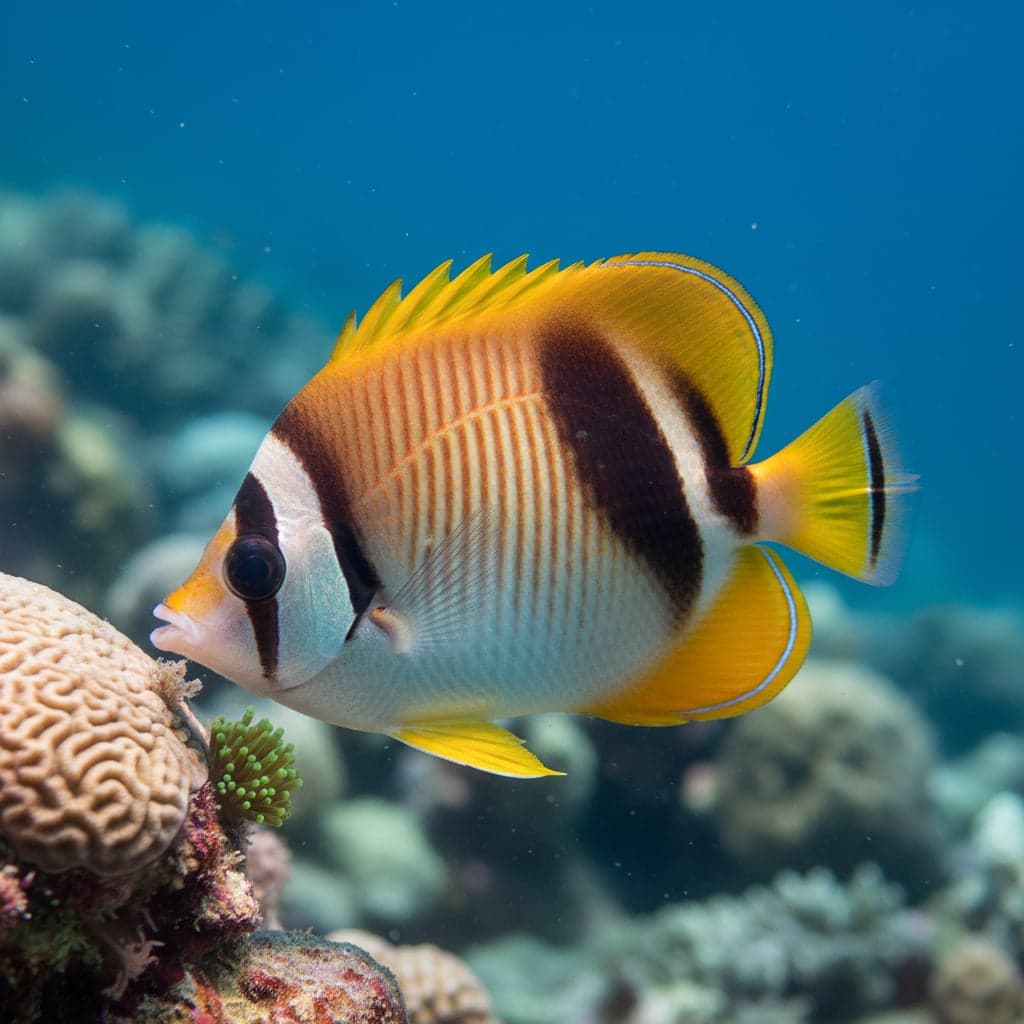
The Margined Coralfish, scientifically known as Coradion rubrimarginatus, is a strikingly beautiful marine fish that captivates both novice and experienced aquarists. Native to the Indo-Pacific region, this fish boasts a unique coloration characterized by its vibrant body, which typically showcases a gradient of blues, yellows, and oranges adorned with striking black margins. The Margined Coralfish is not only admired for its visual appeal but also for its essential role in maintaining coral reef ecosystems. By grazing on algae and small invertebrates, it helps preserve the health of coral reefs, making it a significant species within the marine environment and a prized addition for aquarium enthusiasts.
As an aquarium specimen, the Margined Coralfish brings an aesthetic richness that enhances the beauty of any marine display. Its graceful movements and interesting behaviors add a dynamic element to a reef tank. Moreover, the Margined Coralfish is notable among aquarists for its hardiness and adaptability, allowing it to thrive in various conditions, provided it receives proper care. This fish not only serves as an eye-catching centerpiece in an aquarium but also offers an opportunity for hobbyists to better understand marine ecology and the delicate balance of reef habitats.
Natural Habitat & Origin
The Margined Coralfish is predominantly found in the clear tropical waters of the Indo-Pacific region, including areas such as the Great Barrier Reef, Solomon Islands, and various islands of the Central Pacific. It typically inhabits coral reefs and associated environments, often residing in crevices and rocky areas where it can find shelter from predators and intense currents. These fish thrive in warm waters with temperatures ranging from 24°C to 28°C (75°F to 82°F) and can often be observed near coral formations, which provide both food and protection. The environment in which the Margined Coralfish lives is characterized by clear, shallow waters that facilitate the abundance of light necessary for the growth of algae and corals.
In terms of water quality, Margined Coralfish prefer a habitat with well-defined boundaries. They are often found in areas with moderate water flow, which aids in nutrient distribution and provides a dynamic environment. The presence of varying substrates—such as sand, rock, and rubble—contributes to their natural habitat, allowing them to forage for food while offering places to hide from potential threats. Understanding these geographical and environmental aspects aids aquarists in replicating suitable conditions for the Margined Coralfish in captivity.
Care Requirements
To ensure the health and vitality of the Margined Coralfish, maintaining appropriate water parameters is crucial. Ideal water conditions include a pH level between 8.1 and 8.4, temperatures of approximately 24°C to 28°C (75°F to 82°F), and a specific gravity of about 1.020 to 1.025. Additionally, it is recommended to keep hardness levels around 8 to 12 dGH to mimic its natural habitat.
When setting up a tank for Margined Coralfish, a minimum size of 75 gallons is essential to provide ample swimming space and maintain stable water quality. The substrate should consist of fine sand or small gravel, which aids in mimicking a natural reef environment. It is also beneficial to incorporate live rock and other decorations to create hiding spots and territories within the tank. Lighting should mimic daylight conditions, with moderate to bright illumination to promote the growth of photosynthetic corals and macroalgae. Regular water changes and proper filtration are essential to maintain water quality and ensure a thriving ecosystem for this striking fish.
Diet & Feeding
The Margined Coralfish is considered an omnivore, primarily consuming a diet of algae, small invertebrates, and plankton in its natural habitat. In captivity, it's essential to replicate this varied diet for optimum health. High-quality flakes and pellets formulated for marine fish provide a solid nutritional foundation, while frozen and live foods such as brine shrimp, mysis shrimp, and spirulina offer necessary supplements. It's recommended to feed the Margined Coralfish multiple small meals throughout the day to prevent stress and maintain energy levels.
Incorporating various food types, including herbivore-focused diets, will ensure the Margined Coralfish receives all essential nutrients. Offering algae sheets or spirulina-based products helps keep this fish well-fed and promotes healthy growth and coloration. Regular monitoring of its feeding response will help aquarists determine the right portion sizes and feeding frequency best suited for their specific specimen.
Behavior & Temperament
The Margined Coralfish exhibits gentle and curious behavior, making it a suitable choice for community reef tanks. Generally peaceful, these fish are known to be somewhat shy, often seeking shelter among rocks and corals, particularly in high-contrast environments that provide visual breaks. It is not uncommon for Margined Coralfish to establish small territories; however, they are typically compatible with many other species, including other peaceful reef fish.
In terms of schooling habits, the Margined Coralfish does not form tight-knit groups but can be seen associating within its species or with other peaceful fish. They tend to occupy the mid to upper levels of the tank, utilizing open spaces for swimming while returning to cover for safety. Although they display minimal aggression, it is wise to monitor their interactions with more territorial species to ensure a harmonious tank community.
Tank Mates
When selecting tank mates for the Margined Coralfish, compatibility is key. Generally, this fish pairs well with other non-aggressive marine species, such as clownfish, cardinals, and certain gobies. Among the optimal tank mates are species like the Longfin Bannerfish, Royal Gramma, and certain wrasse, which share a similar temperamental nature and space needs.
Conversely, species to avoid include large or aggressive fish, such as triggers, lionfish, and damselfish, which may exhibit territorial behavior and stress the Margined Coralfish. Additionally, caution should be exercised when considering tank mates with similar coloration, as this could lead to misidentified territorial disputes. By ensuring a well-balanced community, hobbyists can create a peaceful environment that allows the Margined Coralfish to thrive.
Breeding
Breeding the Margined Coralfish in a home aquarium presents unique challenges, primarily due to their specific spawning behavior and environmental requirements. These fish are known to exhibit monogamous relationships, often establishing bonds with a singular partner. For successful breeding, a separate breeding tank of at least 30 gallons is recommended, with stable water parameters similar to those in their main tank.
To encourage spawning, aquarists should provide plenty of hiding spots such as caves, rocks, and flat surfaces where the female can lay eggs. The Margined Coralfish typically spawn at dusk, laying adhesive eggs that stick to the chosen substrate. Maintaining a stable environment, weak water flow, and dim lighting can help replicate the natural conditions that stimulate breeding. The eggs will hatch within a few days, and offering appropriate infusoria or finely crushed food for the larvae is crucial for their survival in these early stages.
Common Health Issues
The Margined Coralfish, like many marine species, can be susceptible to several health concerns, including parasites, bacterial infections, and stress-related issues. Common ailments such as marine ich, velvet disease, and fin rot can impact their health if not closely monitored