Ocellated Loach: Syncrossus berdmorei
A beautifully patterned, aggressive tiger loach from Southeast Asia.

Ocellated Loach
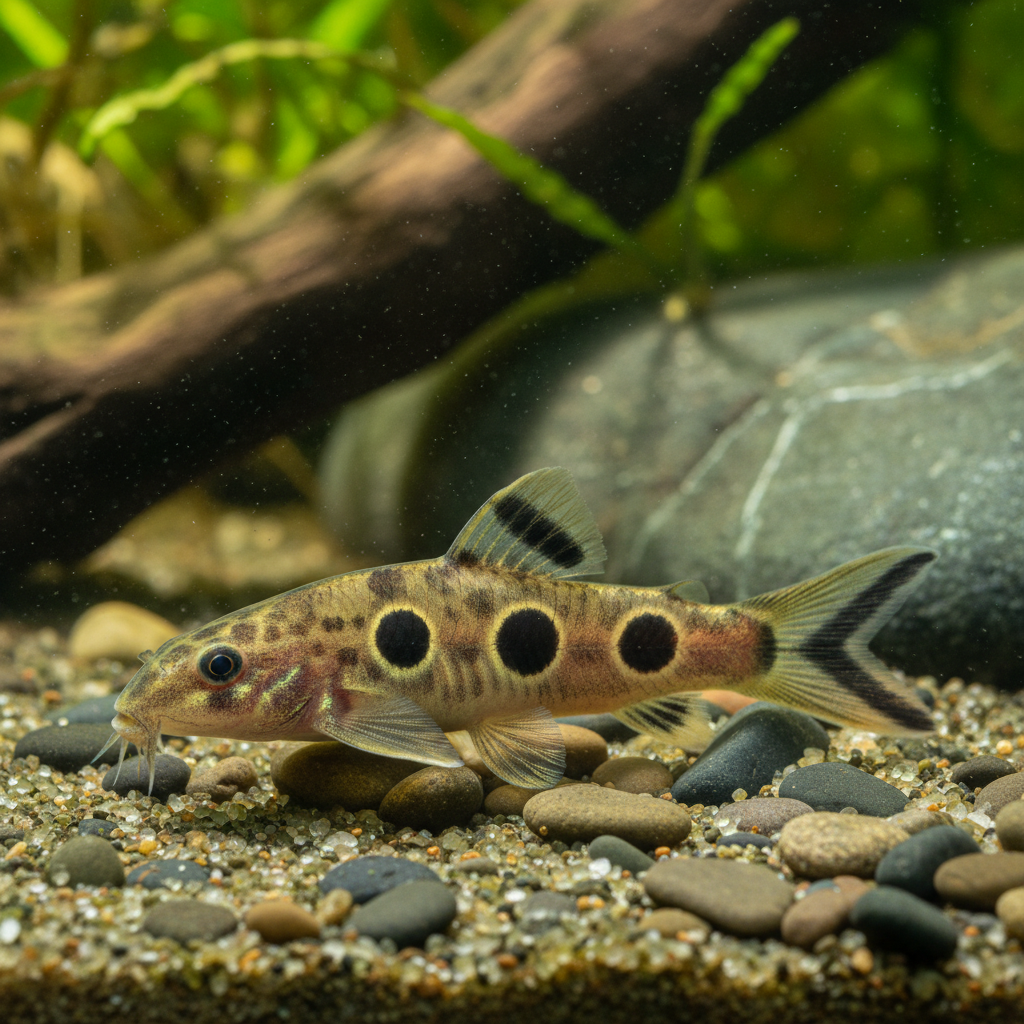
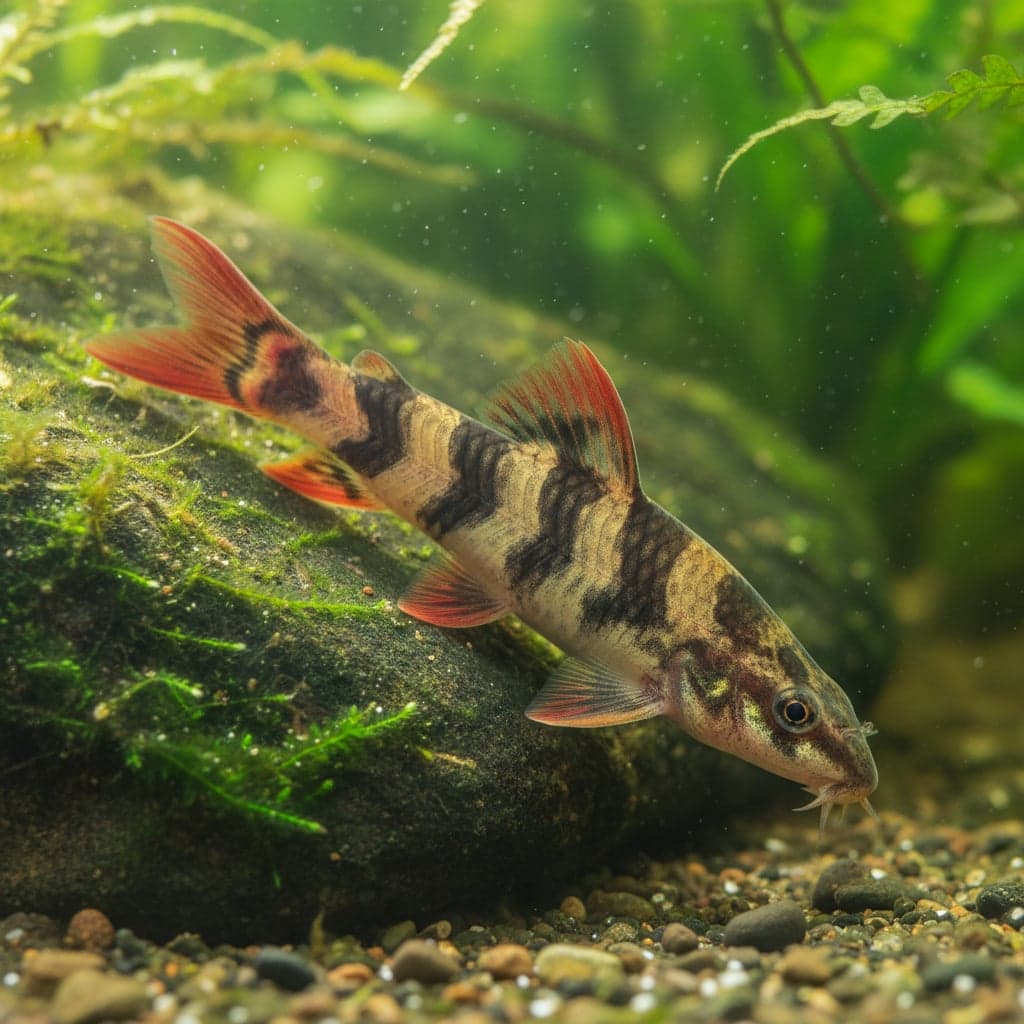
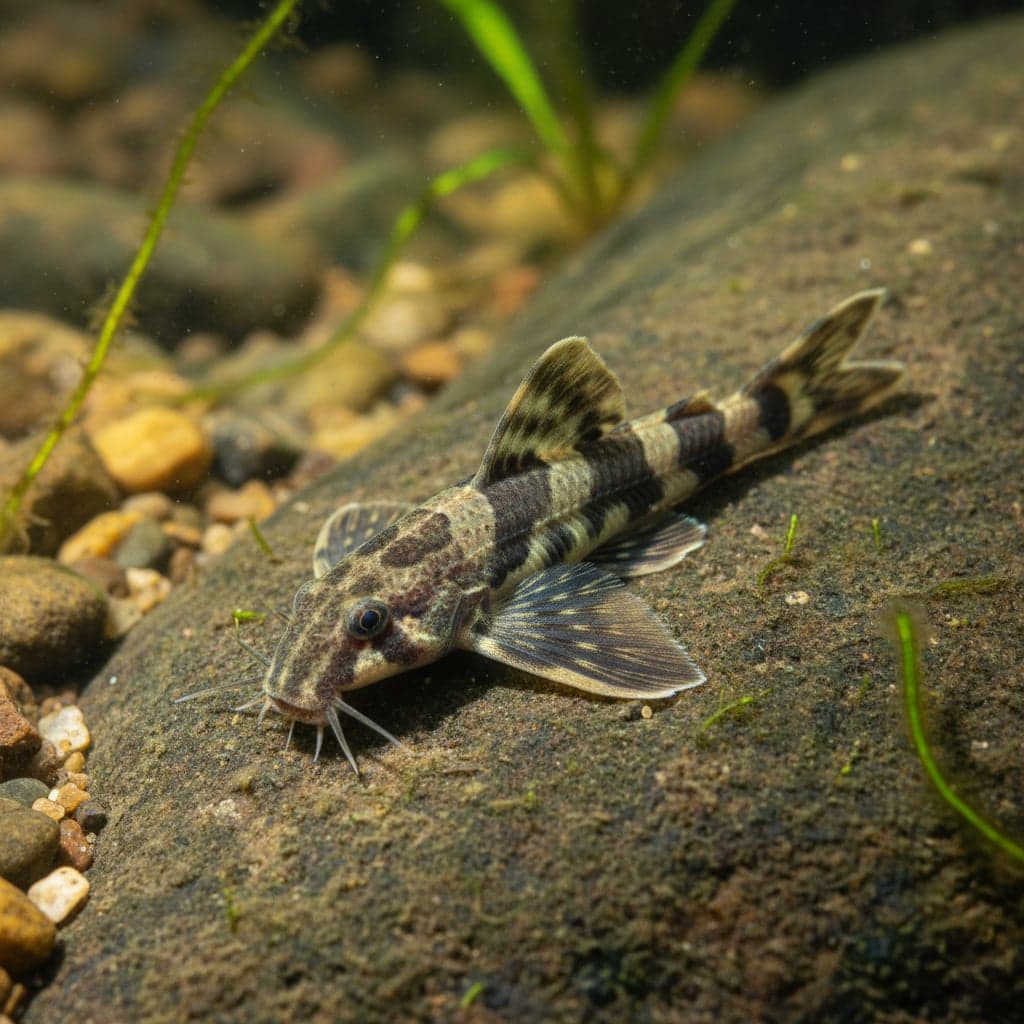
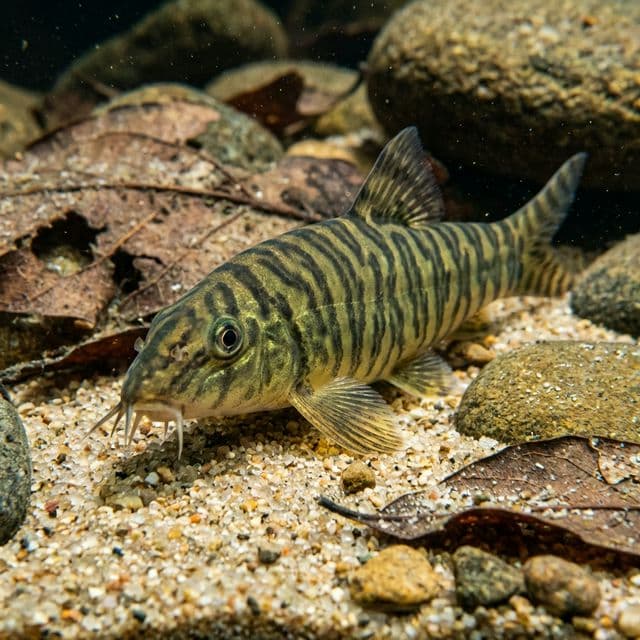
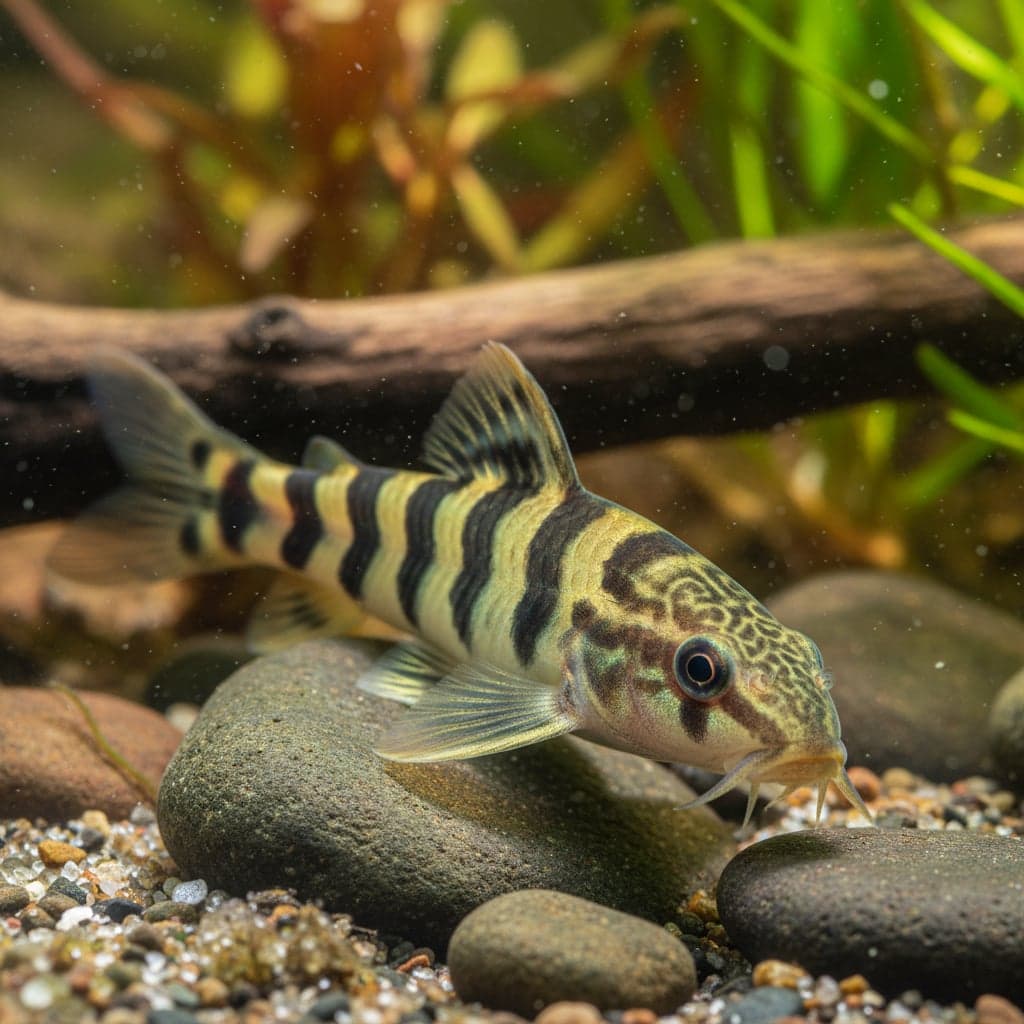
The Ocellated Loach (Syncrossus berdmorei) is a striking freshwater fish native to Southeast Asia, particularly found in the rivers and streams of Myanmar (Burma). Known for its distinctive appearance, the Ocellated Loach is characterized by its elongated body, vibrant coloration, and unique ocellus (eye-like spots) patterning that runs along its sides. These features not only enhance its visual appeal but also make it a unique addition to community aquariums. It is a popular choice among aquatic enthusiasts, particularly due to its interactive nature and the lively personality it exhibits in a well-maintained environment.
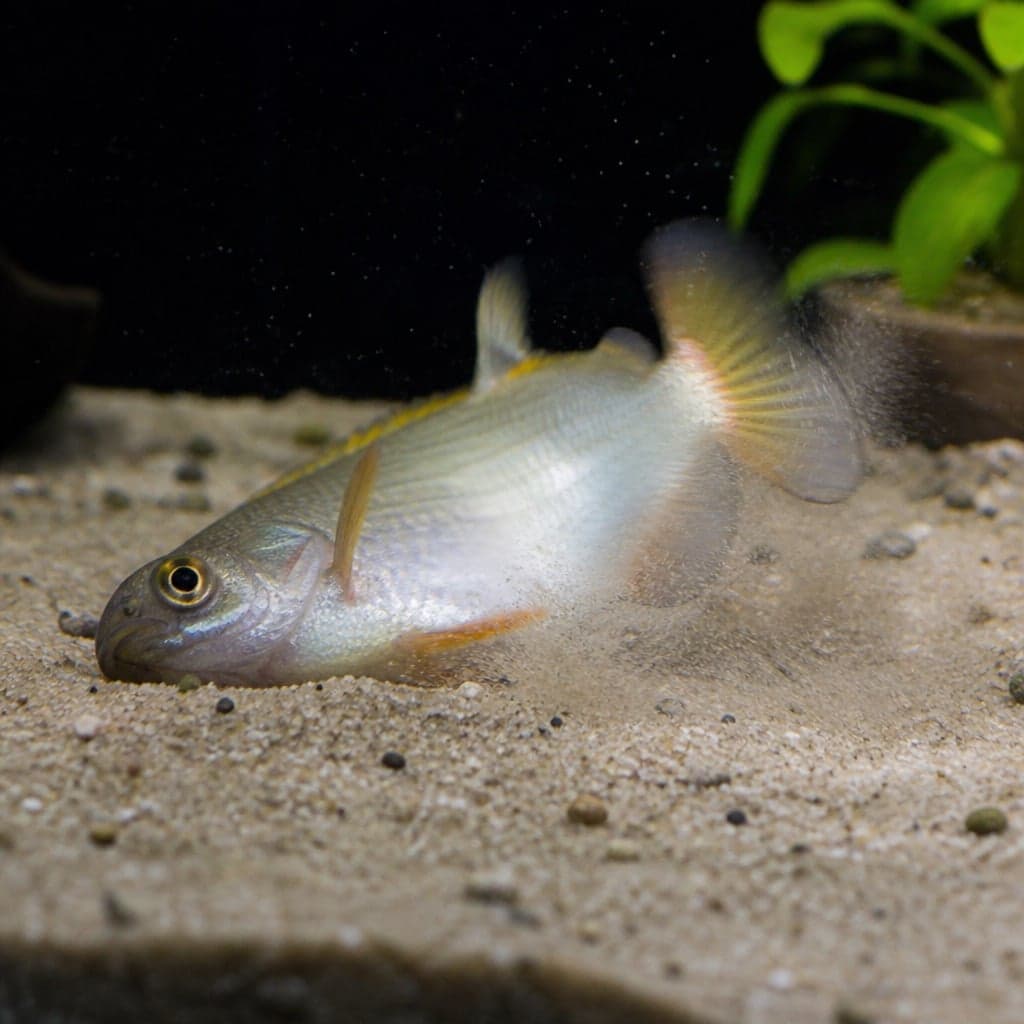
In the aquarium hobby, the Ocellated Loach holds a special significance due to its engaging behavior and adaptability. Unlike many of its loach relatives, the Ocellated Loach is relatively robust and can thrive in a range of conditions, making it suitable for both novice and experienced aquarists. Additionally, its tendency to forage along substrate surfaces, sifting through sand or fine gravel, is not only fascinating to observe but also promotes beneficial behaviors within the aquarium ecosystem by enhancing sediment aeration and waste breakdown.
Natural Habitat & Origin
The native environment of the Ocellated Loach consists primarily of the shallow waters of freshwater rivers and streams throughout Myanmar. These habitats typically feature slow-moving waters, with dense plant cover and a substrate composed of fine sand and rocky material. This species is often found in blackwater environments, characterized by acidic and soft waters that are tinted brown due to the decomposition of organic matter. The presence of leaf litter and decaying wood in these habitats plays a crucial role in providing both shelter and a source of food for the Ocellated Loach, contributing to its overall survival in the wild.
The geographical origins of the Ocellated Loach highlight its preference for specific environmental contexts, which aquarists must strive to replicate to ensure optimal health and wellbeing in captivity. This means providing a tank environment that closely resembles its natural habitat, focusing on water quality, temperature, and substrate to facilitate natural behaviors.
Care Requirements
To provide the best care for the Ocellated Loach, aquarists should maintain specific water parameters that closely mimic its natural habitat. The ideal pH for the Ocellated Loach ranges from 6.0 to 7.5, with a temperature range between 24-28°C (75-82°F). Water hardness should be kept on the softer side, ideally around 5-12 dGH. A minimum tank size of 75 gallons is recommended, as the Ocellated Loach is active and benefits from ample swimming space.
In terms of tank setup, a substrate composed of fine sand or soft gravel is essential to prevent injury to the fish’s delicate barbels. Vegetation should be abundant, with a mix of live plants that can provide hiding spots and shade, such as Java fern, Anubias, and Cryptocoryne. Lighting should be moderate; too intense lighting can cause stress to these fish. Additionally, incorporating driftwood, rocks, and caves will create a more natural environment and provide additional shelter for the Ocellated Loach.
Diet & Feeding
The Ocellated Loach is primarily an omnivore, feeding on a varied diet in its natural habitat. In captivity, providing a well-rounded diet is crucial for optimal health. A combination of high-quality flake food, sinking pellets, and frequent additions of frozen or live foods, such as bloodworms, brine shrimp, and daphnia, will keep the Ocellated Loach healthy and nourished. It is important to diversify their diet to ensure they receive all necessary nutrients and to mimic their foraging behavior. Offering a mix of foods will also enhance their color and vitality.
Feeding methods should encourage natural foraging behaviors; placing food around the tank or employing feeding rings can stimulate activity and exploration. It is also essential to avoid overfeeding, as excess food can lead to poor water quality and health issues.
Behavior & Temperament
Ocellated Loaches showcase a fascinating blend of behavior and temperament. They are generally social and can be kept in groups, showing an affinity for companionship with their own kind. It is advisable to keep at least three to four individuals to promote natural social behaviors and reduce stress. While they can exhibit playful interactions, they can also display territorial tendencies, particularly during feeding times or when establishing hiding spots.
In terms of vertical placement within the tank, the Ocellated Loach tends to stay near the bottom and mid-levels of the aquarium, foraging for food and exploring through the substrate and among decorations. Their active nature and inquisitive behavior make them a joy to observe, contributing positively to community tank dynamics.
Tank Mates
When selecting tank mates for the Ocellated Loach, choose species that share similar care requirements and temperamental compatibility. Compatible species include other loaches, tetras, rasboras, and peaceful barbs. Exemplary companions like the Zebra Loach (Botia striata) and the Cherry Barb (Puntius titteya) not only cohabit well but also create a dynamic and lively community.
Species to avoid include aggressive or fin-nipping fish, such as certain cichlids or larger barbs. Additionally, avoid overly small fish that may be seen as prey, like neon tetras, as the Ocellated Loach may exhibit predatory behavior towards them. A well-planned community can lead to a harmonious tank environment, allowing each species to thrive.
Breeding
Breeding Ocellated Loaches in captivity can be a challenging yet rewarding endeavor. These fish are known to be sporadic spawners, often requiring specific conditions to trigger breeding behavior. A separate breeding tank with softer, slightly acidic water (pH 6.0-6.5) is recommended to enhance spawning activities. A moderate temperature between 24-26°C (75-79°F) can also encourage breeding.
To initiate spawning, it is recommended to provide a nutritious diet and ensure that the fish are in optimal health. During breeding, the female Ocellated Loach will lay eggs among plants or on the tank substrate, and males often display courtship behavior to attract females. After spawning, it is crucial to remove adult fish to prevent them from eating the eggs. The eggs will typically hatch within a few days, and the fry require infusoria or finely crushed flake food to thrive in their initial stages of development.
Common Health Issues
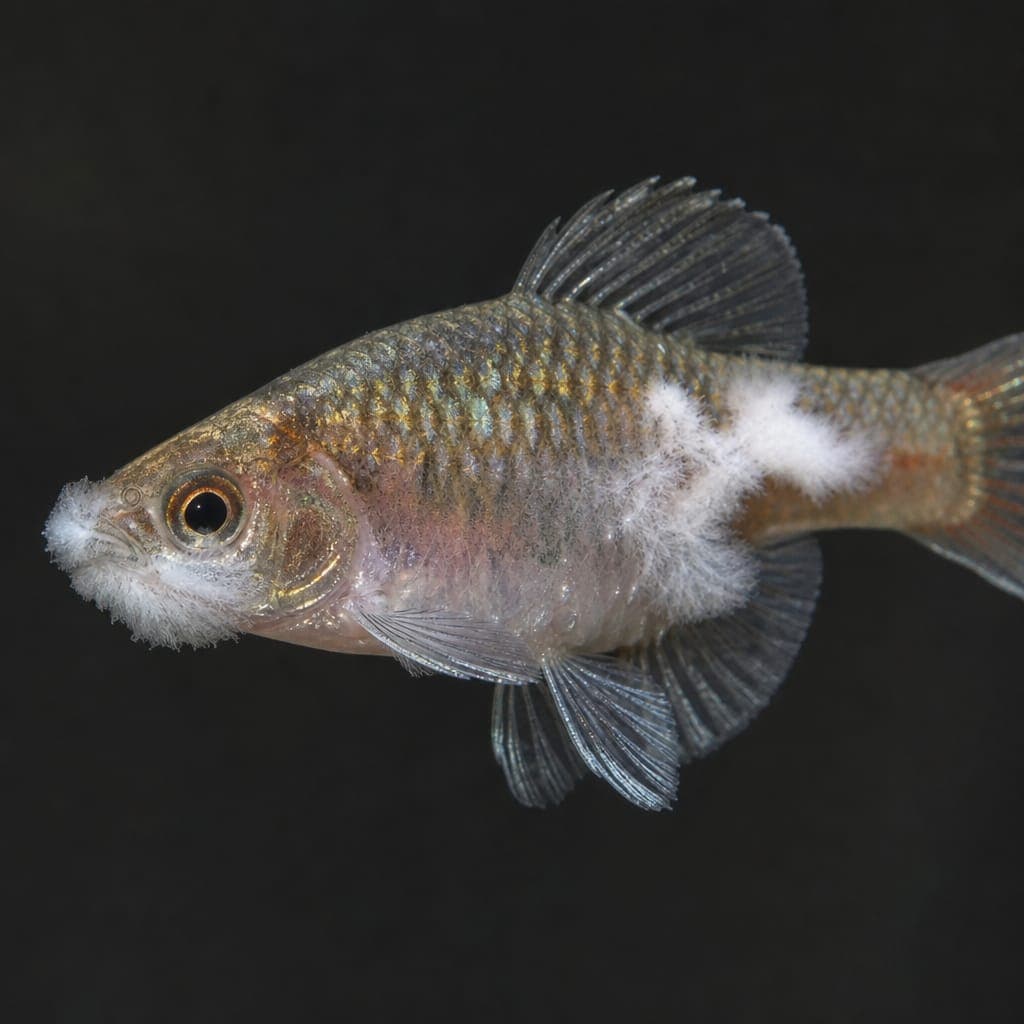
The Ocellated Loach, while generally hardy, can be prone to specific health issues if not properly cared for. Common ailments include freshwater ich (Ichthyophthirius multifiliis), skin flukes, and columnaris. Regular monitoring of water parameters is essential, as poor water quality can lead to stress and disease susceptibility.
Preventative measures include maintaining good hygiene, performing regular water changes, and ensuring a balanced diet to bolster their immune systems. Quarantining new fish before introduction to the main tank can also help reduce the risk of disease transmission. Keeping an eye on their activity levels and appearance can assist in early detection of any potential health issues, ensuring a long and healthy life for your Ocellated Loach.