Pastaza Cory: Corydoras pastazensis
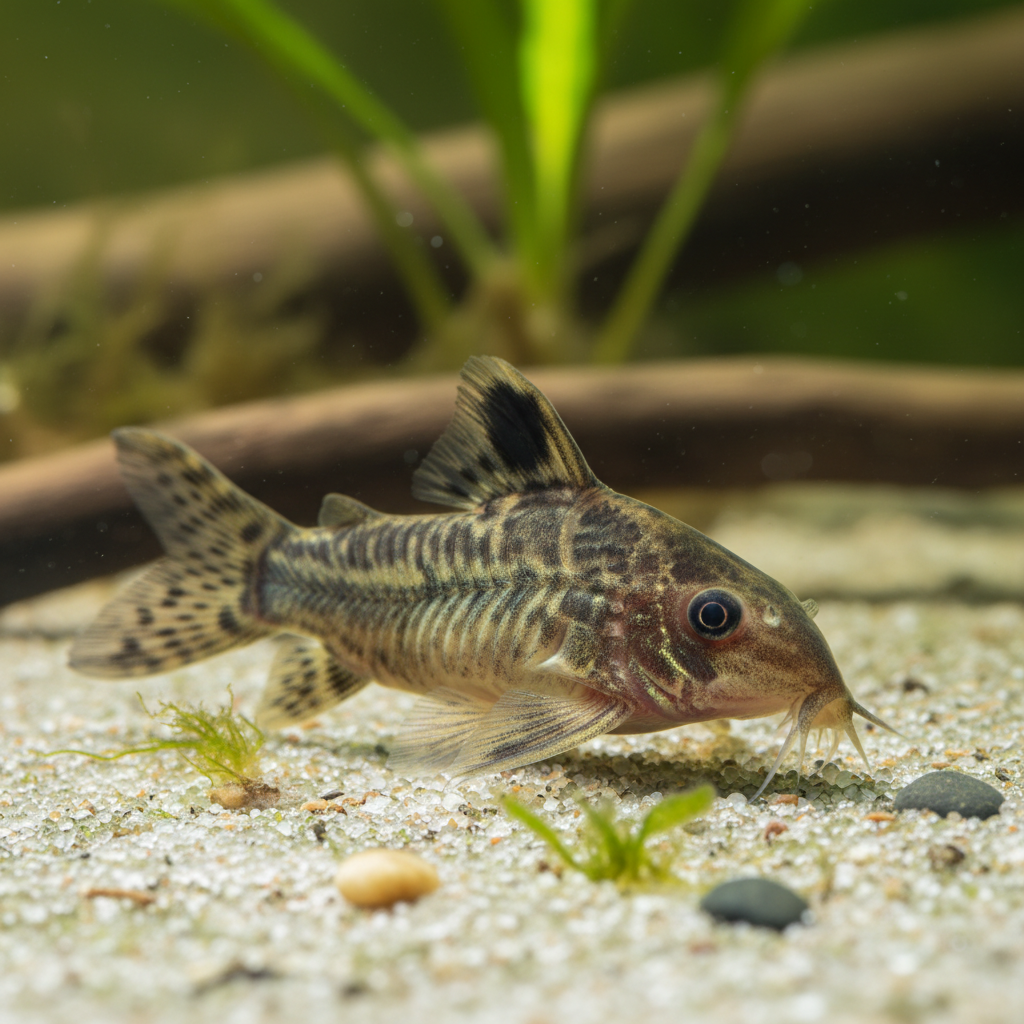
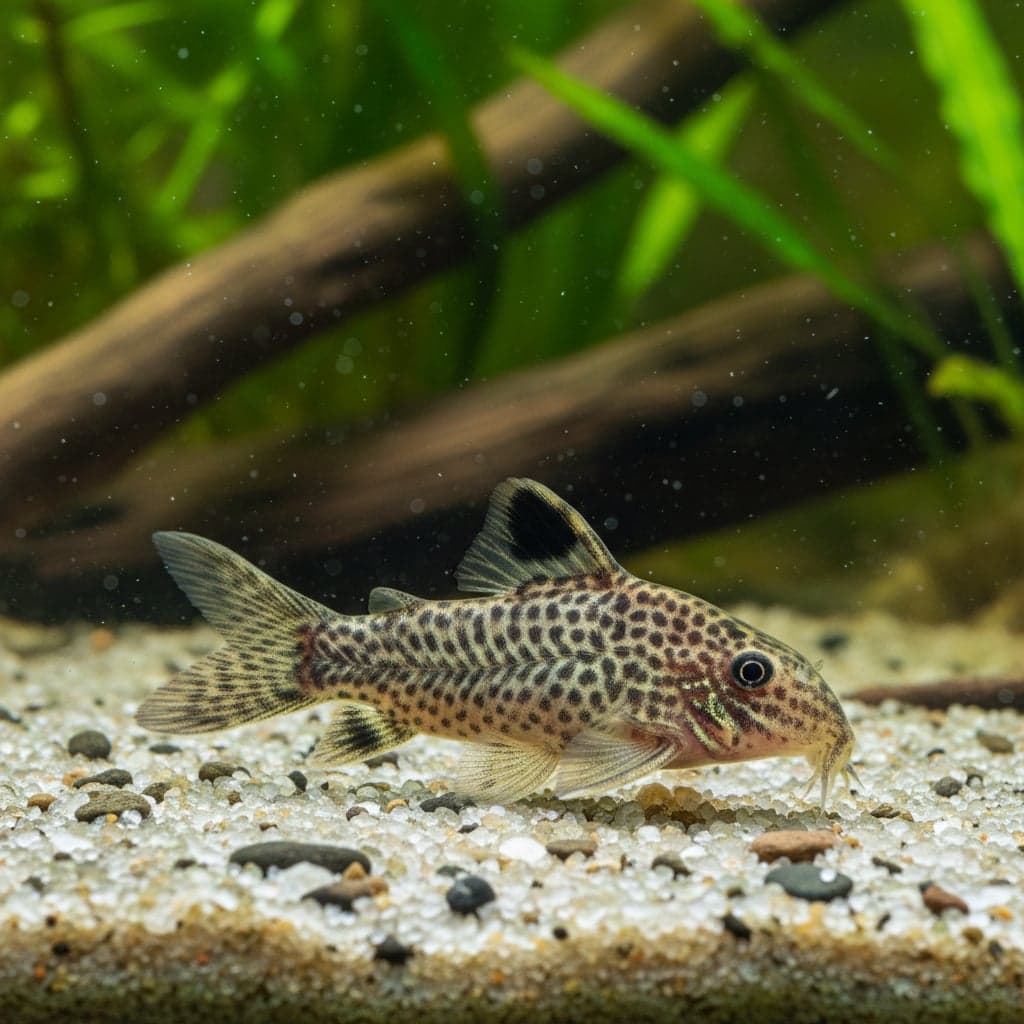
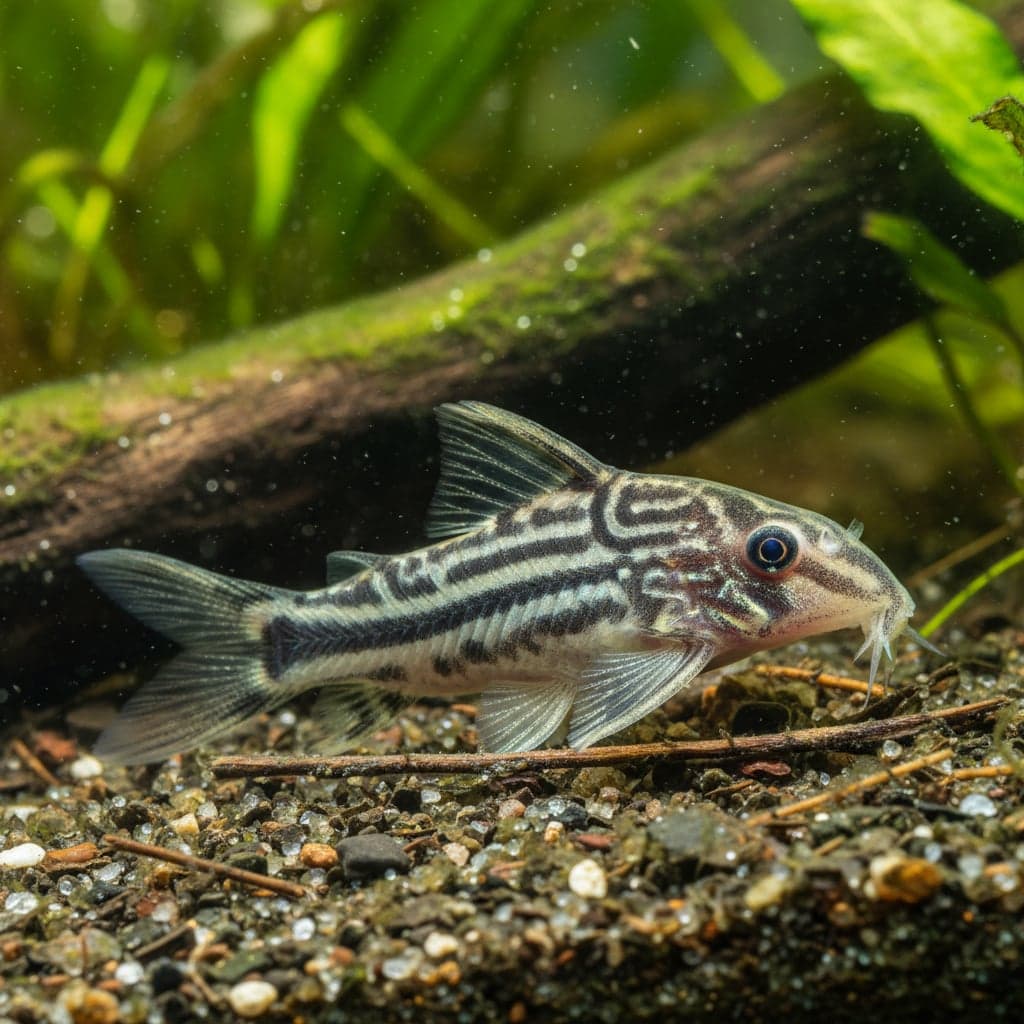
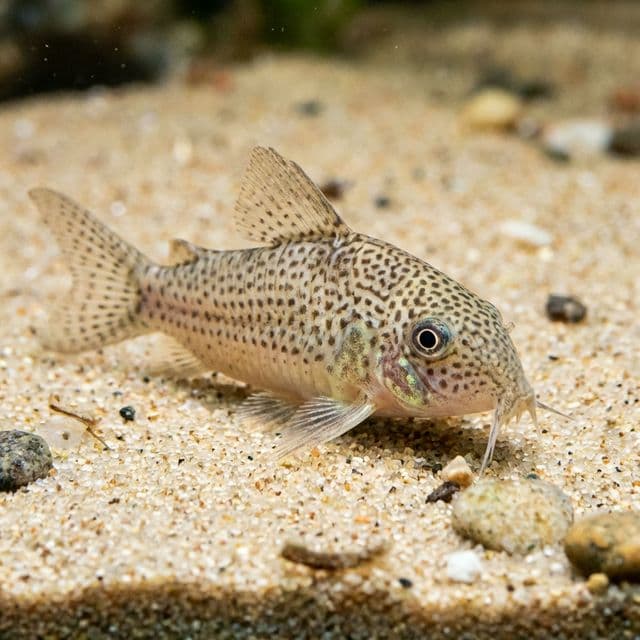
A striking, elongated, and highly active corydoras featuring a beautiful spotted pattern and a bold black facial mask.

Pastaza Cory
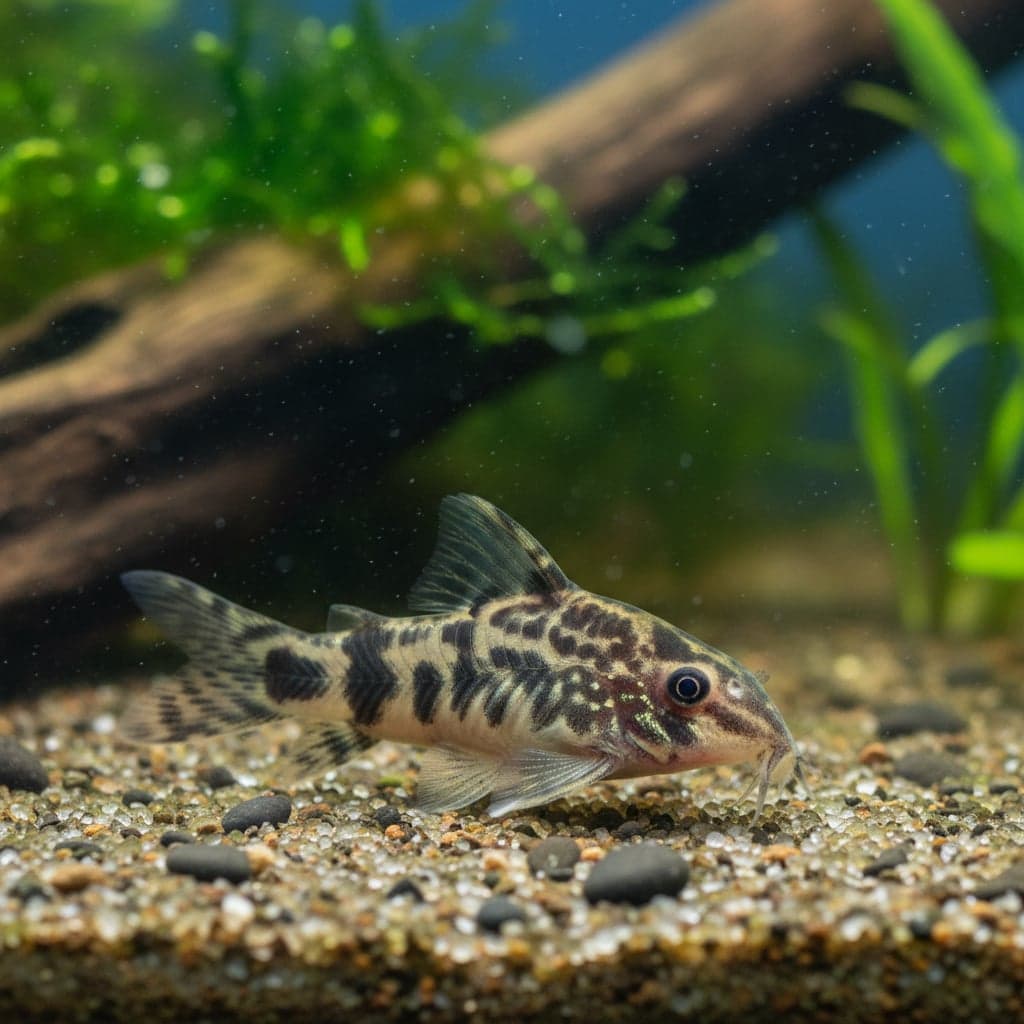
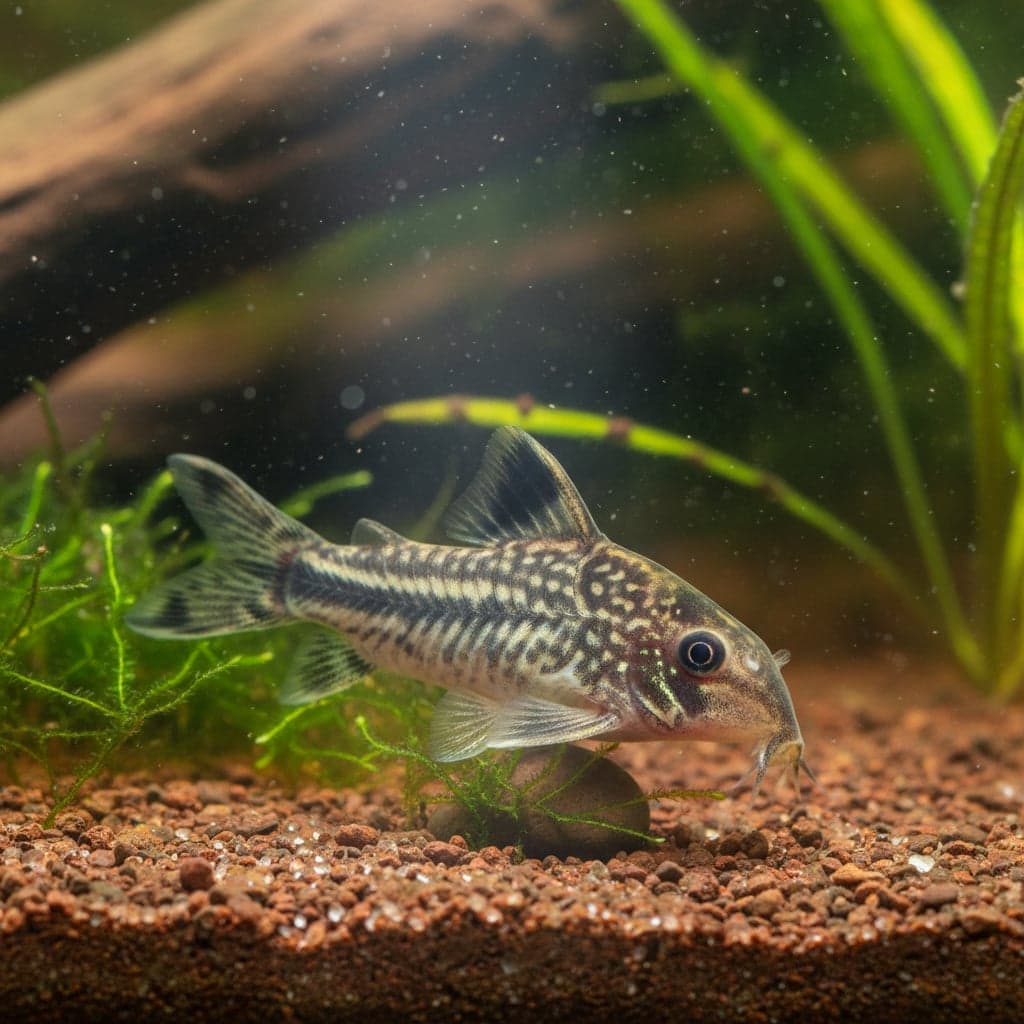
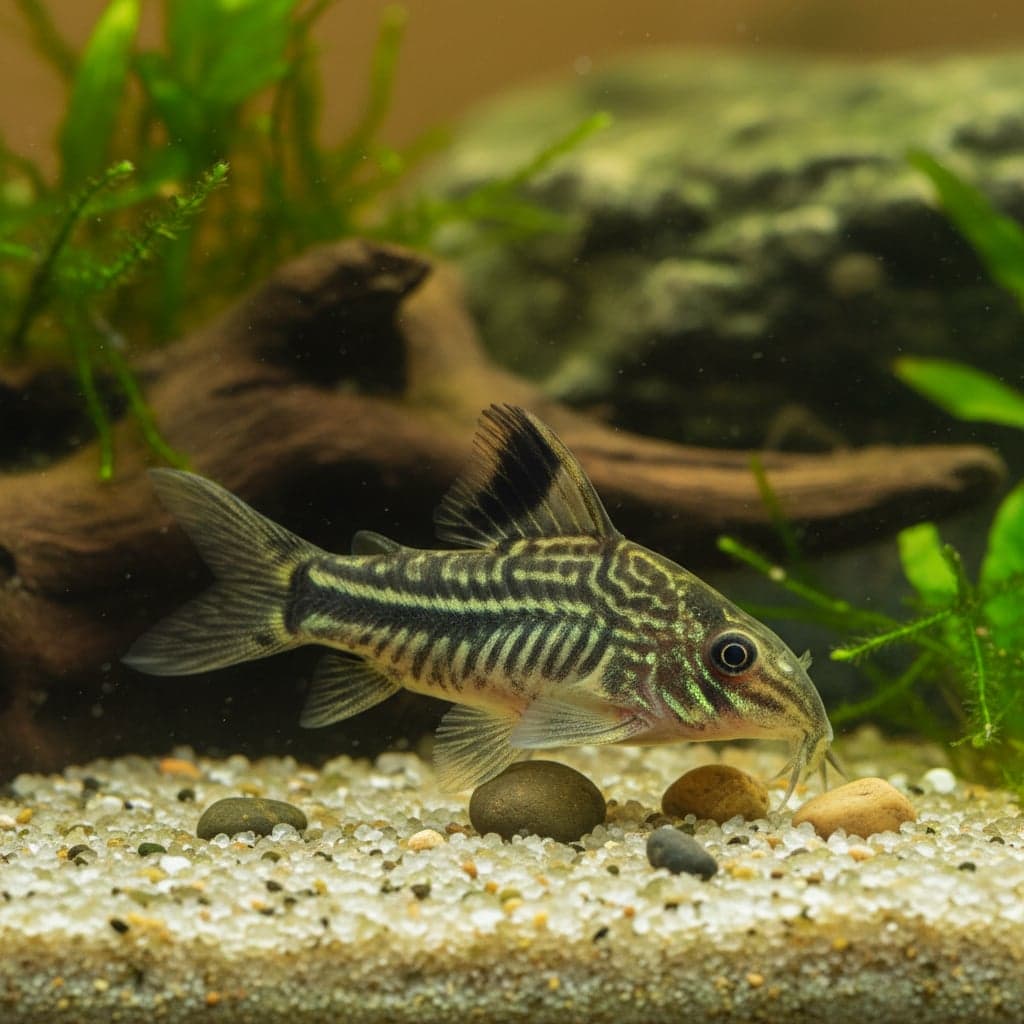
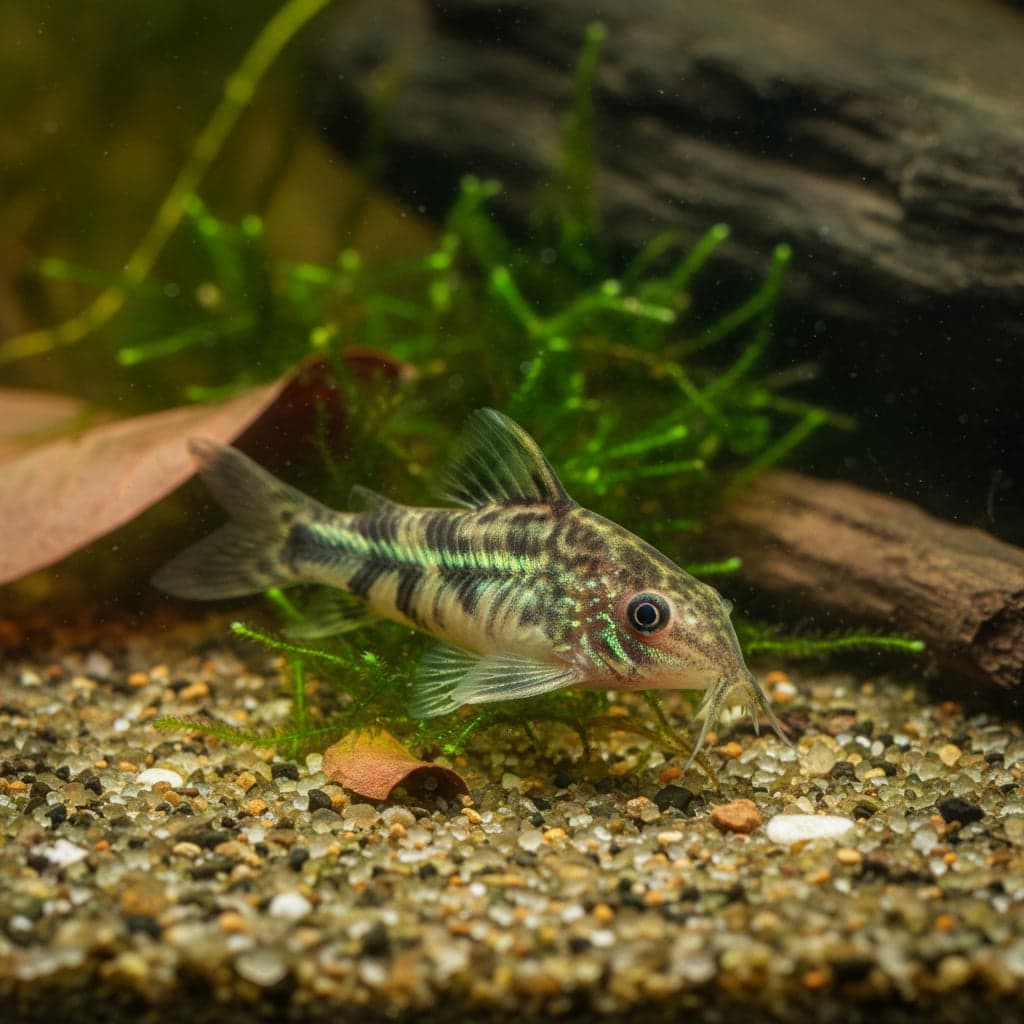
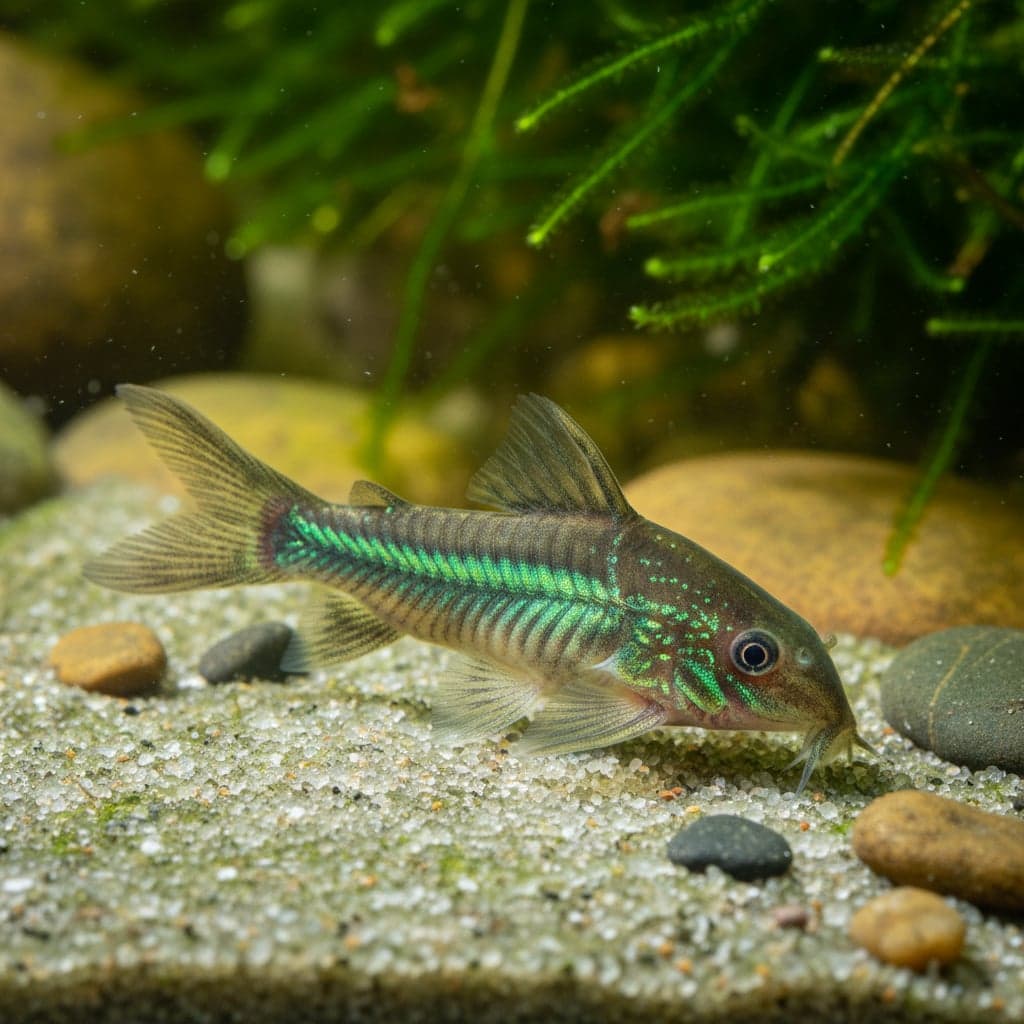
The Pastaza Cory, scientifically known as Corydoras pastazensis, is a captivating freshwater fish renowned for its unique coloration and lively nature. This species showcases a combination of vibrant yellow and black patterns, easily distinguishing it from other corydoras species. Typically, they exhibit a light yellow or golden body adorned with distinctive dark spots or stripes, particularly along their sides and dorsal fins. Their charming appearance, coupled with their peaceful demeanor, makes them a favorite among both novice and seasoned aquarists.
Beyond their aesthetic appeal, Pastaza Corys hold significant importance in the aquarium hobby, acting as exceptional scavengers and beneficial members of a community tank. They are known for their playful interactions and fascinating behaviors, which add dynamic interest to any aquarium setting. This species is also relatively hardy, making it an excellent choice for those looking to establish a lively and visually diverse tank. Their presence not only enhances the beauty of an aquarium but also contributes to a balanced aquatic ecosystem.
Natural Habitat & Origin
Pastaza Corys are native to the river basins of the Pastaza River in Ecuador, a region characterized by its lush vegetation and rich biodiversity. This species primarily inhabits slow-moving waterways, including swamps and floodplains, where they thrive in a soft substrate comprised of sand and leaf litter. The natural waters in which they exist are typically acidic to neutral, with a dark, tannin-rich composition created by the abundant leaf litter and decaying organic matter. This unique blackwater environment provides essential nutrients and shelter, making it an integral aspect of their aquatic life.
The environment is often densely populated with various plants, driftwood, and other natural structures, which offer ample hiding spots and foraging opportunities for the Pastaza Cory. Such natural habitats contribute to their adaptive behaviors and are critical for health and well-being in captivity. Understanding their origin is essential for recreating their ideal conditions in an aquarium setting, ensuring a thriving population of this enchanting species.
Care Requirements
To successfully care for Pastaza Corys, specific water parameters should be maintained. The ideal temperature range is between 72°F and 78°F (22°C to 26°C), with a pH level of 6.0 to 7.5 and a hardness between 2 to 15 dGH. These conditions closely mimic their natural habitat, thus promoting their health and activity levels. A minimum tank size of 20 gallons is recommended, as this allows for adequate swimming space and the addition of compatible tank mates.
When setting up the tank, a soft substrate, such as fine sand, is ideal to prevent injuries to their sensitive barbels. The addition of live plants not only enhances the visual appeal but also provides hiding spots and foraging opportunities. Low to moderate lighting is preferred, as it mimics their natural environment, and should include shaded areas, achieved through plant placement or driftwood. A well-filtered tank is crucial, as Corydoras fish are sensitive to poor water quality; therefore, regular maintenance and water changes are imperative.
Diet & Feeding
Pastaza Corys are considered omnivores, thriving on a varied diet that includes high-quality flakes, pellets, frozen, and live foods. In their natural habitat, they forage on small invertebrates, decaying plant matter, and micro-organisms found in the substrate. To ensure optimal health and vibrancy, it's crucial to provide a balanced diet that mimics their natural feeding behavior. High-quality sinking pellets are particularly beneficial, as they encourage natural foraging behavior.
Supplementing their diet with frozen or live foods, such as bloodworms, brine shrimp, or daphnia, can enhance their nutritional intake and stimulate their activity levels. It is important to feed them small amounts multiple times a day rather than one large feeding to prevent overfeeding and maintain water quality. Providing a varied diet will help maintain their health, colors, and overall well-being.
Behavior & Temperament
Pastaza Corys are known for their social and active nature, often found in groups of five or more in their natural environments. They exhibit typical schooling behaviors, which are essential for their well-being, as they feel more secure and exhibit less stress when kept in groups. These fish tend to occupy the lower levels of the aquarium, where they can scavenge for food, but will occasionally venture higher during feeding time or exploration.
In terms of aggression, the Pastaza Cory is a peaceful species. They are non-aggressive and generally get along well with similar-sized tank mates. Their playful activity and curious demeanor make them a delight to observe, especially as they interact with one another and explore their environment. Adequate space and appropriate tank mates will ensure harmonious interactions among the community.
Tank Mates
Choosing compatible tank mates for the Pastaza Cory is crucial for maintaining a peaceful aquarium environment. Compatible species include other corydoras species such as the Pygmy Cory or Bronze Cory, peaceful tetras like Neon Tetras or Rummy Nose Tetras, and small rasboras. Additionally, larger peaceful fish like guppies and platies can coexist harmoniously with Pastaza Corys.
It is advisable to avoid aggressive or overly territorial species such as cichlids, larger barbs, or fish that tend to nip at fins. Species that thrive in similar water conditions and have a non-aggressive temperament will create a balanced community and ensure that the Pastaza Corys can exhibit their natural behaviors without stress.
Breeding
Breeding Pastaza Corys in captivity can be a rewarding endeavor for fish enthusiasts. To encourage spawning, it is essential to create optimal conditions that mimic the fish's natural breeding environment. This includes maintaining slightly cooler water temperatures (around 68°F to 72°F) and recognizing the importance of a varied diet rich in protein to stimulate breeding readiness.
Spawning typically occurs in the early morning hours when a pair will engage in a courtship dance before laying eggs. Females often lay eggs on flat surfaces, such as smooth stones or broad-leaved plants. After spawning, it is advisable to remove the adult fish to prevent them from eating the eggs, which usually hatch within 3 to 5 days. Providing adequate aeration and maintaining stable water conditions will support the growth of the fry, which can be fed infusoria or finely crushed flakes until they are large enough to eat more substantial foods.
Common Health Issues
Like many aquarium fish, Pastaza Corys can be susceptible to specific health issues if proper care and conditions are not maintained. Common issues include ich (white spot disease), fin rot, and various forms of stress-related ailments due to poor water quality or inappropriate tank mates.
To prevent these health issues, maintaining high water quality through regular changes and monitoring water parameters is essential. Quarantining new fish before introduction helps reduce the risk of introducing diseases into the established tank. Additionally, practicing proper feeding techniques, avoiding overfeeding, and keeping the tank environment clean will contribute significantly to the overall health of Pastaza Corys and other tank inhabitants. Regular monitoring for signs of illness will aid in early detection and treatment, ensuring the longevity and vitality of this delightful species.