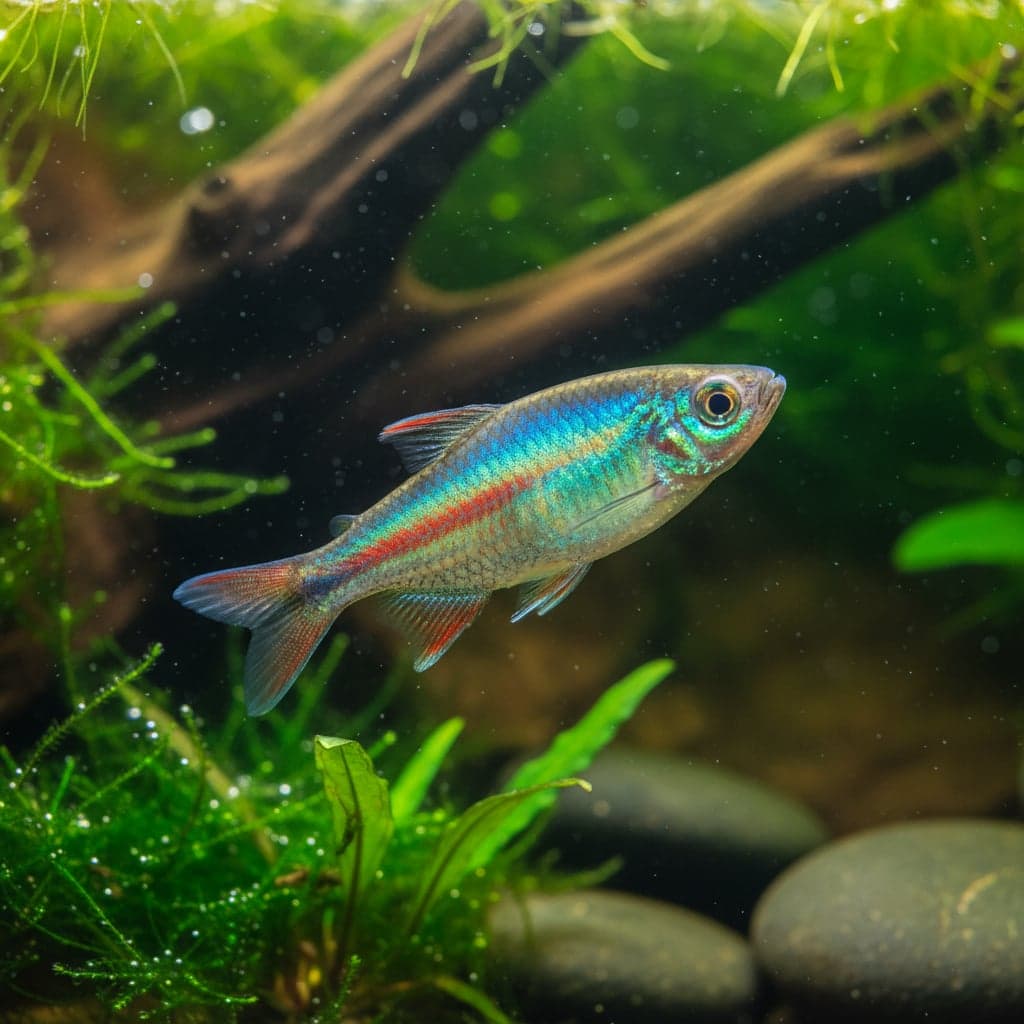
Peacock Gudgeon: Tateurndina ocellicauda
A spectacularly colored, peaceful nano fish from Papua New Guinea featuring bright blue and pink vertical stripes.

Peacock Gudgeon
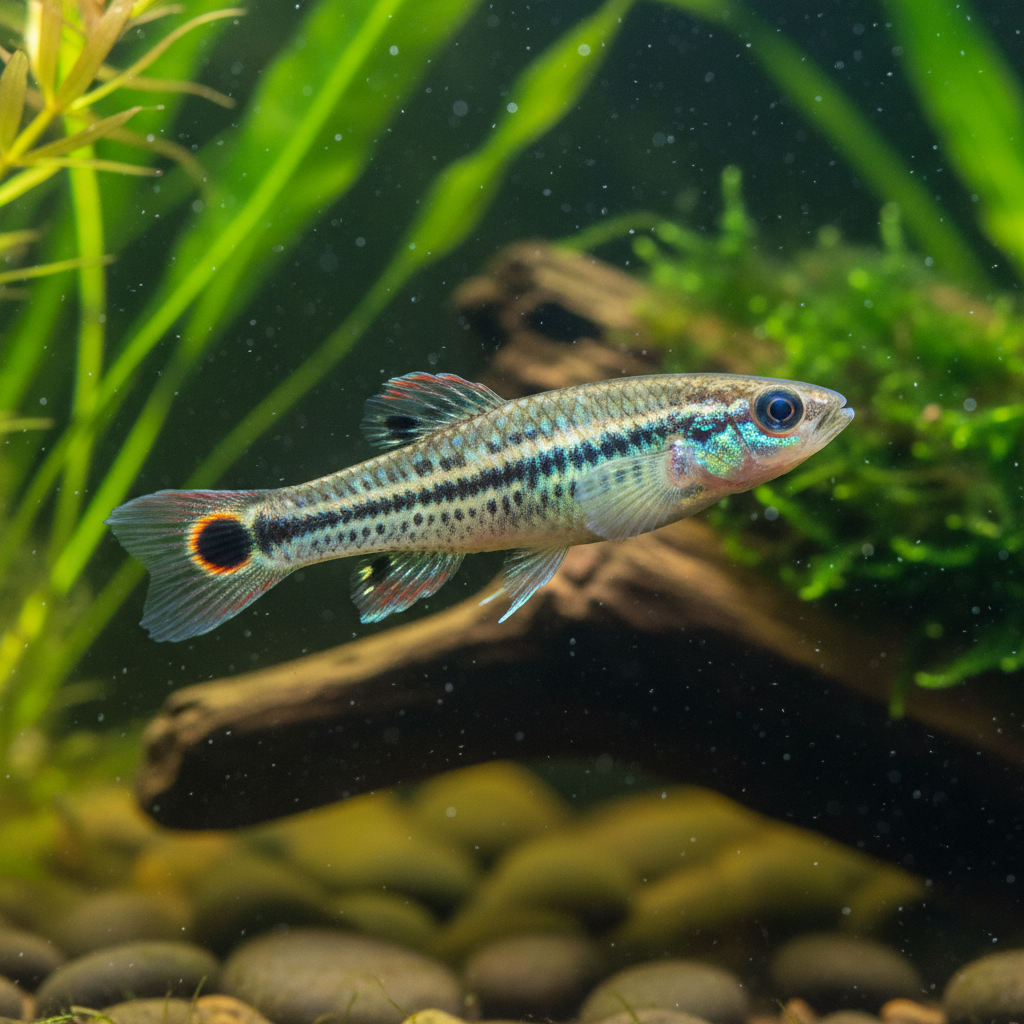
The Peacock Gudgeon (Tateurndina ocellicauda) is a visually stunning freshwater fish that captivates aquarists with its unique coloration and elegant movements. Originating from the rivers of Papua New Guinea, this fish showcases a striking combination of vibrant blues, yellows, and reds, particularly in male specimens, which develop more pronounced colors during the breeding season. Its remarkable appearance and relatively peaceful nature make it a prized addition to community aquariums, where they thrive in a variety of setups. Known for their darting motion and playful demeanor, Peacock Gudgeons exhibit an endearing charm that has earned them a devoted following among fish enthusiasts.
In addition to its aesthetic appeal, the Peacock Gudgeon holds significance in the aquarium hobby due to its manageable size and easy care requirements. Typically reaching a length of about 2 to 3 inches, they can comfortably inhabit smaller tanks, making them ideal for aquarists with limited space. Their interesting behaviors, like their tendency to hover or swim near the bottom of the aquarium while occasionally exploring higher levels, enrich the tank's ecosystem. Due to their compatibility with a wide variety of tank mates, they provide an opportunity for aquarists to create colorful and dynamic aquatic communities.
Natural Habitat & Origin
Peacock Gudgeons are native to the freshwater rivers and streams of Papua New Guinea, particularly known to inhabit the coastal regions of the island of New Guinea. These environments are typically characterized by slow-moving waters that are rich in vegetation and organic matter. The fish thrive in blackwater systems, where the water is tinted from the decaying leaves and plant material, resulting in low pH levels and softer water conditions. Such environments are incredibly biodiverse, providing the ideal setting for the Peacock Gudgeon to develop its vibrant colors and unique behaviors.
The natural habitats of the Peacock Gudgeon also present a variety of shelters, including submerged roots and dense aquatic plants, which provide safety from predators. As a species that prefers calm and shallow waters, they often seek solace among the thick cover and substrate found in the bottom layers of their habitat. This ecological context informs the necessary elements required to replicate their natural conditions in captivity, ensuring optimal health and wellbeing for these intriguing fish.
Care Requirements
When setting up an aquarium for Peacock Gudgeons, specific water parameters and tank features are vital for their health and happiness. The ideal pH for these fish ranges from 6.0 to 7.5, with a temperature of 75°F to 82°F, and a hardness level of 2 to 12 dGH. These conditions mimic their natural blackwater habitat, helping to maintain their vibrant coloring and activity levels. A minimum tank size of 20 gallons is recommended, providing enough space for swimming and exploring.
For substrate, soft sand or fine gravel is ideal, as it prevents injury to their delicate bodies. Lighting should be soft to moderate, perhaps provided by a planted backdrop that not only enhances the aesthetic appeal but also offers hiding spots essential for their security. Aquatic plants, such as Java fern or Anubias, combined with driftwood and leaf litter, will create a naturalistic environment that mimics their native waters. This setup fosters a healthy, stress-free environment conducive to the well-being of the Peacock Gudgeon.
Diet & Feeding
Peacock Gudgeons are omnivorous and enjoy a varied diet that helps them flourish in the aquarium environment. In captivity, it is important to provide them with high-quality flakes or small pellets designed specifically for tropical fish to meet their nutritional requirements. While they will readily accept these prepared foods, incorporating live or frozen options such as brine shrimp, daphnia, or bloodworms can enhance their diet and promote health. Feeding them 2-3 times a day ensures they receive adequate nutrition and stimulation while allowing some variety in their menu.
Offering a diverse diet not only benefits the health of Peacock Gudgeons but also encourages their natural behaviors, such as foraging and hunting. It is important to avoid overfeeding, as these fish can become prone to health issues related to excess waste accumulation in the tank. Ensuring a balanced diet and regularly cleaning the tank will maintain optimal water quality and keep these aquatic beauties thriving.
Behavior & Temperament
The Peacock Gudgeon is known for its peaceful demeanor and generally friendly behavior, making it a wonderful addition to community tanks. While they are not schoolers and do not require a specific number of tank mates, they may benefit from being kept in small groups or pairs to exhibit their natural behaviors and reduce stress. They typically establish a hierarchy within their group, with males often becoming territorial during the breeding season, but aggression levels are relatively low.
These fish have a unique swimming style, often hovering near the substrate before swimming up to the middle or top levels of the tank in search of food. Their curiosity drives them to explore their environment, making well-planted tanks particularly engaging for them. Peacock Gudgeons exhibit a fascinating behavior called "disappearing," where they blend into their surroundings when threatened or startled, showcasing their need for cover and peace within their habitat.
Tank Mates
When selecting tank mates for Peacock Gudgeons, it’s important to consider species that share similar water parameter requirements and have a non-aggressive temperament. Compatible species include small community fish such as Rasboras, Tetras (particularly small varieties like Neon Tetras), and small Catfish (like Corydoras). Dwarf Gouramis can also coexist peacefully with Peacock Gudgeons and enhance the aquarium's visual dynamics.
Conversely, it is advisable to avoid larger or aggressive species that may outcompete them for food or become territorial. Fish such as Cichlids, Betta Fish, and any large or boisterous species should be excluded from their community tank. Avoiding aggressive fish ensures a harmonious aquarium environment where Peacock Gudgeons can thrive and showcase their unique behaviors.
Breeding
Breeding Peacock Gudgeons can be a rewarding experience for aquarists who provide the right environment and conditions. These fish are egg layers, typically spawning on flat surfaces such as leaves or stones in the aquarium. To successfully initiate breeding, it is important to maintain optimal water conditions, including a temperature range of 78°F to 82°F and a pH around 6.5. Additionally, offering plenty of hiding places and flat surfaces mimicking their natural spawning habitats will encourage breeding behavior.
Once courtship begins, males will display colorful patterns to attract females. Breeding pairs may be observed engaging in vibrant dance-like displays before spawning, often producing a clutch of up to 100 eggs. In some cases, males will take on the role of guarding the fry once they hatch, indicating their commitment to parental care. Providing a separate breeding tank or removing other tank mates during this time will further enhance the chances of successful breeding and fry survival.
Common Health Issues
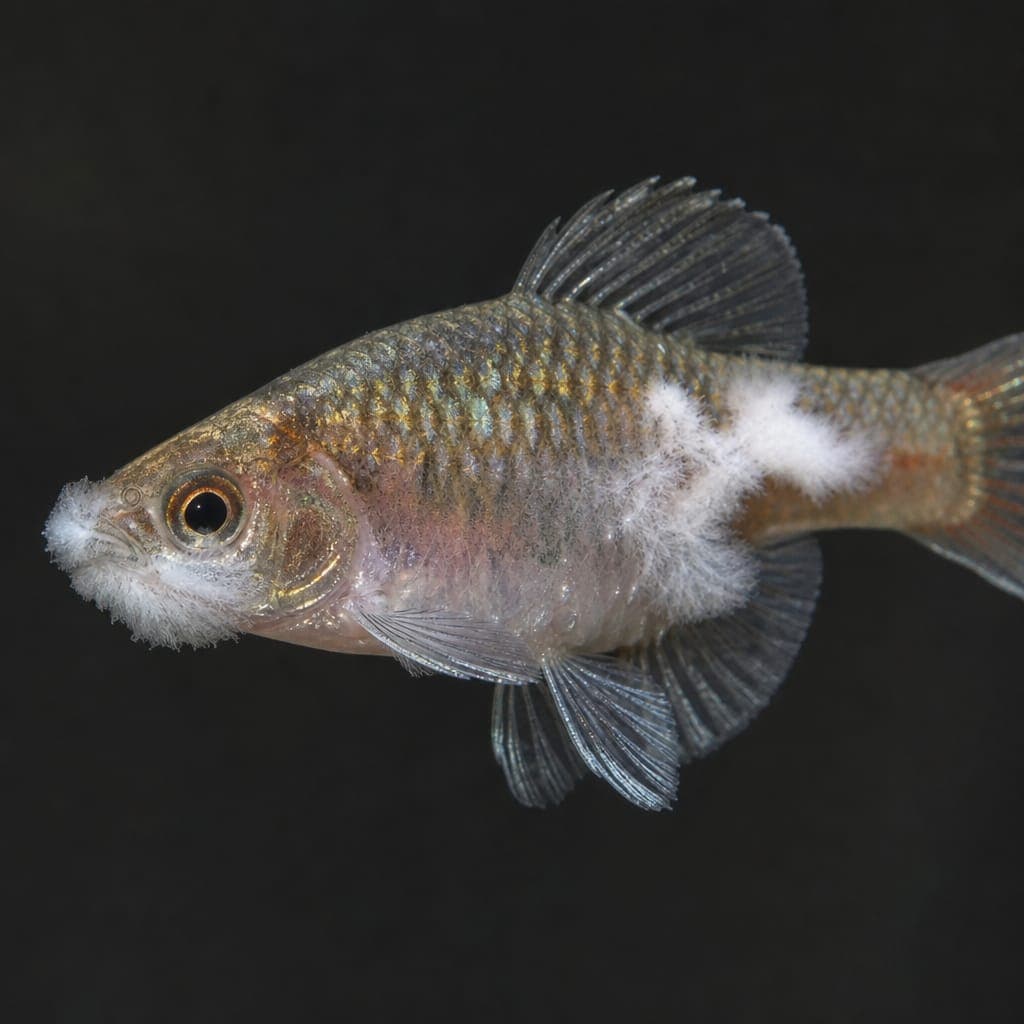
Peacock Gudgeons, while generally hardy fish, can be susceptible to several common health issues usually related to water quality and dietary deficiencies. The most prevalent concerns include Ichthyophthirius multifiliis (Ich), which manifests as white cysts on the fish's body, and fungal infections influenced by poor water conditions. Maintaining excellent water quality through routine changes and testing will significantly reduce the likelihood of these diseases.
Preventive measures include regularly monitoring water parameters and being cautious regarding overfeeding and sudden parameter swings. Quarantine new arrivals, offer a varied diet, and act quickly at the first sign of white spots or lethargy. With stable conditions and low stress, Peacock Gudgeons remain colorful, healthy aquarium fish for years.