Red Gecko Loach: Homaloptera confuzona
A deeply patterned, highly specialized hillstream loach resembling a gecko that clings powerfully to rocks in torrential rapids.
Red Gecko Loach
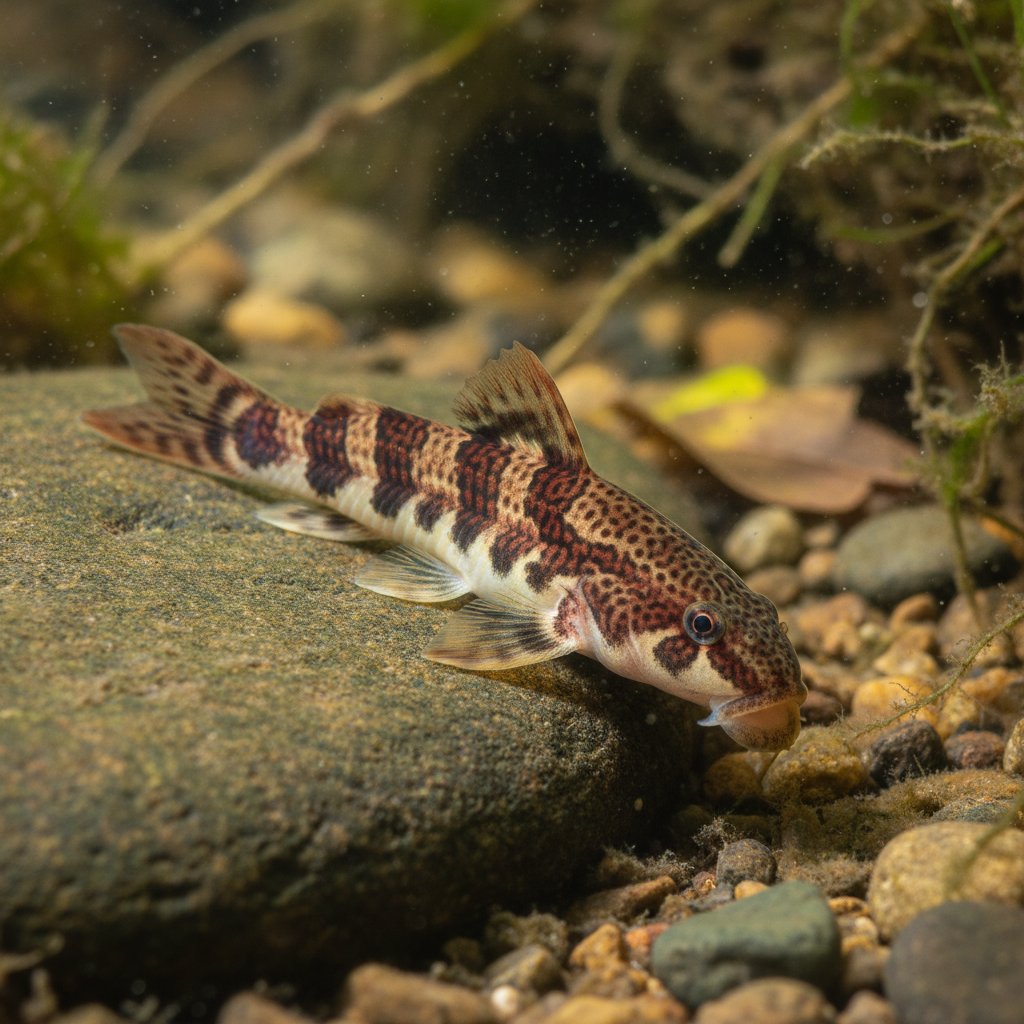
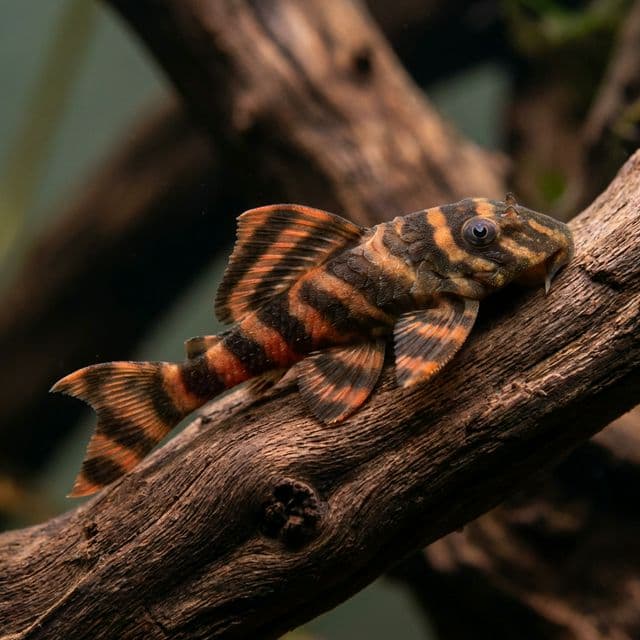
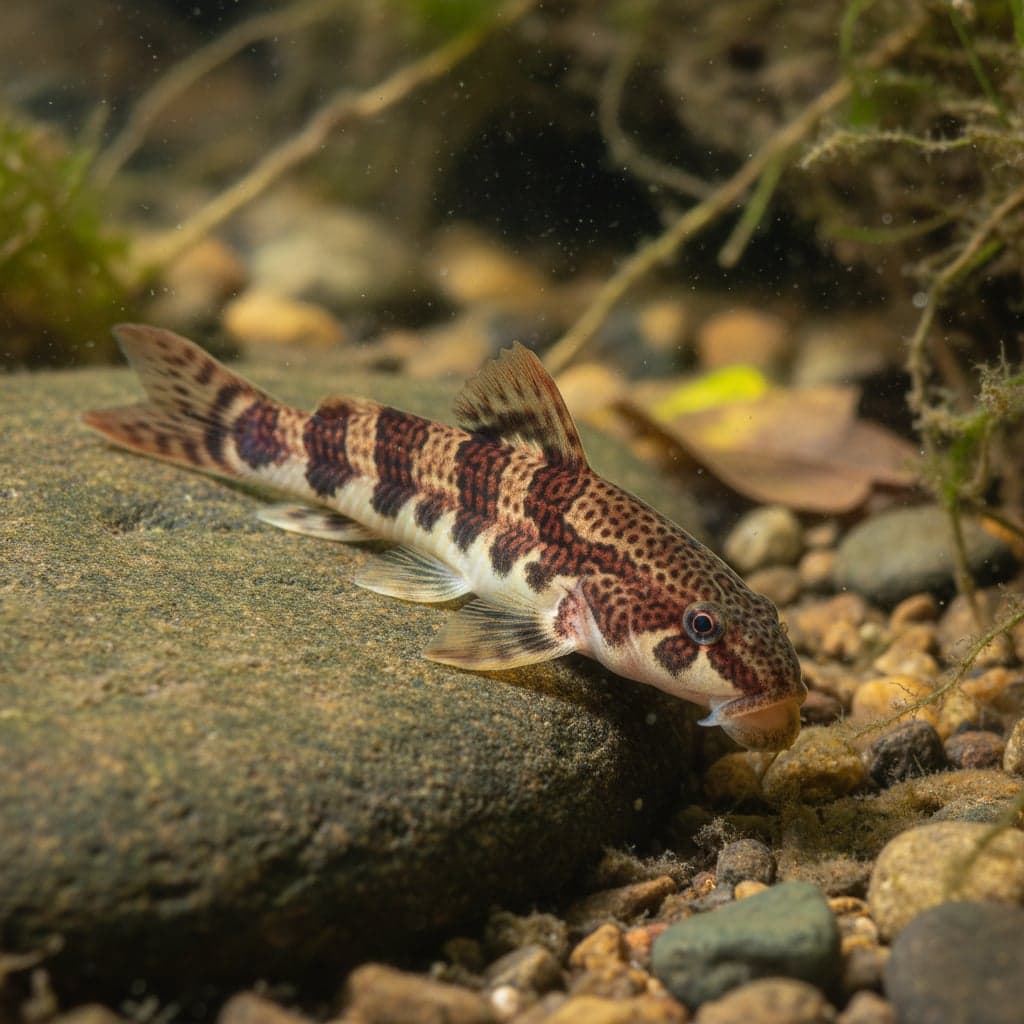
The Red Gecko Loach, scientifically known as Homaloptera confuzona, is a strikingly attractive freshwater fish that captivates aquarists with its vibrant colors and unique behavioral traits. Characterized by its slender body and intricate patterning, this fish displays a beautiful blend of reddish and brown hues, which helps it blend into its natural aquatic environment. Its mildly transparent fins further enhance its visual appeal, making it a coveted choice for planted aquariums and biotope setups. Beyond its aesthetic allure, the Red Gecko Loach serves an important role in the aquarium hobby, as it is known for its peaceful nature and adaptability to a range of tank conditions.
In addition to its beauty, the Red Gecko Loach contributes significantly to the ecological balance in the aquarium. This bottom-dwelling fish is renowned for its ability to scavenge and consume leftover food, thus helping maintain water quality and reduce waste buildup. As more aquarists become aware of the importance of biodiversity in aquarium setups, the popularity of this species continues to grow. Certainly, the Red Gecko Loach is more than just a pretty face; it is a fundamental aspect of many peaceful community tanks where both aesthetics and function matter.
Natural Habitat & Origin
The Red Gecko Loach originates from the rich, biodiverse waters of Southeast Asia, predominantly found in regions such as Thailand and parts of Malaysia. It inhabits lowland rivers, streams, and swamps characterized by slow-moving waters. These environments are typically shallow, with a substrate composed of soft mud, sand, and leaf litter. The natural habitat of the Red Gecko Loach is predominantly blackwater, an acidic water type that is darkened by organic materials like decomposing leaves and wood. This specific environment plays a crucial role in the loach’s survival, providing it with a rich source of microorganisms and detritus that form the cornerstone of its diet.
These aquatic regions are often densely vegetated, offering ample hiding spots and breeding grounds. The combination of soft water, adequate hiding places, and abundant food sources contributes to the health and longevity of the Red Gecko Loach in its natural habitat. Understanding this ecological backdrop is essential for aquarists aiming to recreate a suitable environment for these beautiful fish in captivity.
Care Requirements
To ensure the well-being of the Red Gecko Loach in an aquarium setting, meticulous attention must be paid to water parameters. The ideal pH level ranges between 6.0 and 7.0, with a temperature between 24°C and 28°C (75°F to 82°F). Additionally, the hardness should be soft to moderately hard, ideally around 5 to 12 dGH. These conditions mimic its native blackwater habitat and are essential for the fish's overall health and vitality.
When setting up the tank, a minimum size of 20 gallons is recommended to provide adequate swimming and hiding space. Substrate options should include fine sand or soft, smooth gravel, allowing the loaches to forage naturally without risking injury. The lighting should mimic natural conditions — moderate to low lighting is preferable. Incorporating plenty of live plants such as Java moss and floating vegetation helps create a natural aesthetic and offers hiding spots for the loaches. Additionally, including driftwood and caves will not only enhance the tank's appearance but also provide necessary shelter and security for the Red Gecko Loach.
Diet & Feeding
The Red Gecko Loach is primarily omnivorous, thriving on a diverse diet that includes both plant and animal matter. In captivity, providing a balanced diet is crucial for maintaining the health and vibrancy of this species. High-quality sinking pellets, algae wafers, and specially formulated loach food are excellent staples for their diet. Additionally, offering a variety of frozen or live foods such as bloodworms, brine shrimp, and daphnia ensures that they receive essential nutrients and maintain optimal health.
While the Red Gecko Loach is capable of grazing on algae, it should not be solely dependent on this food source. It is essential to vary their diet to prevent nutritional deficiencies and promote overall well-being. Feeding should occur once or twice a day in small amounts, allowing the fish to consume everything within a short period and preventing uneaten food from polluting the aquarium.
Behavior & Temperament
The Red Gecko Loach displays fascinating social behavior, often forming small groups that foster a sense of security. These fish are naturally shy and prefer to spend their time foraging along the substrate or hiding among plants and decorations. In a well-planted aquarium, loaches feel more at ease, allowing their curious nature to emerge. Unlike some other species, the Red Gecko Loach is peaceful in temperament, making it an excellent addition to community tanks.
In terms of vertical placement, this species typically remains at the bottom of the aquarium but may occasionally explore higher levels. It is essential to provide ample hiding spaces to accommodate their natural behaviors, as these loaches can be sensitive to changes in their environment. They thrive in well-maintained aquariums with stable water parameters, which help mitigate stress and foster sociable interactions among tank mates.
Tank Mates
When considering tank mates for the Red Gecko Loach, it is important to choose species that share similar environmental preferences and temperaments. Compatible tank mates include peaceful community species such as tetras, rasboras, guppies, and other small catfish. Additionally, endlers and dwarf shrimp can cohabitate well, as their sizes and behaviors align with those of the loach.
Species to avoid include large, aggressive fish such as cichlids, which may pose a threat to the loach's well-being. Additionally, fast-swimming fish that might out-compete the loach for food should be avoided. A carefully chosen community of peaceful species will not only ensure the health of the Red Gecko Loach but also create a harmonious tank environment.
Breeding
Breeding the Red Gecko Loach in captivity presents several challenges, as they have specific requirements for spawning. To encourage successful breeding, it is essential to replicate their natural habitat closely. Creating a breeding tank with slightly softer and more acidic water can stimulate spawning behavior. The tank should be densely planted and have small caves or shelters to provide the loaches with suitable locations to lay eggs.
During breeding, males will display courtship behaviors, which may involve chasing and flaring their fins. Once the female is ready to spawn, she will release clusters of eggs, which are often attached to plant leaves or substrates. After spawning, it's recommended to separate the parents from the eggs, as they may consume them. The eggs will typically hatch within 3 to 5 days under ideal conditions. Raising the fry requires fine food such as infusoria or crushed flakes until they grow large enough to accept regular foods.
Common Health Issues
The Red Gecko Loach is relatively hardy but may be prone to specific diseases if not properly cared for. Common health issues include ich, fin rot, and internal parasites. Preventative measures include maintaining stable water quality, avoiding overstocking, and providing a varied diet to support immune health. Regular water changes, optimal filtration, and observing the fish for any signs of stress or disease are crucial aspects of good husbandry.
In case of an outbreak of diseases, prompt treatment with appropriate medications and establishing a quarantine tank for affected individuals can help mitigate the spread of illness. Additionally, ensuring that the aquarium is clean and free of uneaten food and decaying plant matter reduces pathogen load. Quarantine new arrivals before introducing them, and treat ich or fin rot promptly with loach-safe medications—avoid copper, which can harm nearly scaleless loaches. Watch for flashing, clamped fins, or lethargy, and intervene early. Stable soft water, a varied diet, and plenty of hiding spots keep Red Gecko Loaches healthy, curious, and active for years.