Redline Lizard Tetra: Iguanodectes geisleri
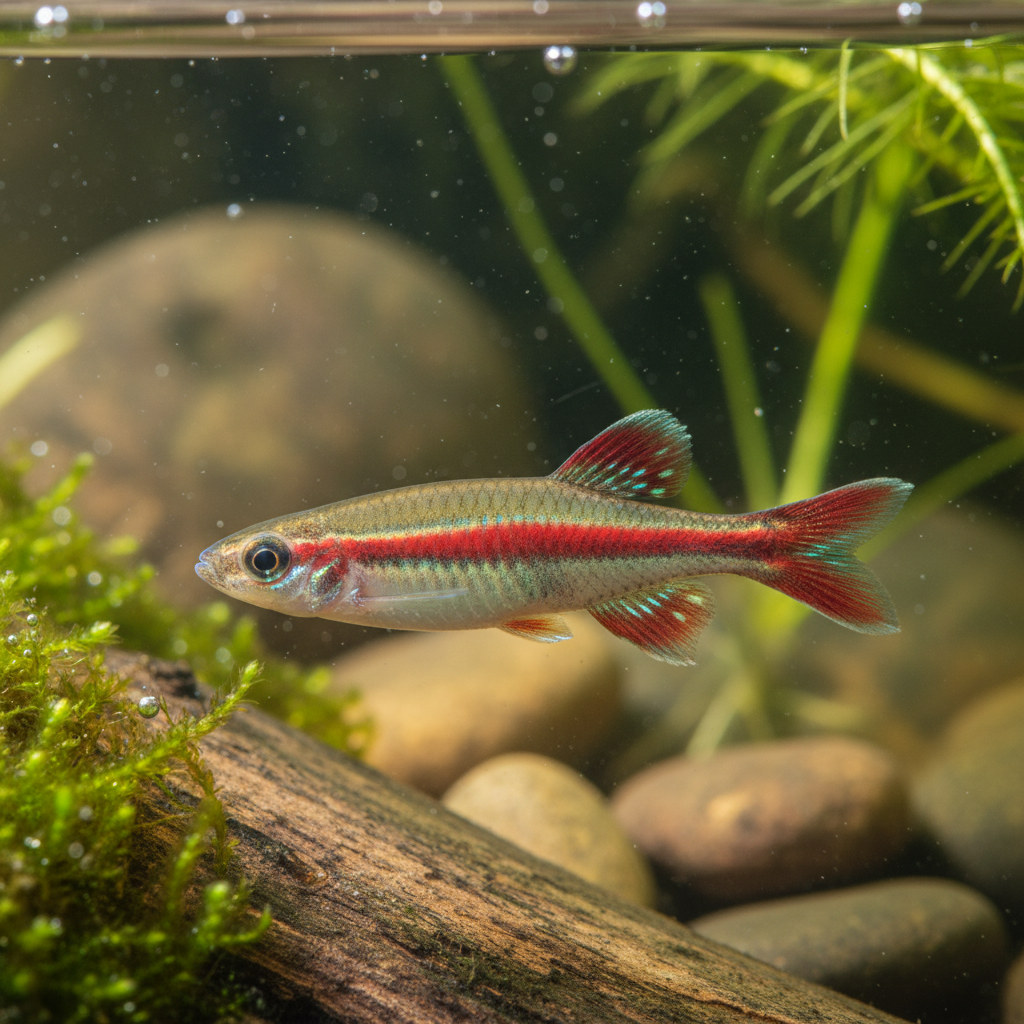
A deeply unusual, incredibly slender tetra entirely mimicking a tiny stick, featuring a neon red lateral line.
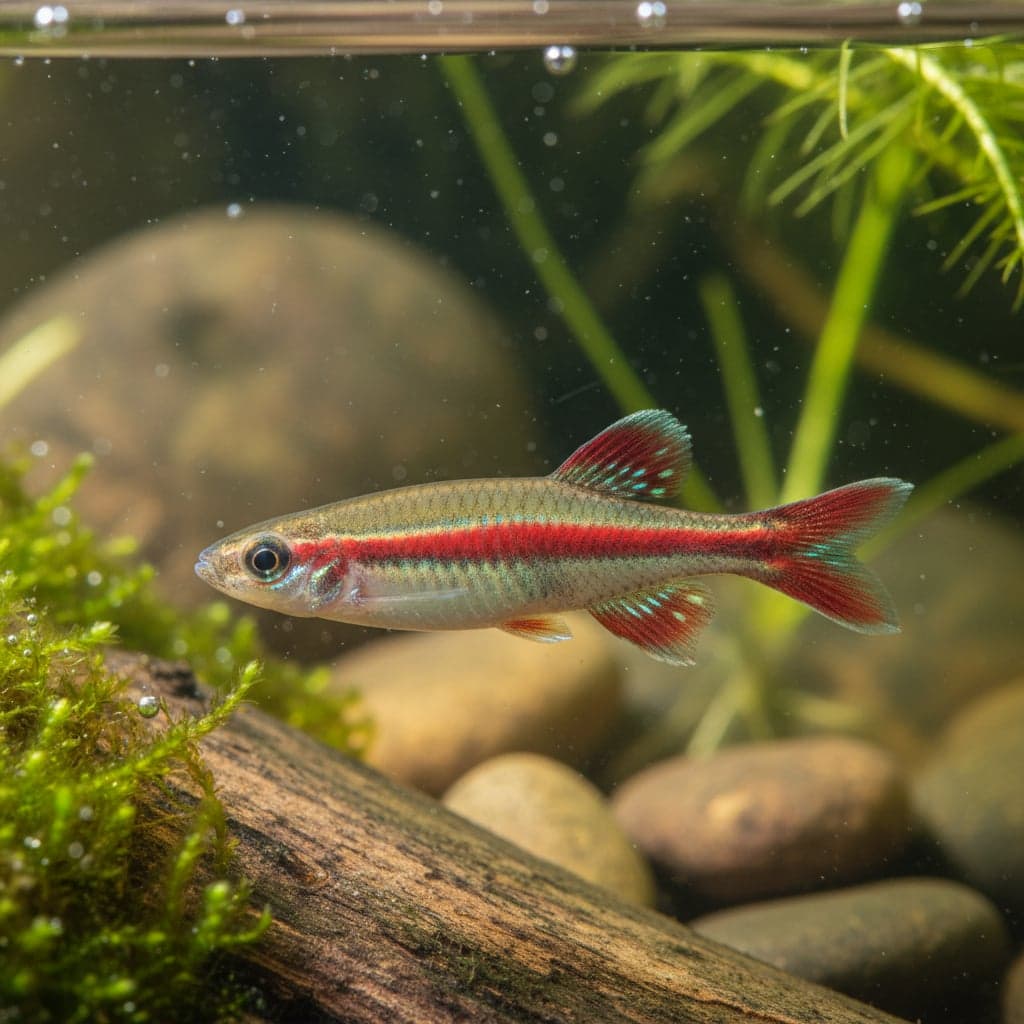
Redline Lizard Tetra
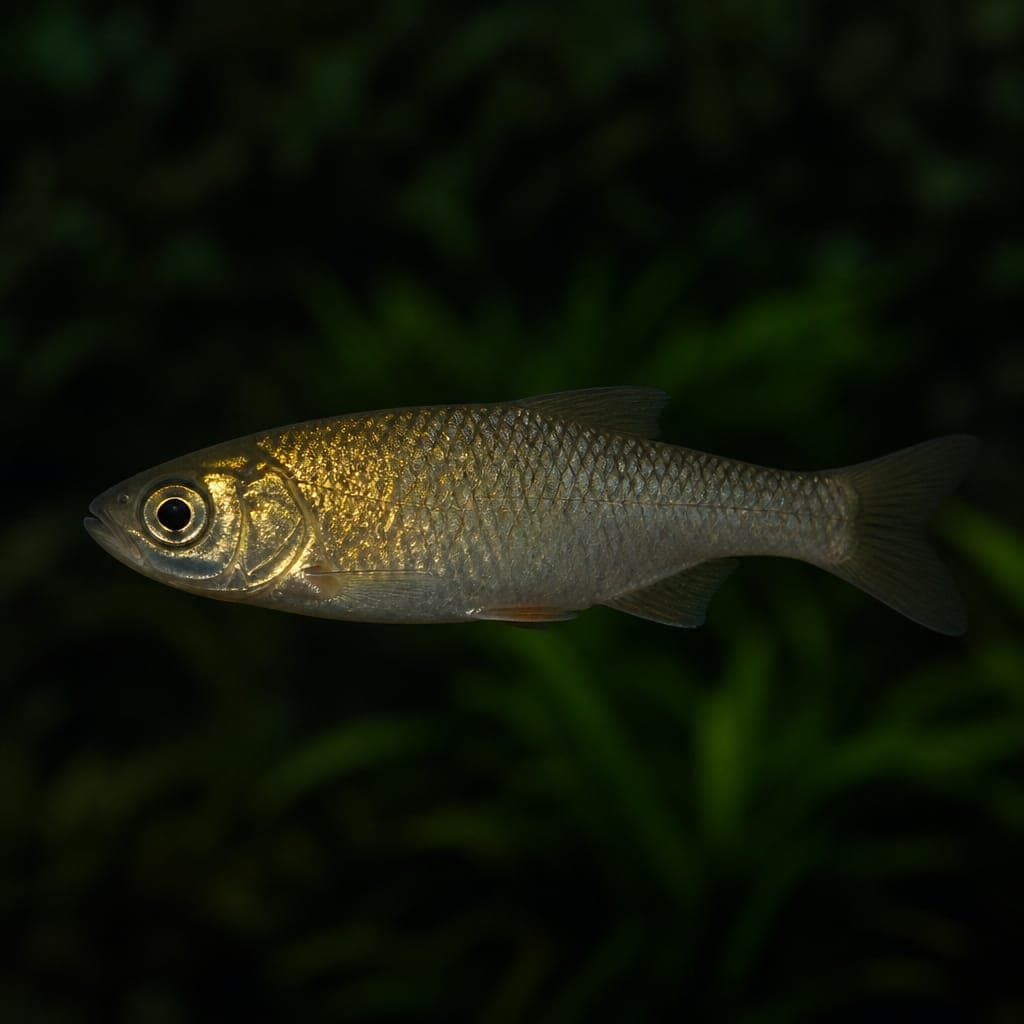
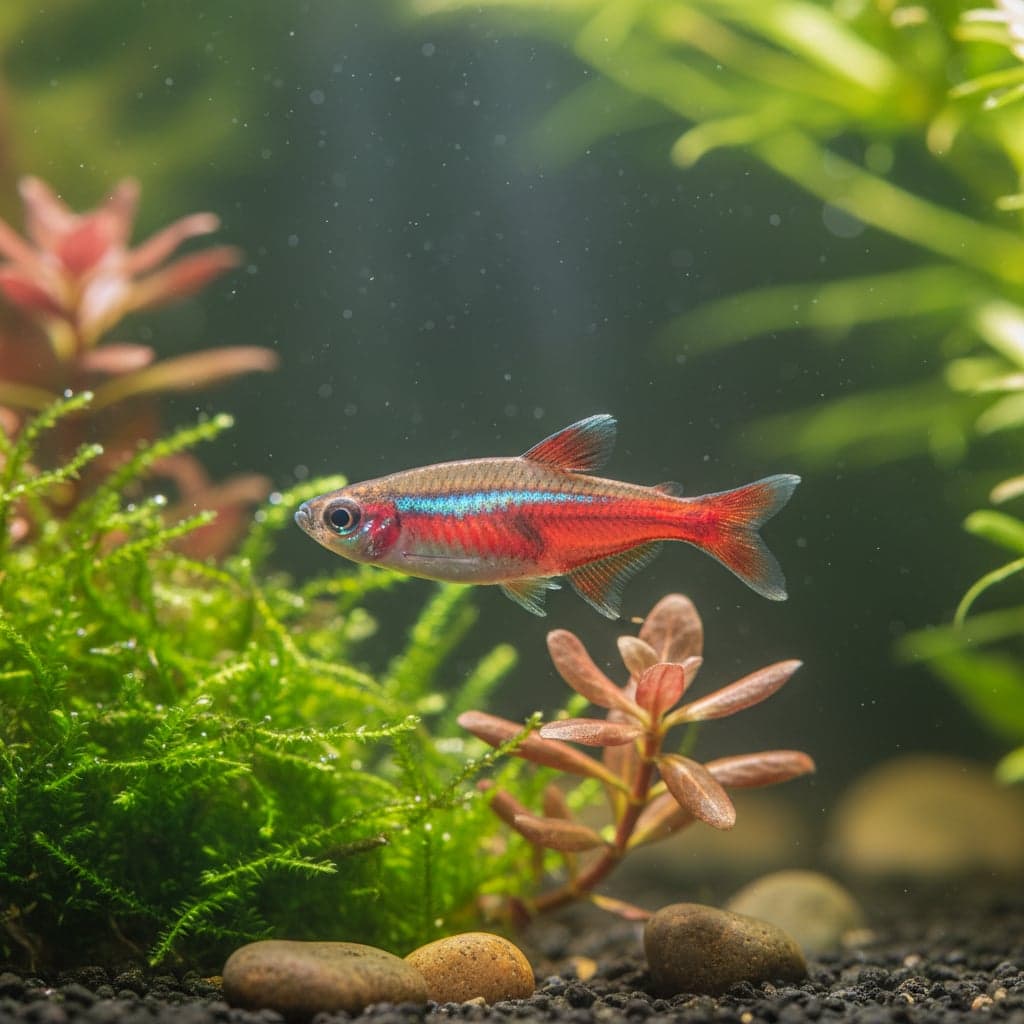
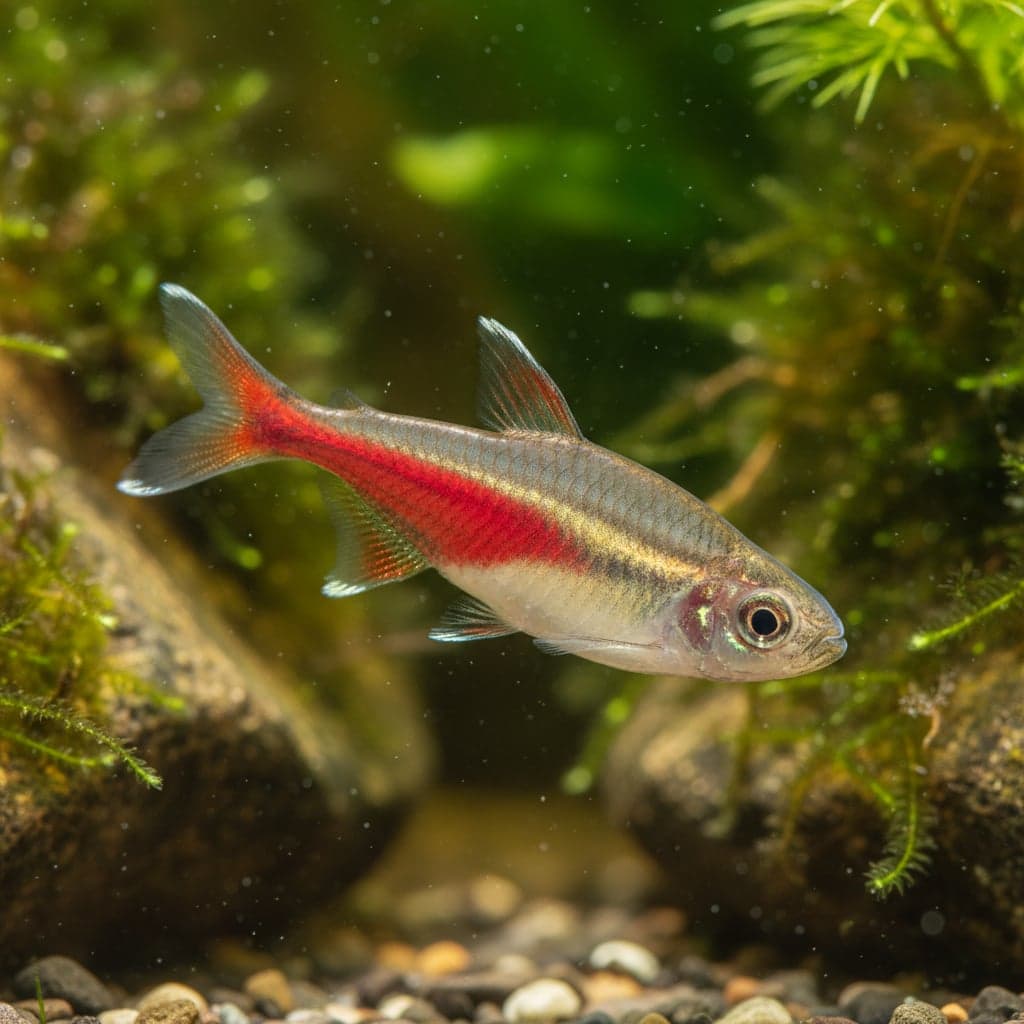
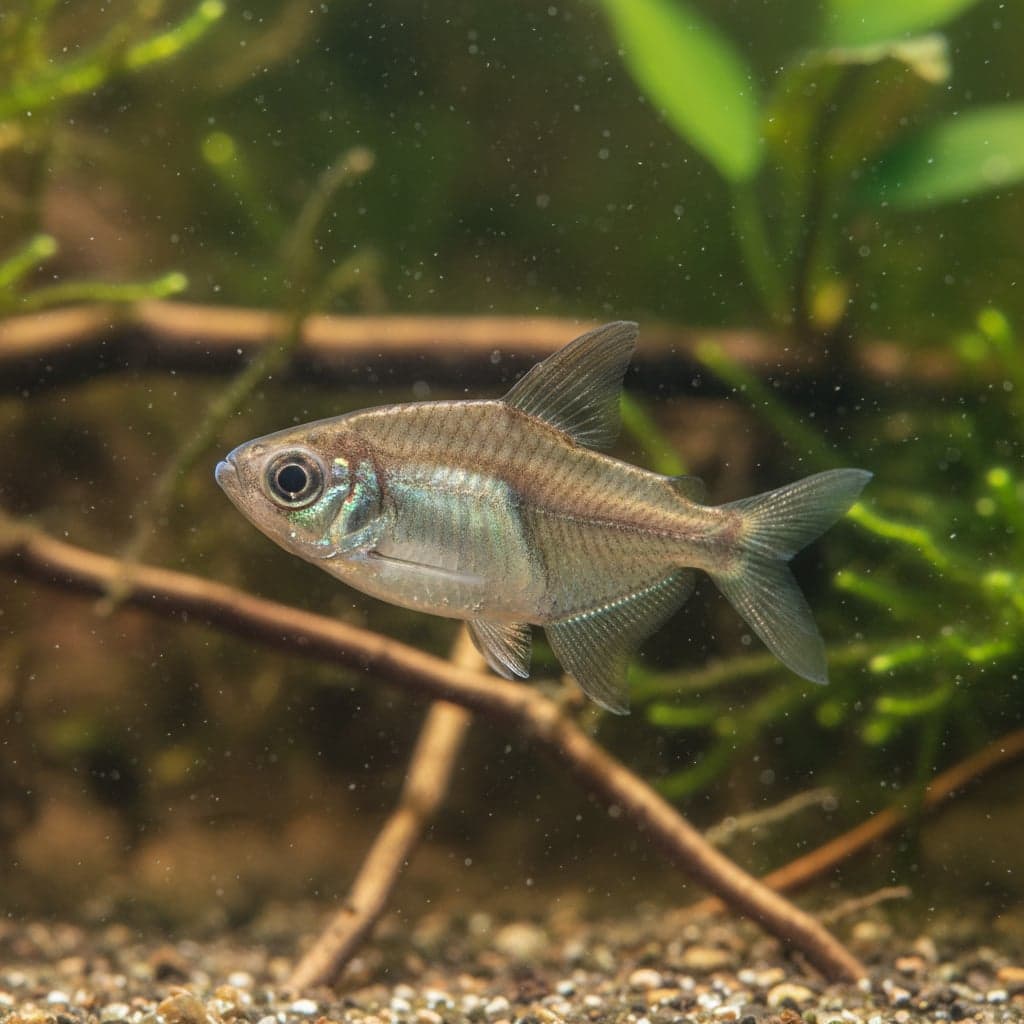
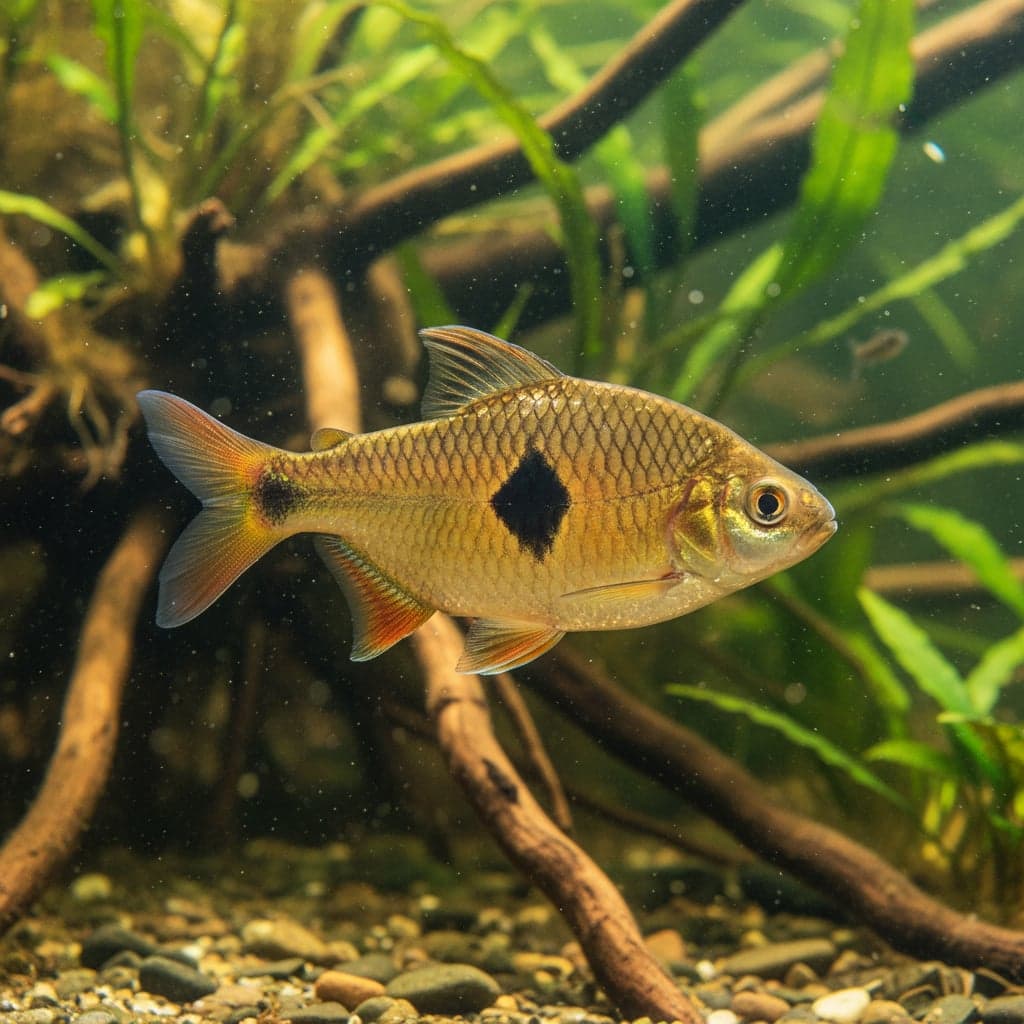
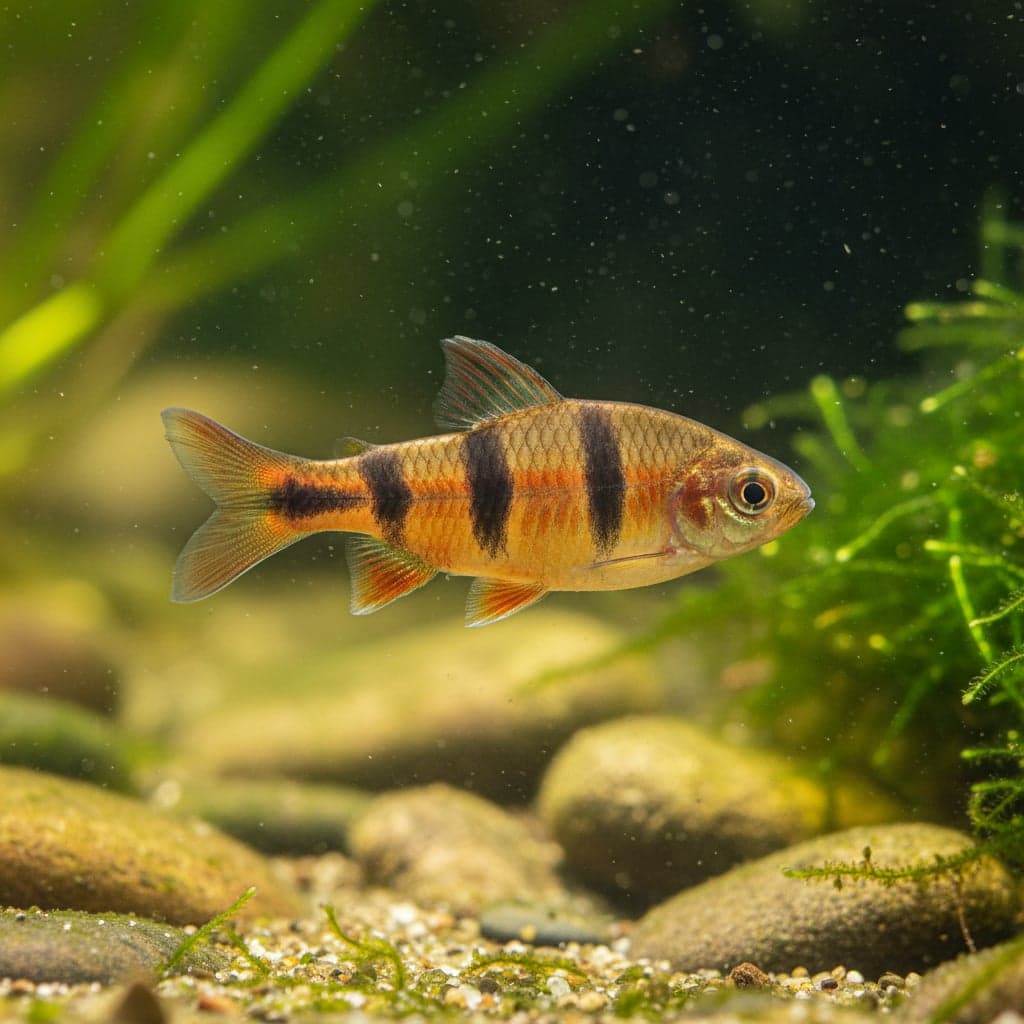
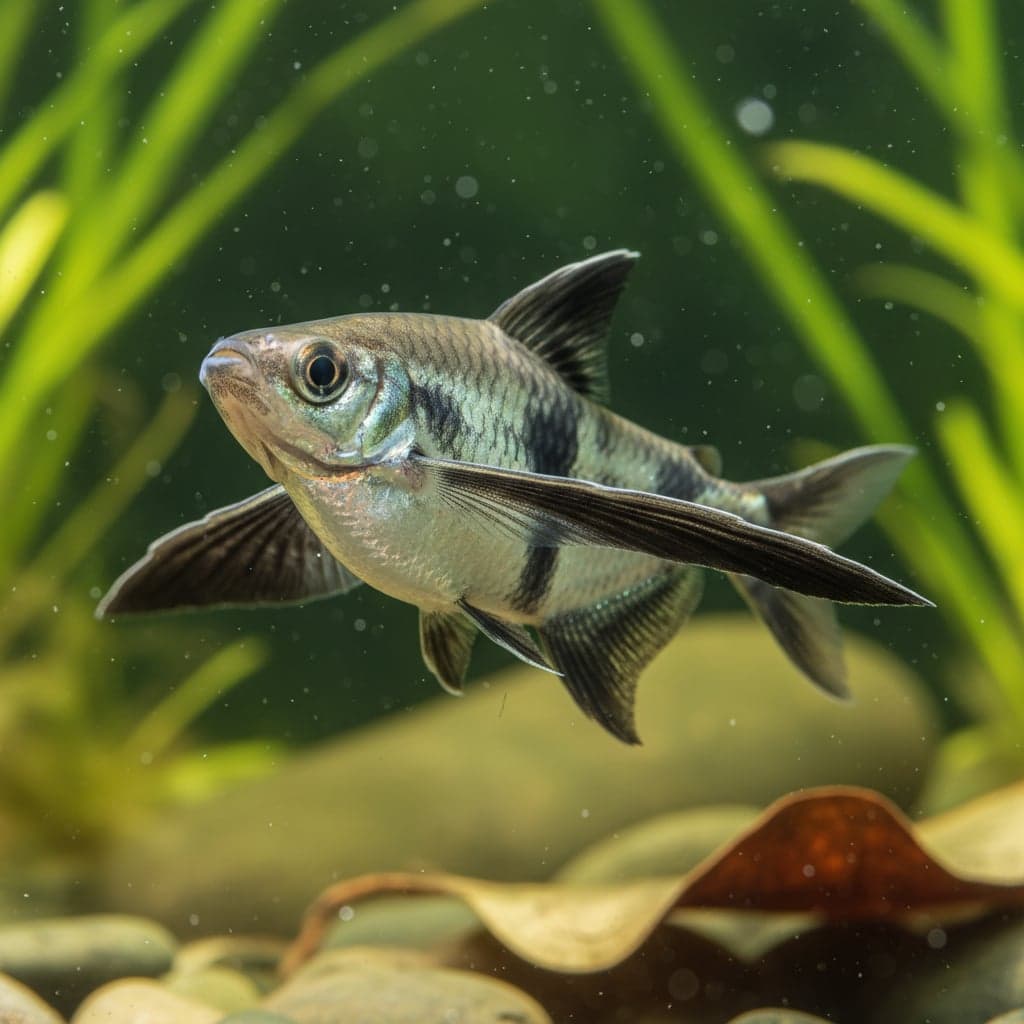
The Redline Lizard Tetra, scientifically known as Iguanodectes geisleri, is a unique and visually captivating freshwater fish that has gained popularity among aquarium enthusiasts. With its slender, elongated body and vibrant color palette, this species exhibits a striking appearance characterized by bright red horizontal lines running along its body and distinctive greenish-gold scales. These vibrant colors are accentuated by their lively behavior, making them one of the more eye-catching choices for a community aquarium. Originally discovered in the fish-rich waters of South America, the Redline Lizard Tetra offers both beauty and interest, drawing aquarists keen on breeding colorful and dynamic fish.
In addition to their aesthetic appeal, the Redline Lizard Tetra holds a significant place in the aquarium hobby due to their unique behaviors and social dynamics. They are known for their peaceful demeanor, making them excellent candidates for community tanks. These fish are active swimmers, often seen darting through the water and exploring their environment. The combination of their striking looks and compatible nature makes them a well-loved choice in aquariums, where they can flourish and contribute to the overall vibrancy of the tank's ecosystem.
Natural Habitat & Origin
The Redline Lizard Tetra is native to the slow-moving rivers and streams in the Amazon basin, predominantly found in Brazil. This environment typically consists of blackwater systems, characterized by dark, acidic water enriched with leaf litter, decaying plant material, and tannins that impart a unique hue to the water. The natural habitats of this species are often densely vegetated, providing plenty of hiding spots and places to explore. Understanding their natural environment is essential for aquarists who aim to replicate the conditions that promote optimal health and well-being in captivity.
The warm, soft water typical of their habitat is a crucial aspect of their ecological context. In the wild, these fish thrive in environments where the temperature ranges from 24°C to 28°C (75°F to 82°F), and the pH levels are usually softer, around 6.0 to 7.0. By mimicking these conditions, hobbyists can create an inviting environment that encourages natural behaviors and enhances the health of the Redline Lizard Tetra.
Care Requirements
To ensure the well-being of the Redline Lizard Tetra, specific care requirements must be met. Ideal water parameters include a pH level between 6.0 and 7.0, a temperature range of 24°C to 28°C (75°F to 82°F), and soft to moderately hard water with a hardness level between 3-10 dGH. Maintaining stable water conditions is crucial, as fluctuations can lead to stress and health issues.
For tank setup, a minimum tank size of 20 gallons is recommended to provide ample swimming space for these active fish. A soft substrate, such as sand or fine gravel, is ideal, as it mimics their natural environment and is gentle on their bodies. Additionally, incorporating plenty of live plants, driftwood, and rock formations creates hiding spots and enhances the aesthetic appeal of the aquarium. Moderate lighting should be used to replicate the dappled sunlight found in their natural habitat, while also allowing the plants to thrive and provide necessary oxygenation.
Diet & Feeding
The Redline Lizard Tetra is an omnivorous species that thrives on a varied diet. In captivity, they accept a wide range of food options, including high-quality flake foods, small pellets, frozen foods, and live foods. A balanced diet should include a mix of protein-rich foods such as brine shrimp, daphnia, and bloodworms to provide essential nutrients for growth and health. While they enjoy plant matter, it's important to offer a mix of protein and vegetable-based diets to ensure their overall well-being.
Feeding frequency can be tailored to the fish's age and size; typically, offering food once or twice a day is sufficient. It's essential to avoid overfeeding, as uneaten food can pollute the tank water and lead to health issues. A diverse diet not only enhances their natural colors but also promotes active behavior and vitality, ensuring these fish thrive in a home aquarium.
Behavior & Temperament
The Redline Lizard Tetra is renowned for its peaceful and sociable nature. These fish are highly active swimmers and thrive in schools of six or more, which helps reduce stress and encourages natural behaviors. They exhibit interesting social interactions, often engaging in gentle displays and swimming together in synchronized movements. When kept in a suitable group, they can become a dynamic focal point in a community aquarium.
While the Redline Lizard Tetra is generally non-aggressive, they may exhibit territorial behavior when kept in smaller groups. To minimize potential stress or aggression, it's advisable to provide them with ample space and hiding spots in the tank. They often occupy the middle to upper layers of the aquarium, showcasing their beautiful colors and lively movement.
Tank Mates
When selecting tank mates for the Redline Lizard Tetra, it's essential to choose species that share similar care requirements and temperament. Suitable companions include other peaceful species such as the Neon Tetra, Guppy, Corydoras Catfish, and various types of Rasboras. These fish complement the Redline Lizard Tetra's social nature, creating a harmonious community tank.
However, it's advisable to avoid keeping them with aggressive or overly large fish, such as Cichlids or larger Tetras, which may see the Redline Lizard Tetra as prey. Additionally, species known for fin-nipping should also be avoided, as the Redline Lizard Tetra's delicate fins can be easily damaged. Striking a balance between compatible species is key to ensuring a thriving community environment.
Breeding
Breeding Redline Lizard Tetras in captivity can be a rewarding experience for aquarists, but it requires specific conditions. The first step is to ensure that you have a well-established breeding pair, typically achieved by keeping a small group of six or more fish to encourage natural pair bonding. When ready to spawn, males will display vibrant colors and pursue the females around the tank.
The ideal conditions for breeding include ensuring soft, acidic water (pH 6.0 to 6.5) and a temperature of around 28°C (82°F). A separate breeding tank with dense vegetation, such as Java moss or spawning mops, helps create a suitable environment for the eggs. After spawning, which occurs during early morning hours, the adults should be removed to prevent them from eating the eggs. The eggs will typically hatch within 24-48 hours, and the fry can be fed infusoria or finely crushed flakes until they mature.
Common Health Issues
While the Redline Lizard Tetra is generally hardy, they may be susceptible to several common health issues if not properly cared for. Among these are Ich (Ichthyophthirius multifiliis), fin rot, and velvet disease. Maintaining clean water, stable parameters, and a well-balanced diet can significantly reduce the risk of these diseases.
Preventative measures include regularly checking water quality, performing routine water changes, and avoiding overstocking the tank. Quarantining new arrivals before introducing them to the main tank is also crucial in preventing potential pathogens from entering the established ecosystem. It is essential for aquarists to remain vigilant regarding the health of their fish and to intervene promptly when symptoms appear.