Rosy Loach: Petruichthys sp. ‘Rosy’
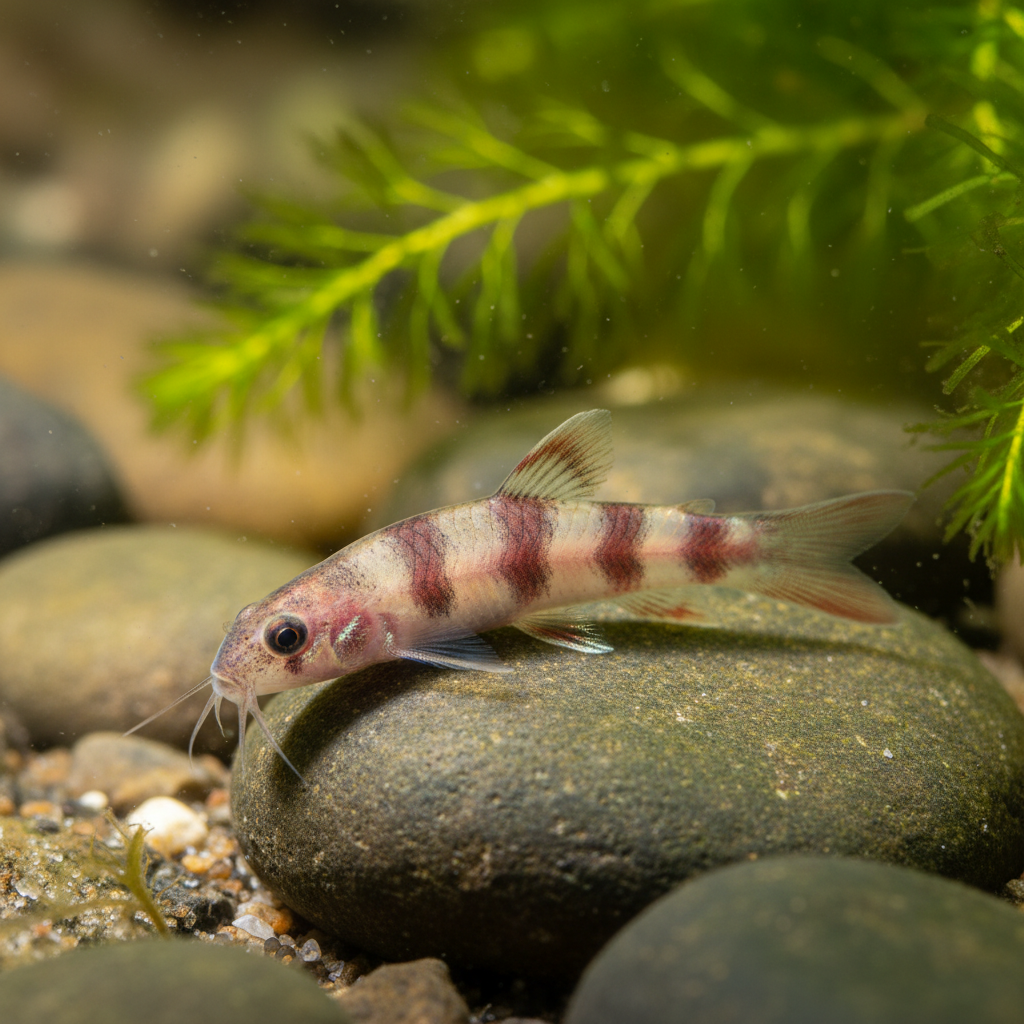
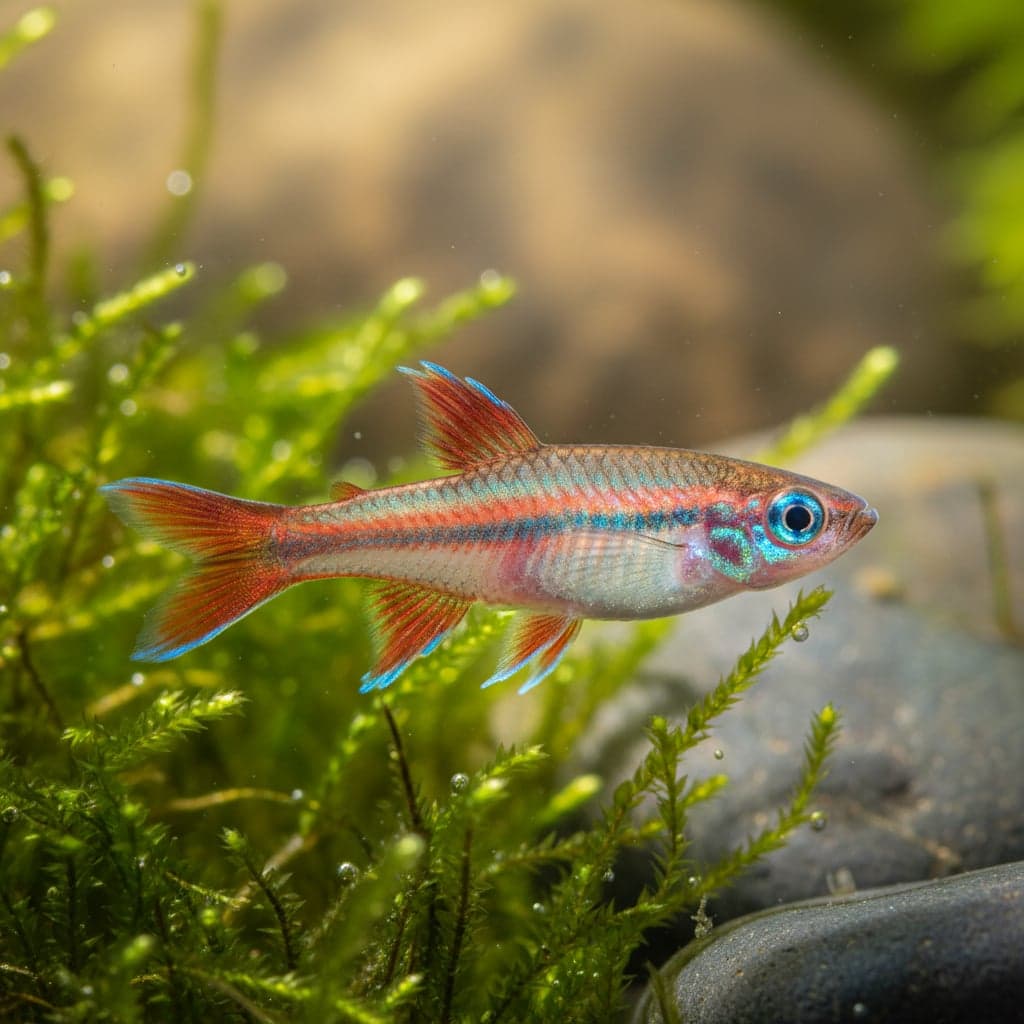
A spectacularly tiny, deeply orange-pink nano-loach known for endlessly hovering in the middle of the water column.
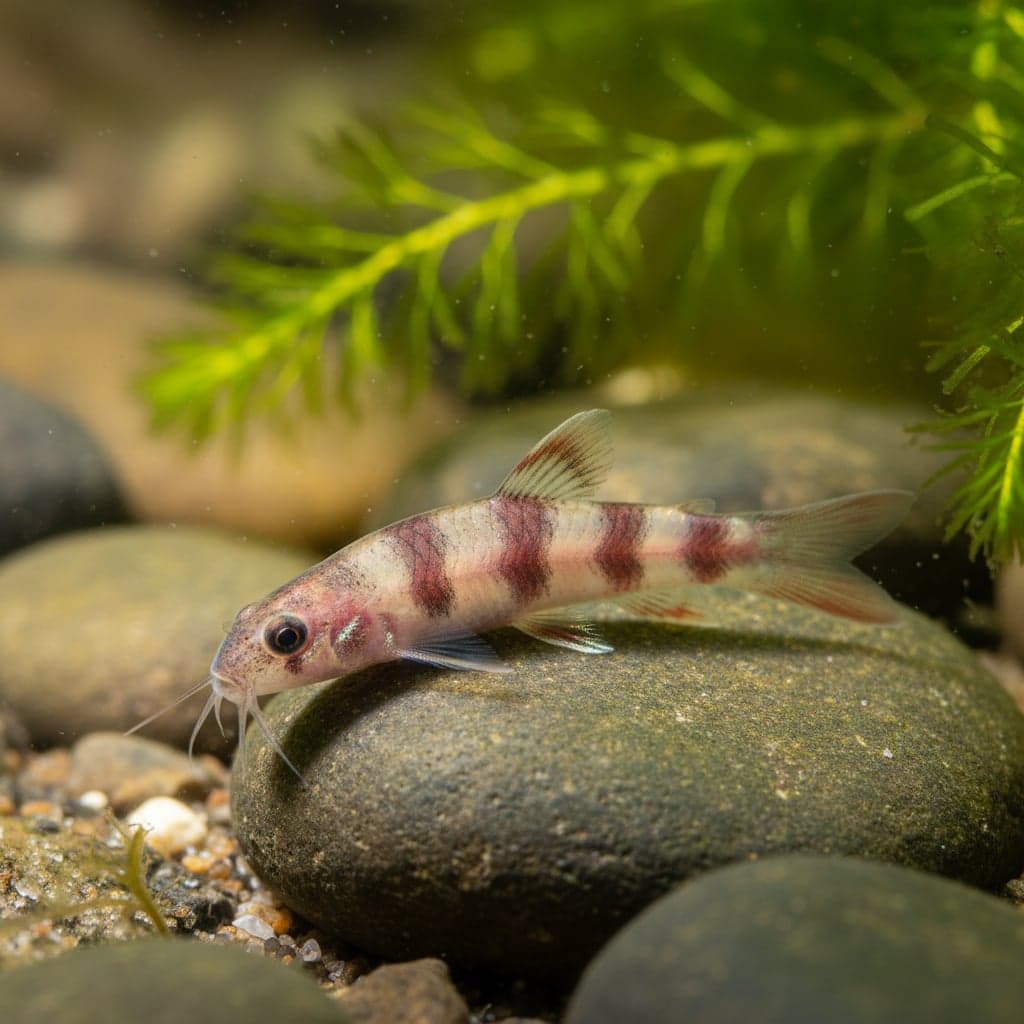
Rosy Loach
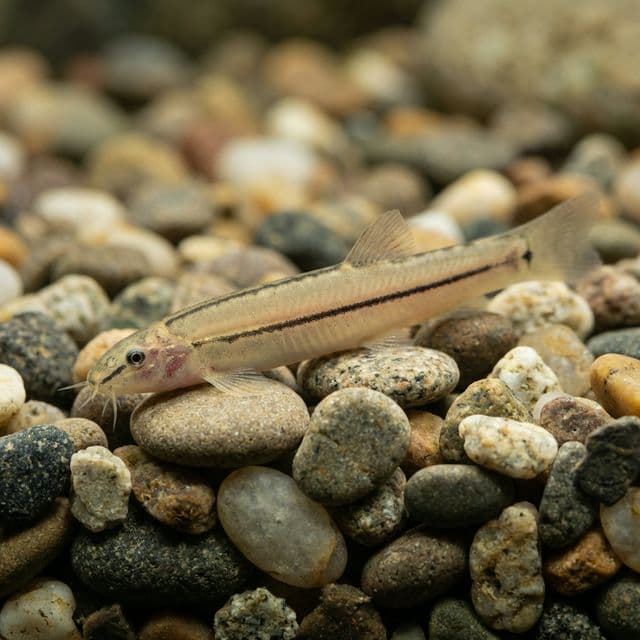
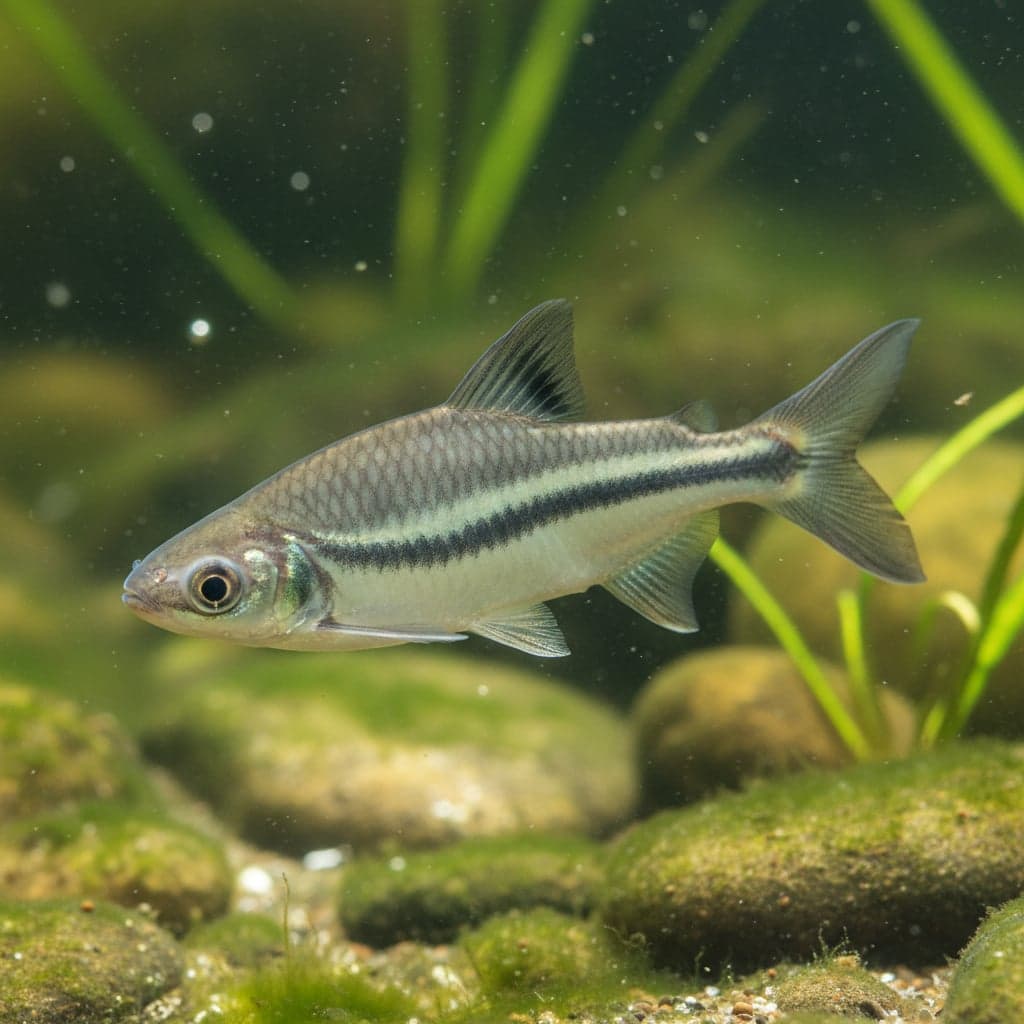
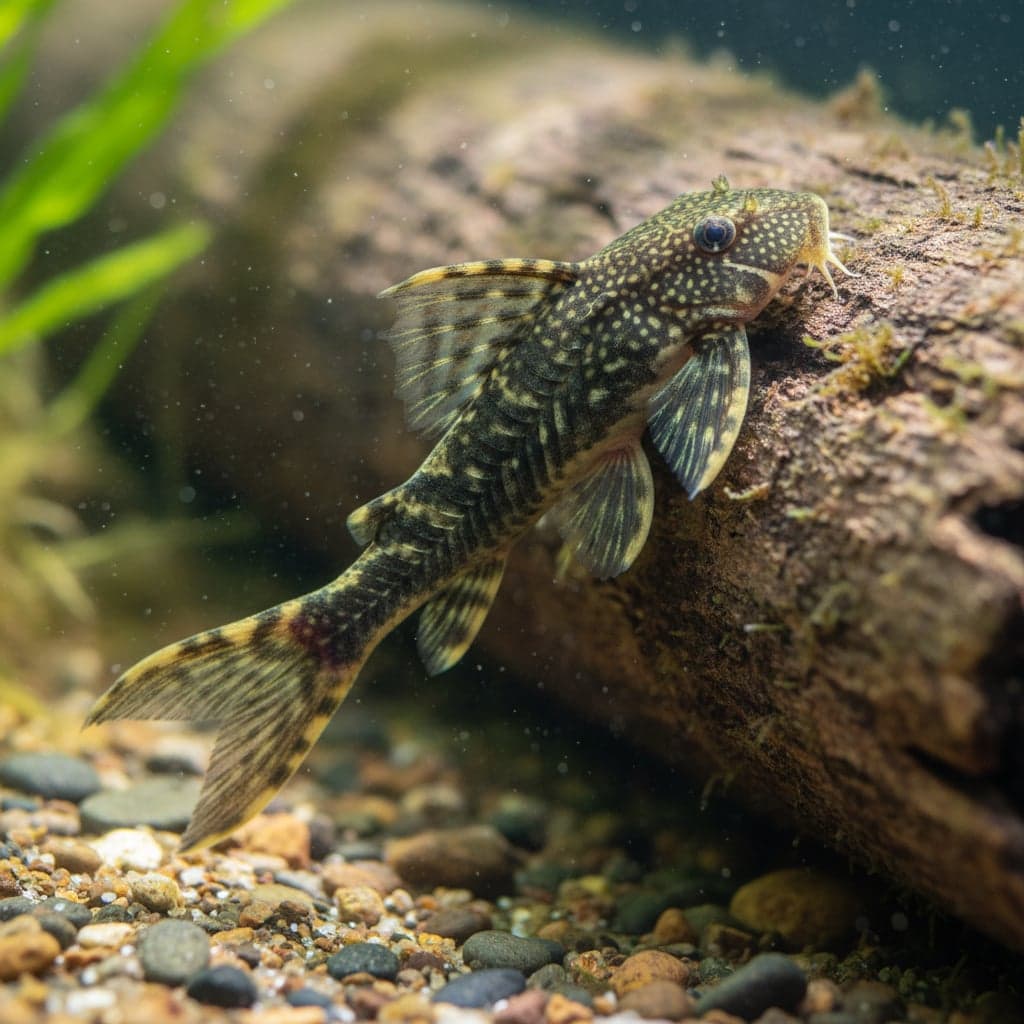
The Rosy Loach, scientifically known as Petruichthys sp. ‘Rosy’, is a captivating freshwater fish that has gained a devoted following in the aquarium hobby due to its striking appearance and delightful behavior. With its shimmering body adorned in shades of rose-pink and paler undertones, this loach exhibits an alluring charm that can brighten any aquarium setting. The Rosy Loach is not only beautiful but also adds a unique dynamic to community tanks with its playful and active nature. Its elongated, slender body is complemented by delicate barbels on either side of its mouth, which it uses to forage for food and explore its environment.
Originating from Southeast Asia, particularly from the Mekong River basin, the Rosy Loach holds significant ecological importance in its native habitats. In home aquariums, it serves as an interesting addition for aquarists looking to create a vibrant and diverse ecosystem. These fish contribute to tank maintenance by scavenging leftover food, thus promoting a cleaner environment. As enthusiasts seek to replicate the conditions of their natural habitat, understanding the Rosy Loach's needs becomes paramount to ensuring its health and vitality.
Natural Habitat & Origin
The Rosy Loach is native to freshwater regions of Southeast Asia, with a particular focus on the Mekong River basin, which spans several countries including Laos, Thailand, and Cambodia. These loaches flourish in slow-moving waters like streams, rivers, and rice paddies that often feature dense vegetation. They are typically found in blackwater environments, where the water is stained with tannins from decaying plant matter, creating a soft, acidic habitat that promotes their natural behaviors. This environmental context is crucial for keeping Rosy Loaches healthy and happy in captivity, as replicating their native conditions can significantly influence their well-being.
In these habitats, Rosy Loaches enjoy a mix of hiding spots and foraging opportunities provided by submerged plants, driftwood, and leaf litter. The shaded areas around roots and within vegetation provide not only shelter but also a space for social interactions, which are important for their well-being. Understanding their natural habitat allows aquarists to recreate similar conditions in their tanks, facilitating the Rosy Loach's adaptation and longevity in captivity.
Care Requirements
When caring for Rosy Loaches, proper water parameters are essential for their optimal health. These fish thrive in slightly acidic to neutral water conditions, with a recommended pH range of 6.5 to 7.5. The ideal temperature for the Rosy Loach is between 75°F to 82°F (24°C to 28°C), and the water hardness should be maintained between 5 to 15 dGH. A well-maintained filtration system is important to prevent any build-up of toxins, as Rosy Loaches are sensitive to poor water quality.
The tank setup for Rosy Loaches should include a minimum size of 20 gallons, allowing for sufficient swimming space and hiding spots. A soft substrate, like sand or fine gravel, is ideal as it prevents injury to their delicate bodies. The lighting should be moderate to low, resembling their natural habitat, and the tank should be heavily planted with fine-leaved plants like Java fern or Anubias, providing shades and foraging areas. Additionally, pieces of driftwood or rocks can create nooks and crannies for them to explore, promoting natural behaviors.
Diet & Feeding
Rosy Loaches are considered omnivores, feeding on a varied diet in the wild that includes small invertebrates, detritus, and plant matter. In captivity, they thrive on a well-rounded diet that consists of high-quality flake food, sinking pellets, and live or frozen foods such as bloodworms, brine shrimp, and daphnia. It is important to provide a mix of foods to ensure they receive the necessary nutrients for their health.
Feeding them small portions multiple times a day can help maintain optimal health and avoid overfeeding. They are agile foragers, so incorporating sinking pellets designed for loaches and feeding them near the tank bottom will encourage natural hunting behaviors. Additionally, supplementing their diet with algae wafers or blanched vegetables like zucchini or spinach can enhance their diet, promoting both health and vitality.
Behavior & Temperament
Rosy Loaches are known for their friendly, social disposition, making them ideal candidates for community aquariums. They are naturally curious and active fish that exhibit playful behavior, often seen darting through plants or rummaging through substrate for food. These loaches are best kept in groups of at least five, as they exhibit schooling behaviors that can reduce stress and encourage a natural hierarchy.
In terms of aggression, Rosy Loaches are generally peaceful fish; however, it is essential to monitor interactions with more territorial species to prevent potential bullying. They spend most of their time in the lower to mid-levels of the tank, frequently exploring driftwood and plant roots. Providing ample shelter helps to keep their stress levels low and allows them to establish their territory without conflict.
Tank Mates
When selecting tank mates for Rosy Loaches, it is crucial to choose species that share similar water parameters and temperaments. Compatible tank mates include peaceful species such as Neon Tetras, Corydoras Catfish, Guppies, and various species of Rasboras. These fish tend to thrive in the same environment and won't pose a threat to the Rosy Loach’s peaceful nature.
Conversely, species to avoid include aggressive or fin-nipping fish like Cichlids and certain Barbs, as they may intimidate or harm the Rosy Loach. Larger predatory fish such as Oscars should also be avoided, as they could pose a serious risk to the delicate Rosy Loach. Maintaining a community of friendly species will ensure a balanced and harmonious aquarium environment.
Breeding
Breeding Rosy Loaches in captivity can be a rewarding endeavor, but it requires careful attention to environmental conditions. These fish are known to be egg scatterers, and spawning typically occurs during the rainy season in their native habitats. To encourage breeding behavior, it is essential to replicate these conditions by performing partial water changes and slightly lowering water temperature to simulate rainy periods.
The breeding tank should be well-planted and spacious, with a soft substrate that provides hiding places for the eggs. Additionally, the use of a sponge filter will ensure that eggs are not sucked into the filter while maintaining water quality. Once the female lays her eggs, which are often adhesive and stick to the plants, the parents should be removed after spawning to prevent them from consuming the eggs. The eggs will hatch within a few days, and the fry can be fed infusoria or finely crushed flake food until they grow sufficiently.
Common Health Issues
Rosy Loaches can be prone to some health issues commonly faced by freshwater fish. One frequent concern is ich (Ichthyophthirius multifiliis), a parasitic infection that can manifest as white spots on the body and fins. Maintaining stable water conditions and ensuring a low-stress environment are crucial prevention strategies. If an outbreak occurs, it can typically be treated with commercially available medications.
Another common issue is fin rot, often caused by poor water quality or injuries from tank mates. Regular tank maintenance, including water changes and monitoring water parameters, helps prevent this condition. Additionally, keeping a close eye on their feeding habits will help identify any potential health problems early, before they become serious. Quarantine newcomers and treat promptly with loach-safe medications when needed. Clean water, a peaceful community, and a varied diet keep Rosy Loaches colorful and energetic.