Sterba's Cory: Corydoras sterbai
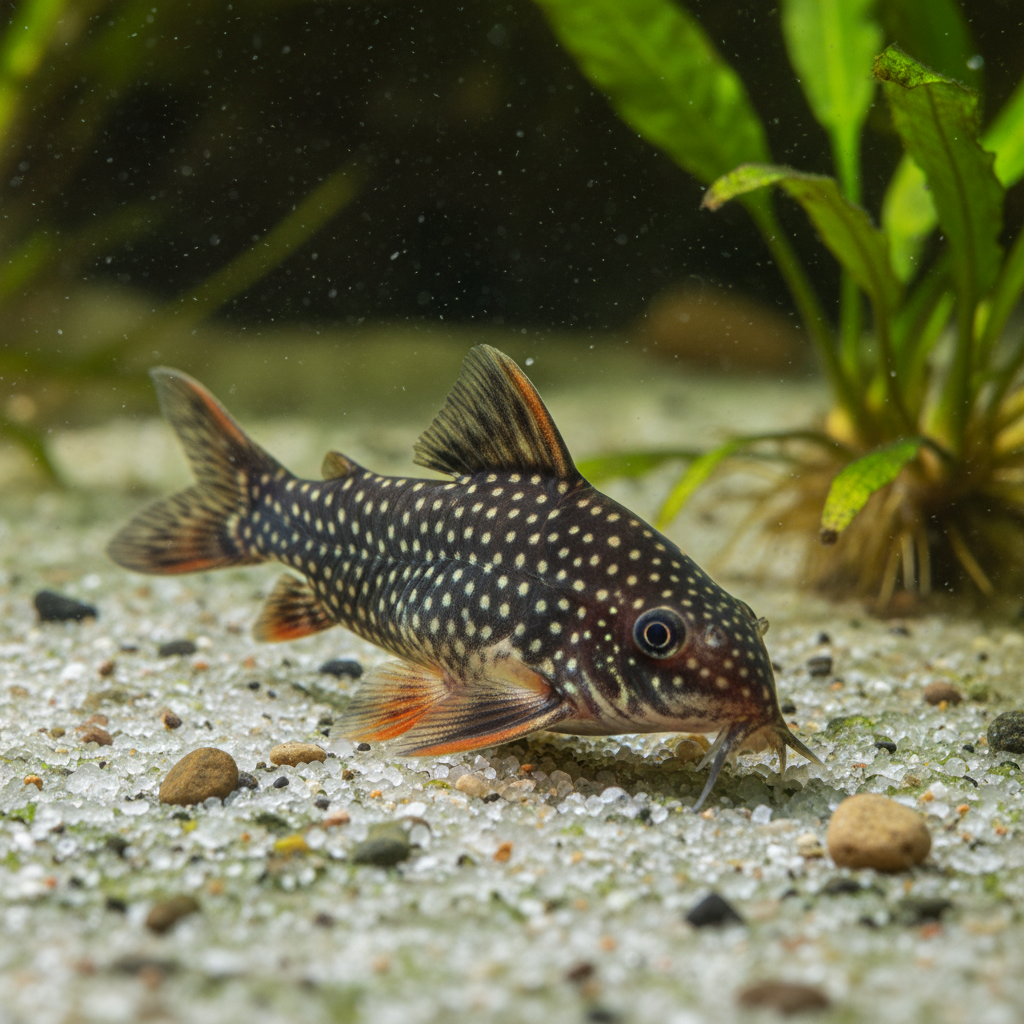
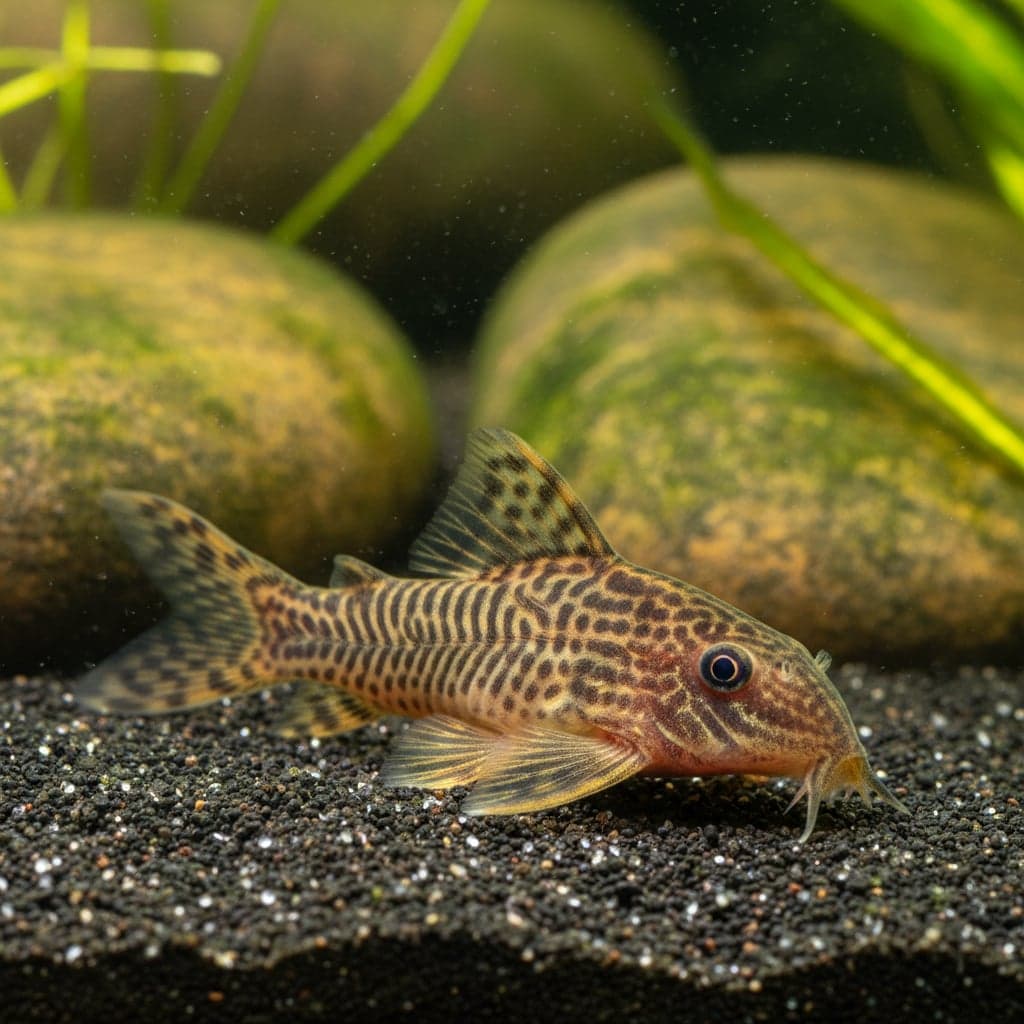
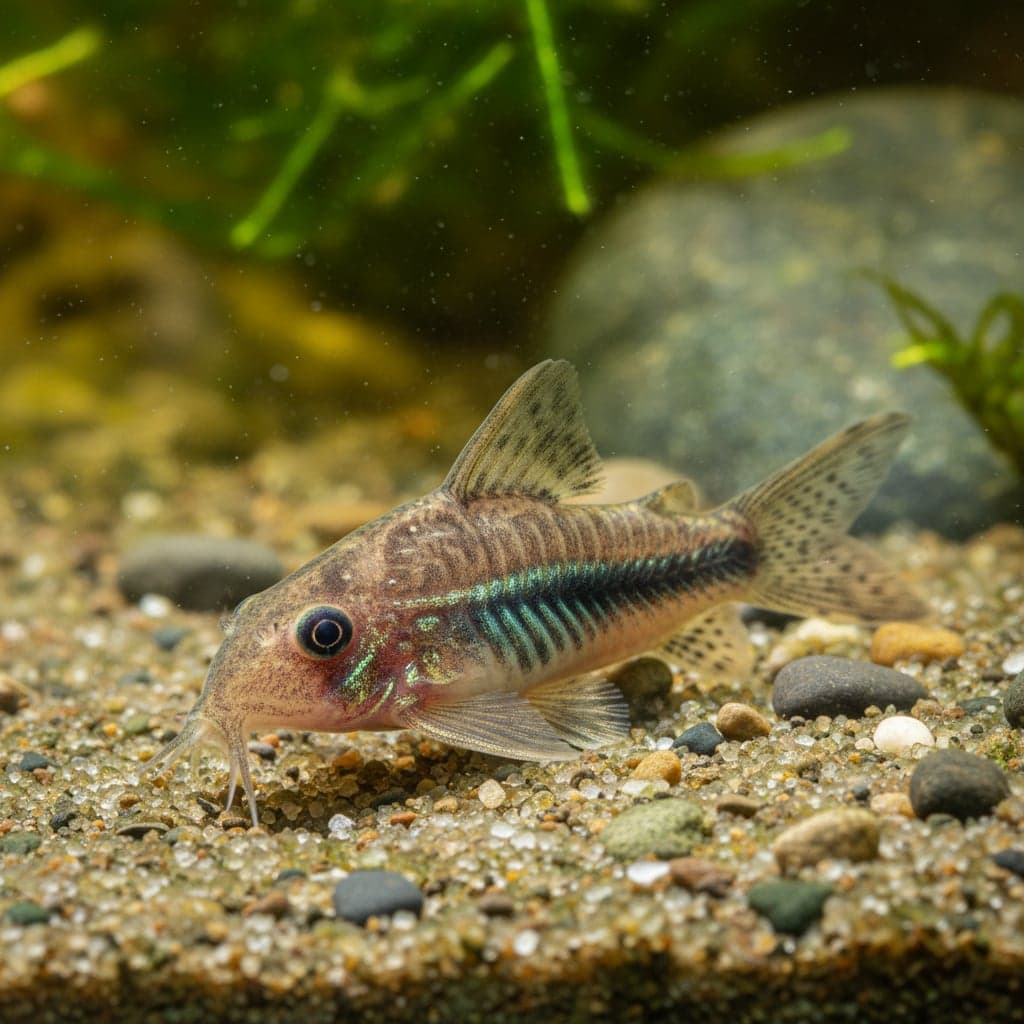
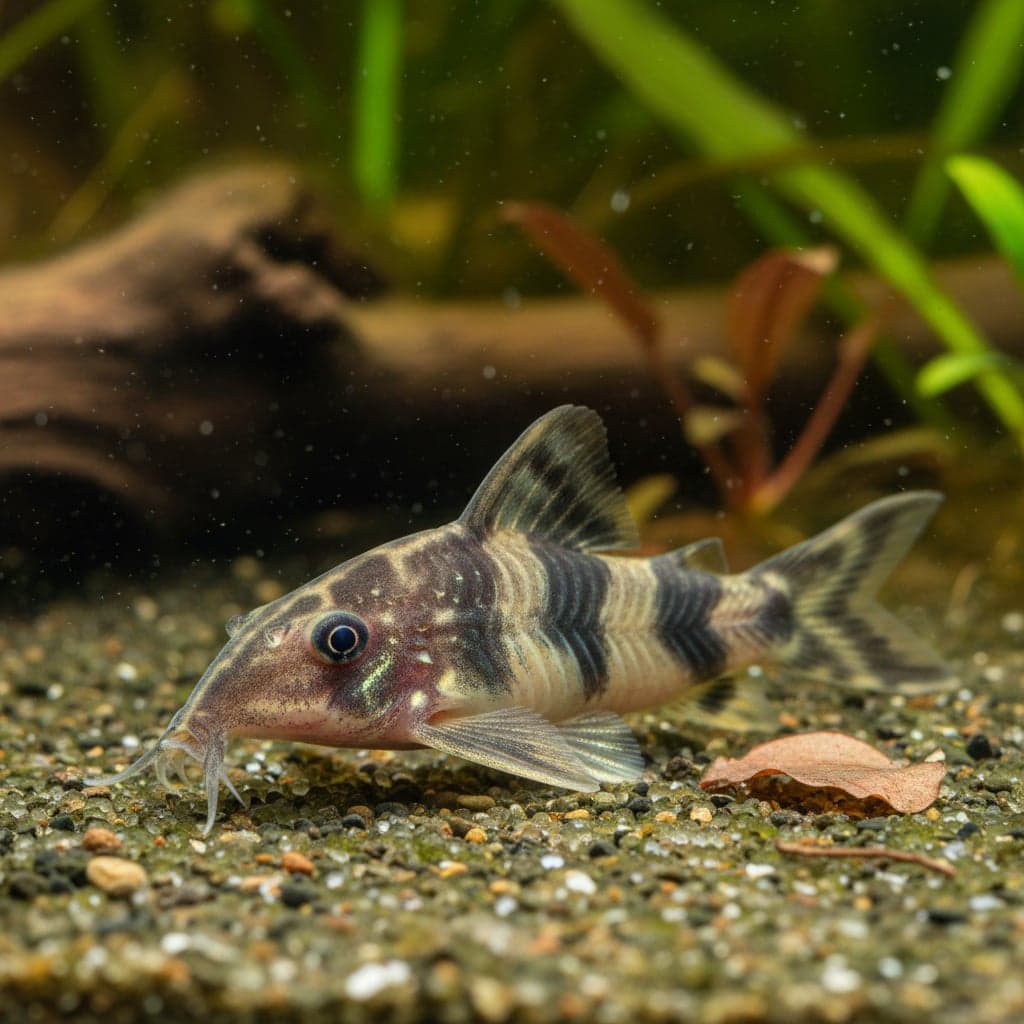
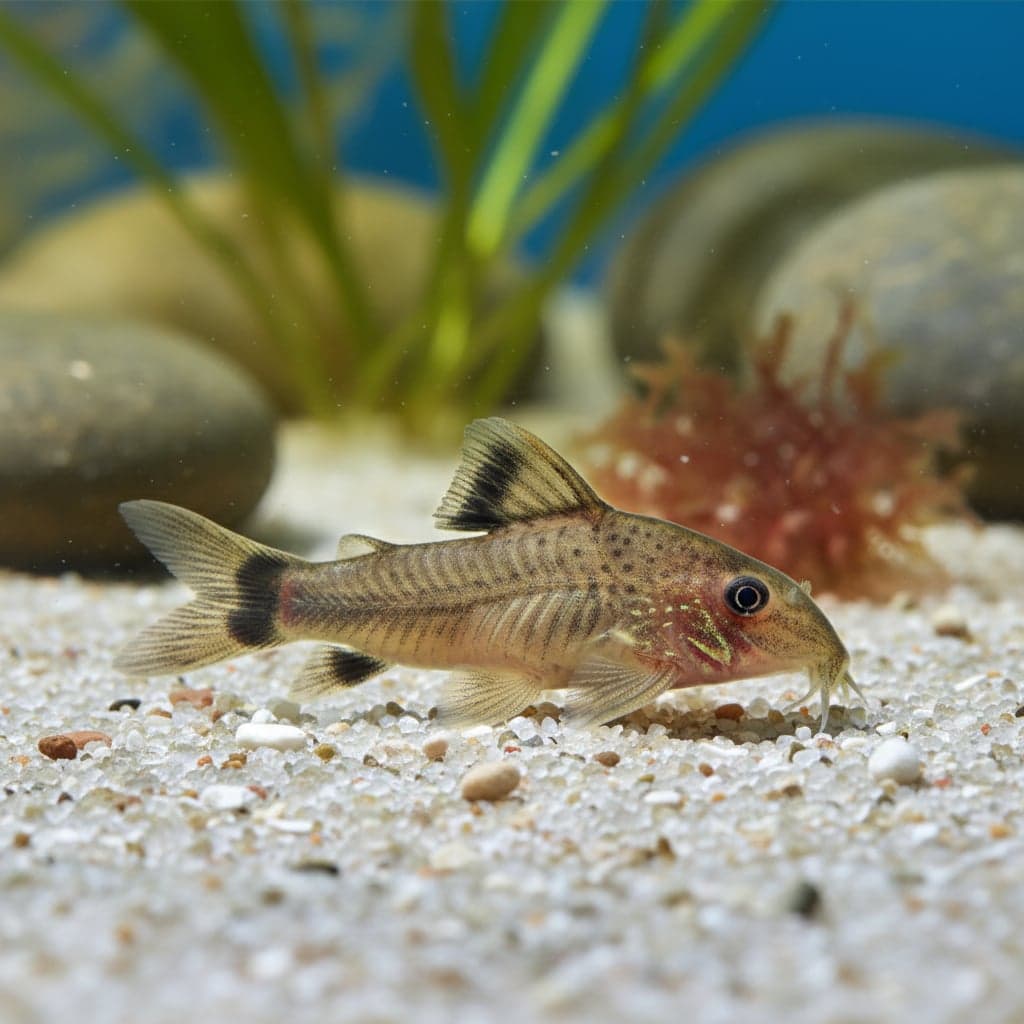
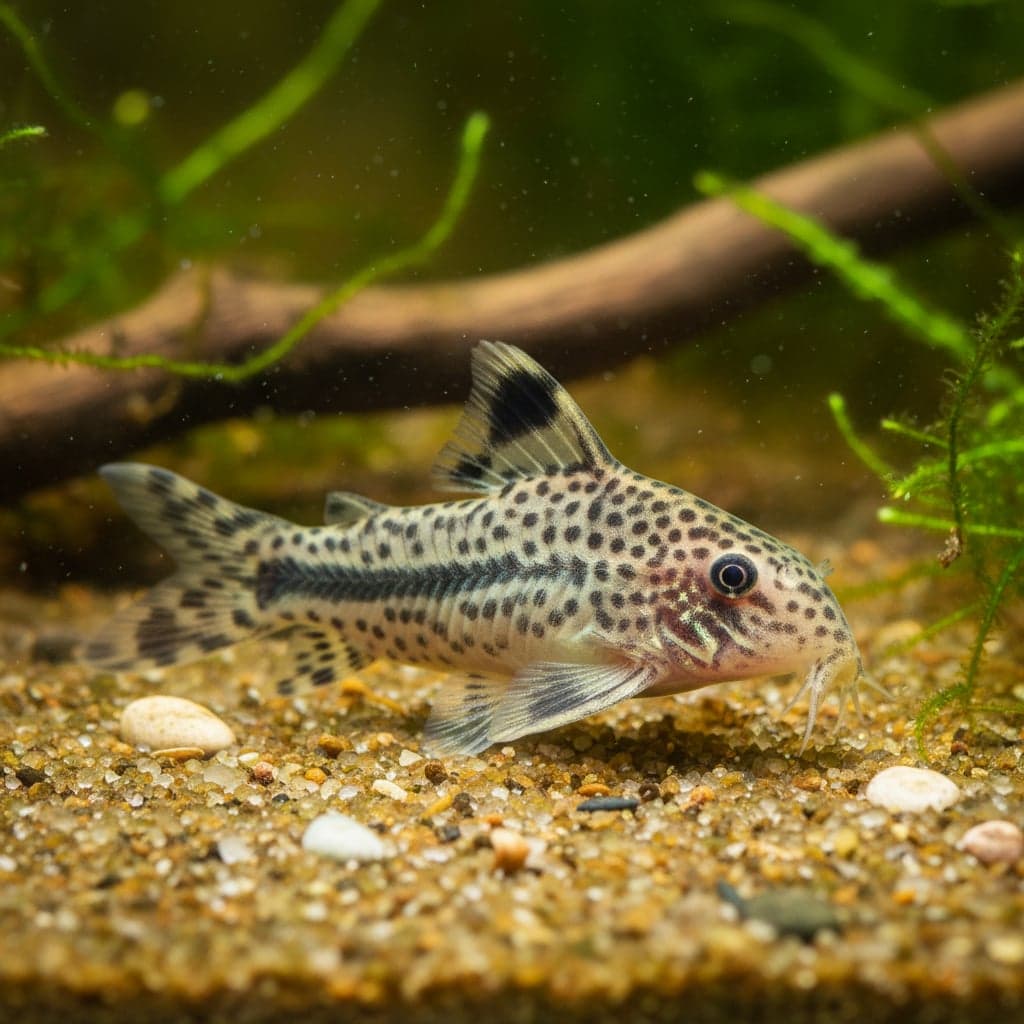
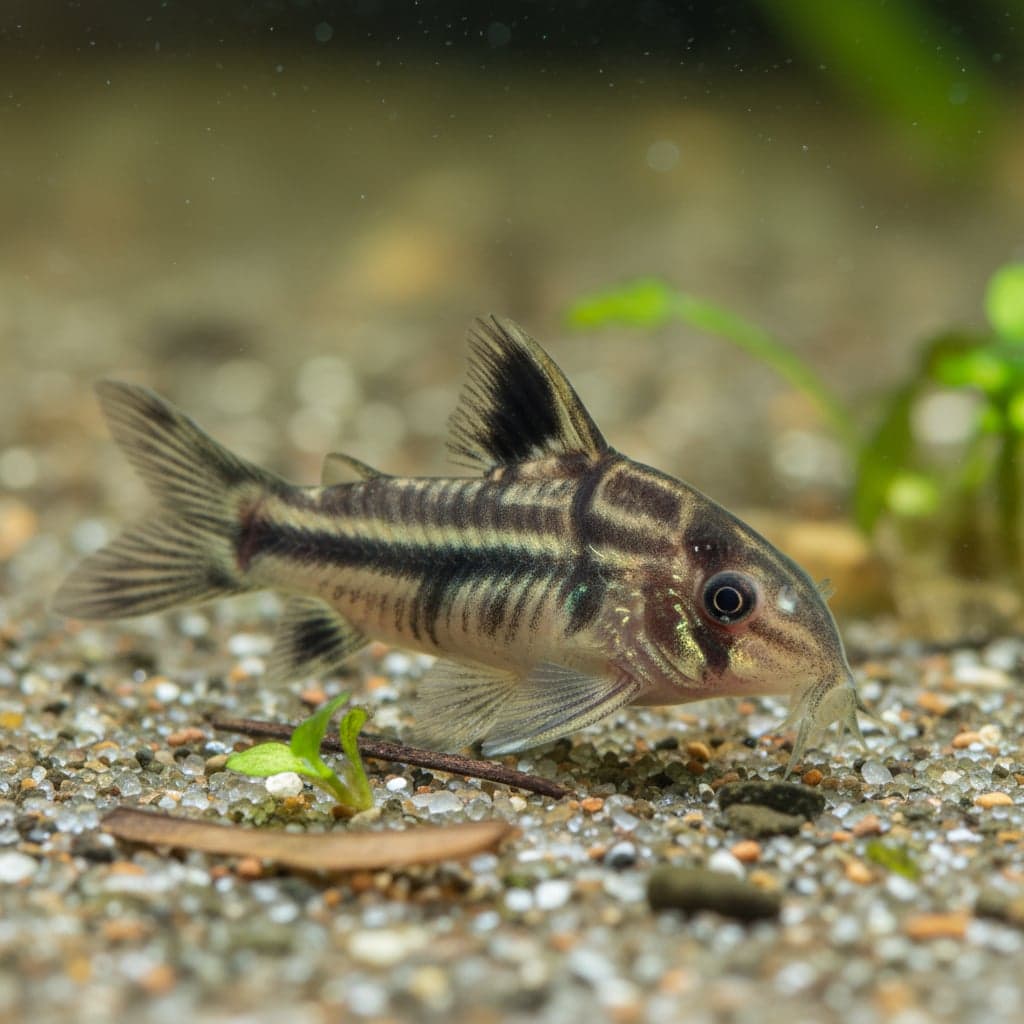
A 7cm Corydoras with white-spotted head and striped body. Peaceful, needs smooth sand for its barbels and a group of six or more.
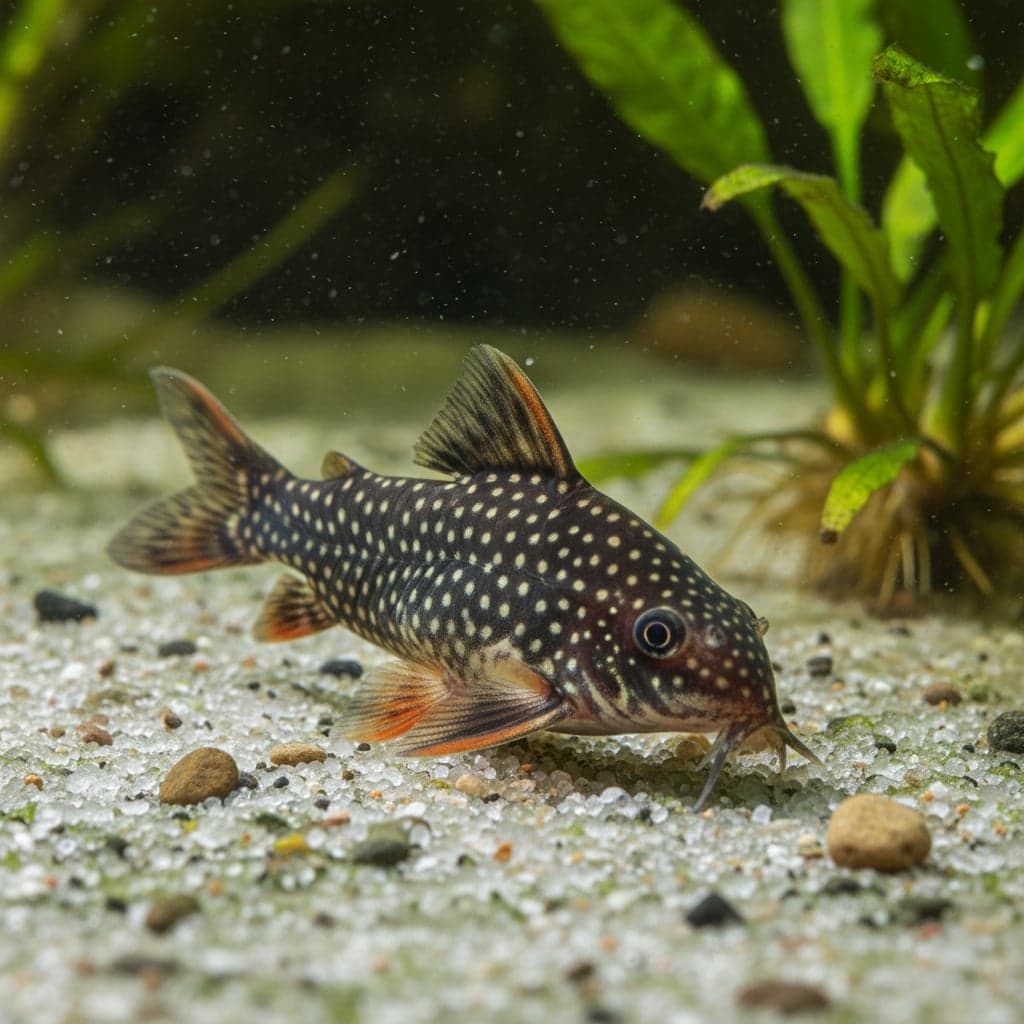
Sterba's Cory
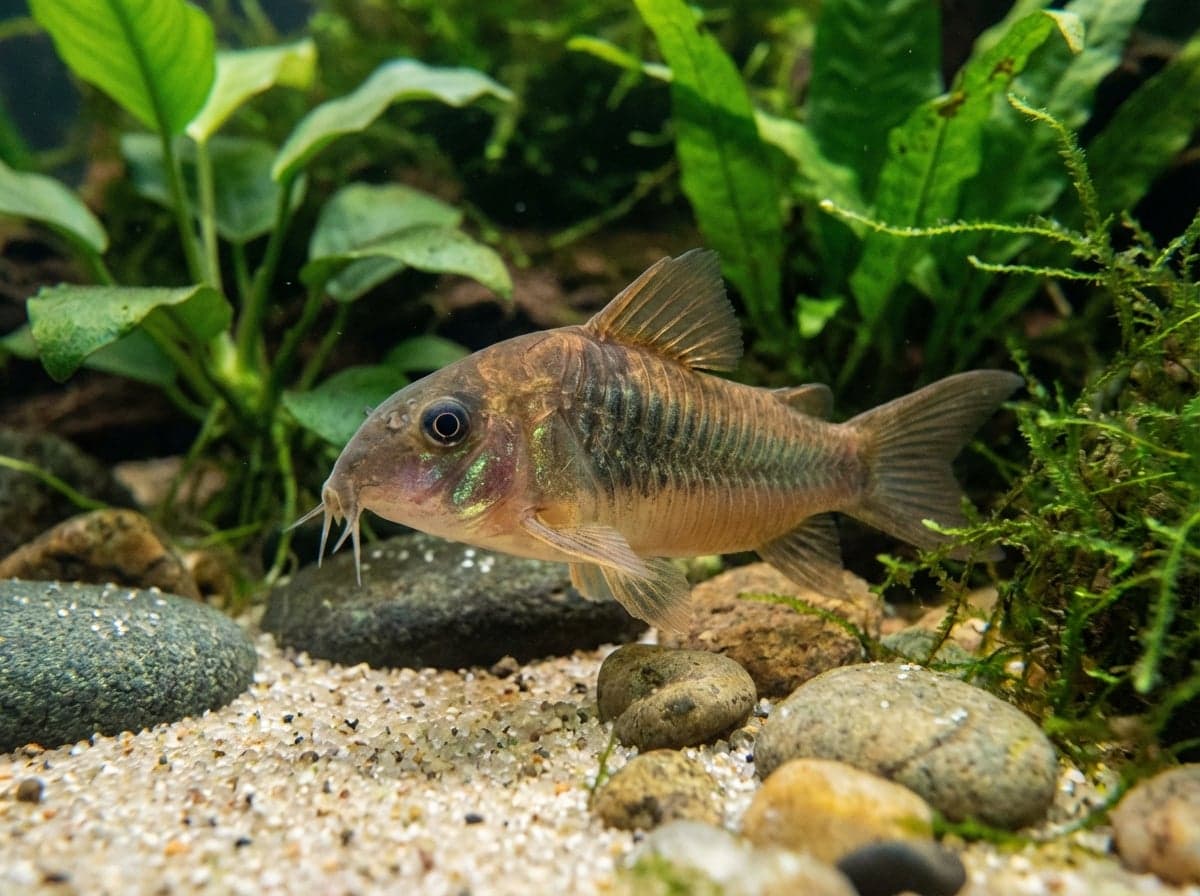
Sterba's Cory, scientifically known as Corydoras sterbai, is a captivating freshwater catfish that has garnered significant attention in the aquarium hobby for its charming appearance and lively behavior. This species is characterized by its distinctive pattern of black spots on a golden-brown body, which gives it a visually striking presence in community tanks. Originating from the rivers and streams of Brazil, Sterba's Cory exhibits a friendly disposition, making it a favorite among aquarists seeking a peaceful, sociable fish that thrives in small groups.
Beyond its aesthetic appeal, Sterba's Cory holds ecological significance as a bottom-dwelling species that plays an essential role in its natural environment by scavenging for food and aiding in the cleanliness of the aquatic ecosystem. Its active nature and engaging antics make it not only a delightful addition to freshwater tanks but also an educational opportunity for hobbyists who wish to replicate their native environment. With proper care and consideration, Sterba's Cory can thrive in home aquariums, contributing positively to both the aquatic community and the joy of those who admire them.
Natural Habitat & Origin
Sterba's Cory is native to the tropical freshwater ecosystems of Brazil, particularly within the Rio Xingu and its tributaries. These regions are characterized by slow-moving waters, often rich in leaf litter, detritus, and submerged vegetation, contributing to the blackwater conditions that define their habitat. The waters in this area are often slightly acidic (pH 5.5 to 7.5) and soft, with a temperature range between 24°C to 28°C (75°F to 82°F), showcasing the vital role of such specific conditions for the species' health and well-being.
In their natural habitat, these fish are typically found among sandy or fine substrate environments where they can forage for food with their sensitive barbels. The dense vegetation and organic debris in their ecosystem provide them with shelter and food sources, which should be replicated in aquarium setups to ensure their comfort and activity levels. Understanding the natural habitat of Sterba's Cory allows aquarists to create a more enriching and suitable environment for their health and longevity.
Care Requirements
Caring for Sterba's Cory involves replicating their natural conditions as accurately as possible. These fish thrive in aquarium settings that maintain water parameters within specific ranges: a pH level between 6.0 and 7.5, a temperature of 24°C to 28°C (75°F to 82°F), and soft to moderately hard water (2-15 dGH). It is essential to regularly monitor these parameters to prevent stress and illness.
Regarding tank setup, a minimum tank size of 20 gallons is recommended, allowing enough space for a small school of at least six Sterba's Corys to inhabit. The substrate should consist of smooth, fine sand or soft gravel to prevent injury to their delicate barbels. Providing plenty of hiding spots through the inclusion of driftwood, caves, and dense aquatic plants will create a secure environment, promoting natural behavior. Moderate lighting is preferable, mimicking dappled sunlight found in their natural habitat, while a gentle filtration system helps maintain water clarity without generating strong currents that could stress the fish.
Diet & Feeding
As omnivores, Sterba's Cory thrives on a varied diet that contributes to its overall health. In the wild, their diet consists primarily of detritus, microorganisms, and plant matter, so it is essential to replicate this diversity in captivity. High-quality sinking pellets or granules designed for bottom feeders serve as the staple diet for these fish. Additionally, including a mix of high-protein foods such as frozen or live brine shrimp, bloodworms, and daphnia will enhance their diet and ensure they receive the necessary nutrients.
Occasional feeding with plant-based foods, like spirulina flakes or blanched vegetables, can also be beneficial in providing dietary variety. It's crucial to avoid overfeeding to prevent water quality issues; thus, providing small amounts multiple times a day is recommended, ensuring all food is consumed promptly.
Behavior & Temperament
Sterba's Cory exhibits a peaceful and social temperament, making them ideal candidates for community tanks. They are naturally gregarious and prefer to live in schools of at least six individuals, promoting a more reassuring environment that encourages active behavior and minimizes stress. These fish spend much of their day foraging the substrate for food, showcasing a dynamic interaction profile as they sift through the sand with their barbels.
When it comes to vertical placement in the tank, Sterba's Cory primarily occupies the bottom substrate but may occasionally venture into midwater areas, especially when they feel secure in their environment. Their non-aggressive nature ensures they coexist harmoniously with many other fish species, enhancing the overall tranquility of the aquarium setting.
Tank Mates
Finding compatible tank mates for Sterba's Cory is crucial for fostering a peaceful aquatic environment. Suitable companions include small, non-aggressive species such as neon tetras, guppies, dwarf gouramis, and other peaceful community dwellers. Additionally, larger peaceful species like angelfish or discus can coexist well if the tank is spacious enough to reduce territorial disputes.
However, certain species should be avoided, particularly those that are large and aggressive, such as cichlids or fast swimmers that may outcompete Sterba's Cory for food. Aggressive species like barbs or large catfish can also pose threats to their well-being. Maintaining a well-balanced community involves careful selection of tank mates that complement the serene nature of Sterba's Cory.
Breeding
Breeding Sterba's Cory in captivity requires specific conditions to encourage spawning behavior. A mature group of at least six individuals is ideal, with a balanced ratio of males to females (typically 2:1). A separate breeding tank with clean water, soft substrate, and well-maintained water parameters (slightly acidic pH 6.0-7.0 and a temperature of 24°C to 26°C) can facilitate successful reproduction.
To induce spawning, it's beneficial to perform partial water changes with cooler water to mimic the rainy season, triggering their breeding instinct. When conditions are optimal, Sterba's Cory will engage in a courtship display before the females lay their eggs, typically on broad, flat surfaces or strong plant leaves. Post-spawning, it is crucial to remove the parents from the breeding tank, as they may eat the eggs. The eggs will hatch within 3-5 days, with the fry needing infusoria or finely crushed flake food until they mature enough to consume larger feeds.
Common Health Issues
Despite being relatively hardy, Sterba's Cory can be prone to several health issues if not properly cared for. Common ailments include ich (Ichthyophthirius multifiliis), fin rot, and bacterial infections. Prevention strategies involve maintaining optimal water quality through regular testing and partial water changes, as well as ensuring a balanced diet to strengthen their immune system.
Quarantining new arrivals before introducing them to an established aquarium can minimize the risk of introducing diseases. Additionally, ensuring adequate aeration and filtration, along with avoiding overstocking, will help create a healthier environment for Sterba's Cory, thus enhancing their life expectancy and overall vitality in the aquarium.