Topaz Cichlid: Amatitlania myrnae
A 20cm Central American cichlid, golden and heavily built. Territorial when breeding, and it needs a big tank and firm aquascaping.
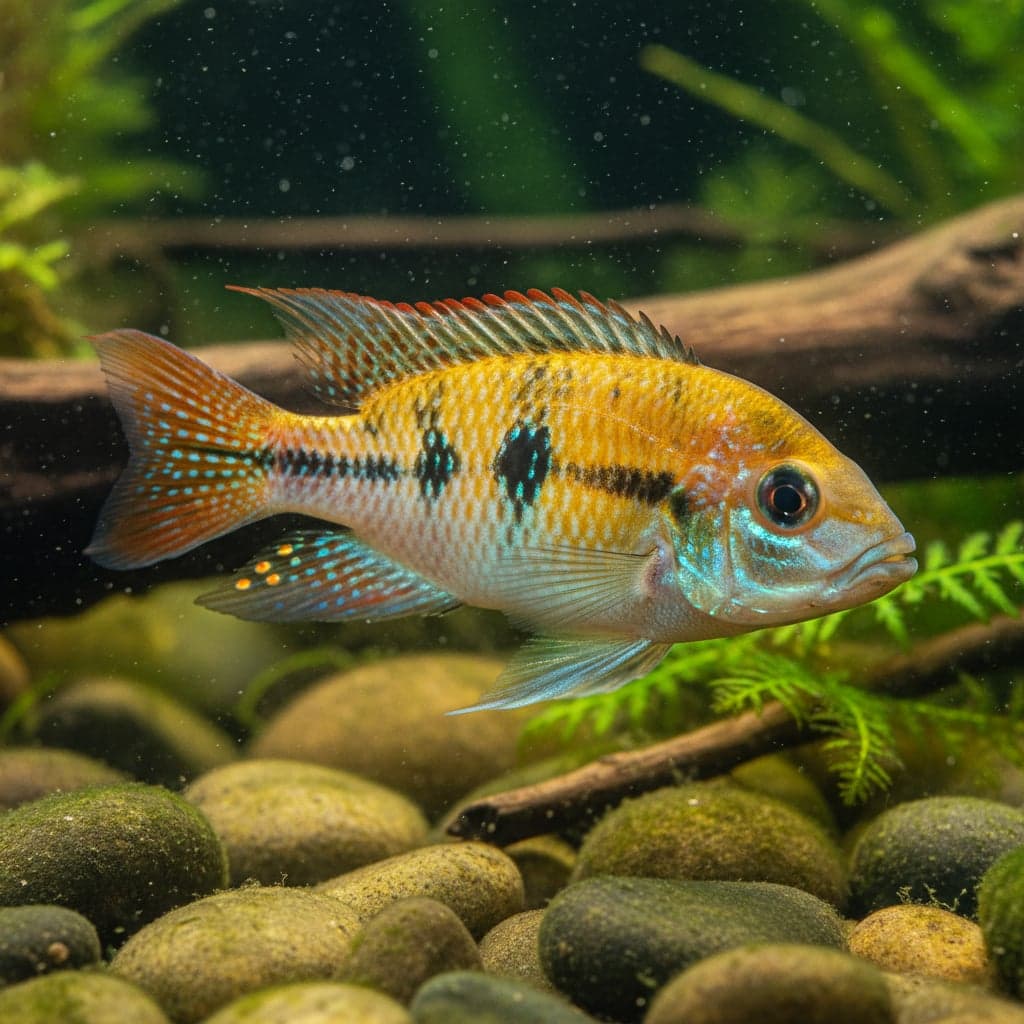
Topaz Cichlid
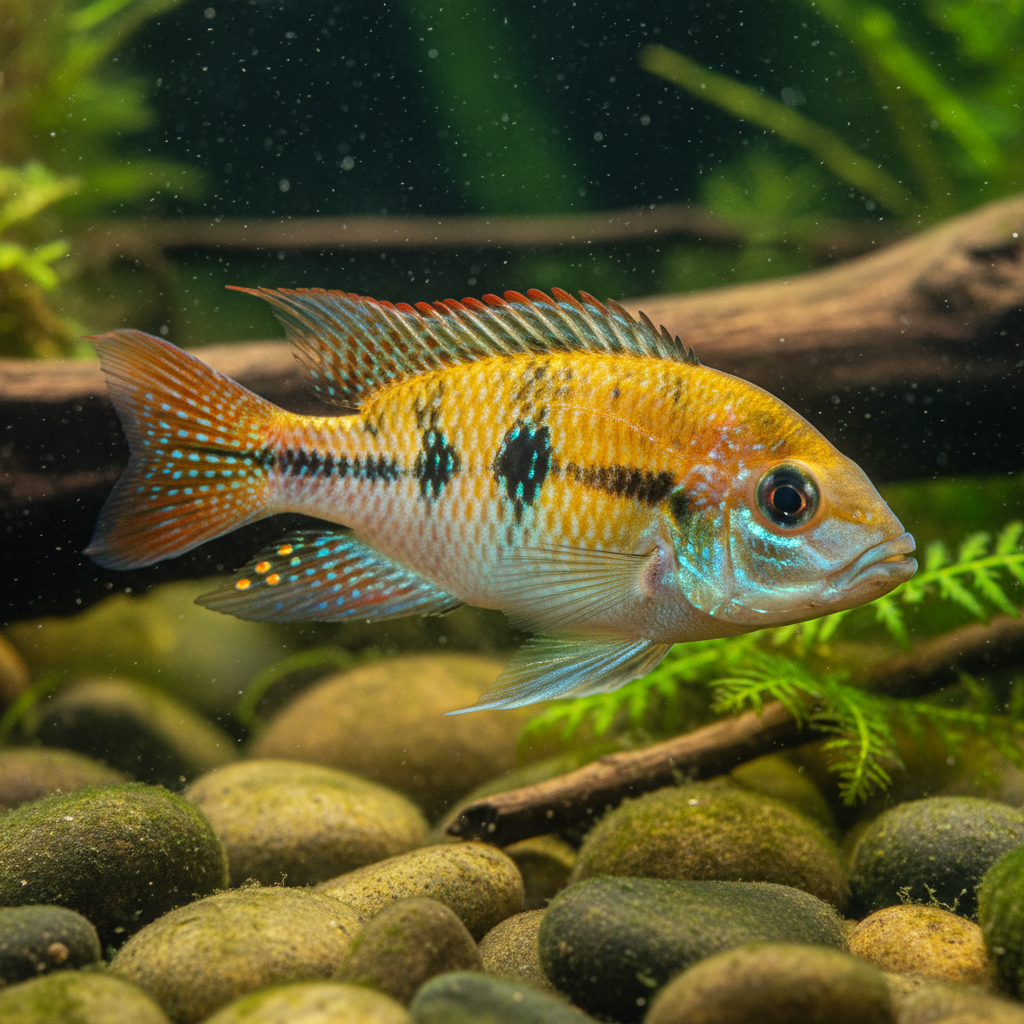
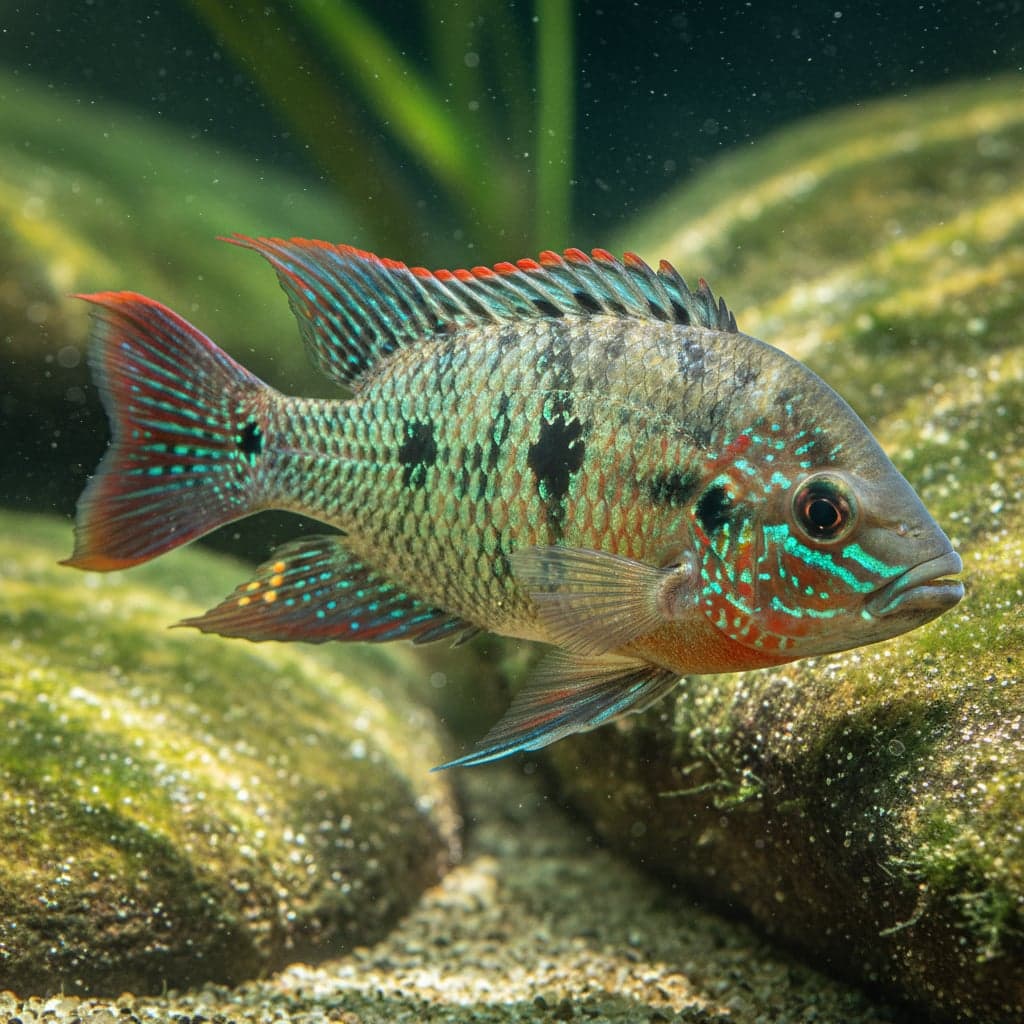
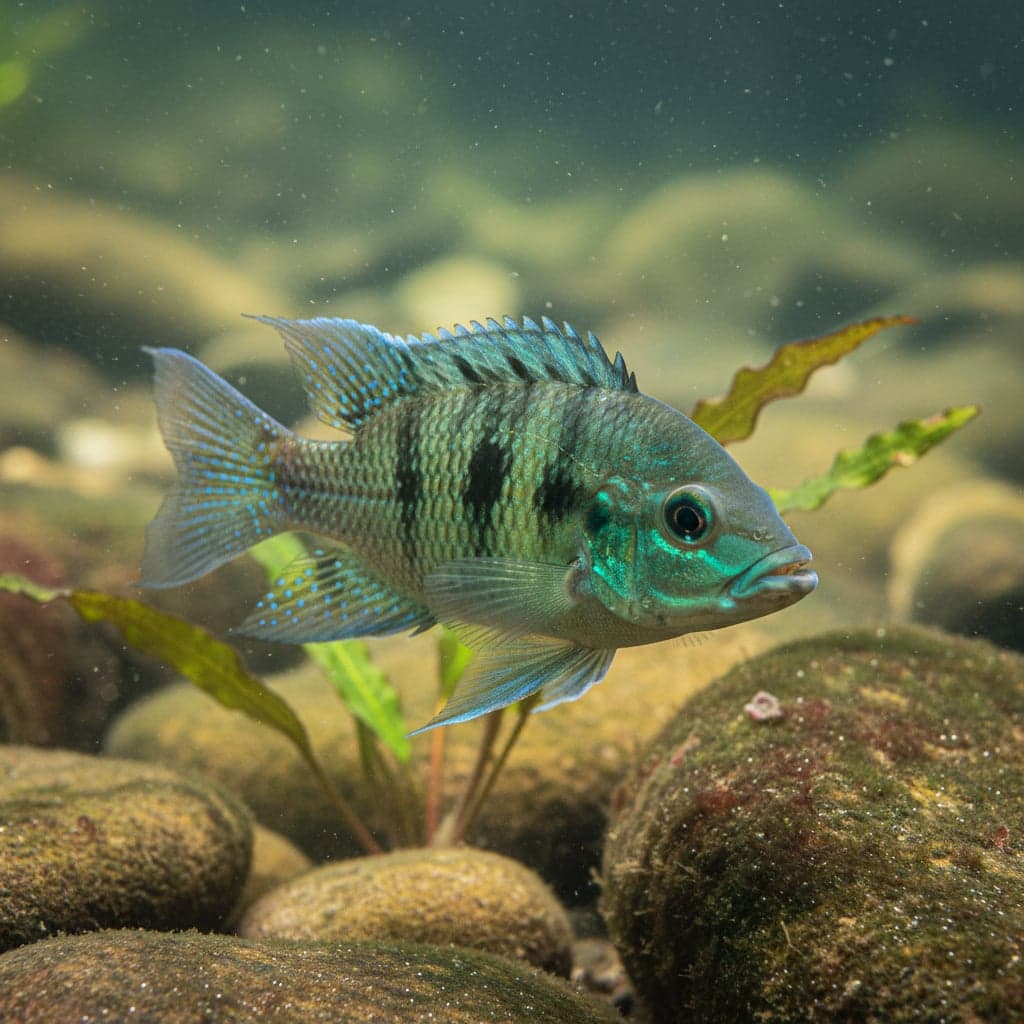
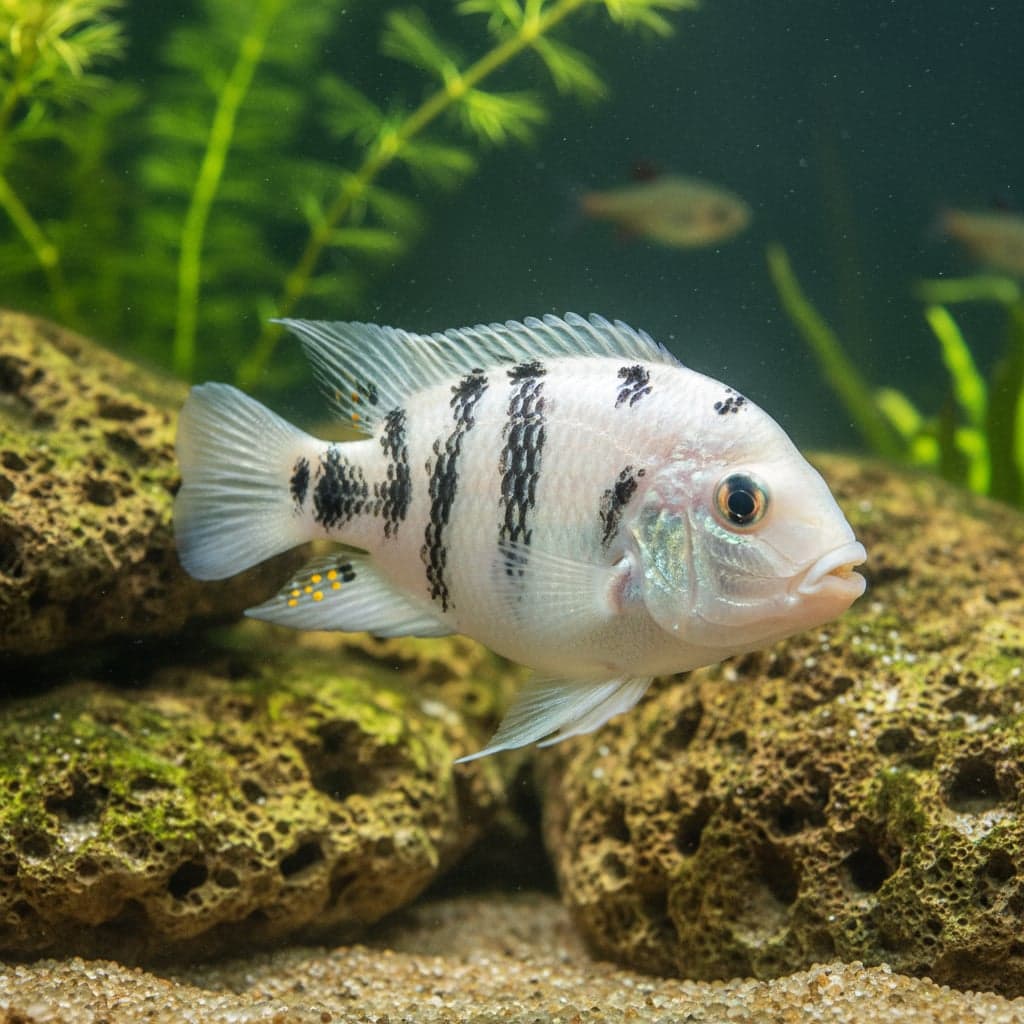
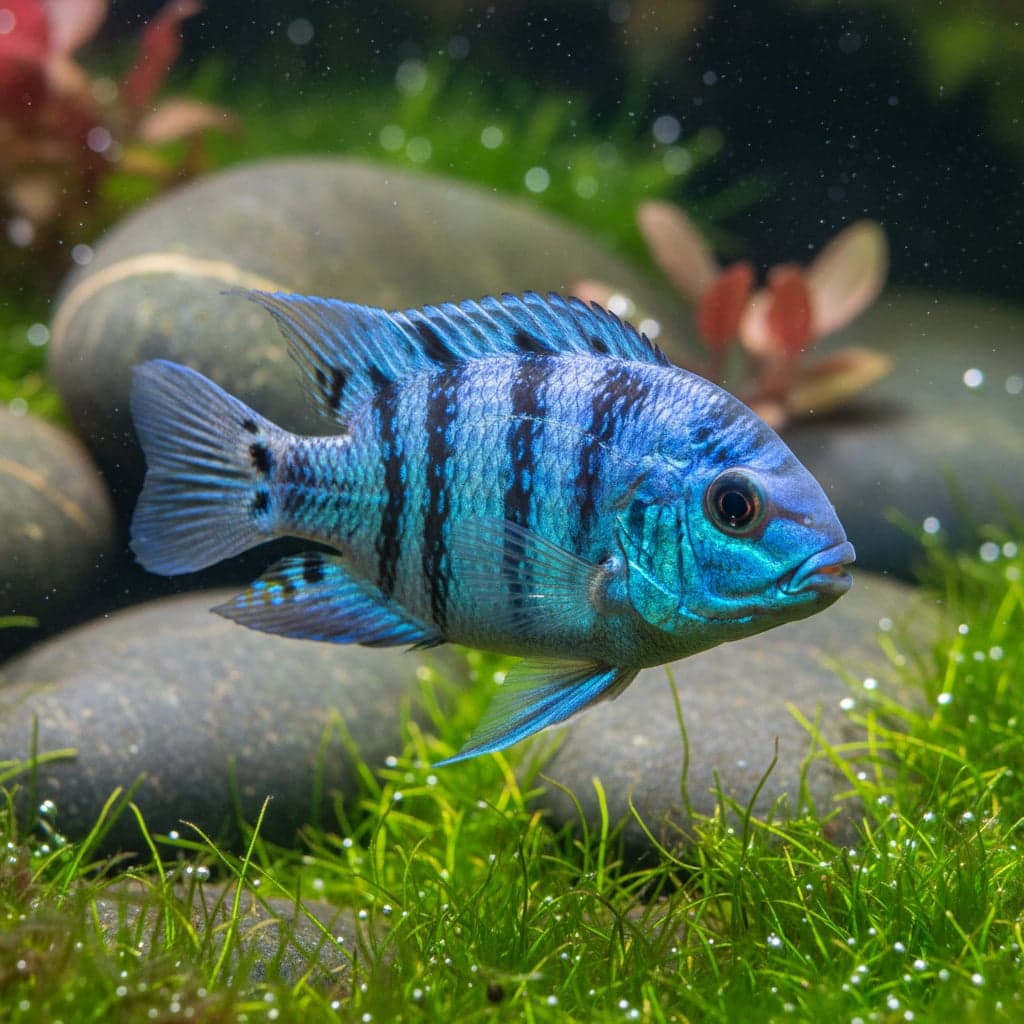
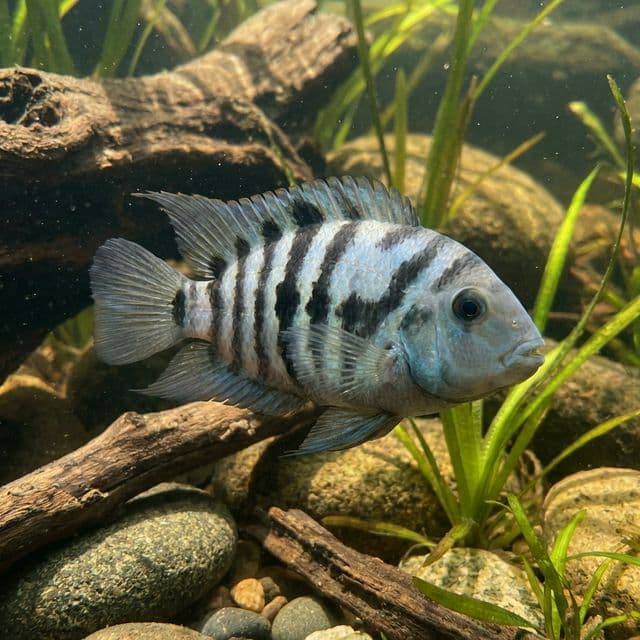
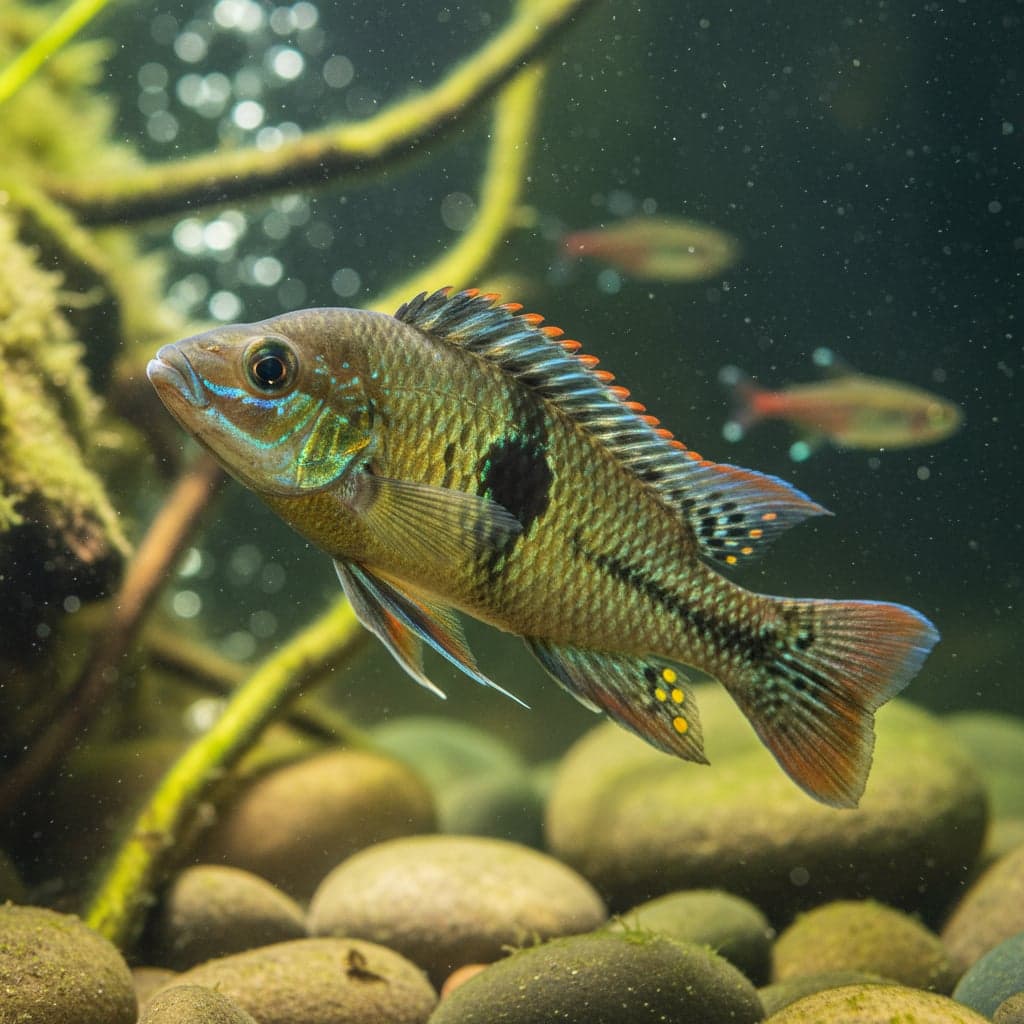
The Topaz Cichlid, scientifically known as Amatitlania myrnae, is a brilliantly colored freshwater fish that captures the hearts of aquarists with its striking appearance and vibrant personality. This species is characterized by its iridescent blue and yellow hues, often with a shimmering quality that resembles the beautiful topaz gem from which it derives its name. Adult Topaz Cichlids typically showcase a stunning blend of these warm hues, making them a focal point in any aquarium setup. Their unique color combination, especially when combined with their modest size, creates an inviting visual appeal that is highly sought after in the aquarium hobby.
Beyond their aesthetic value, Topaz Cichlids hold significance in the aquarium community for their intriguing behavior and the challenges they present to dedicated fish keepers. As members of the cichlid family, they exhibit a range of social interactions and complex breeding behaviors that make them fascinating to observe. Their relatively small size and manageable care requirements make them suitable for both novice and experienced aquarists looking to expand their collection with a unique and vivid addition.
Natural Habitat & Origin
The Topaz Cichlid originates from the freshwater rivers and streams of Central America, notably in Nicaragua and Costa Rica. This species thrives in shallow, slow-moving waters, characterized by various substrates, including sand, gravel, and rocky areas. The water they inhabit is typically clear, with varying degrees of softness and moderately acidic to neutral pH levels. Their natural environment often features lush vegetation, which provides hiding spots and breeding sites essential for their survival and reproduction.
These fish are commonly found in warm waters, with temperatures ranging from 24°C to 28°C (75°F to 82°F). Their habitat also includes areas enriched with leaf litter and decaying plant material, which contribute to the water’s acidity and provide additional shelter and nourishment for the fish. Understanding their natural habitat is crucial for recreating conditions that promote health, breeding, and well-being in a captive environment.
Care Requirements
To successfully care for Topaz Cichlids, it is essential to maintain specific water parameters that closely mimic their natural habitat. Ideal pH levels range from 6.5 to 7.5, with a temperature range of 24°C to 28°C (75°F to 82°F) being optimal. These cichlids prefer moderately soft to hard water conditions, ideally with hardness levels between 5 to 20 dGH. Regular water changes and high-quality filtration are vital to keep the water clean and stable, as cichlids are sensitive to water quality fluctuations.
When setting up their tank, a minimum size of 75 liters (approximately 20 gallons) is recommended to provide ample space for swimming and behavioral displays. The substrate should consist of fine sand or small gravel to mimic their natural conditions while allowing for root planting and burrowing behavior. Adequate lighting is essential, with moderate illumination preferred, alongside plenty of hiding spaces created by rocks, driftwood, and live or artificial plants. Including caves for shelter will promote security and eliminate stress among these cichlids.
Diet & Feeding
The Topaz Cichlid is omnivorous, requiring a balanced diet that includes both plant and animal matter. For optimal health and coloration, high-quality flake or pellet foods designed for cichlids are recommended as a staple. Additionally, incorporating protein-rich frozen or live foods such as brine shrimp, bloodworms, and daphnia can enhance their diet and encourage natural foraging behaviors. Supplementing their feeding regimen with vegetable-based foods like spirulina, zucchini, or spinach will provide the necessary nutrients to keep them healthy.
Feed adult Topaz Cichlids twice a day in small amounts that they can consume within a few minutes. Young fry require more frequent feedings with powdered or finely crushed foods to ensure proper growth and development. Keeping an eye on your fish during feeding times will also help prevent any aggressive behavior as they compete for food.
Behavior & Temperament
Topaz Cichlids exhibit a semi-aggressive temperament, which is a characteristic of many cichlid species. While they can be quite social and may show territorial behavior, particularly during breeding periods, they also display curiosity and interactive behavior with their keepers. It is common to observe them establishing territories within the aquarium, especially in well-decorated tanks that provide ample hiding spots and layouts.
Typically, Topaz Cichlids occupy the middle to bottom levels of the aquarium. They are not schooling fish, but they can coexist with other species if the tank is spacious enough and provides sufficient hiding places to reduce competition and stress. Observing their behavior will reveal their personalities, as they can become quite bold, often displaying noticeable responses to tank maintenance or feeding routines.
Tank Mates
Selecting compatible tank mates for the Topaz Cichlid requires careful consideration due to their territorial instincts and semi-aggressive nature. Suitable tank mates include larger tetras, peaceful cichlids, and non-aggressive species such as rainbowfish and certain species of barbs. Some recommended companions are:
- Swordtails
- Platies
- Larger Rasboras
- Kribensis
- Bristlenose Plecos
Conversely, it is advisable to avoid smaller or overly shy fish that may become stressed or bullied, including neon tetras, guppies, and smaller barbs. Additionally, aggressive species such as other male cichlids or fish known for fin-nipping should be avoided to maintain a peaceful environment.
Breeding
Breeding Topaz Cichlids in captivity can be an exciting and rewarding experience. They are substrate spawners, often laying their eggs on flat surfaces such as rocks or broad leaves. To encourage breeding, provide a separate breeding tank or create a designated spawning area in the main tank, equipped with spawning sites like flat stones and abundant hiding spaces. The ideal temperature for spawning is slightly higher, around 28°C (82°F), with a pH between 6.5 and 7.0.
Gestation typically lasts about 3-5 days, during which the female will guard the fertilized eggs aggressively. Upon hatching, the fry will be free-swimming after approximately 3-5 days, at which point they can be fed infusoria or finely crushed flake food. It is essential to monitor the breeding pair closely, as both can exhibit protective behavior over the fry and may need to be removed to prevent aggression after the fry become free-swimming.
Common Health Issues
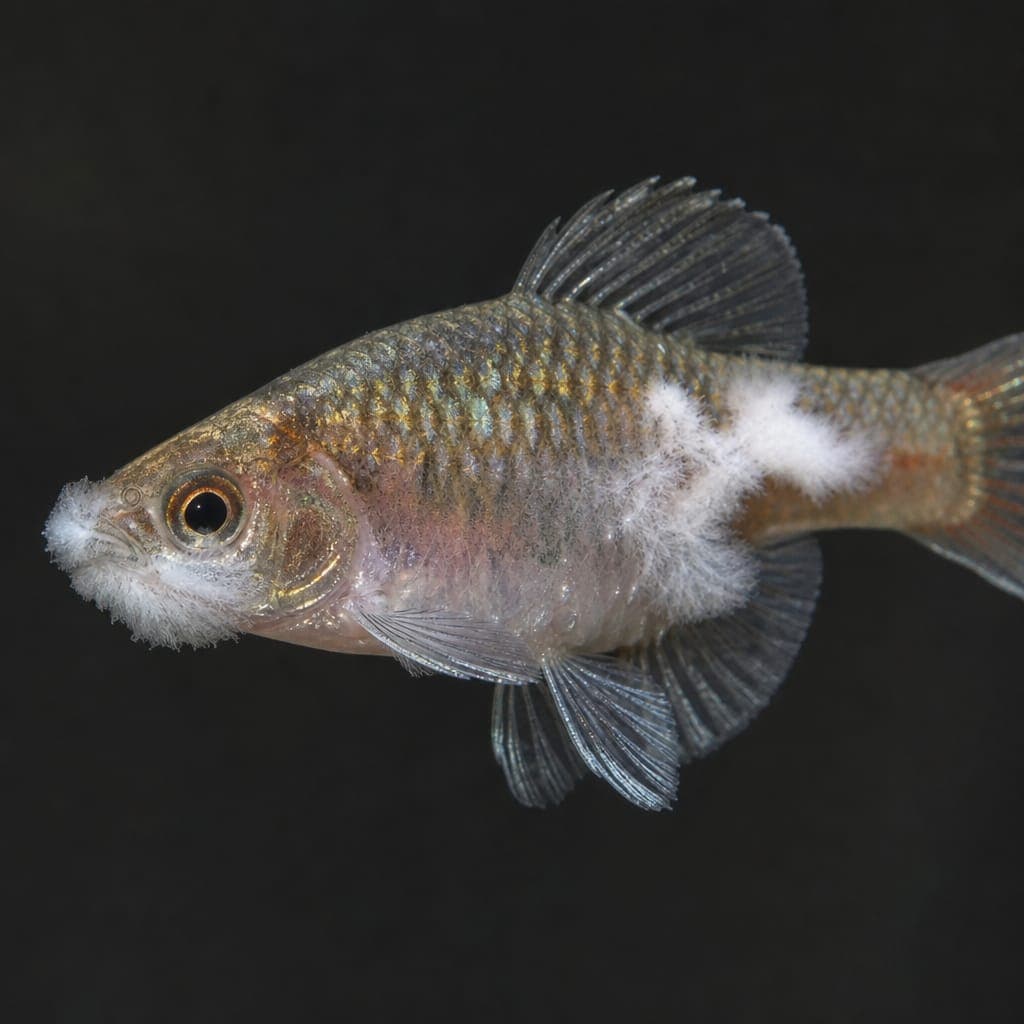
Like many aquarium fish, Topaz Cichlids can be prone to specific health issues, especially if water quality is not maintained. Common diseases include Ich (Ichthyophthirius multifiliis), fin rot, and fungal infections. To prevent these conditions, maintain stable water parameters, perform regular tank maintenance, and observe your fish for any signs of stress or illness.
Quarantine new arrivals before introducing them to your main tank to prevent any potential diseases from affecting your established fish. Additionally, providing a balanced diet will enhance their immune system, making them less susceptible to disease. If health issues arise, prompt treatment using appropriate medications and improved water conditions can often lead to successful recovery.