Brown snotty strings with bubbles: Identification & Treatment
Brown-gold mucus strands trapping small oxygen bubbles, draped over sand and rock — dinoflagellates, which are not true algae and can be toxic to livestock.

Brown snotty strings with bubbles
Brown snotty strings with bubbles is one of the algae types Studio Scaped tracks in marine aquariums. This guide covers how to tell it apart from the types it is most often confused with, what conditions bring it on, the readings worth taking before you treat, and how to stop it returning. In most tanks the deciding factor is light versus what your plants can actually use.
How to identify brown snotty strings with bubbles
Brown-gold mucus strands trapping small oxygen bubbles, draped over sand and rock — dinoflagellates, which are not true algae and can be toxic to livestock.
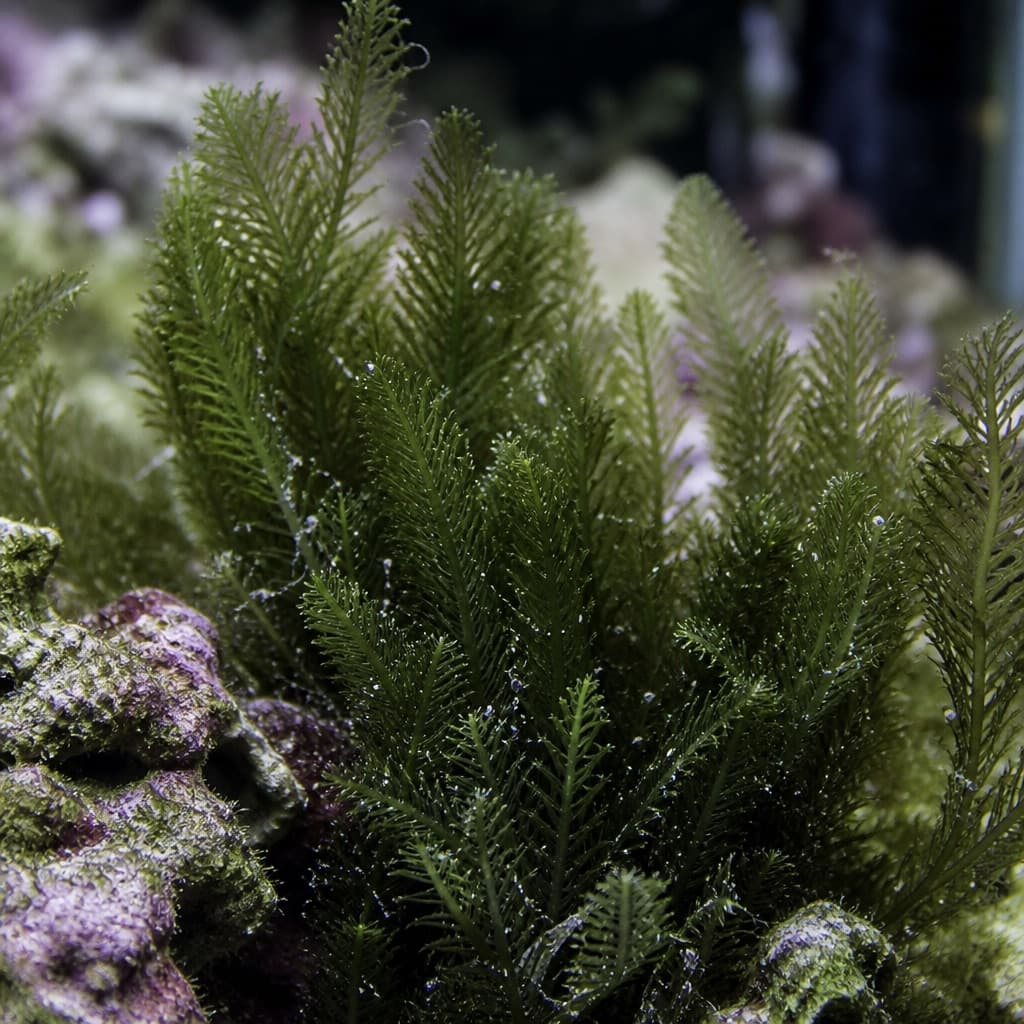
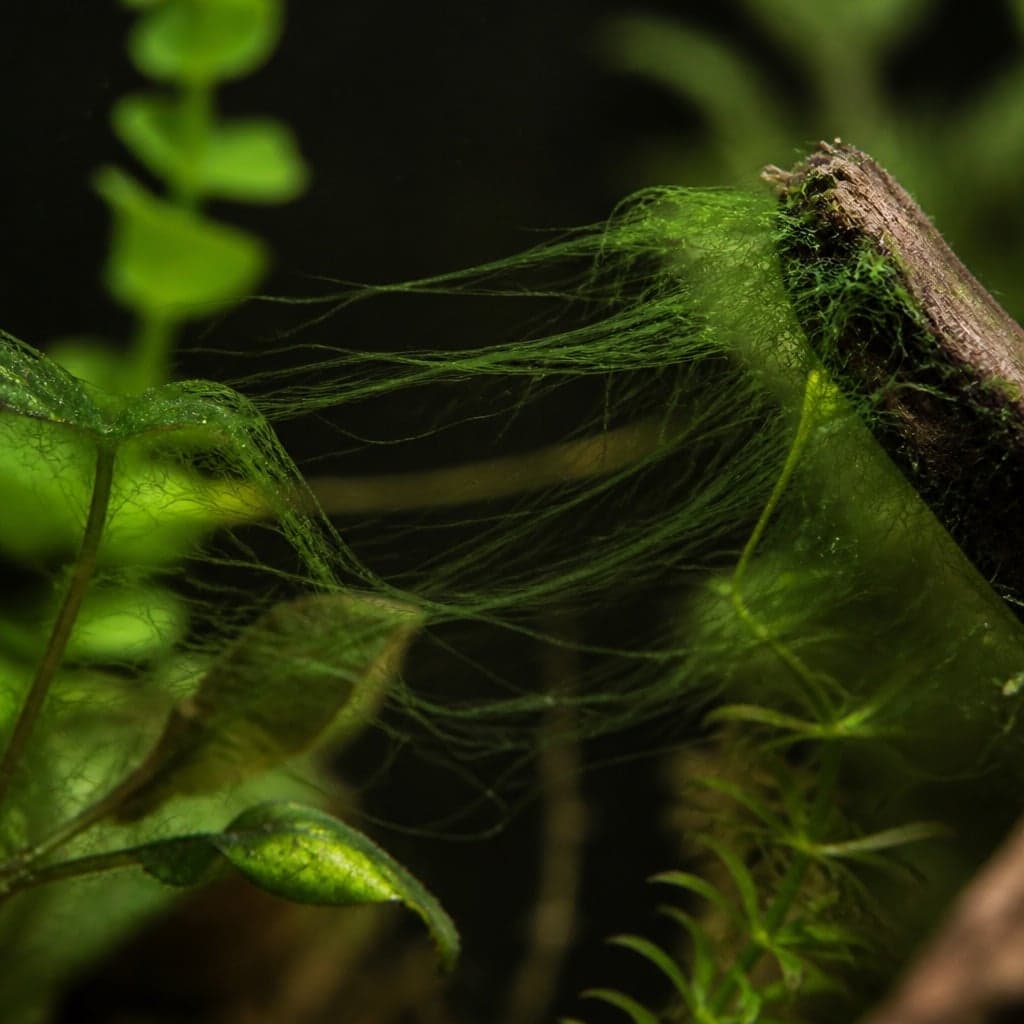
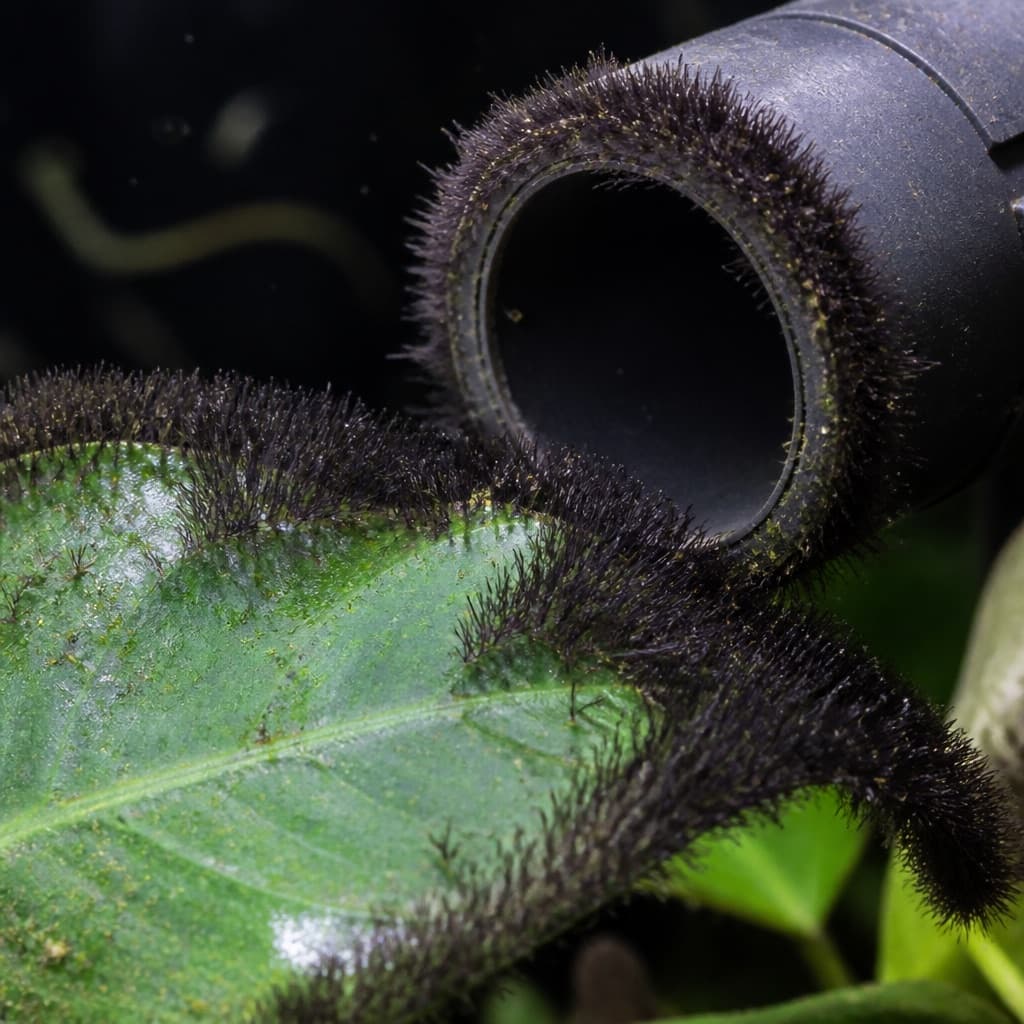
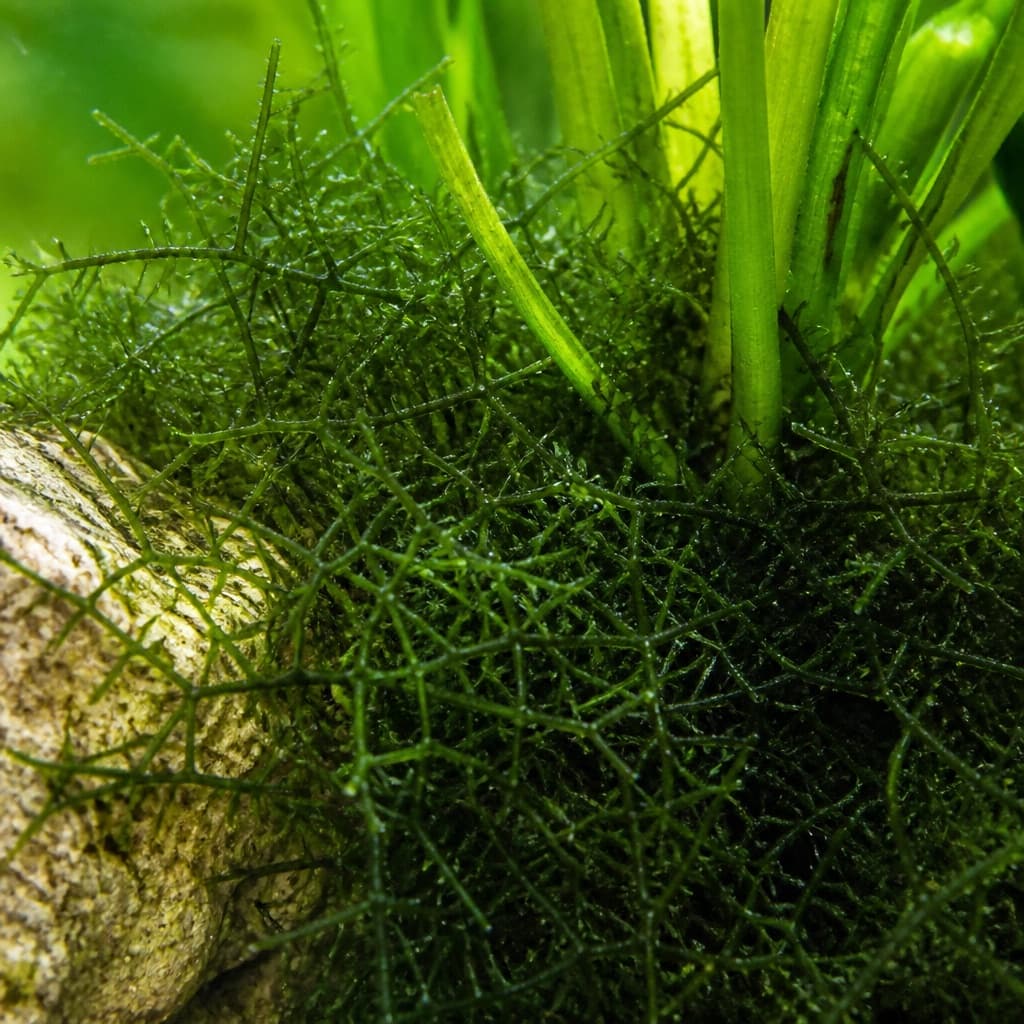
Compare the photograph above with your own tank before treating: several algae types look alike at a glance but respond to completely different corrections, and treating the wrong one wastes weeks. If you are unsure, the full identification guide sets the common types side by side.
Why it appears
Algae is a symptom rather than the disease. In this case the usual trigger is nutrients stripped too low, giving dinoflagellates an advantage over competing algae. The full list of causes worth ruling out:
- Nutrients stripped too low, giving dinoflagellates an advantage over competing algae
- Immature reef systems with little microbial diversity
- Overzealous filtration or carbon dosing that removes competition
- Detritus accumulation in low-flow areas
What to measure, and what the readings mean
| What to measure | Typical target | What an off reading points to |
|---|---|---|
| Nitrate (NO₃⁻) | 5–20 ppm planted · under 10 ppm reef | Climbing nitrate signals more waste going in than water changes and plants export. Near zero in a planted tank starves plants and favours algae. |
| Phosphate (PO₄³⁻) | 0.5–1.5 ppm planted · under 0.1 ppm reef | Often blamed for algae, but stripping it to zero usually backfires: plants stall first and algae takes the space. |
| Light intensity and photoperiod | 6–8 hours for most planted tanks | Light beyond what your plants can use is left over for algae. Reduce duration before intensity — it is the easier variable to control. |
| Filtration and flow | 4× tank volume per hour freshwater · 6×+ reef | Low turnover leaves dead spots where detritus settles. Check working flow rather than the box rating, which assumes clean media and no head height. |
| Tank age / maturity | past initial cycling | New tanks pass through predictable blooms as biofilm and bacteria establish. Some of this resolves with time rather than intervention. |
Take these readings before changing anything. Treating without a baseline leaves you unable to tell which correction worked, and algae problems usually have more than one contributing cause.
Treatment & fixes
- Stop chasing zero nutrients — allowing measurable nitrate and phosphate helps competitors return
- Siphon strands out during water changes rather than blowing them around the tank
- Increase flow and run mechanical filtration you can rinse out frequently
- Some species are toxic to fish and corals, so watch livestock closely and keep oxygenation high
- Identification matters: treatment differs by species, so seek specialist help before dosing
Keeping it from returning
- Reduce photoperiod before intensity; light your plants cannot use is left over for algae
- Keep flow reaching the whole tank — dead spots are where this establishes first
- Dose to your plant mass, not to zero — starving the tank starves plants first
- Quarantine new plants and hardscape, which is how most algae arrives in the first place
Once corrected, brown snotty strings with bubbles usually takes two to four weeks to visibly recede — existing growth does not disappear when the cause does, so remove what you can manually and judge success by whether new growth appears.
Related guides
- Blue-green algae — often confused with this type
- Bryopsis — often confused with this type
- Every algae type, side by side — for identification
- Lighting and spectrum
Frequently asked questions
How long before brown snotty strings with bubbles clears up?
Expect two to four weeks after the cause is corrected. Stop chasing zero nutrients — allowing measurable nitrate and phosphate helps competitors return Existing growth generally has to be removed by hand — correcting conditions stops it spreading rather than dissolving what is already there.
Will algae eaters deal with it for me?
Grazers help hold a corrected tank clean; they rarely fix an uncorrected one. Do not rely on grazers, and be cautious: some dinoflagellate strains are toxic to invertebrates and fish.
Should I strip nutrients to starve it out?
Usually backfires. Plants stall before algae does, and the nutrients they stop using become available to the algae instead. Balance light, CO₂ and dosing to your plant mass rather than cutting fertilisation to zero.