Automatic vs. Manual Feeding
Automatic vs. manual fish feeding: A complete comparison. Learn when to trust auto-feeders for vacations and why manual feeding remains the gold standard for health checks.
Automatic vs. Manual Feeding
In the age of smart homes and automation, the humble task of feeding fish has also evolved. While automatic feeders offer undeniable convenience, they each have their place in a well-managed aquarium. Treat automation as a backup for consistency and travel — not as a replacement for watching how fish eat.
Manual Feeding: The Personal Touch
Most experienced hobbyists prefer manual feeding as their primary method. Standing at the tank for two minutes tells you who is missing, who is hanging back, and whether leftovers are sinking into the substrate. That daily census catches disease earlier than any gadget.
Pros
- Health Checks: It's the best time to see if every fish is active and eating.
- Targeted Feeding: You can ensure the shy fish at the bottom get their share before the faster surface fish steal it.
- Variable Diet: It's easy to alternate between flakes, pellets, and frozen treats.
- Interaction: Many fish (like Oscars, Bettas, and Goldfish) learn to recognize their owners and ''beg'' for food.
Cons
- Human Error: It's easy to forget if you have a busy schedule.
- Overfeeding: We often succumb to those ''begging'' eyes and give more than needed.
Automatic Feeders: The Reliable Assistant
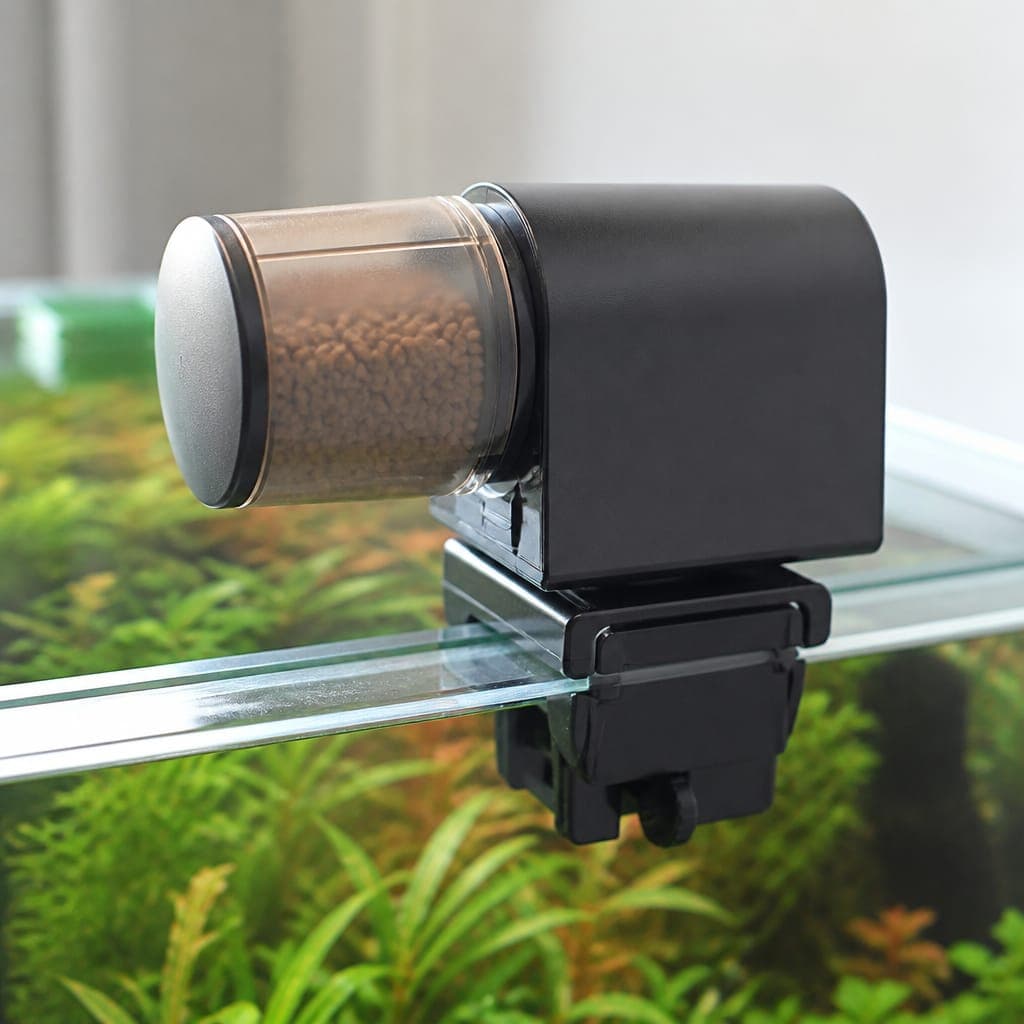
Modern auto-feeders are programmable devices that dispense a set amount of dry food at specific times. They shine for vacation coverage and for fry that need several small meals while you are at work. They cannot replace frozen or live foods, and they cannot notice a sick fish refusing to eat.
When to Use
- Vacations: Essential for trips longer than 3-4 days.
- Busy Lifestyles: Ensuring consistent feeding times when you work long hours.
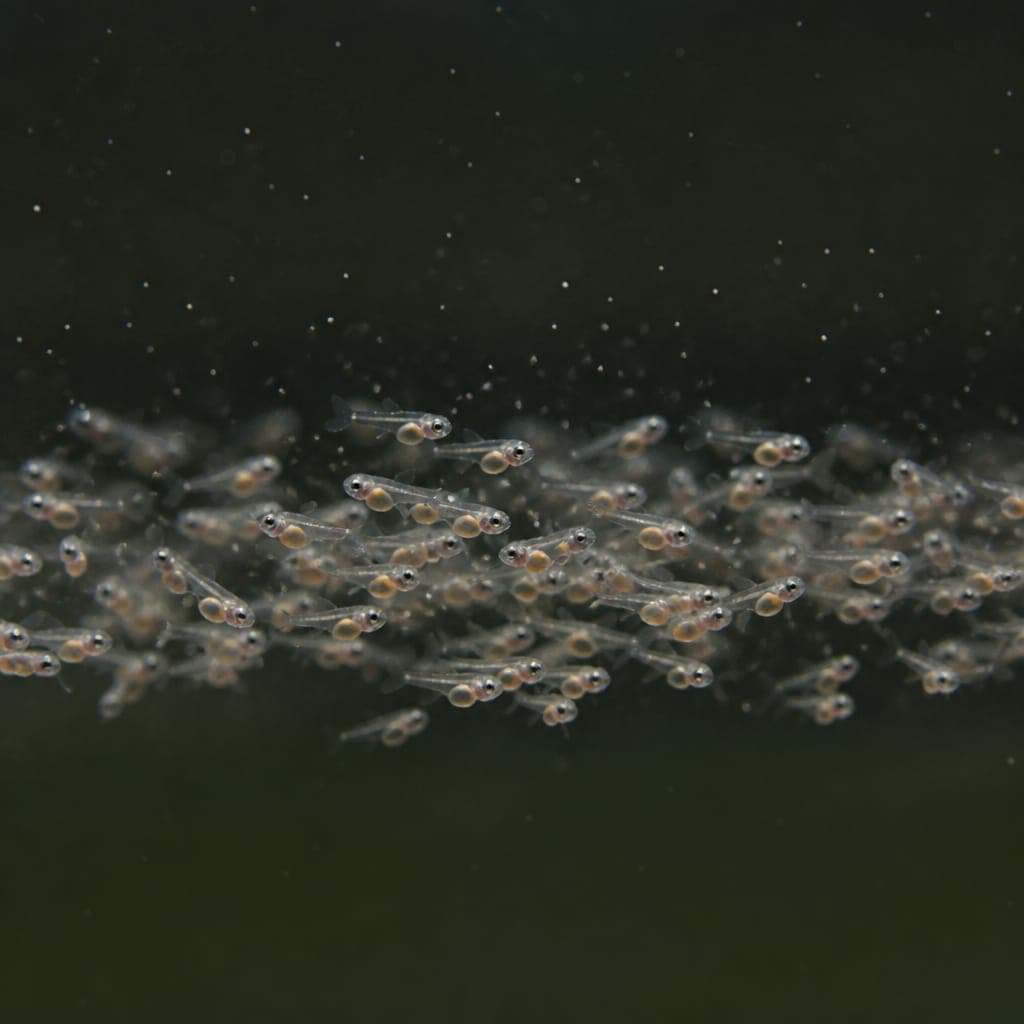
- Fry Growth: Providing small, frequent meals throughout the day while you are at work.
Pros
- Consistency: Exact same amount at the exact same time every day.
- Independence: Freedom to travel without worrying.
Cons
- Risk of Malfunction: A feeder stuck in the ''open'' position can dump an entire tin of food into the tank, causing a total crash.
- Limited Food Choice: Only works with dry food (flakes, pellets). Cannot handle frozen or live food.
- Moisture Issues: Humidity from the tank can sometimes clump the food inside the feeder.
Recommendations for Auto-Feeders
If you decide to use an auto-feeder:
- Test It First: Always run the feeder for 3-4 days before you leave on vacation to ensure the portion size is correct.
- Use High Quality: Use a feeder with an integrated fan or a moisture-resistant design.
- Position Carefully: Ensure the drop zone is not directly over an air stone or a high-flow area where food will be blown straight into the filter intake.
Fill the hopper with only enough food for the trip, not a full tin, so a jammed mechanism cannot empty weeks of food in one night. Prefer smaller pellets that dispense cleanly over large flakes that bridge and then dump. After travel, resume manual feeding and check nitrates — even a well-set feeder can leave a little more waste than your usual hand portions.
Final Verdict
For the healthiest aquarium, Manual Feeding should be your daily standard, with Automatic Feeding reserved as a backup for travel or specialized fry-rearing schedules.