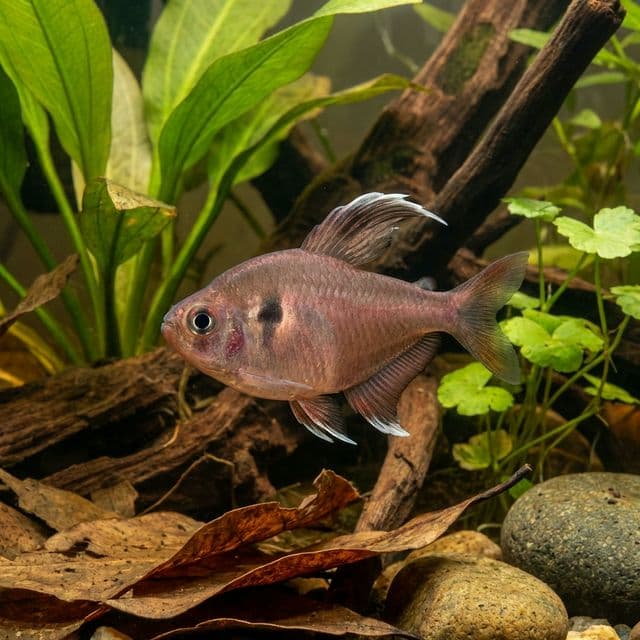
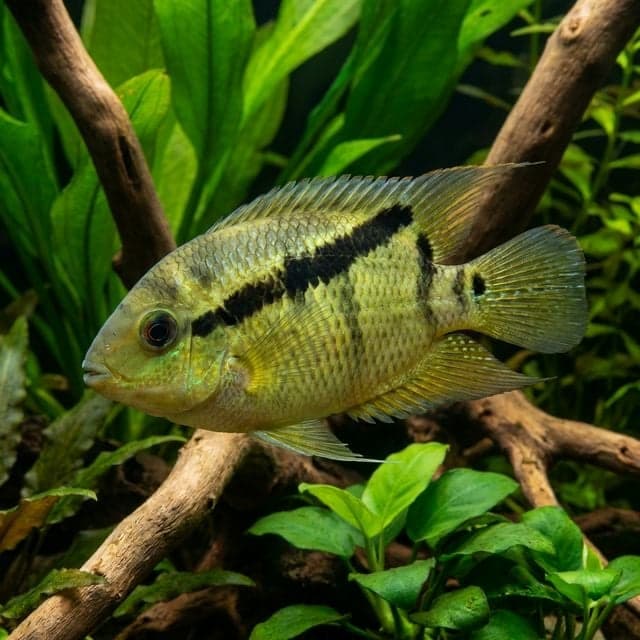
Orinoco Dwarf Plec L202: Peckoltia lineola
A handsome, distinctly banded dwarf pleco from the fast-flowing waters of the Orinoco basin.
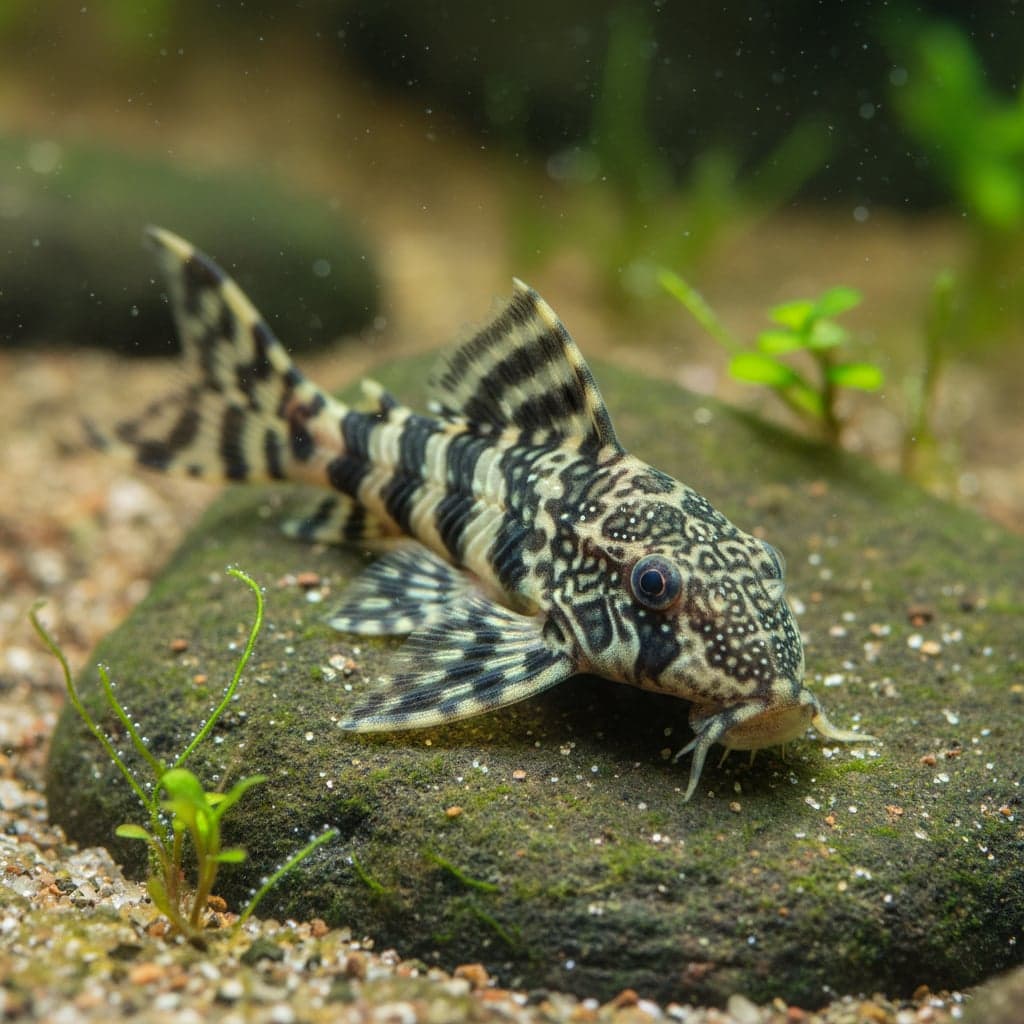
Orinoco Dwarf Plec L202
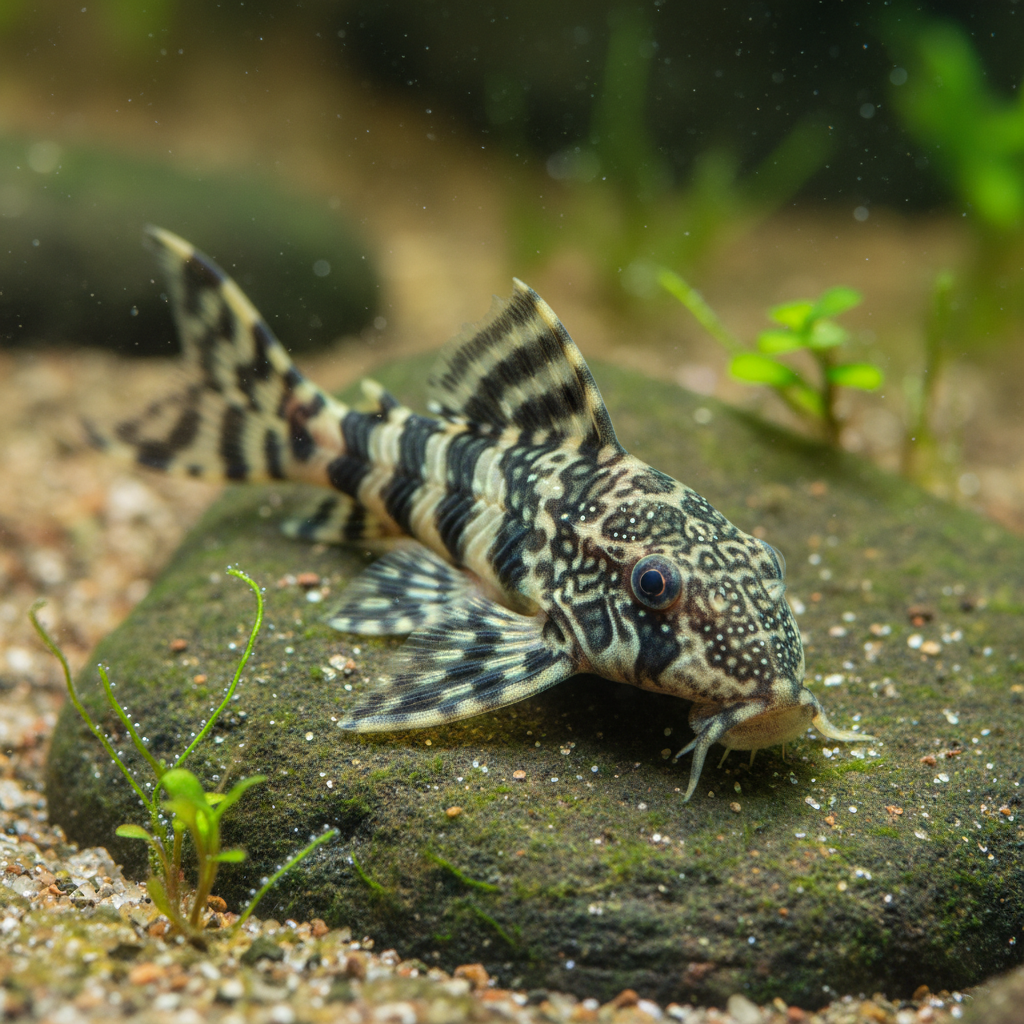
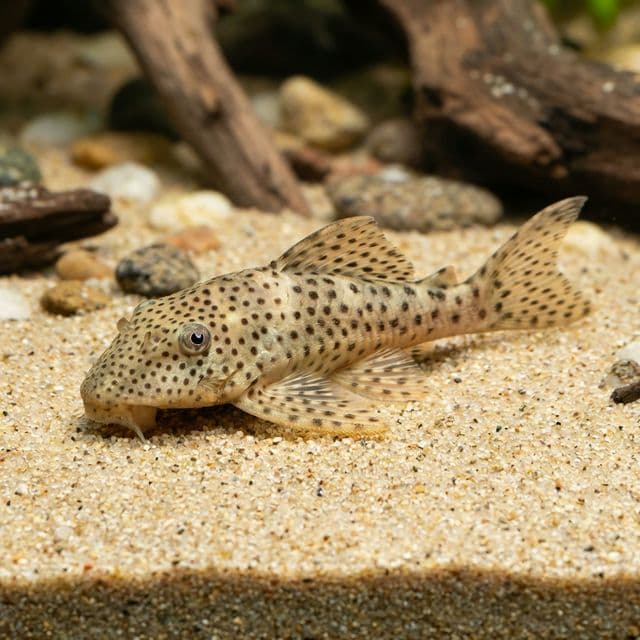
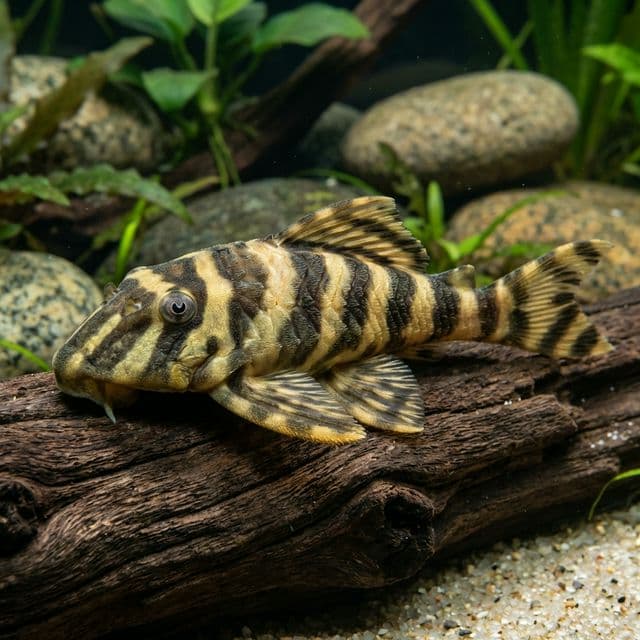
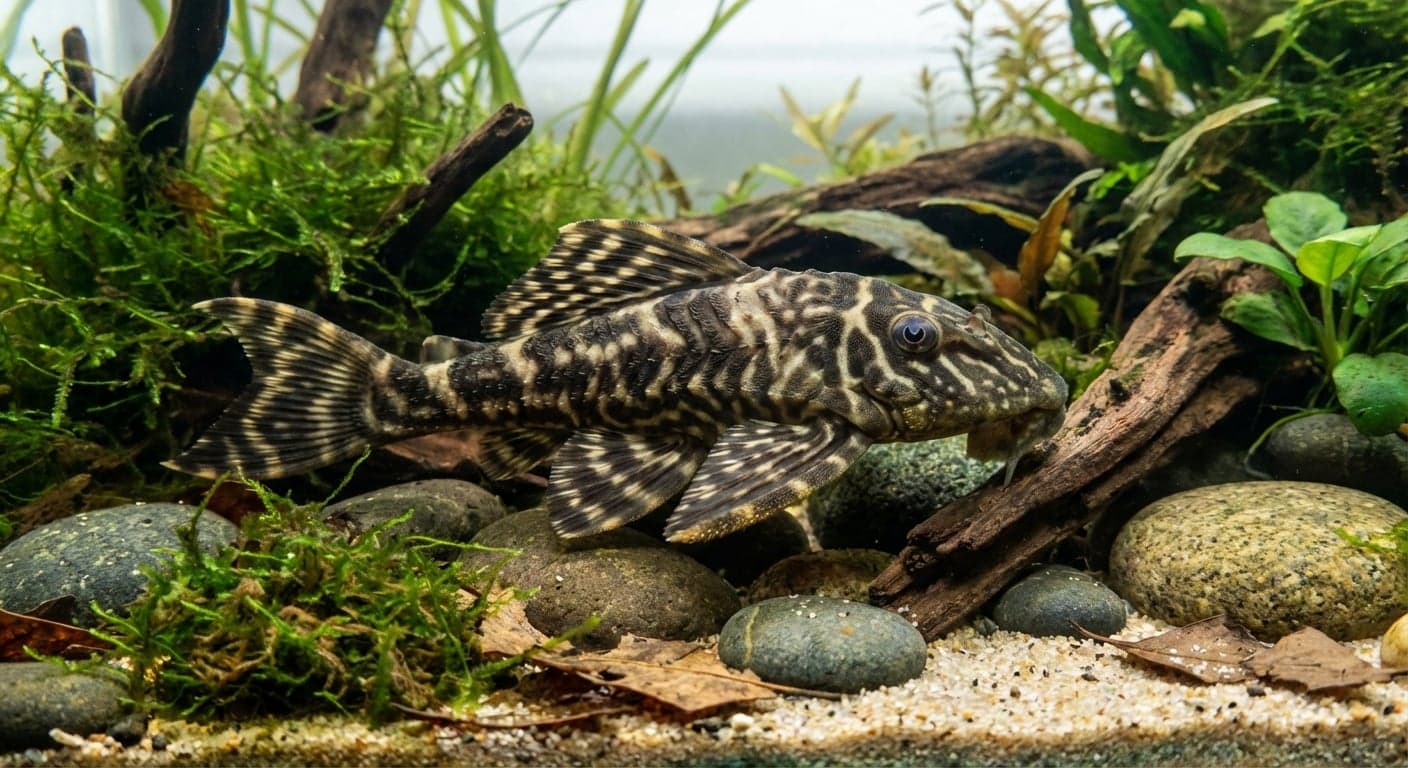
The Orinoco Dwarf Plec L202, scientifically known as Peckoltia lineola, is a captivating species of freshwater catfish that has gained popularity among aquarium enthusiasts. Sporting a striking appearance characterized by a blend of intricate patterns, this fish features a base coloration of light brown or tan adorned with dark brown to black stripes and spots. This unique patterning not only makes it visually appealing but also allows it to camouflage seamlessly in its natural habitat. With a maximum size of around 4-5 inches, the Orinoco Dwarf Plec is an excellent choice for smaller aquariums and provides aquarists with the opportunity to appreciate the varied aesthetics this species offers.
The Orinoco Dwarf Plec's significance in the aquarium hobby extends beyond its beauty; it plays a vital role in maintaining tank health through its natural algae-eating behavior. As an efficient herbivore, it helps control algae growth, promoting a cleaner and healthier aquatic environment. This species is not only interesting to observe but also pragmatically beneficial, making it a prized addition to community tanks for both novice and experienced aquarists.
Natural Habitat & Origin
The Orinoco Dwarf Plec originates from the Orinoco River basin in South America, primarily found in regions of Venezuela and Colombia. These fish thrive in blackwater environments, characterized by low light levels, soft water, and high levels of tannins from decomposing plant materials. The Orinoco River itself flows through dense rainforests, where the aquatic ecosystem maintains a delicate balance, providing the Dwarf Plec with both shelter and sustenance amidst submerged wood and leaf litter. This specific habitat influences their adaptive traits and behavior, contributing to their unique coloration and feeding patterns.
The waters these fish inhabit are typically warm, with temperatures ranging from 24°C to 28°C (75°F to 82°F), and display a slightly acidic pH of around 6.0 to 7.0. The substrate consists of fine sand or soft mud layered with fallen leaves and various wood structures, which serve as both a food source and hiding spots. Understanding the natural habitat of the Orinoco Dwarf Plec is crucial for replicating its needs in captivity, ensuring the fish's health and happiness in a home aquarium.
Care Requirements
To successfully care for the Orinoco Dwarf Plec, it is essential to maintain specific water parameters. The ideal pH should range between 6.0 and 7.0, with a temperature maintained between 24°C and 28°C (75°F to 82°F). Hardness should be kept soft to moderately hard, ranging from 2 to 15 dGH. A minimum tank size of 20 gallons is recommended to provide adequate swimming space and territorial areas for this species.
Setting up the tank requires careful consideration of substrate and decor. A fine, soft sand substrate mimics its natural habitat and is less abrasive on the fish’s delicate body. Incorporating driftwood and densely planted areas can offer hiding spots and spawning opportunities. Low to moderate lighting works best, as these fish prefer dimly lit environments. Utilizing floating plants or canopy structures can diffuse excess light and create a comfortable environment for the Orinoco Dwarf Plec, mimicking the shaded light conditions of its native waters.
Diet & Feeding
The Orinoco Dwarf Plec is primarily an omnivore, though its diet is largely herbivorous. In the wild, it feeds on algae, detritus, and decaying plant matter. In an aquarium setting, a varied diet promotes optimal health. High-quality algae wafers should be the staple of their diet, alongside sinking pellets formulated for herbivorous fish. Supplementing their diet with blanched vegetables such as zucchini, cucumbers, and spinach can enhance their nutrient intake. Additionally, providing occasional protein sources such as frozen or freeze-dried bloodworms or brine shrimp can ensure a balanced diet. Regularly altering their diet can prevent boredom and encourage healthy eating habits.
Feeding should occur once or twice daily, offering only what they can consume within a few hours to prevent water quality deterioration. It is also advisable to observe their feeding habits, as some individuals may be shy and may require a peaceful environment to feed comfortably.
Behavior & Temperament
The Orinoco Dwarf Plec is generally a peaceful and reclusive species, often displaying shy behavior, especially during the day. These fish are largely nocturnal, becoming more active during the night when they search for food among rocks and wood in the tank. They are not overly aggressive but can exhibit territorial tendencies, especially males when establishing their space. It is advantageous to provide plenty of hiding spots and visual barriers within the tank to mitigate any aggressive encounters.
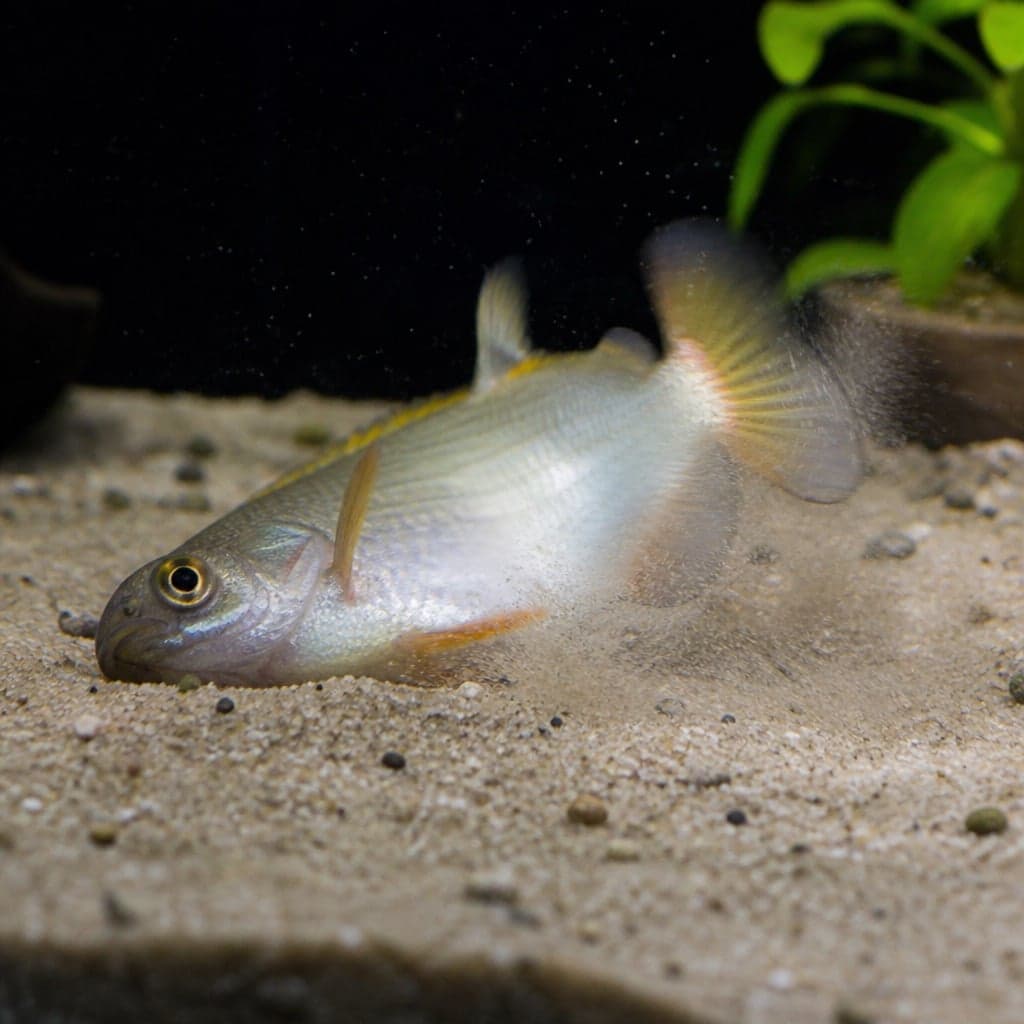
Although the Orinoco Dwarf Plec does not require schooling, they can thrive when kept in small groups, as social interactions can enhance their natural behaviors. They typically occupy the bottom to mid-level of the aquarium, showcasing their foraging behaviors around structures such as driftwood and caves.
Tank Mates
Choosing compatible tank mates for the Orinoco Dwarf Plec is crucial for a harmonious aquarium environment. Ideal tank companions include other peaceful bottom-dwellers such as Corydoras Catfish and small tetras, as well as livebearers such as Guppies and Endlers. Additionally, larger peaceful species like the Rainbowfish and smaller Cichlid varieties can coexist without conflict.
Species to avoid include aggressive and territorial fish, such as large Cichlids or fast-moving species that may stress the Dwarf Plec. Additionally, bottom-dwelling fish that compete for the same niche or space can lead to aggression and territorial disputes. Keeping a balanced community is achievable with adequate knowledge of each species' behavioral traits.
Breeding
Breeding the Orinoco Dwarf Plec in captivity can be challenging but rewarding for dedicated aquarists. These fish are substrate spawners, typically laying eggs in secluded spaces such as caves or amongst dense plant coverage. To encourage breeding, a specialized breeding setup can be created, incorporating a breeding cave made from clay or suitable materials that mimic their natural nesting substrates.
Water conditions play a significant role in prompting breeding. A slight increase in temperature (around 28°C or 82°F) and the introduction of small amounts of softened water can stimulate spawning behavior. Once spawning occurs, the male will guard the eggs, fanning them to ensure proper aeration. The eggs typically hatch within 4-7 days, and the fry can be fed powdered food or small sinking pellets once they become free-swimming. Separating the fry into a separate tank after a few weeks can prevent overcrowding and competition for food.
Common Health Issues
The Orinoco Dwarf Plec is generally hardy but can be susceptible to certain health issues. Common diseases include ich (Ichthyophthirius multifiliis), skin flukes, and bacterial infections, particularly if water conditions are not adequately maintained. Signs of illness may include lethargy, abnormal swimming behavior, or spots on the skin.
Prevention is key; maintaining stable water parameters, regular tank maintenance, and offering a nutritious diet will bolster their immune system. Quarantining new arrivals before introducing them to the main tank can also help prevent the spread of diseases. If signs of illness occur, isolate the fish in a hospital tank and treat with appropriate catfish-safe medications, avoiding copper when possible. Keep soft wood and biofilm available so they are not competing for food, and maintain strong oxygenation with gentle flow. Watch for white spots, clamped fins, lethargy, or loss of appetite, and act early before secondary infections take hold. Stable soft water, a varied diet of algae wafers and vegetables, and a stress-free setup keep Orinoco Dwarf Plecs grazing actively and looking their best for years.