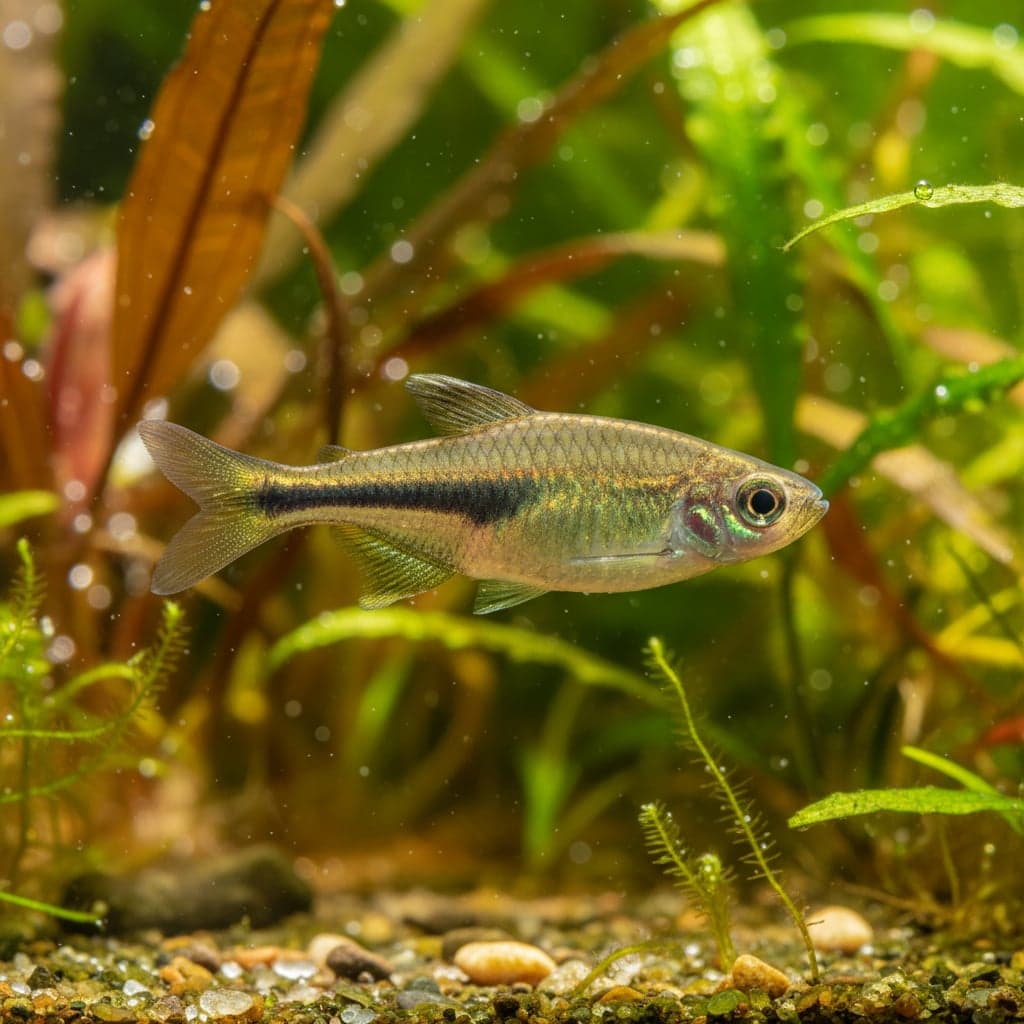
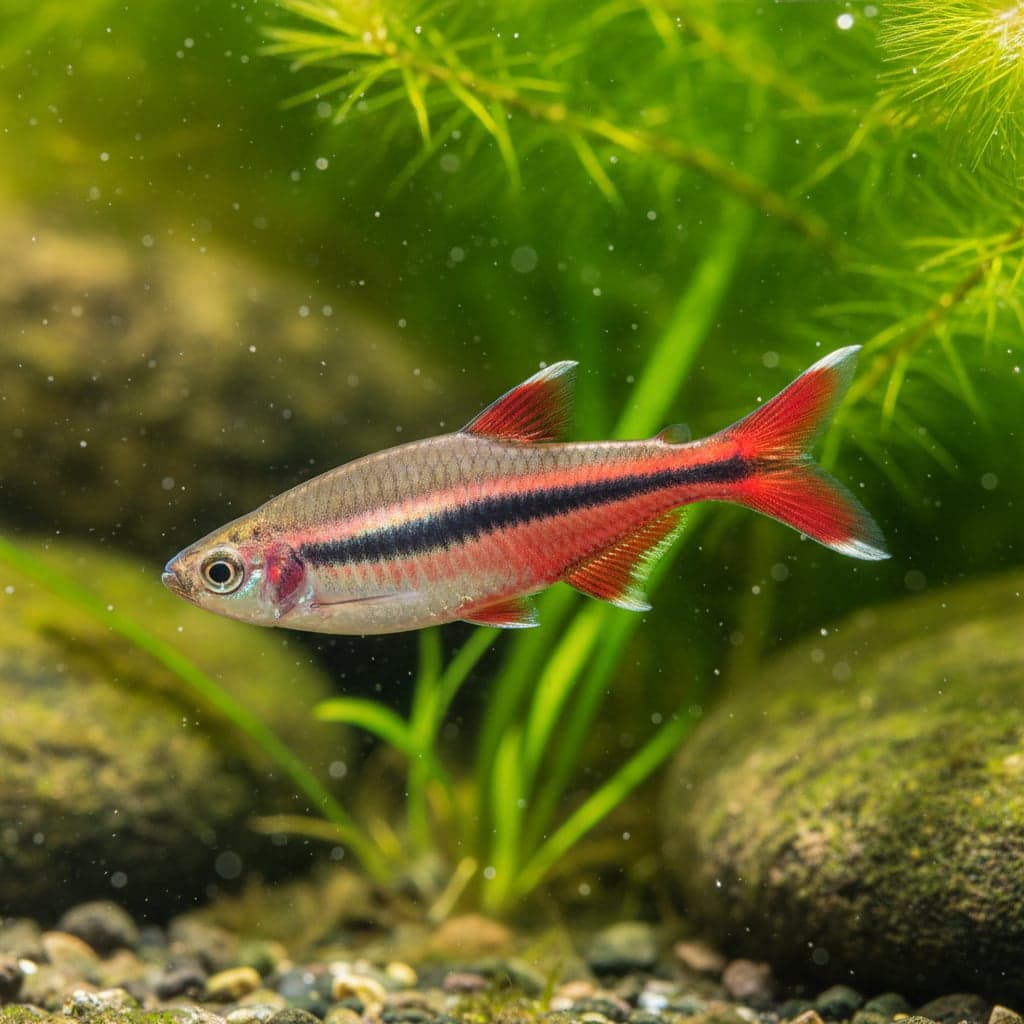
Red Cherry Rasbora: Rasbora lacrimula
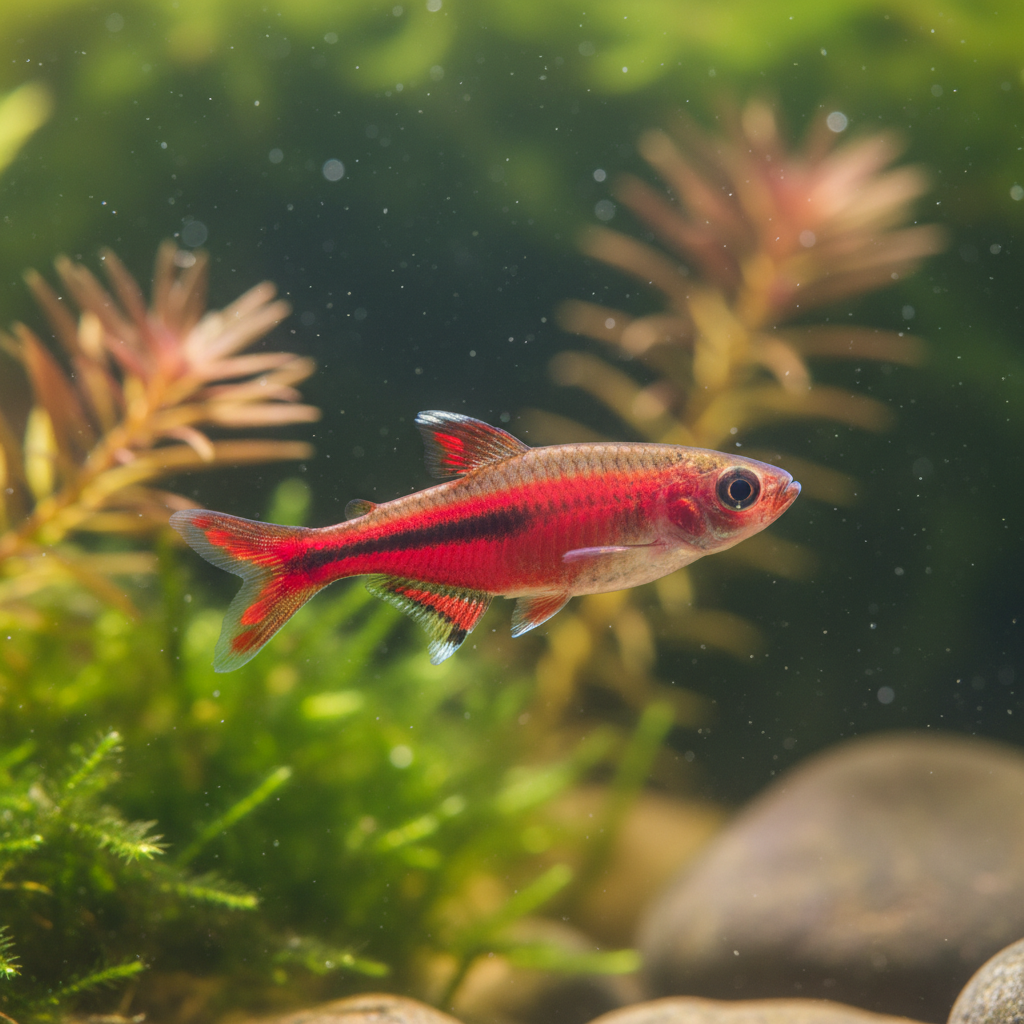
An incredibly rare, stunningly bright schooling cyprinid featuring an intense ruby-red horizontal stripe over a gold body.
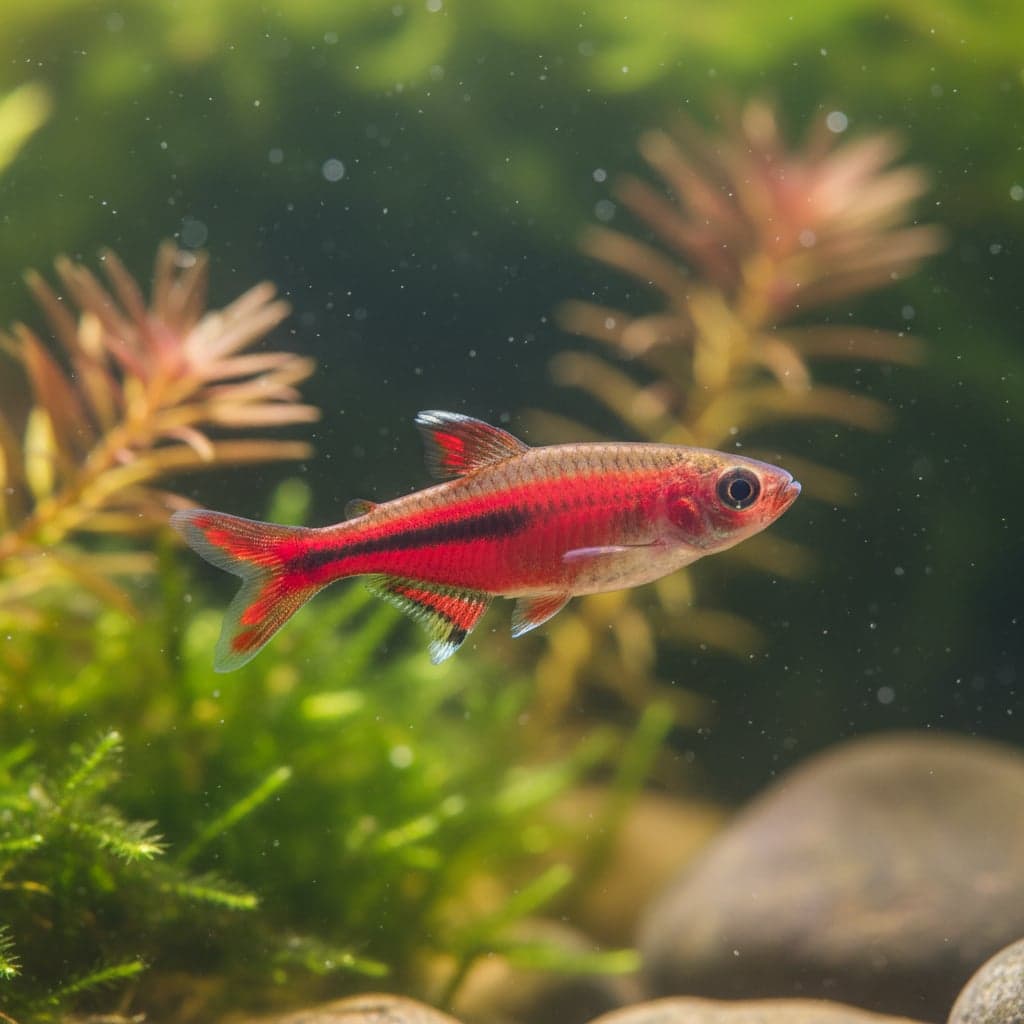
Red Cherry Rasbora
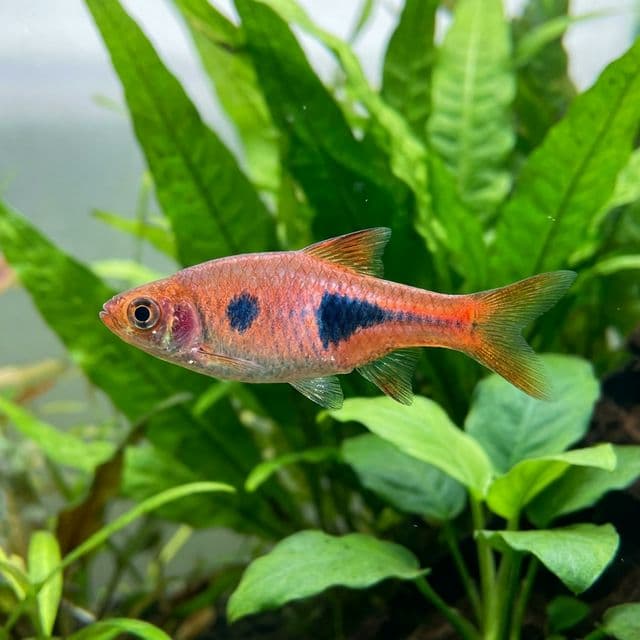
The Red Cherry Rasbora, scientifically known as Rasbora lacrimula, is a captivating freshwater fish native to Southeast Asia. Known for its striking beauty, this species showcases a vibrant red-orange hue complemented by delicate black markings that enhance its visual appeal. These fish typically reach a size of around 1.5 to 2 inches, making them a perfect choice for both nano aquariums and larger community setups. Their lively swimming patterns and charismatic behavior contribute to their popularity among aquarists, with the Red Cherry Rasbora often becoming a centerpiece in well-planned aquascapes.
In addition to their aesthetic value, Red Cherry Rasboras hold significant importance in the aquarium hobby as hardy and adaptable species. Their ease of care makes them ideal for beginners while providing experienced aquarists with opportunities for creative tank designs. The Red Cherry Rasbora's sociable nature ensures that they thrive in schools, which not only positively influences their health but also enhances the dynamic of the aquarium. Overall, they embody a seamless blend of beauty and ease of maintenance, making them a staple in the aquatic community.
Natural Habitat & Origin
The Red Cherry Rasbora is primarily found in the freshwater streams and rivers of Southeast Asia, particularly in regions of Thailand, Malaysia, and Indonesia. These fish inhabit blackwater environments that are characterized by stained waters from decaying plant material, leading to softer, more acidic conditions. In their natural habitat, they prefer slow-moving waters with abundant vegetation, which provides both food sources and hiding spots. The ecological context of their environment suggests that they thrive in areas rich in leaf litter and submerged wood, which contribute to their preferred water parameters.
This species is adapted to live in a range of water conditions but is typically found in slightly acidic to neutral waters with low mineral content. The rich biodiversity of their native habitat presents an opportunity for aquarists to recreate a similar environment, supporting the health and well-being of the Red Cherry Rasbora in captivity.
Care Requirements
To provide optimal care for the Red Cherry Rasbora, maintaining specific water parameters is crucial. Ideal pH levels range from 6.0 to 7.5, with temperatures between 72°F to 82°F (22°C to 28°C). Keeping hardness levels between 2-12 dGH ensures a suitable environment for these fish. A minimum tank size of 10 gallons is recommended, allowing ample space for schools to swim and exhibit natural behaviors. The substrate should be soft, such as sand or fine gravel, to prevent any damage to their delicate bodies.
For the tank setup, lighting should be moderate to low, emulating their natural dim conditions. Planting densely with a mix of live plants—such as Java moss, floating plants, and broad-leaved varieties—creates a natural habitat that provides shelter and enhances water quality. Incorporating driftwood and other decorations will not only increase the aesthetic appeal of the aquarium but also serve as hiding spots, contributing to a stress-free environment for the Red Cherry Rasbora.
Diet & Feeding
The Red Cherry Rasbora is an omnivore, showcasing a diverse diet that can include high-quality flakes, micro pellets, and frozen or live foods such as brine shrimp and daphnia. Providing a varied diet is essential for their health and vitality, promoting vibrant coloration and robust growth. It’s recommended to feed them small portions 2-3 times a day, ensuring that any uneaten food is removed to maintain water quality. A well-rounded diet will help in achieving optimal health and promoting natural behaviors in the aquarium.
Recommended Feed Types
- Flakes & Pellets: Choose high-quality fish flakes and micro pellets formulated specifically for small tropical fish.
- Frozen Foods: Incorporate staple frozen foods like bloodworms and brine shrimp periodically to enhance their diet and mimic natural feeding.
- Live Foods: If possible, offering live foods can stimulate their predatory instincts and ensure they thrive in captivity.
Behavior & Temperament
The Red Cherry Rasbora displays peaceful, social behavior and is known for its schooling habits. These fish are best kept in groups of at least six to eight individuals, enabling them to feel secure and exhibit natural schooling behavior. They are relatively non-aggressive and can be kept in a community tank with other small, peaceful species. Within the tank, they typically occupy the mid to upper levels of the water column, darting in schools and enjoying a lively dynamic within the aquarium.
Although they may occasionally showcase some competition for food, this behavior is generally mild and should pose no threat to other tank mates. Creating a well-planted environment will also help reduce stress levels, as it offers places to hide when they feel threatened, further enhancing their established patterns of movement and interaction.
Tank Mates
When selecting tank mates for the Red Cherry Rasbora, it's essential to choose compatible species that share similar care requirements and temperament. Here are some recommended tank mates:
-
Compatible Species:
- Neon Tetras
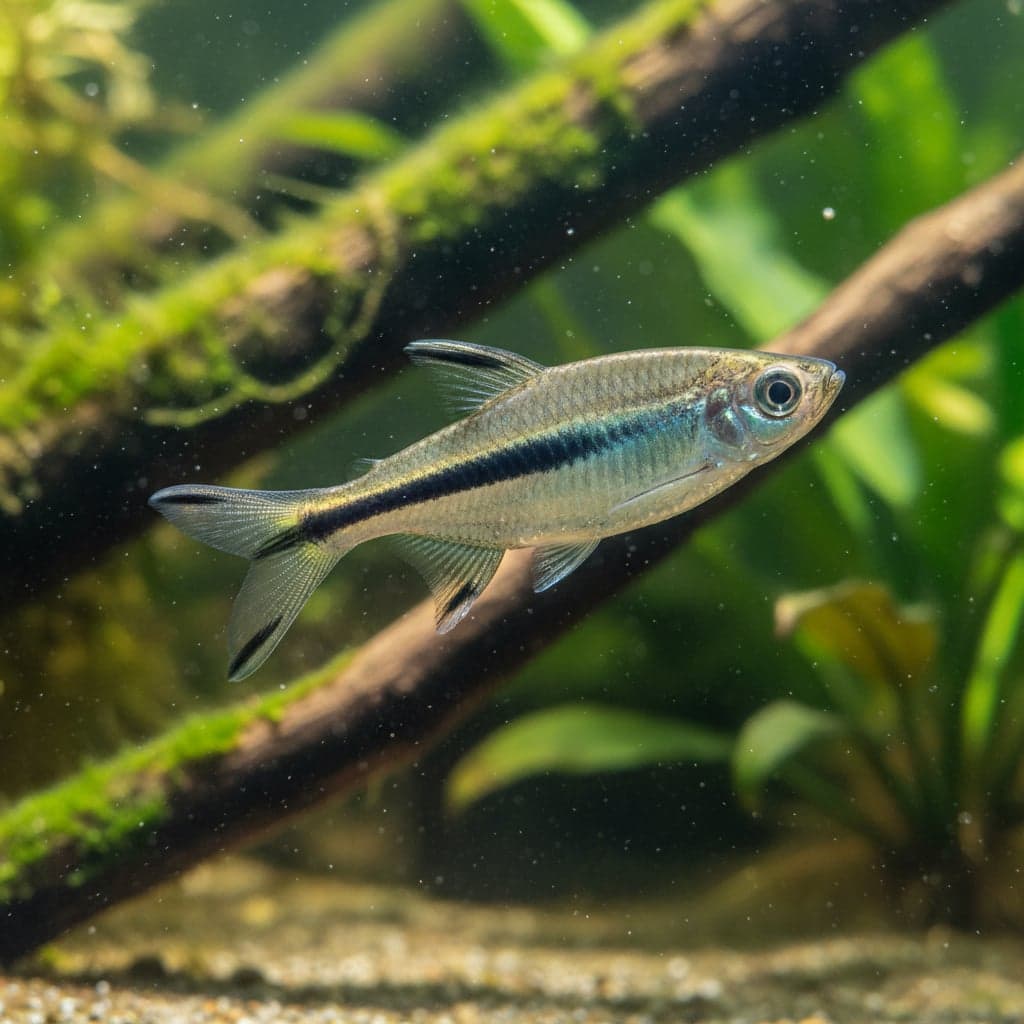
- Harlequin Rasboras
- Corydoras Catfish
- Cherry Shrimp
- Guppies
- Endler's Livebearers
- Otocinclus Cats
-
Species to Avoid:
- Larger or aggressive species such as Cichlids or Goldfish
- Fish that might predate on smaller species, like larger Barbs or some Gouramis.
These combinations will promote a harmonious community tank while allowing the Red Cherry Rasbora to thrive without stress.
Breeding
Breeding Red Cherry Rasboras in captivity can be a rewarding experience, although it requires specific conditions to stimulate spawning. To induce breeding, a slight increase in temperature (around 80°F or 27°C) and improved water quality can be beneficial. Ideal conditions include a well-planted breeding tank with fine-leaved plants for egg deposition, as the eggs will need hiding spots to protect them from being eaten by other fish.
During breeding, males will showcase increased coloration and engage in courtship displays. Spawning typically occurs in the early morning hours, with females laying clay-colored eggs that adhere to plant leaves. After spawning, it's essential to separate the adult fish from the eggs, as they may consume them. After a few days, the eggs will hatch, and fry can be fed infusoria or finely crushed flake food until they are large enough to consume regular fish food.
Common Health Issues
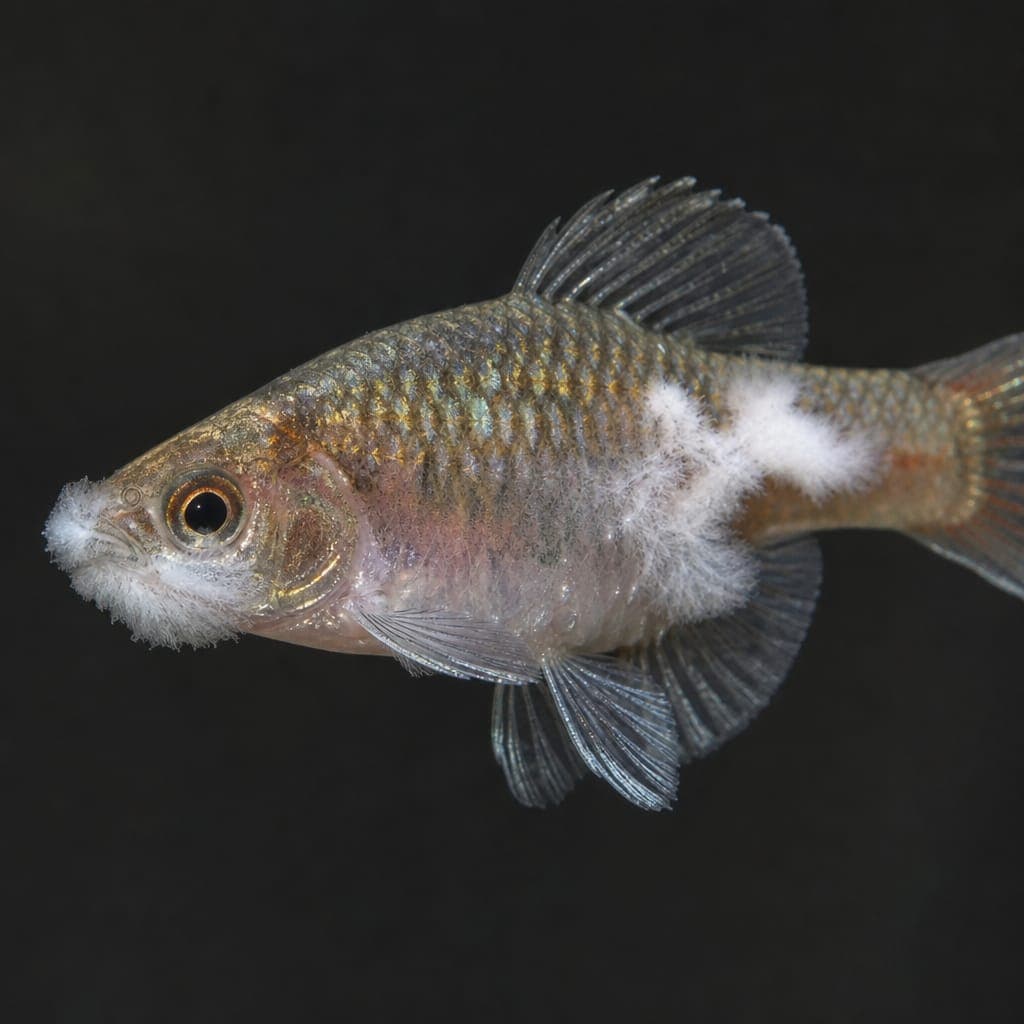
While the Red Cherry Rasbora is generally a hardy fish, they can be susceptible to several common health issues. One such condition is Ich (Ichthyophthirius multifiliis), a protozoan parasite that thrives in stressful environments. Prevention includes maintaining water quality, temperature, and avoiding overcrowding. Other common ailments include Fin Rot, which can arise from poor water conditions, and Columnaris, often linked to stress or poor diet.
Regular observations of their behavior and physical condition will help identify any health concerns early on. Additionally, routine water changes and tank maintenance can significantly reduce the risk of these health issues, ensuring a thriving environment for the Red Cherry Rasbora.