Bucephalandra Care Guide for Stunning Aquascapes
Discover bucephalandra care tips and tricks to create beautiful, low-maintenance aquascapes that enhance your aquarium's aesthetic and diversity.
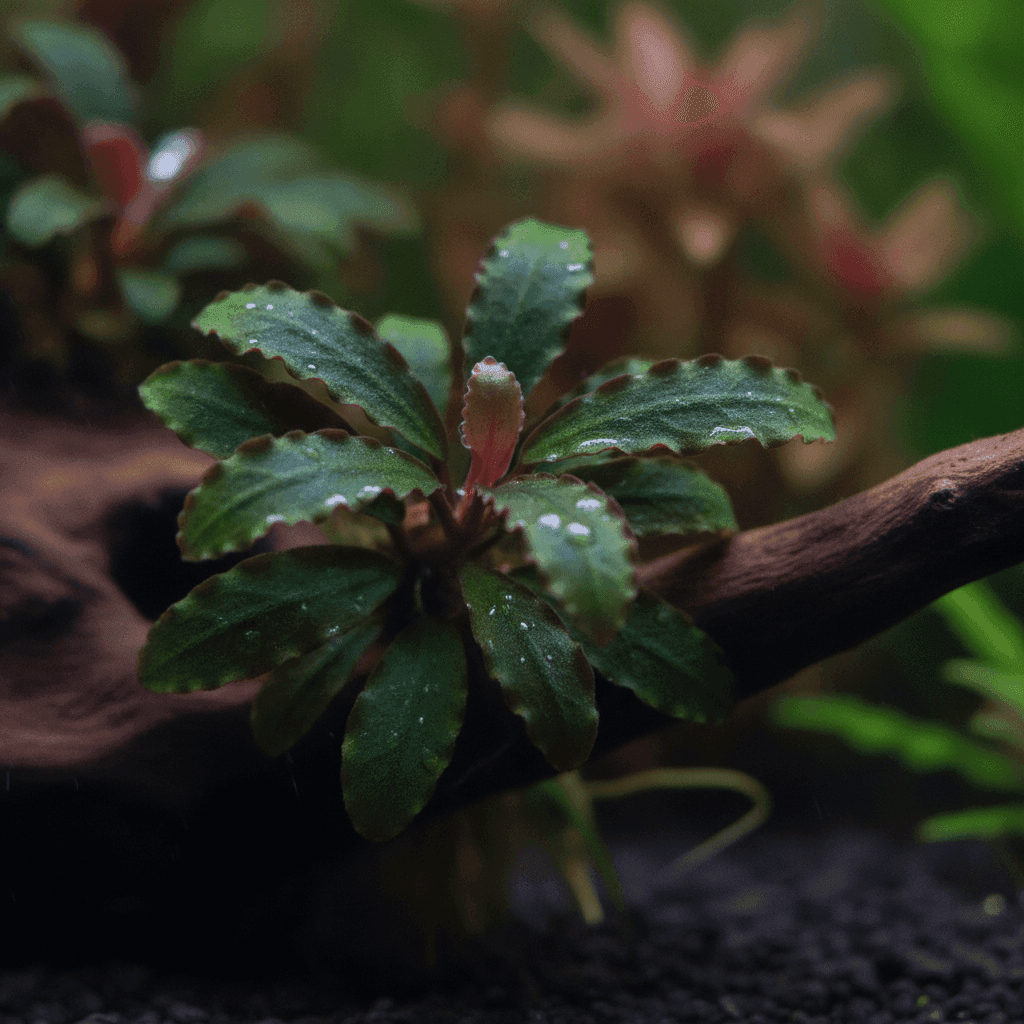
Bucephalandra Care: A Guide to Growing Stunning Aquascapes
Bucephalandra, a captivating genus of aquatic plants, has won the hearts of aquascapers and hobbyists alike. These plants are celebrated for their unique look and adaptability, thriving in various conditions while growing slowly. As epiphytes, they grow beautifully on surfaces like rocks and driftwood, making them ideal for creative aquascaping. With their diverse forms and colors, bucephalandra add a gorgeous touch to any planted aquarium, enhancing both aesthetic appeal and biological diversity.
Understanding Bucephalandra
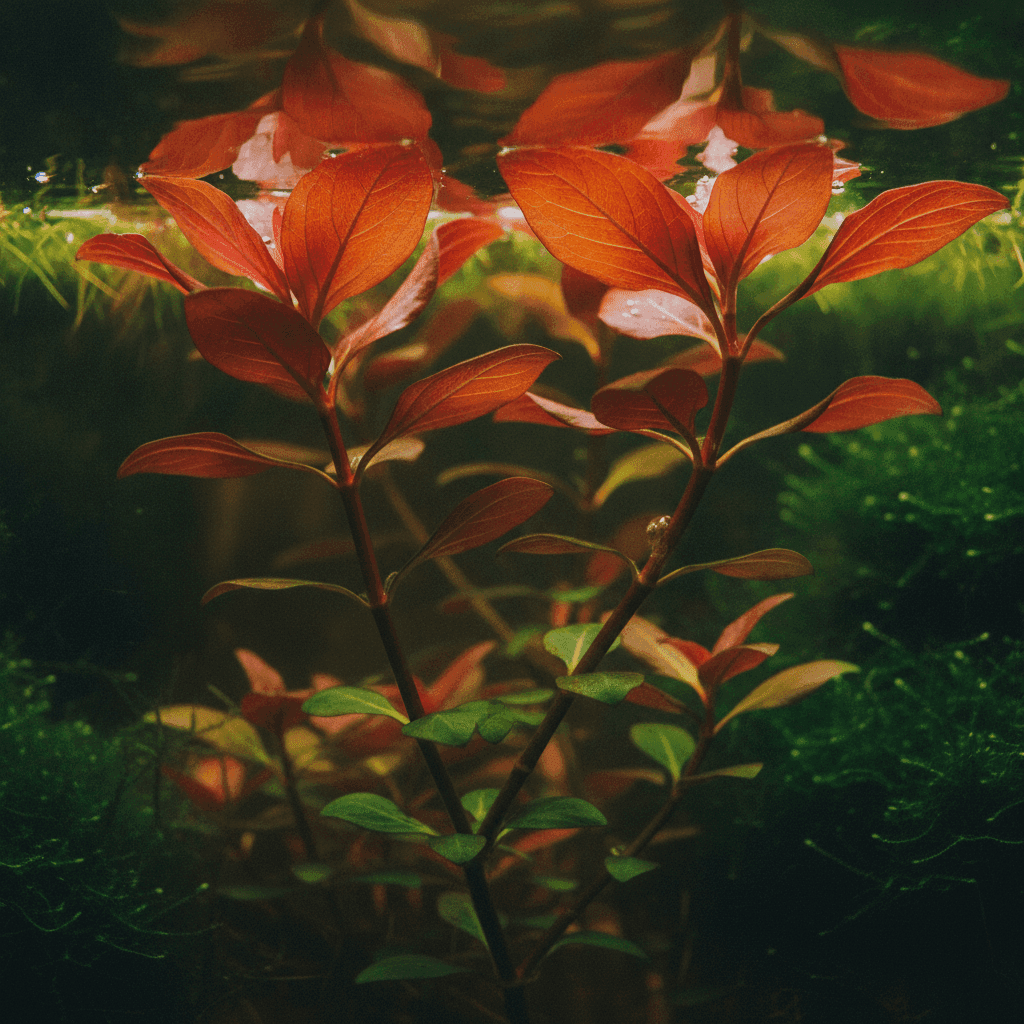
Originating from Borneo and neighboring islands, bucephalandra flourish in the shaded, fast-moving streams and rivers of tropical rainforests. They thrive in moist environments with mild water currents. Known for a wide array of leaf shapes, sizes, and colors—from deep green to bluish tones, with some boasting striking red undersides—these plants grow slowly, making them perfect for low-maintenance yet visually captivating aquascapes.
Highlight Unique Features
Bucephalandra stand out for their adaptability to various aquatic setups. Their slow growth and low light needs make them ideal for those seeking a balanced, sustainable aquascape. The variety in leaf shapes—from narrow and elongated to round and wide—allows aquascapers to play with texture and depth. The plant’s natural color palette provides a striking contrast, enhancing the visual intrigue of any tank.
A Direct Answer: What is Bucephalandra Care?
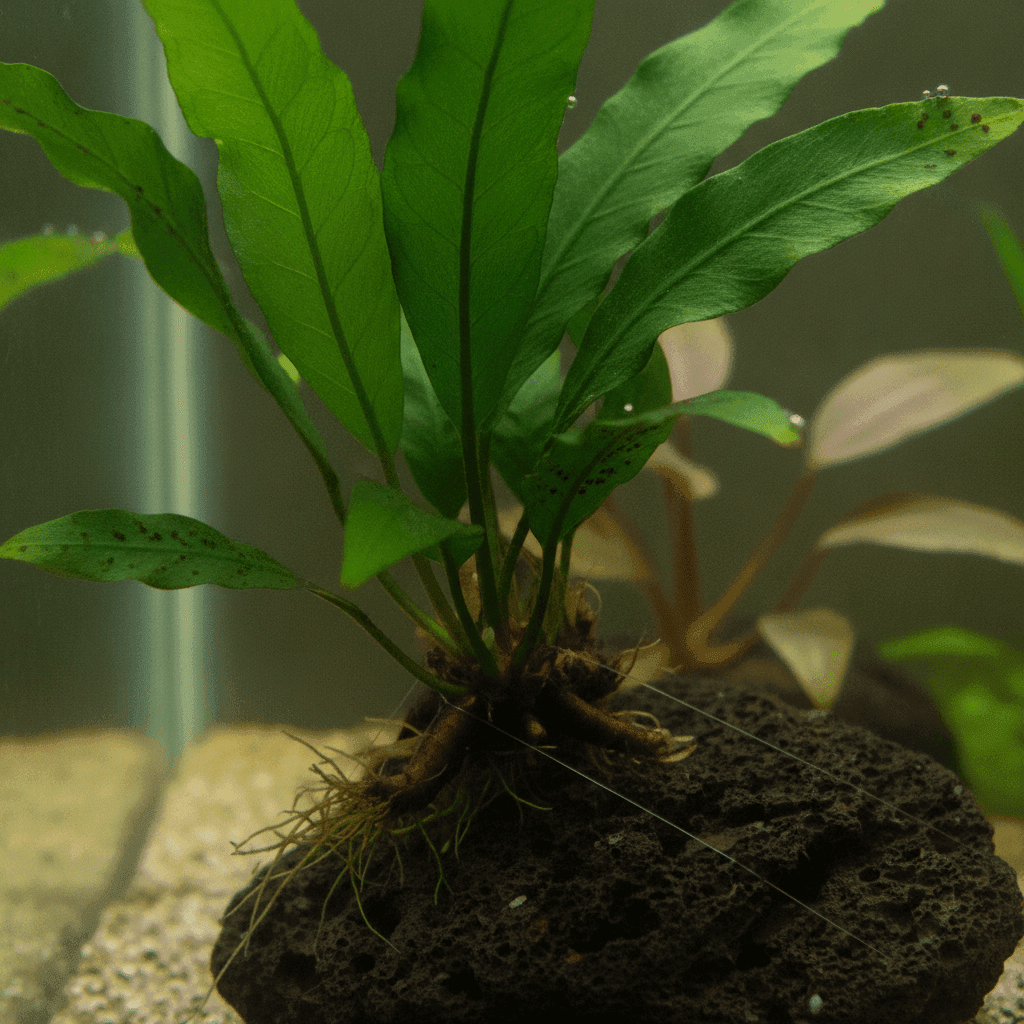
Caring for bucephalandra involves focusing on their natural growth preferences. They need moderate lighting and stable water conditions, with a pH between 6 and 7.5 and soft to moderately hard water. As epiphytes, they should be attached to hardscapes like rocks or driftwood to prevent rhizome rot. Their slow growth makes them low maintenance, a draw for beginners exploring aquascaping.
Setting Up for Success: Practical Steps to Care for Bucephalandra
How to Plant Bucephalandra
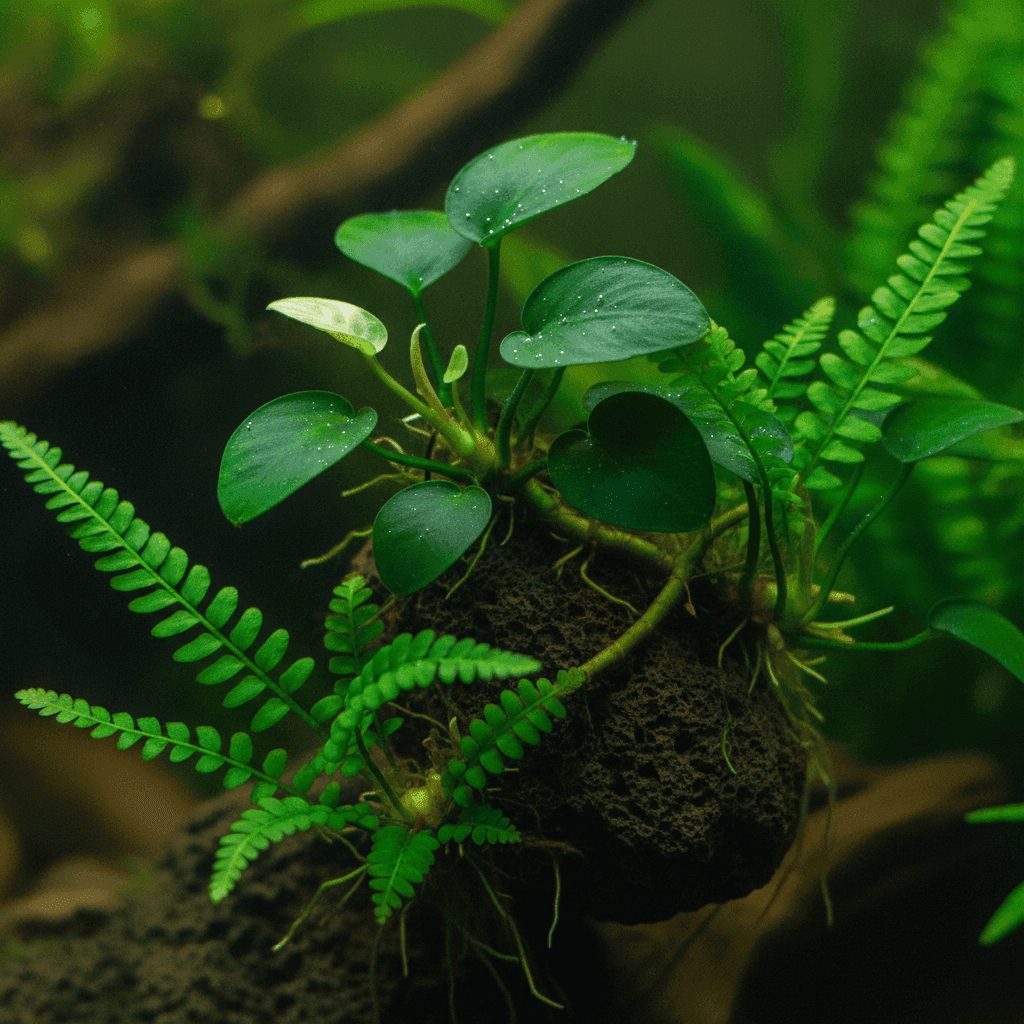
Planting bucephalandra is simple but essential—avoid burying the rhizome. Attach them to hardscapes like rocks or driftwood using fishing line or plant-safe glue. Keep the rhizome above the substrate. The roots will naturally anchor over time, promoting health and vigor akin to their natural habitat.
Optimal Water Conditions
Bucephalandra prefer soft, slightly acidic to neutral water, ideally with a pH of 6 to 7.5 and temperatures between 72 and 82°F (22 to 28°C). Water hardness should be 3 to 8 dGH. Adequate water flow and efficient filtration prevent stagnation, fostering a healthy environment. Gentle currents mirror their natural habitat, promoting growth and vibrant leaf color.
Lighting Requirements
Moderate lighting is best for healthy plants and controlling algae growth. In low light, bucephalandra thrive while avoiding excess algae. Slightly stronger lighting can enhance colors, but be cautious—a balance is needed to prevent algae issues.
Nutrient and Fertilization Needs
Though bucephalandra require minimal care, occasional nutrient boosts can enhance growth and color. Use liquid fertilizers or substrate tabs weekly, especially if other demanding plants are in the tank. Ensure fertilizers have all essential micronutrients, and avoid over-fertilization to prevent imbalances and algae blooms.
Using CO2 in Bucephalandra Care
While not necessary, adding CO2 can significantly improve bucephalandra growth, leading to denser and more colorful foliage. In high-tech setups with CO2 injection, they grow faster and healthier, though they also thrive without it, making them versatile additions to any aquascape.
Managing Bucephalandra Algae Issues
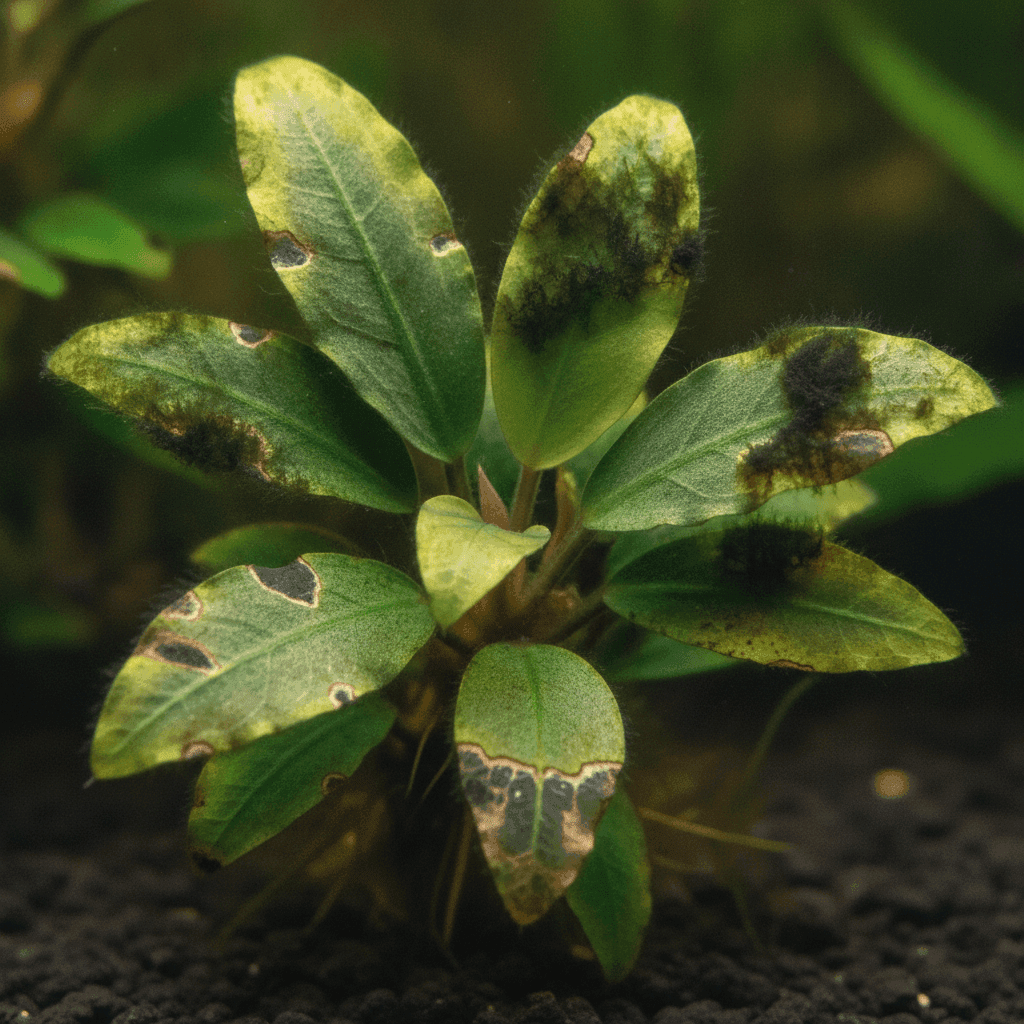
Bucephalandra can struggle with algae, especially with excessive light. Algae, such as black beard algae, can mar their beauty. Issues often arise from too much light, nutrient imbalances, or poor water quality. Regular monitoring helps prevent these problems. Implement a cleaning routine, manage light exposure, and maintain good filtration. Introducing algae-eating species, like Siamese algae eaters or Amano shrimp, can also help.
Common Mistakes in Bucephalandra Care
Burying the Rhizome
A critical mistake is burying the rhizome, which acts as a nutrient storage and growth source. Buried rhizomes can’t access essential resources, leading to decay and plant death.
Overexposure to Light
Too much light can trigger algal blooms, overshadowing bucephalandra's beauty. A well-timed lighting schedule with appropriate light levels maintains a healthy balance, curbing algae and fostering growth.
Ignoring Water Parameters
Neglecting water conditions can lead to poor growth and higher disease risk. Regularly test and adjust pH, hardness, and temperature to match bucephalandra’s ideal conditions.
Realizing the Benefits: How Bucephalandra Adds to Your Aquascape
Bucephalandra significantly enhance aquascapes with their textured leaves and vibrant colors, enriching the tank's visual depth. They boost aquarium biodiversity, supporting ecological balance and providing complex habitats for aquatic life. For aquascaping enthusiasts creating dynamic layouts, bucephalandra offer unmatched flexibility. Explore specific aquascaping techniques to make the most of their unique features.
Perfecting Your Bucephalandra Aquascape
Bucephalandra offer endless possibilities for stunning, balanced aquatic environments. Their easy care requirements and remarkable adaptability make them perfect for any aquascape—whether you’re a novice or a seasoned expert. With time and experience, tending to bucephalandra becomes a rewarding journey leading to breathtaking aquascapes. Explore advanced aquascaping tips to take your skills to the next level.
FAQ
What Water Parameters Are Best for Bucephalandra?
Bucephalandra thrive with a pH of 6 to 7.5, temperatures between 72 to 82°F (22 to 28°C), and water hardness of 3 to 8 dGH.
Can Bucephalandra Survive Without CO2 Injection?
Yes, they can thrive in low-tech setups without CO2, though additional CO2 can enhance growth and color in high-tech tanks.
How Do I Prevent Algae on My Bucephalandra?
Prevent algae with moderate lighting, consistent water parameters, and algae eaters like Amano shrimp. Regular cleaning and nutrient management also help.
Do Bucephalandra Need High Light Levels?
No, they prefer low to moderate light, which naturally prevents algae and supports healthy growth.
Is Bucephalandra Suitable for Beginner Aquascapers?
Absolutely! With their low maintenance and adaptability, bucephalandra are an excellent choice for beginners in aquascaping. Learn more about plant care for beginners to get started with these beautiful plants.