Top Easy Aquarium Plants for Low-Tech Aquascapes
Discover easy aquarium plants perfect for beginners. Enjoy a lush aquascape with minimal effort, no CO2, or high light requirements.
Easy Aquarium Plants for a Low-Tech Aquascape
Creating an underwater paradise in your home is a rewarding and beautiful hobby. An aquarium teeming with vibrant fish and lush plants not only elevates your living space but also provides a calming atmosphere. For aquarium enthusiasts, starting with easy plants can significantly enhance the enjoyment of setting up a new tank. Choosing robust, beginner-friendly plants ensures lower maintenance, allowing hobbyists to enjoy the process without the pressure of intensive plant care.
For both beginners and seasoned aquarists, selecting low-maintenance plants is key for a thriving aquarium. These plants are perfect for those wanting the beauty of aquascaping without the hassle of complex care routines. This guide highlights some simple-to-care-for aquarium plants that flourish in low-tech settings, particularly those that need minimal light and no CO2.
What Makes a Plant "Easy" for Aquariums?
Easy aquarium plants are known for thriving even in less-than-ideal conditions, making them suitable for newcomers to aquascaping. These "easy" plants share traits like hardness, the ability to grow in low light, and no need for CO2 injections.
These plants adapt to various water and lighting conditions, making them a versatile choice. Look for plants with traits like:
- Hardiness: Can withstand diverse conditions and minor neglect.
- Growth Rate: Steady growth that doesn't overrun the tank.
- Adaptability: Flexible in light and nutrient needs.
Best Easy Aquarium Plants for Beginners
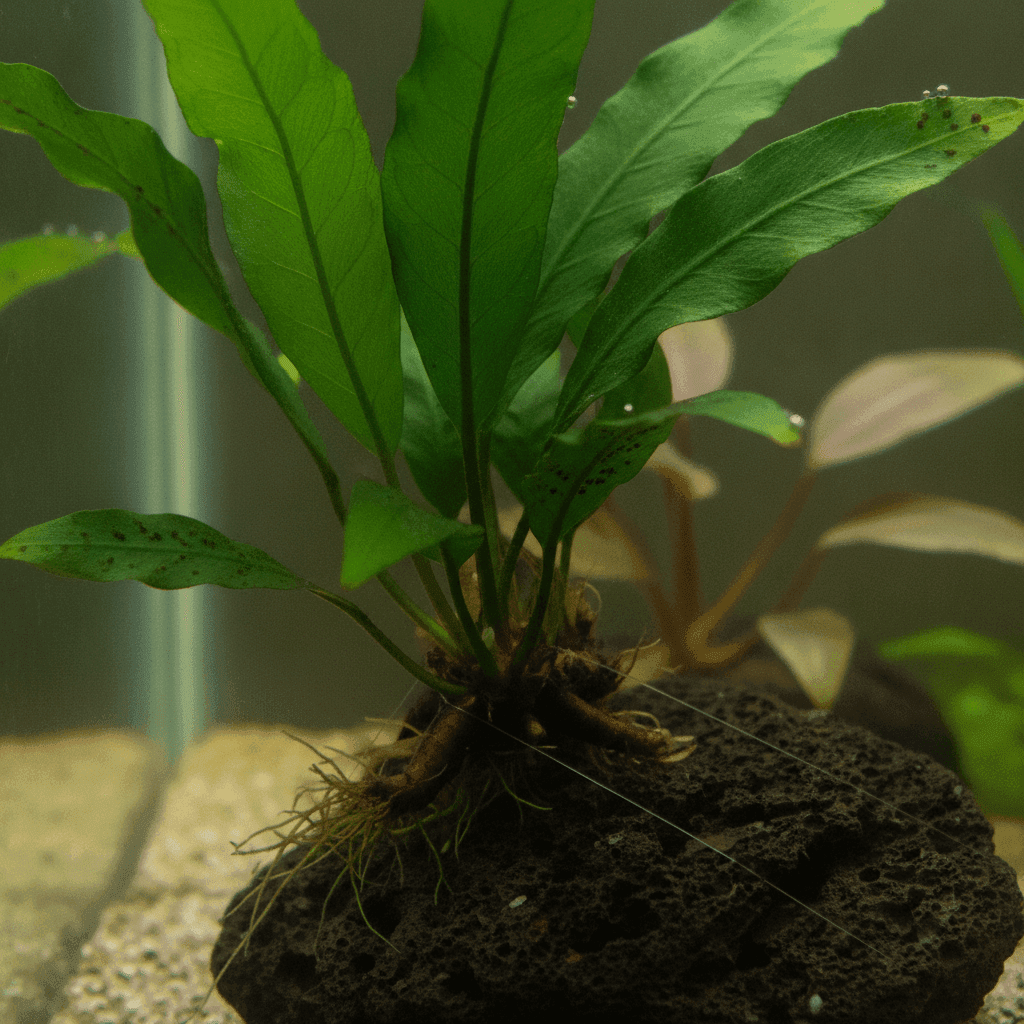
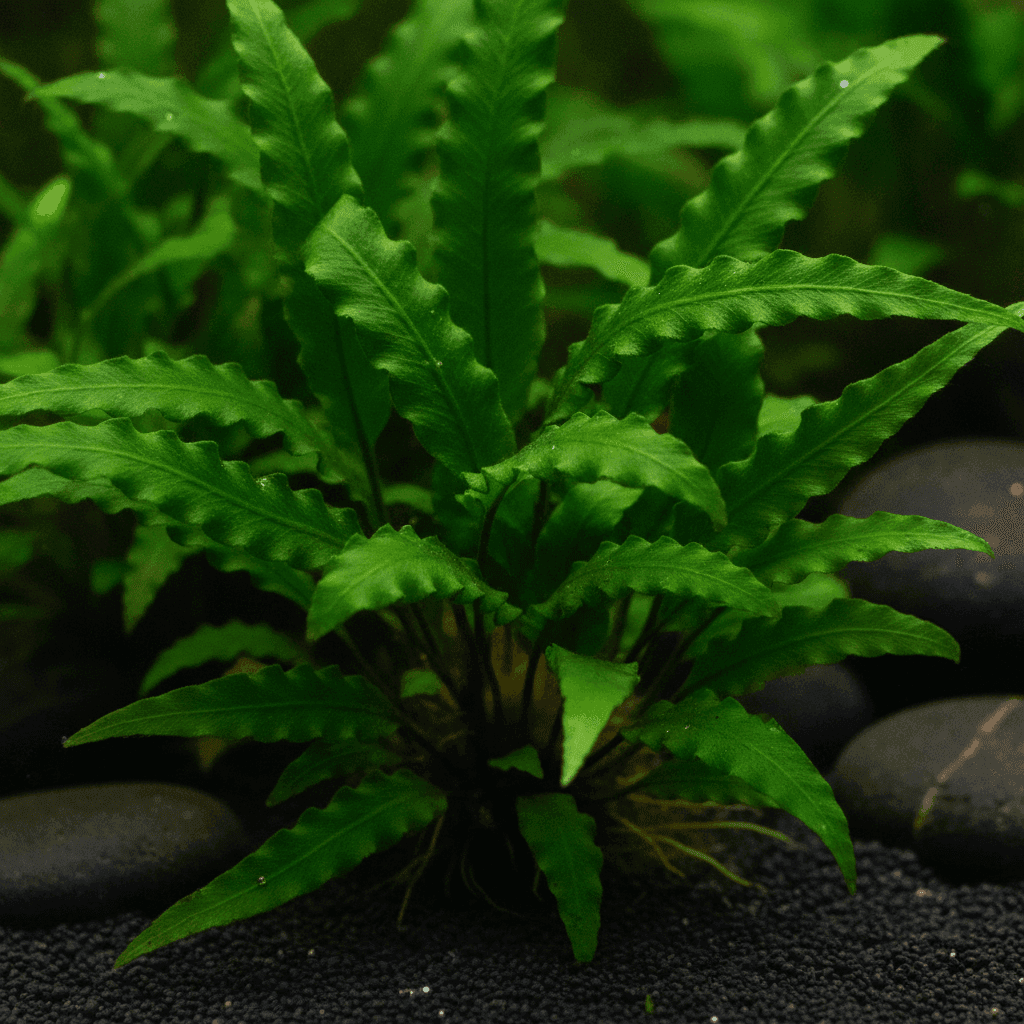
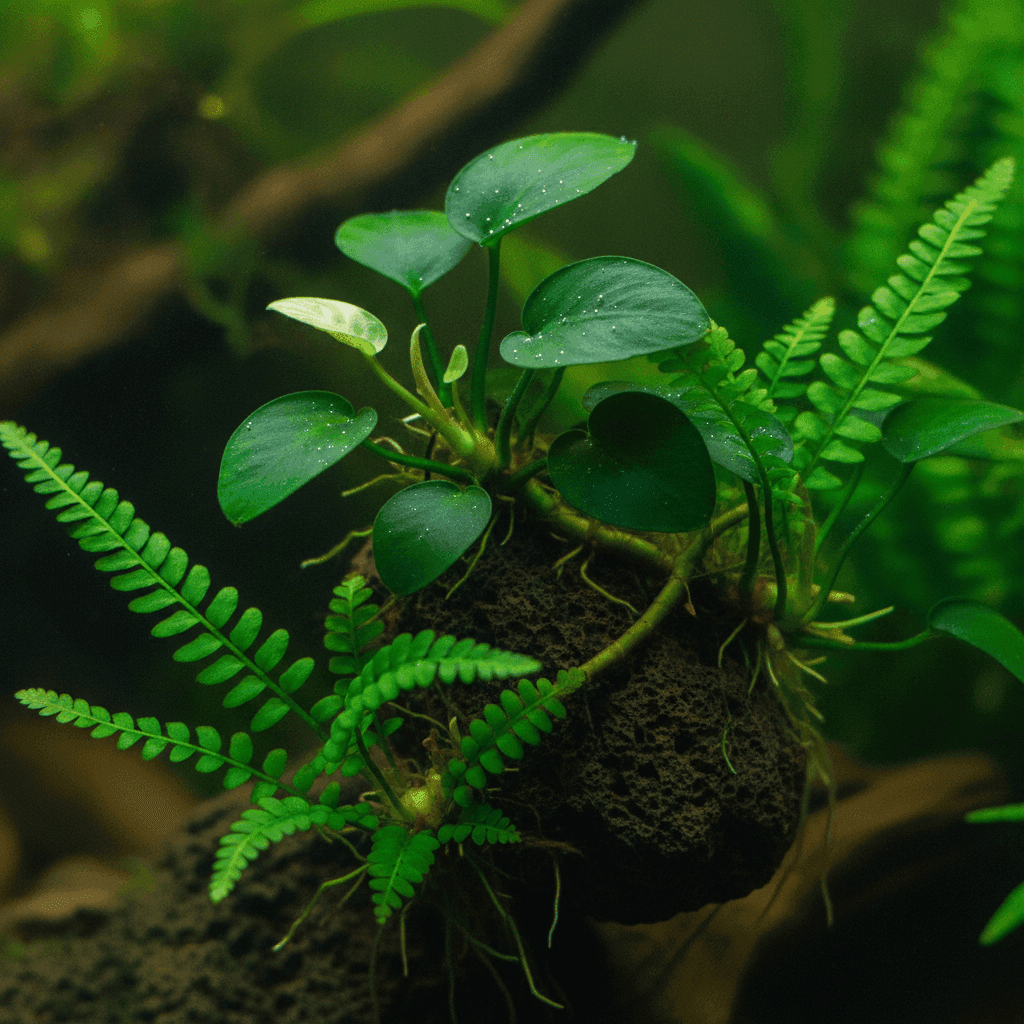
Java Fern (Microsorum pteropus)
Characteristics: Java Ferns are celebrated for their unique leaf shapes and durability. With variants like narrow-leaf and needle-leaf, they offer creative options for aquascaping.
Ideal conditions: Thrive in low to moderate light without CO2. They prefer their rhizomes above the substrate, ideal for attaching to driftwood or rocks.
Placement in tank: Anchor them on sturdy surfaces where roots can secure. Avoid burying the rhizome to prevent rot.
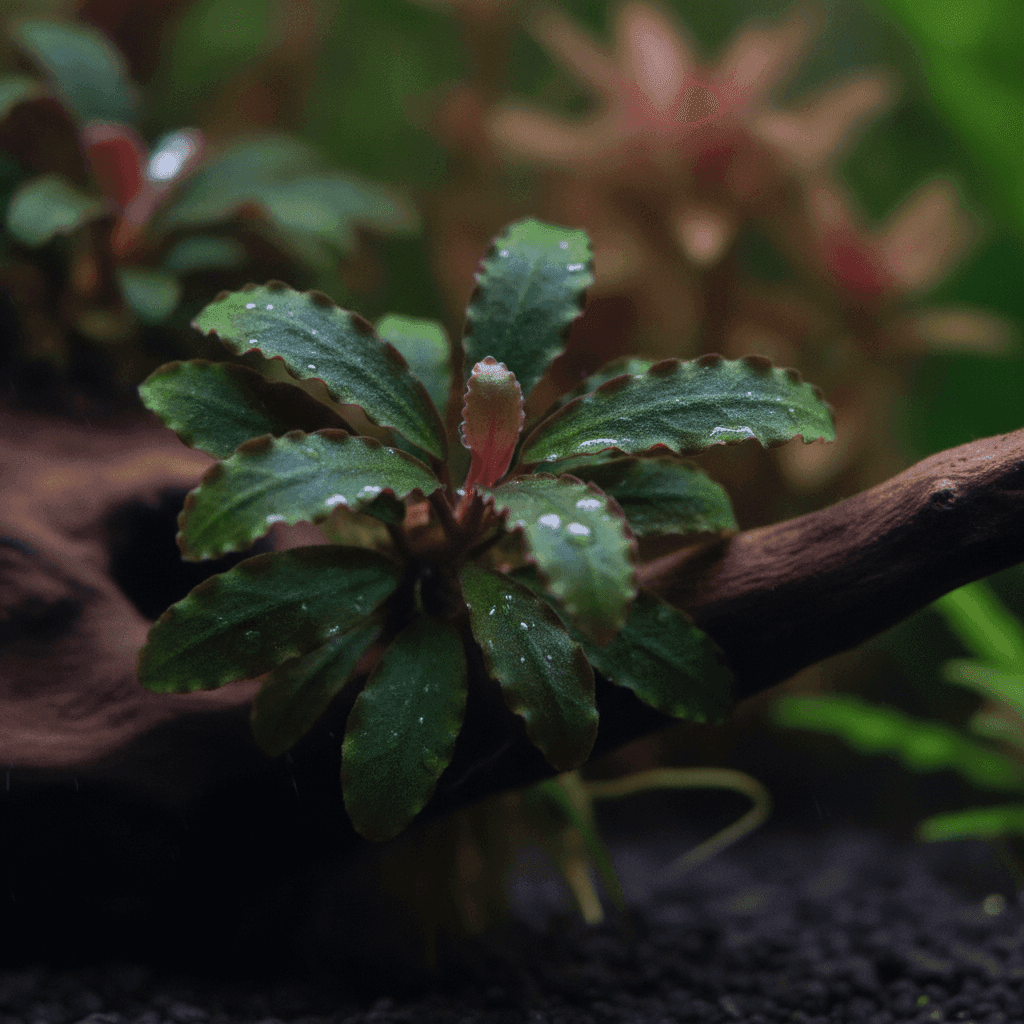
Anubias Species
Characteristics: Anubias are tough with thick leaves resistant to damage, making them perfect for beginner tanks and those with fish that nibble. Their green colors are a staple in many aquascapes.
Ideal conditions: Perform well in low light, growing steadily without CO2.
Placement in tank: Attach to driftwood or rocks. Keep the rhizome above the substrate to prevent rot.
Amazon Sword (Echinodorus amazonicus)
Characteristics: Known for large, elongated leaves, Amazon Swords make excellent centerpiece plants that add lushness.
Ideal conditions: Prefer moderate lighting but can adapt to low light. Thrive in nutrient-rich substrates.
Placement in tank: Best in the background or center to allow leaf spread.
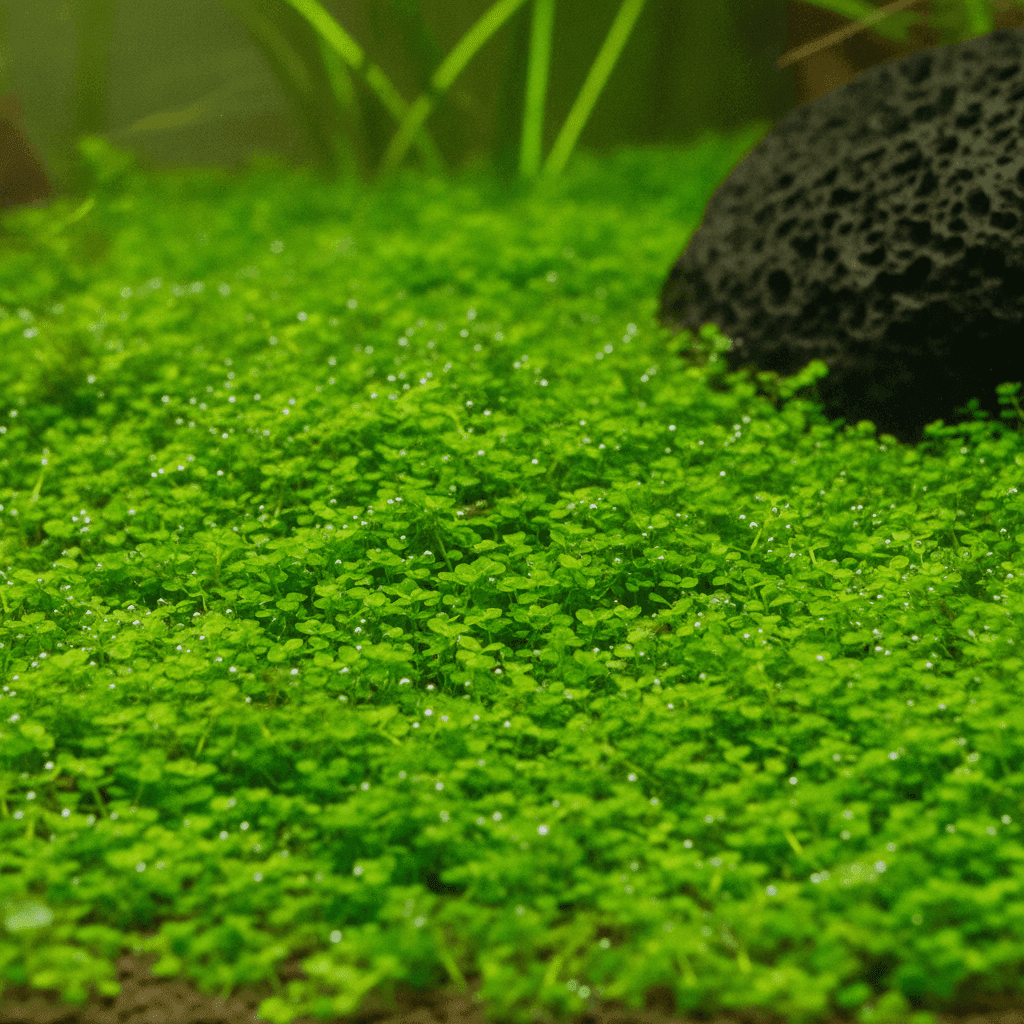
Java Moss (Taxiphyllum barbieri)
Characteristics: Java Moss is versatile and easy to grow, often used in breeding tanks due to its dense, protective growth.
Ideal conditions: Tolerates various lighting from low to high without CO2.
Placement in tank: Can be anchored to surfaces or left floating, ideal for carpet effects or draping over driftwood.
Water Wisteria (Hygrophila difformis)
Characteristics: With intricate, feathery leaves, Water Wisteria adds texture and enhances water quality.
Ideal conditions: Thrives in low to moderate light, easily adapting to different water conditions.
Placement in tank: Plant in midground to background areas. Rapid growth may need occasional trimming.
Marimo Moss Ball (Aegagropila linnaei)
Characteristics: These unique spherical algae clusters offer a distinct look and are easy to maintain.
Ideal conditions: Prefer low to moderate light and cooler water, adaptable to varied setups.
Placement and care tips: Place on substrate, occasionally roll to maintain shape and promote even growth.
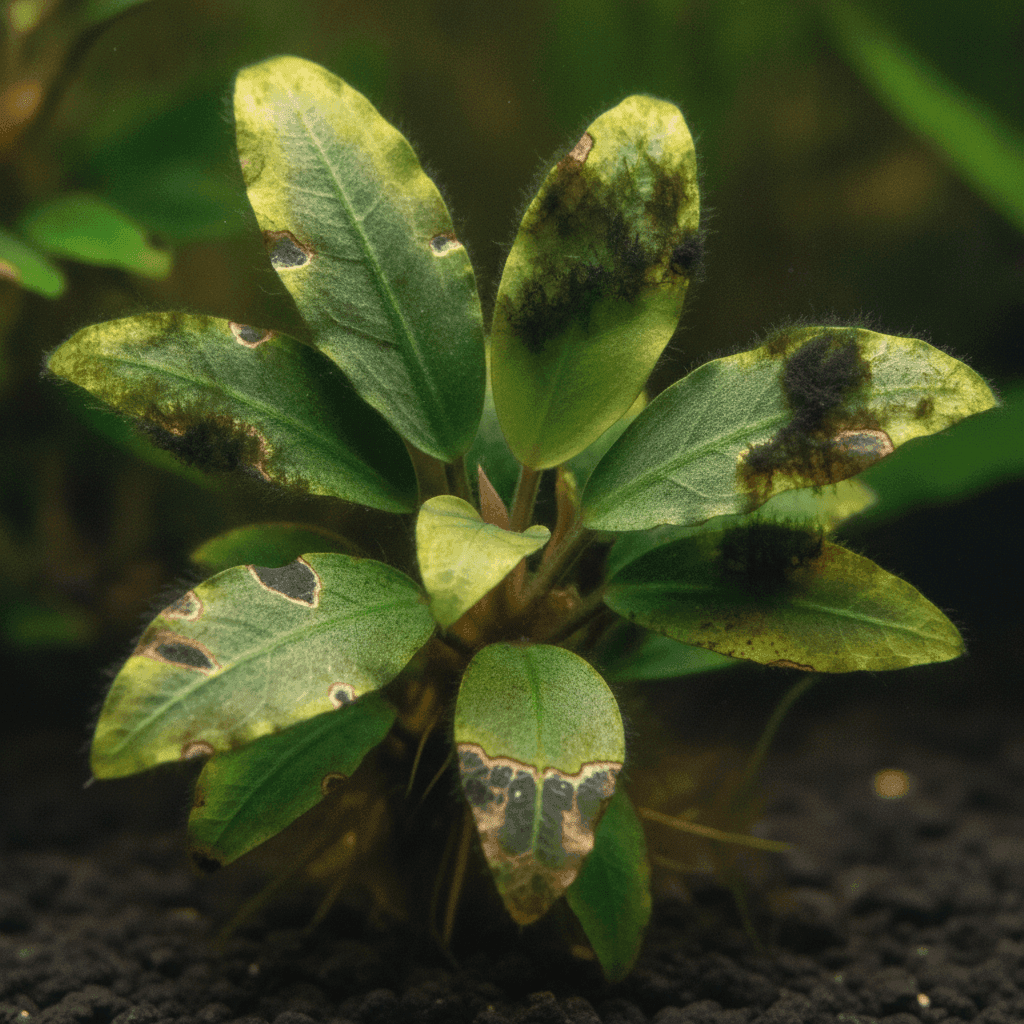
Cryptocoryne Species
Characteristics: Known for varied leaf shapes and colors, Crypts offer a palette of greens, reds, and browns.
Ideal conditions: Thrive in low light with a stable environment. May undergo "crypt melt" with sudden changes but recover quickly.
Placement in tank: Suitable for mid-ground or as a centerpiece depending on species. Provide space for root spread when planting.
Practical Steps for Setting Up a Low-Tech Planted Aquarium
Consider these steps when starting a low-tech planted aquarium:
- Substrate Selection: Choose nutrient-rich options like ADA Aqua Soil or Eco-Complete to support root growth. For more guidance, you might find our Substrate Guide: Aquarium Soil vs Inert + Root Tabs useful.
- Lighting: Use adjustable fixtures tailored to low-light plants, like LED lights that mimic natural daylight. Refer to our Planted Tank Lighting: Boost Growth & Prevent Algae for more details.
- Water Parameters and Maintenance: Keep a stable pH and perform regular water changes to avoid fluctuations.
- Planting and Anchoring: Secure epiphyte plants like Java Ferns and Anubias to rocks or driftwood using fishing line or cotton thread. Plant rooted species in clusters for a natural look.
Common Mistakes Beginners Make with Aquarium Plants
Avoid these pitfalls to maintain a healthier aquarium:
- Over-fertilization: Excess nutrients can promote algae and damage plants. Use fertilizers sparingly and test water often.
- Improper Lighting: Ensure your setup is suitable; too much can cause algae, too little hinders growth.
- Neglecting Maintenance: Regular water changes and cleanings are crucial to prevent imbalances and poor plant health.
- Compatibility Issues: Research plant and fish compatibility. Some fish may uproot or eat plants, necessitating changes.
Nurturing a Thriving Aquarium Without CO2
Success in a low-tech aquarium comes with balance:
- Light-Nutrient Balance: Keep light exposure to 6-8 hours to avoid algae while supplementing with essential nutrients.
- Water Movement: Ensure smooth circulation to distribute nutrients and maintain oxygen.
- Adaptive Growth: Choose adaptable plants like Java Ferns and Crypts to support healthy growth. For a more in-depth guide, consider our article on Understanding and Preventing Aquarium Plant Melt.
Embracing the Simplicity of Easy Aquarium Plants
Starting with easy plants offers a gentle and educational approach to aquascaping, helping you grow both your plant care skills and knowledge. By opting for resilient species, you can experiment with varying layouts and gradually introduce more complex plants as your confidence increases. Easy aquarium plants not only beautify and calm your space but also bring a sense of achievement as your aquatic landscape thrives.
FAQ
How often should I fertilize my beginner aquarium plants?
Fertilize low-maintenance plants biweekly or monthly, depending on their growth and health. Use an all-in-one liquid fertilizer to simplify the process.
What are the best substrates for easy aquarium plants?
Popular choices include ADA Aqua Soil, Eco-Complete, and CaribSea, which provide essential nutrients and support healthy root growth.
Can I keep fish with these low-tech plants?
Yes, these plants often cohabit well with fish, providing shelter and grazing surfaces. Verify compatibility, as some fish may nibble or uproot plants.
Do easy aquarium plants have any specific lighting requirements?
Generally, these plants need low to moderate light. Adjust fixture height and exposure duration to optimize health and manage algae.
What should I do if my plants are not thriving?
If problems occur, check water parameters, light levels, and nutrient balance. Address yellowing or browning with the right fertilizers and watch for pest issues.