Tissue Culture Aquarium Plants: Pristine Aquascaping
Discover pristine aquascaping with tissue culture aquarium plants. Experience pest-free growth and vibrant beauty effortlessly with these innovations.
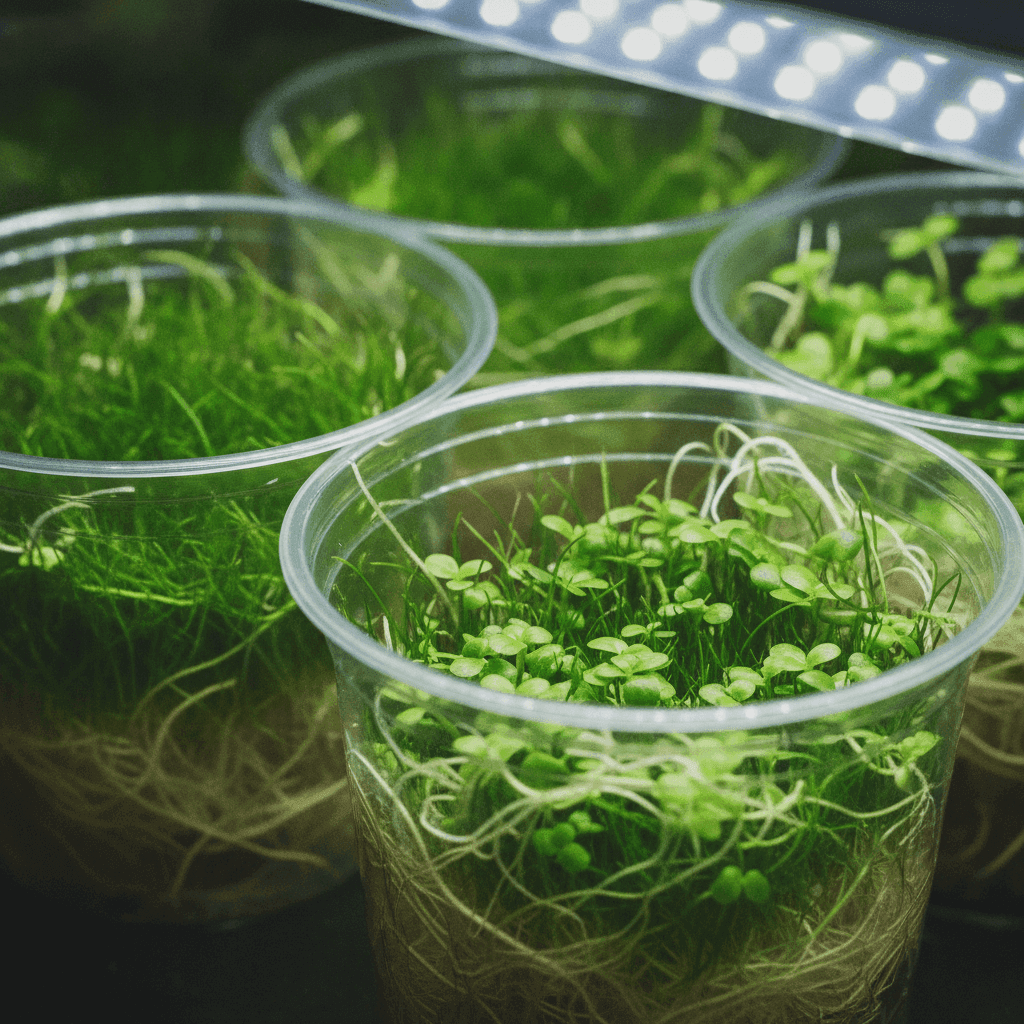
Tissue Culture Aquarium Plants: The Future of Aquascaping
For aquascaping enthusiasts, crafting a breathtaking underwater garden stems from the careful selection and nurturing of aquatic plants. Tissue culture aquarium plants have been rising in popularity due to their pristine quality and potential to create stunning aquascapes. These lab-grown, snail-free plants offer a cleaner and more convenient alternative, providing hobbyists with the tools to cultivate flourishing aquatic environments effortlessly.
Tissue culture, or in vitro cultivation, involves growing plants in a sterile setting using specialized techniques that encourage fast and healthy growth. This approach guarantees freedom from pests, pathogens, and unwanted snails, often found in traditionally sourced plants. For beginners, these in vitro plants are a game-changer, offering an easy introduction into the hobby with a lower risk of introducing contaminants into their carefully curated tanks.
As aquascaping progresses, the appeal of tissue culture aquarium plants continues to grow thanks to their purity and adaptability. These advantages not only minimize infestation risks but also simplify the creation of vibrant aquascapes. With their pest-free nature and ease of handling, tissue culture aquarium plants have become a favorite among both novices and experienced aquascapers.
What Are Tissue Culture Aquarium Plants?
Tissue culture aquarium plants are grown in sterile labs where plant tissues develop in controlled, gel-like media. This in vitro cultivation ensures the absence of pests like snails and mitigates diseases and algae that can disrupt aquatic ecosystems. With these inherent benefits, tissue culture plants represent a significant upgrade over traditional aquatic plants, especially for those new to aquascaping.
A major draw for beginners is the cleanliness of tissue culture plants. Unlike older sourcing methods, these plants come in sealed containers that prevent contamination. By choosing tissue culture plants, newcomers can sidestep common aquascaping issues such as pests, algae, and concealed disease vectors that often accompany traditional plants. For more on keeping plants healthy and algae-free, review our Anubias Nana Care Guide.
Tissue culture plants are also easier to manage, typically shipped in small cups filled with a nutrient-rich gel substrate. With proper care, this setup preserves their health until they're ready for planting, resulting in an enriching aquascaping experience that enhances both the hobbyist's skills and the beauty of their underwater world.
Why Choose Tissue Culture Plants for Your Aquarium?
For many new aquarium enthusiasts, maintaining a healthy, vibrant aquarium can be intimidating. Tissue culture plants help ease these concerns. Their pest-free nature reduces the risk of common issues like infestations, simplifying maintenance.
These plants also enhance the aquatic environment by promoting healthier ecosystems and providing essential biological filtration, which improves water quality and supports lively aquatic life. Their rapid adaptation to new settings enables them to grow quickly, especially when planted correctly and given proper care.
Fast growth is another reason many aquascapers favor tissue culture plants. Thanks to their in vitro origins, they're robust and capable of thriving swiftly after transplantation. This allows aquarists to achieve their visual and ecological goals sooner, enjoying a lush underwater garden shortly after planting.
For insights into a supportive lighting system that can boost plant growth, consider exploring the Chihiros WRGB II Lighting Guide.
How to Plant Tissue Culture Aquarium Plants for Fast Growth
Planting tissue culture aquarium plants can seem challenging at first, but with the right approach, it becomes a straightforward process yielding excellent results. Here's a practical guide to help your in vitro plants thrive in their new aquatic home.
Step 1: Preparing the Plant
Start by opening the sealed cup with the tissue culture plants. Gently remove them, careful not to cause damage, and rinse thoroughly under running water to wash away the gel substrate. Leftover substrate can cloud the water or impede rooting, so proper cleaning is essential for growth.
Step 2: Preparing the Aquarium
Choose a suitable substrate for your aquatic plants. Many aquascapers prefer nutrient-rich substrates that provide a good base for plant rooting. Ensure your aquarium setup includes adequate lighting and maintains a stable temperature for successful plant acclimation.
Enhance the environment by adding CO2 and fertilizers, crucial for plant metabolism, supporting photosynthesis, and encouraging growth. Many in vitro plants do best with ample CO2, so a CO2 system can greatly benefit your aquarium's ecosystem. Also, review our Aquarium Fertilizer Dosing Guide for additional care tips.
Step 3: Planting Techniques
After rinsing off the gel and prepping the aquarium, divide the plants into smaller clusters. This increases their surface area and ensures better distribution in the aquarium, leading to more uniform growth.
Plant these clusters into the substrate about an inch apart, allowing room for expansion and proper root establishment. Strategic placement enhances the visual appeal of the aquascape, creating depth, balance, and contrast. For more substrate tips, check out our Substrate Guide: Aquarium Soil vs Inert + Root Tabs.
Caring for Newly Planted In-Vitro Aquarium Plants
The ongoing care of your tissue culture aquarium plants is crucial for their health and growth potential. Here are essential practices to consider:
Lighting and Nutrients
Different in vitro plants have varying light needs, but most require moderate to high lighting. Ensure your aquarium’s light intensity meets the specific demands of the plant species. Complement this with nutrients, available in commercial plant fertilizers, to support sustained growth.
Water Quality and Filtration
Maintaining good water conditions is vital. Regular water changes, stable pH levels, and efficient filtration systems significantly affect your aquascape’s success. Consistent water quality fosters a conducive environment for plant health and vibrancy.
Common Mistakes When Planting Tissue Culture Aquarium Plants
Even with preparation, common pitfalls can impact the success of newly planted tissue culture plants. Here are mistakes to avoid:
Mistake 1: Not Properly Washing Away Gel
Leaving gel residue can cloud water and hinder rooting. Always thoroughly rinse the substrate off the plants as detailed earlier.
Mistake 2: Incorrect Planting Depth
Planting depth matters for growth. Too deep may suffocate the plants, while too shallow can cause uprooting. Ensure proper planting by burying the roots only, keeping the plant crown exposed for optimal growth.
Mistake 3: Skipping the CO2
CO2 is vital for tissue culture plant growth, aiding photosynthesis and overall vitality. Lacking CO2 can stunt growth and harm plants. Regularly monitor plant health for CO2 deficiency signs, like yellowing leaves or stunted growth.
The Role of CO2 in Supporting Tissue Culture Plant Growth
CO2 is crucial for the growth success of tissue culture aquarium plants. In aquatic environments, CO2 acts as a carbon source, facilitating photosynthesis—essential for plant energy production. Adequate CO2 enables plants to convert light energy into chemical energy efficiently, promoting rapid growth and robust health.
Installing a CO2 system ensures your tissue culture plants receive consistent and sufficient carbon, enhancing their aesthetic appeal and contributing positively to your aquarium's overall ecosystem.
The Beauty and Benefits of Tissue Culture Aquarium Plants
Tissue culture aquarium plants represent a major advancement in aquascaping, offering enthusiasts purity, convenience, and efficient growth. Choosing tissue culture plants gives aquarists a cleaner, pest-free experience, resulting in vibrant and sustainable underwater gardens.
When introduced and cared for properly, these plants quickly acclimate to new environments, exhibiting healthy and dynamic growth. Whether you're a novice eager to explore aquascaping or an experienced hobbyist seeking to refine your skills, tissue culture aquarium plants promise a rewarding venture that enriches both your hobby and aquatic world.
FAQ
What are the advantages of using tissue culture plants over traditional plants?
The main advantage of tissue culture plants is their pest-free and pathogen-free nature, minimizing the risk of introducing snails, algae, or diseases into your aquarium. This feature facilitates quicker plant adaptation and growth.
How long does it take for tissue culture plants to grow?
Growth timelines vary by species and tank conditions, but in an optimal environment with adequate light, CO2, and nutrients, tissue culture plants typically establish and show noticeable growth within 2-4 weeks.
Are all tissue culture plants snail-free?
Yes, tissue culture plants are grown in sterile environments, ensuring they are snail-free. This guarantees the plants introduce no pests or unwanted species into your aquarium.