Master Aquarium Fertilizer Dosing for Thriving Tanks
Discover effective aquarium fertilizer dosing techniques to nurture vibrant aquatic plants and maintain a healthy planted tank effortlessly.
Aquarium Fertilizer Dosing: A Guide to Building a Thriving Planted Tank
Aquarium fertilization is key to maintaining a lively and healthy planted tank. For newcomers to the hobby, the details of nurturing aquatic plants may seem daunting. However, with a good grasp of aquarium fertilizer dosing, it becomes a rewarding part of keeping a tank. Effective fertilization ensures plants get the nutrients they need to flourish, much like plants in a garden. Choosing the right dosing method is crucial for both tank health and plant growth. Whether you're setting up your first aquarium or refining an existing one, understanding the principles of popular dosing strategies can lead to success.
What Is Aquarium Fertilizer Dosing?
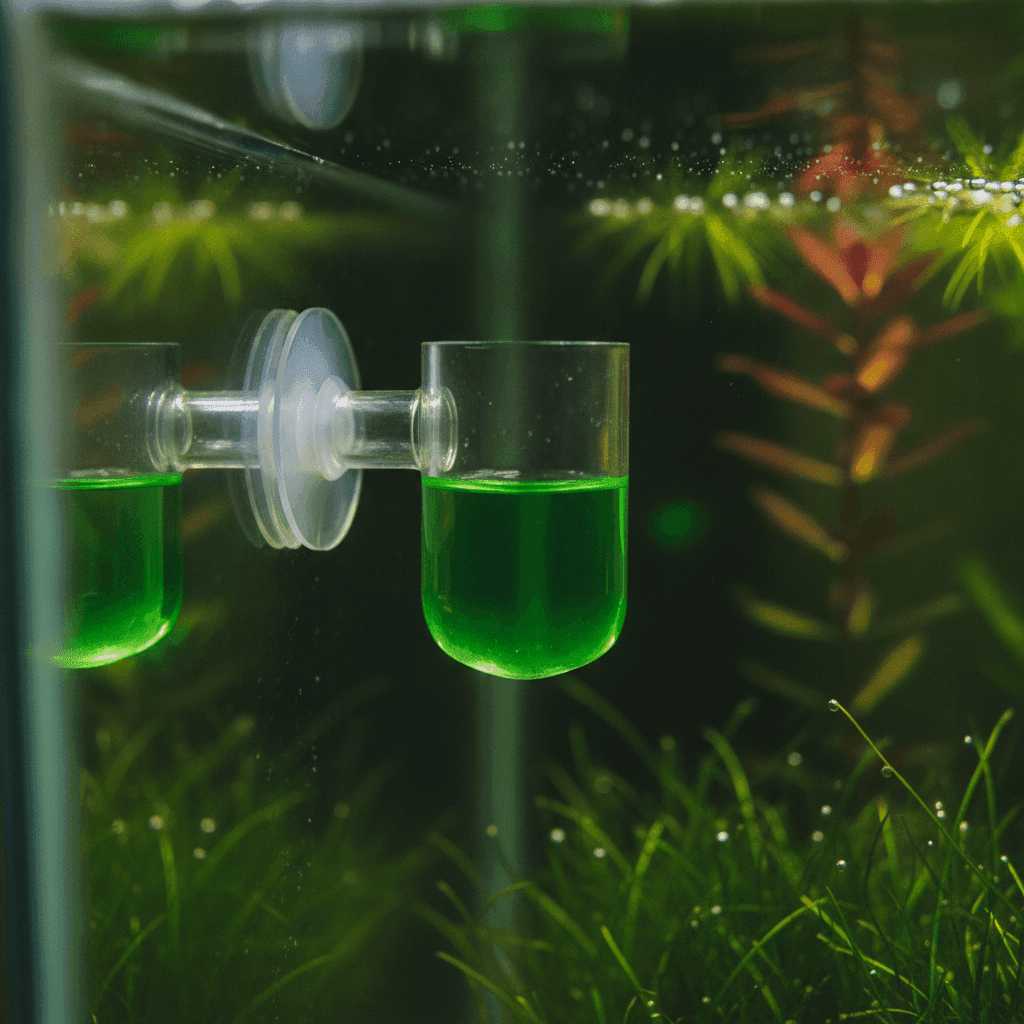
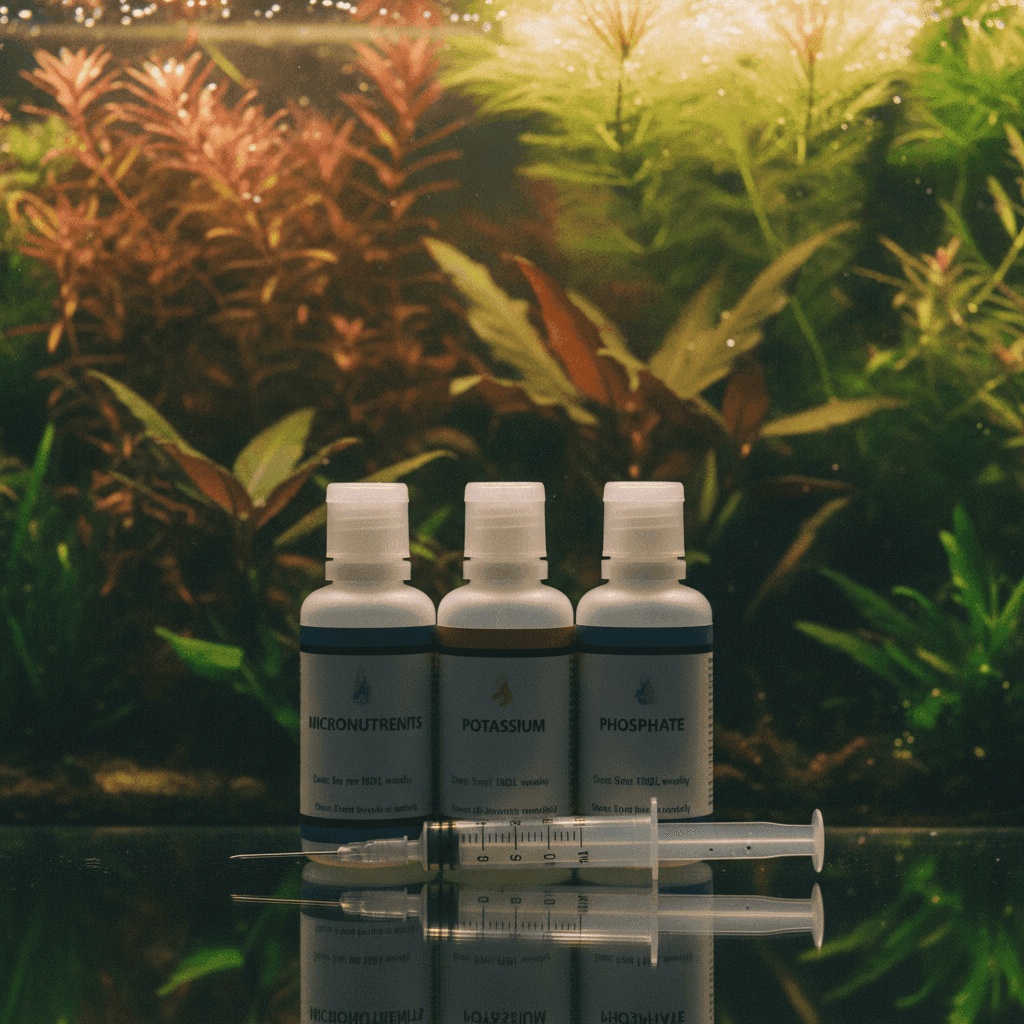
Aquarium fertilizer dosing involves adding nutrients to your tank's environment to support plant health. These fertilizers supply essential macro and micronutrients that might not be sufficiently present in the water. The goal is to keep these nutrients balanced to avoid plant deficiencies, algae blooms, or plant die-offs. There are three main dosing methods aquarists use: the Estimative Index (EI), Lean dosing, and All-in-One fertilizers.
Exploring the EI Dosing Method
The EI dosing method, introduced by Tom Barr, relies on estimating rather than precisely measuring nutrients. It’s favored by high-tech aquarium enthusiasts who use pressurized CO2 systems and strong lighting. EI's main idea is to provide an excess of nutrients so plants always have what they need, combined with regular water changes to prevent nutrient build-up.
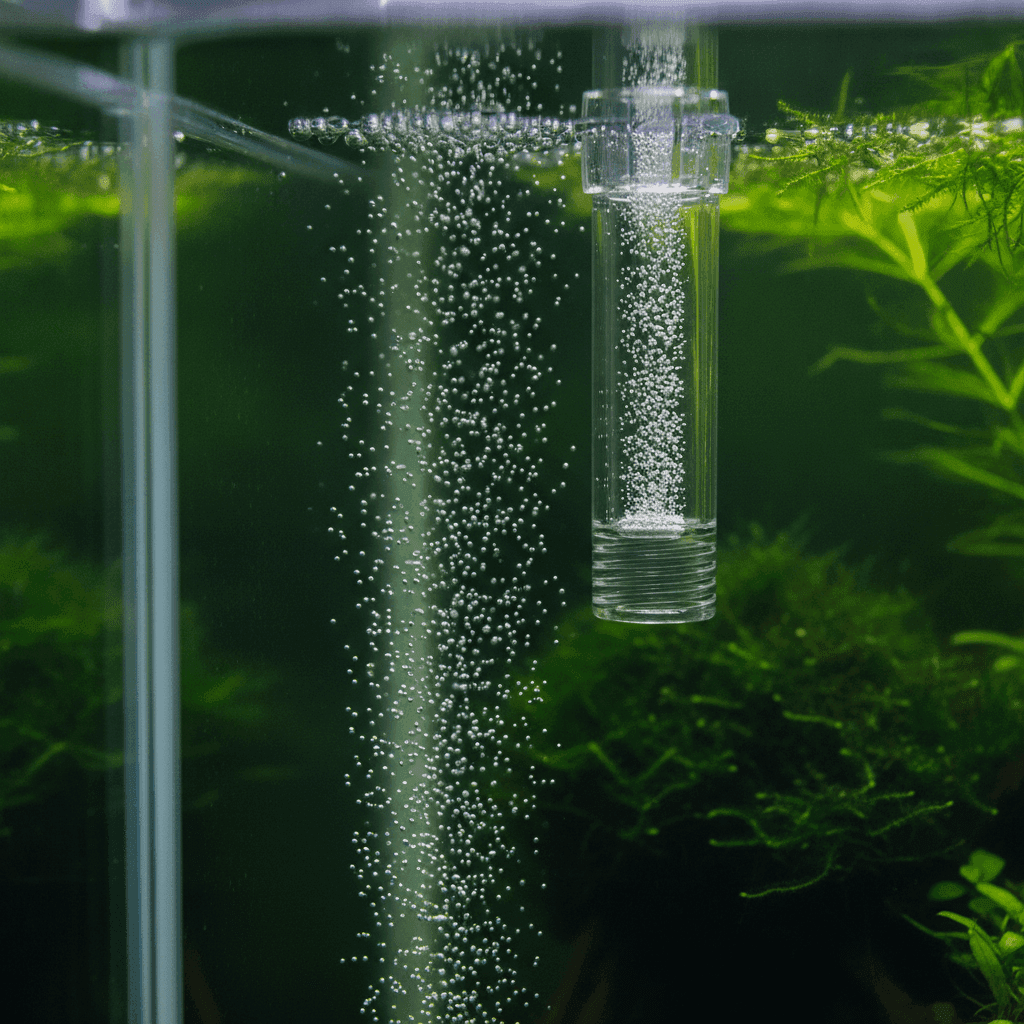
EI dosing promotes strong plant growth and vibrant colors. However, it requires regular water changes and may lead to over-fertilization in low-tech setups, making it a bit demanding for beginners. But once mastered, it can be highly rewarding, especially when combined with an effective aquarium CO2 system setup for plant growth.
Understanding Lean Dosing for Planted Tanks
Lean dosing contrasts with EI by supplying just enough nutrients for plant growth, without surplus. This is beneficial for low-tech, low-light setups where plant growth is slower. Lean dosing minimizes the risk of algae from over-fertilizing and requires less maintenance.
Compared to EI dosing, lean dosing is simpler, needing less frequent nutrient additions and water changes. To implement it well, closely monitor plant health and water parameters, and adjust nutrients as needed. For more ideas, check out our top easy aquarium plants for low-tech aquascapes.
The All-in-One Fertilizer Approach
All-in-one fertilizers are premixed solutions containing necessary nutrients in one product. They're appealing to beginners due to their simplicity and convenience. They save time and reduce the risk of mixing incompatible fertilizers.
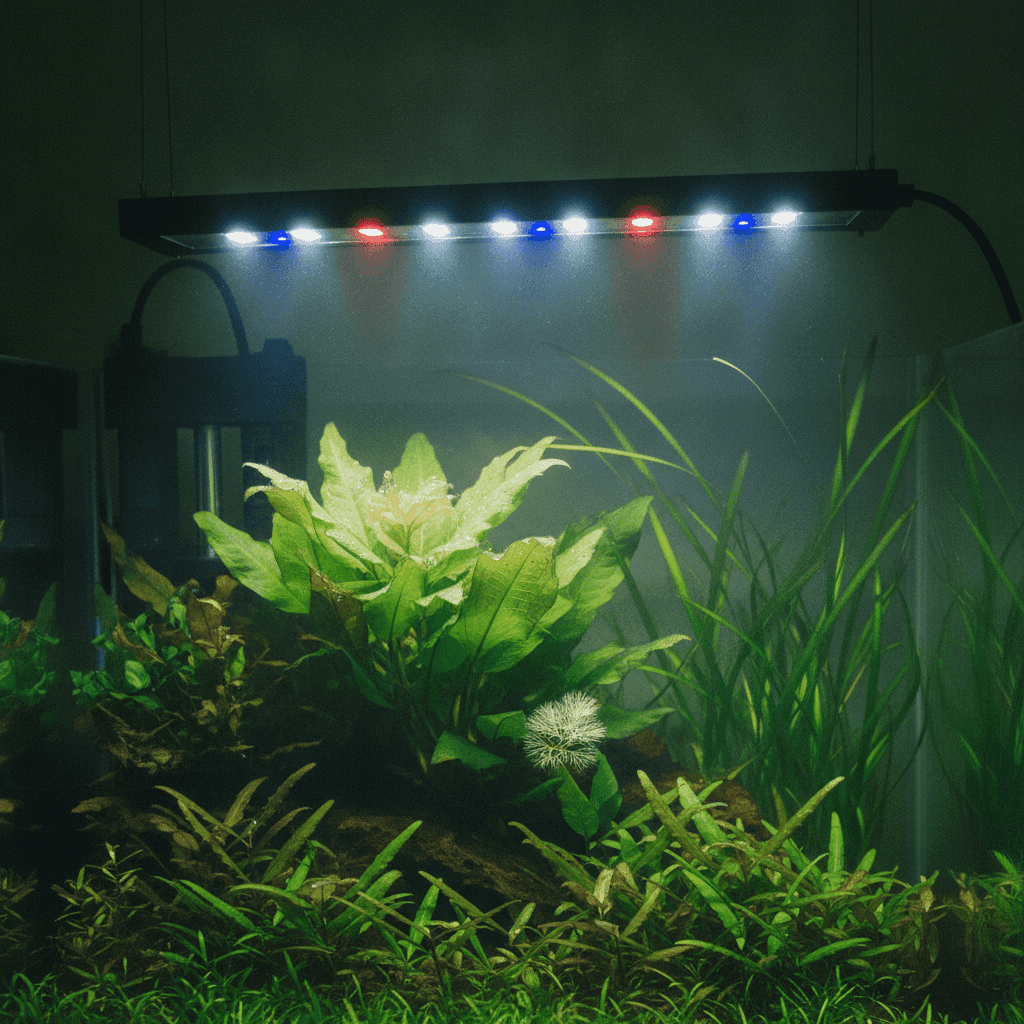
However, all-in-one fertilizers might not meet the specific needs of unique tank environments or plant species and can be more costly than custom mixes. When choosing one, consider your plant variety, tank size, and lighting setup to ensure it meets your aquarium’s needs. For additional guidance on lighting, explore our planted tank lighting guide to boost growth and prevent algae.
Practical Steps for Dosing Your Aquarium
To dose your aquarium effectively, first understand your tank’s specific conditions, including water parameters, plant species, and CO2 levels. Here’s a simple guide for each dosing method:
-
EI Dosing:
- Calculate nutrients based on tank volume and schedule.
- Dose macro and micronutrients on alternate days.
- Conduct 50% water changes weekly to refresh nutrients.
-
Lean Dosing:
- Start with lower concentrations of nutrients.
- Periodically check nutrient levels and adjust based on plant growth and algae presence.
- Perform smaller, less frequent water changes than with EI.
-
All-in-One Fertilizers:
- Follow the manufacturer’s dosage directions, adjusting if necessary for tank conditions.
- Monitor plant health for any deficiency or excess signs.
- Align water changes with regular maintenance to manage nutrients.
Each tank is unique, so close observation and adjustment are crucial for dosing success.
Common Mistakes in Fertilizer Dosing
Fertilizer dosing mistakes are common, especially for beginners. Overdosing frequently leads to algae blooms, while underdosing causes plant deficiencies. Ignoring important water parameters like pH or CO2 levels can affect nutrient uptake. It's important to differentiate between nutrient deficiencies and other issues like diseases or light shortages. Regularly track your dosing and observe plant health to make informed corrections.
Choosing the Right Dosing Method for Your Planted Tank
Choosing the best dosing method depends on factors like tank size, plant types, light intensity, and CO2 availability. Cost and fertilizer accessibility are also important. The EI method is recommended for high-tech setups, while low-tech tanks might work well with lean dosing or a suitable all-in-one product. Experimentation and monitoring will help you find the most effective method for your tank.
Achieving Balance in Nutrient Dosing for a Healthy Aquarium
Understanding aquarium fertilizer dosing is crucial to cultivating a stable and lush planted tank. Whether you prefer the EI method, lean dosing, or an all-in-one approach, the goal remains the same: maintain a balanced nutrient environment suited to your plants. Stay attentive to changes and ready to adjust your strategy as needed.
FAQ
What is the best dosing method for beginners?
An all-in-one fertilizer is ideal for beginners because it simplifies understanding plant nutrition without needing multiple products.
How often should I dose my aquarium with fertilizers?
The dosing frequency varies: EI often involves alternating daily nutrients, lean dosing may be biweekly, and all-in-one products are usually applied post-water change.
Can I switch between different dosing methods for my aquarium?
Yes, it's possible to switch methods but do so gradually and monitor closely to prevent plant stress or algae growth.
Are there specific signs of nutrient deficiency I should look out for?
Look for yellowing leaves (nitrogen deficiency), twisted new growth (calcium shortage), and poor leaf color (potassium or iron deficiency).
How does CO2 injection affect fertilizer dosing routines?
CO2 enhances nutrient uptake, requiring more nutrients in high CO2 setups. In low CO2 conditions, a more conservative approach is usually sufficient.