Planted Tank Flow: Optimize Water Movement Efficiently
Discover how optimizing water flow with lily pipes and spray bars can enhance plant growth and fish health in your planted aquarium.
Planted Tank Flow: Optimizing Water Movement for Healthy Aquariums
Creating a thriving planted aquarium involves paying attention to several environmental factors, with water flow being a key one. Good water movement ensures the distribution of nutrients, carbon dioxide (CO2), and oxygen, supporting the healthy growth of plants and fish. Many beginners face challenges like dead spots and surface scum, which can hinder plant growth and stress aquatic life. This article explores planted tank flow, focusing on two popular systems—lily pipes and spray bars—and provides practical advice on avoiding common issues to ensure your tank flourishes.
Understanding Water Flow in Planted Tanks
Water flow isn't just about moving water around; it's crucial for your tank's ecosystem. Proper flow distributes nutrients and CO2, essential for plant photosynthesis and growth, and helps oxygenate the water, benefiting fish health. Circulation prevents stagnant water, reducing algae blooms and organic waste buildup.
Fish and other aquatic creatures thrive in environments with suitable flow, which mimics their natural habitats and reduces stress. Poor circulation can result in uneven CO2 distribution, leading to struggling or dying plants.
Direct Answer: How do Lily Pipes and Spray Bars Compare for Planted Tanks?
Choosing between lily pipes and spray bars depends on the specific needs and aesthetics of your planted tank.
Lily Pipes
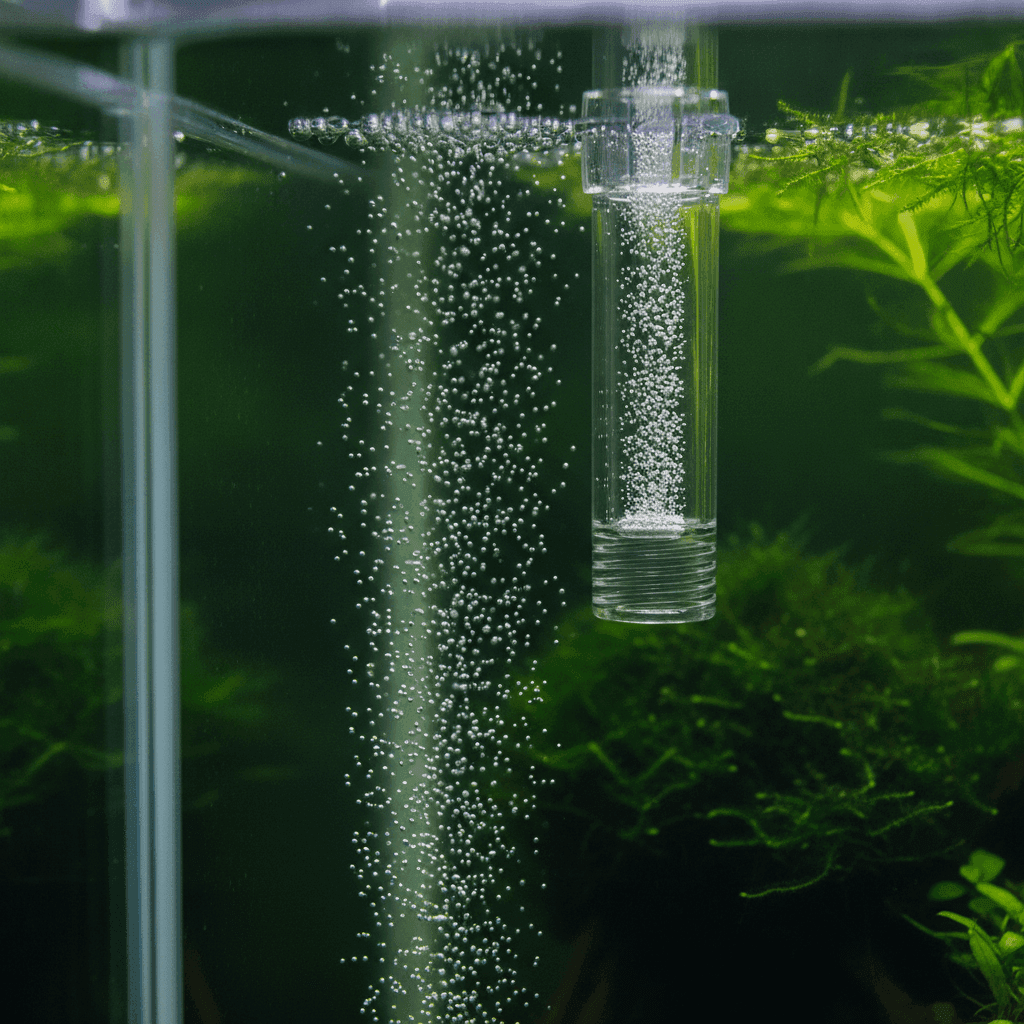
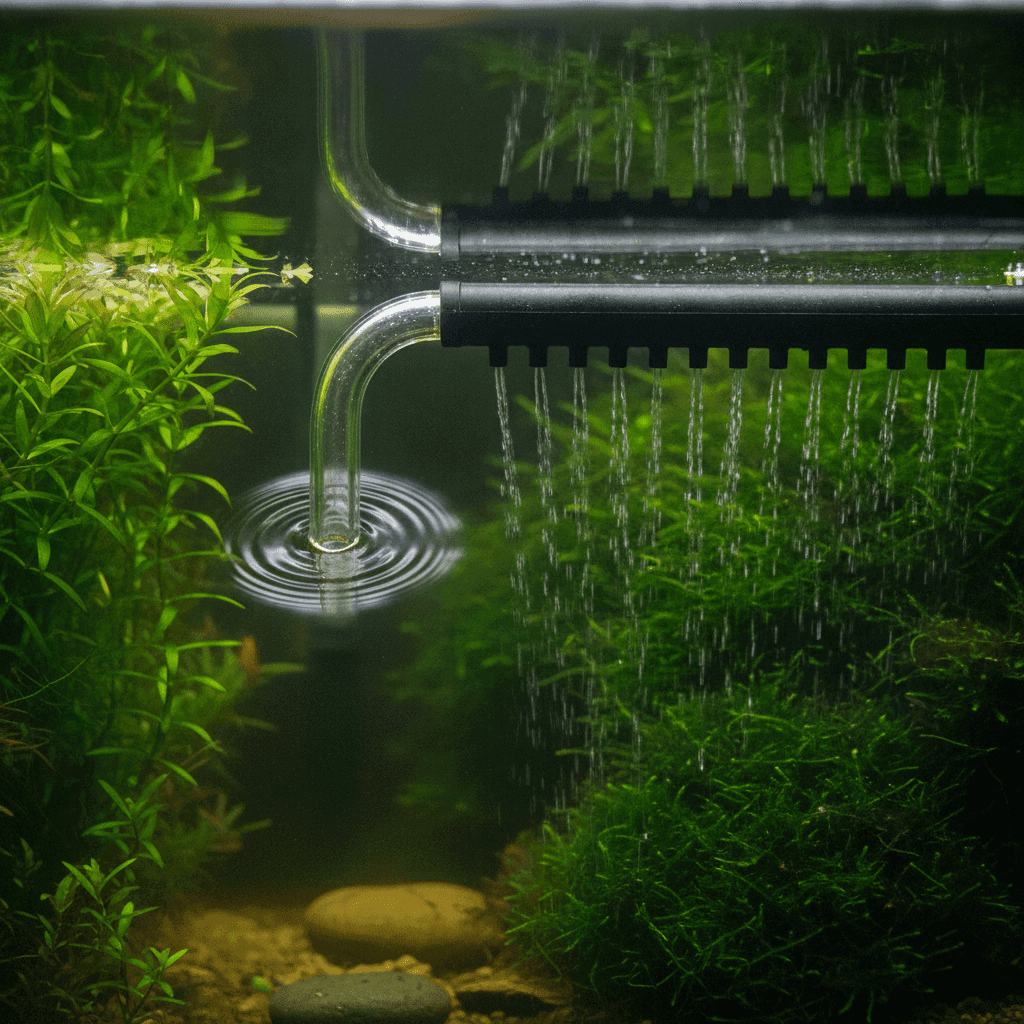
Lily pipes are known for their aesthetic appeal, blending seamlessly into the tank with their glass or clear design. They create a gentle circular flow, enhancing CO2 and nutrient absorption. However, if not positioned correctly, they can lead to surface scum accumulation—a film of organic waste—due to inadequate surface movement.
Spray Bars
Spray bars offer a practical solution, providing even water distribution across the tank. They're excellent for preventing dead spots, especially in larger or more complex tanks. However, they are more visible and may affect the natural look of your aquarium.
Practical Steps to Optimize Water Flow
Assessing Your Current Water Flow
Start by observing your tank for indicators like plant movement and debris paths to identify potential dead spots. A simple test involves using aquatic sand or watching fine particles to visualize flow patterns and note areas needing improvement.
Installing and Adjusting Lily Pipes
For lily pipes, follow these steps for effective setup:
-
Determine Placement: Position to encourage a circular motion along the tank's length.
-
Adjust Orientation: Slightly tilt the outflow to create surface ripples, reducing scum.
-
Maintain Cleanliness: Regular cleaning prevents blockages. Use a pipe cleaner and safe solution to remove biofilms.
Setting Up and Using Spray Bars
Optimize spray bar setup tailored to your tank's specifics:
-
Position the Bar: Place along the back or top, directing water for lateral flow coverage.
-
Adjust the Flow: Balance the pump's strength so plants move gently without excessive turbulence.
-
Customize for Tank Dimensions: Consider longer bars or multiple outlets for larger tanks.
Common Mistakes and How to Avoid Them
When setting up, avoid these mistakes:
-
Incorrect Placement: Properly position equipment to establish effective flow patterns.
-
Overlooking Obstructions: Ensure water can move around plants and decor without obstruction.
-
Neglecting Maintenance: Regularly clean equipment to prevent blockages and ensure proper flow.
Maintaining Healthy Flow: Additional Tips for Success
-
Regular Equipment Cleaning: Schedule cleanings to keep everything running smoothly.
-
Strategic Plant Arrangement: Place plants to support smooth water movement without blocking flow.
-
Balanced CO2 Distribution: Ensure even CO2 distribution for uniform plant health and growth.
Ensuring Optimal Flow During Routine Maintenance
Routine maintenance is key to effective water flow. Regularly check equipment for clogs and ensure moving parts are unobstructed. Troubleshoot any flow decreases by backflushing spray bars or clearing lily pipes of debris.
Finding Your Flow: Mastering Planted Tank Water Movement
Mastering water flow in planted aquariums is an evolving process. Choosing the right equipment, like lily pipes or spray bars, and maintaining them well enhances your tank's performance and appearance. Experimenting with setups and observing their impact on plants and fish will help cultivate a vibrant aquatic environment.
FAQ
What Causes Surface Scum in Tanks with Lily Pipes?
Surface scum arises from organic matter and oils accumulating on the water's surface, which lily pipes can exacerbate if they don't create sufficient surface agitation. Adjust the flow angle or increase circulation to manage this.
Can Dead Spots Harm My Plants and Fish?
Yes, dead spots hinder nutrient and CO2 distribution, compromising plant health and fostering algae growth. These stagnant zones can also breed harmful bacteria affecting fish health.
How Often Should I Clean My Lily Pipes or Spray Bar?
For optimal function, clean lily pipes or spray bars every 1-2 months. Heavily planted or stocked tanks may require more frequent maintenance due to rapid buildup.
Why Are My Plants Not Thriving Even with Good Flow?
Other factors like lighting, nutrient levels, CO2 supply, and water parameters also affect plant growth. Ensure these are balanced along with maintaining healthy flow.
Is One Flow System Better for Specific Plant Types?
Different plants have varying flow preferences. Some thrive with gentle lily pipe flows, while others prefer robust spray bar circulation. Research plant needs and adjust flow patterns accordingly.