Managing Aquasoil Ammonia: Essential Tips for Beginners
Learn how to handle ammonia from aquasoil in new tanks. Discover methods to maintain a healthy aquascape environment for plants and fish.

Introduction to Aquasoil Ammonia Management
Aquasoil is crucial in aquascaping, providing essential nutrients and an ideal base for plant growth. However, it can release ammonia, presenting a challenge for beginners, especially when setting up a new tank. Managing this ammonia, which can harm fish and other aquatic life, is essential for maintaining a balanced and healthy environment.
Understanding Aquasoil and Ammonia
ADA Amazonia is a popular aquasoil known for promoting plant growth. Yet, it's also known to release ammonia in new setups. This occurs when the aquasoil is submerged, releasing ammonia as it breaks down, intended to feed plants. This release is particularly high during the initial weeks, making ammonia monitoring crucial to protect fish and other aquatic creatures from stress or illness.
Direct Answer: How to Manage Ammonia Spike in New Tanks
To manage ammonia spikes in aquasoil tanks like ADA Amazonia, patience and natural cycling are key. Daily water changes of 30-50% during the first week can help reduce ammonia. Gradually decrease the frequency and volume of changes as the tank stabilizes. Be patient before adding fish to allow the nitrogen cycle to establish and beneficial bacteria to develop, converting ammonia into less harmful substances.
The Nitrogen Cycle and Aquasoil
The nitrogen cycle keeps an aquarium healthy by converting ammonia to nitrites and then to less harmful nitrates through beneficial bacteria. Establishing this cycle is crucial for managing ammonia from aquasoil. Bacteria colonies take time to develop, so patience is essential. You can speed up bacterial growth by adding commercial bacteria boosters or using materials from an established tank.
Setting Up a New Tank with Aquasoil: Step-by-Step Guide
-
Placement of Aquasoil: Spread a 3-4 cm layer of aquasoil evenly at the tank's bottom, contouring it to fit your design.
-
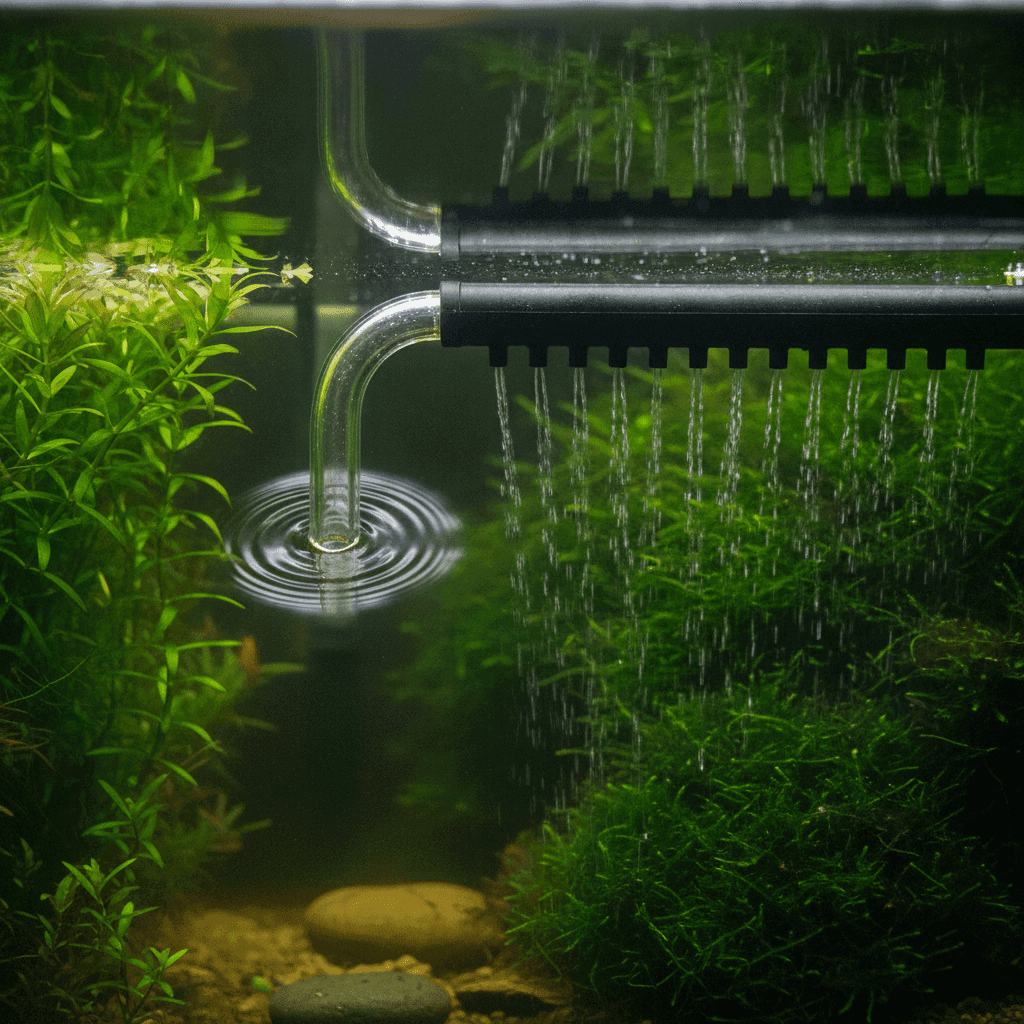
Adding Water: Pour water gently using a diffuser to avoid disturbing the aquasoil.
-
Introducing Plants: Plant your chosen flora carefully. Aquasoil offers a nutrient-rich base to support root development.
-
Starting Water Change Schedule: In the first 2-3 weeks, perform daily 30-50% water changes, tapering to 2-3 times a week as ammonia drops.
-
Monitoring Ammonia Levels: Use test kits to check ammonia levels every other day. Monitoring helps determine when it's safe to introduce aquatic life.
Common Mistakes When Starting a Tank with Active Soil
Avoid these common mistakes with active soils like ADA Amazonia:
- Skipping Water Changes: Neglecting initial water changes can let ammonia build to harmful levels.
- Adding Fish Too Soon: Only add fish after ammonia and nitrite levels stabilize.
- Rushing the Cycle: The nitrogen cycle takes time; allow beneficial bacteria to establish.
- Using Incompatible Water Treatments: Some treatments interfere with the nitrogen cycle by detoxifying ammonia.
Proper Maintenance and Long-term Care with Aquasoil
After cycling, switch to weekly water changes of 20-30% to keep water quality high. If using CO2 systems, integrate them to boost plant growth and consider nutrients for additional support. Regular maintenance, including substrate cleaning and parameter checks, will help prevent ammonia spikes.
Successfully Establishing a Healthy Aquascape with Aquasoil
By managing aquasoil ammonia effectively, you create a thriving habitat for your aquatic plants and animals. This effort results in lush growth and a beautiful display. With patience and care, your aquascaping endeavor will be rewarding.
FAQ on Aquasoil Ammonia Management
How long does ADA Amazonia release ammonia?
Typically, ADA Amazonia releases ammonia for 3-6 weeks as the nitrogen cycle sets in. This can vary depending on tank conditions.
Can I use activated carbon to reduce ammonia?
Activated carbon doesn't remove ammonia but does absorb organic compounds. Rely on biological filtration and water changes to manage ammonia.
Should I ever detect ammonia in a mature tank?
Once the nitrogen cycle is stable, ammonia levels should be zero. Detectable ammonia indicates an imbalance or inadequate filtration.
What role do snails and shrimp play in ammonia management?
Though they produce waste, snails and shrimp help control algae and break down food, supporting a balanced ecosystem.
Are there alternative substrates to aquasoil without ammonia issues?
Inert substrates like sand or gravel don't release ammonia but lack the nutrients and benefits for plant growth that aquasoil provides.
For more information on maintaining a clean tank and dealing with algae, consider reading Battling Black Beard Algae: Tips for a Clean Tank.