Seiryu Stone Raises KH - Ensure Safe Use in Aquariums
Discover how Seiryu Stone raises KH and affects pH in aquariums. Learn expert tips on using this stone safely for a balanced aquatic environment.
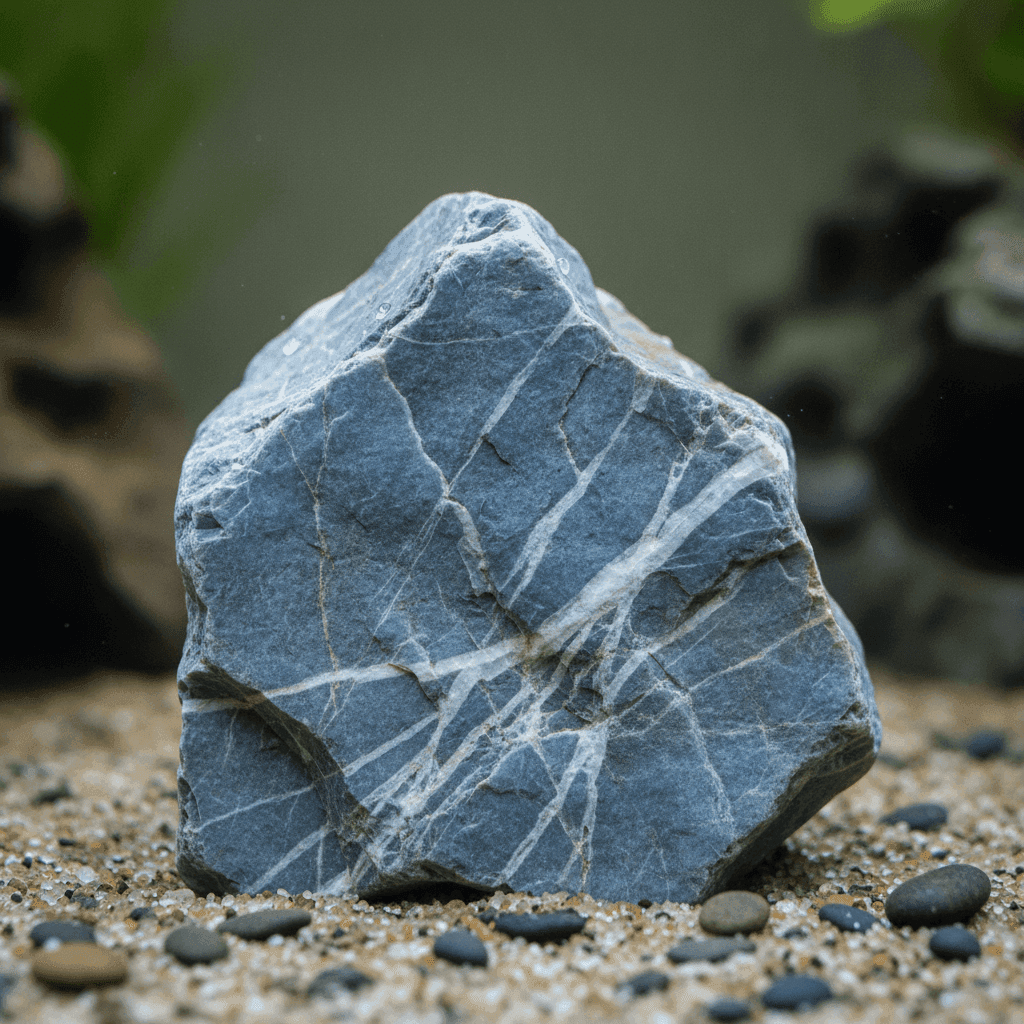
Seiryu Stone: How It Affects pH/KH and How to Use It Safely
Seiryu Stone is a favorite among aquascaping enthusiasts, known for its captivating beauty and the natural elegance it adds to aquariums. With its intricate textures and distinctive blue-gray colors, it can transform tanks into serene landscapes that mirror majestic rock formations. However, while visually appealing, Seiryu Stone can also change your aquarium's water chemistry. This article explores the impact of Seiryu Stone on pH and KH levels, providing advice on using it safely while ensuring a balanced environment for your aquatic life.
How Seiryu Stone Affects pH and KH
Seiryu Stone, also known as Seiryu-Seki, originates in Japan and is distinguished by its rich mineral composition. Predominantly made of limestone and calcium-rich minerals, these stones can significantly influence the water chemistry in your aquarium.
When introduced into water, Seiryu Stone releases calcium carbonate (CaCO3) as it gradually dissolves. This process increases the carbonate hardness (KH) of the water, stabilizing pH levels. Essentially, this creates a buffered environment that prevents sudden changes, providing a stable habitat for aquatic life.
The dissolution of CaCO3 in the water releases calcium ions (Ca²⁺) and bicarbonate ions (HCO3⁻). These ions are essential in elevating KH, giving the water a higher buffering capacity against pH fluctuations, generally resulting in a rise in pH level.
Why Does Seiryu Stone Raise KH?
Seiryu Stone's ability to raise KH is due to its calcium carbonate content. As these stones dissolve, they release bicarbonate ions into the water, effectively increasing carbonate hardness. This helps stabilize pH levels, creating a safer, more stable environment for aquatic life.
Pros and Cons of Using Seiryu Stone in Aquariums
Pros:
- Aesthetic Appeal: Seiryu Stone is celebrated for its stunning visual impact, creating natural aquatic landscapes that elevate your aquarium's beauty.
- Regulates Water Hardness Naturally: By increasing KH levels, Seiryu Stone maintains consistent water conditions, crucial for fish and plant species favoring higher alkalinity.
Cons:
- Not Suitable for All Species: Some fish and plants prefer softer, more acidic water. In these cases, Seiryu Stone's tendency to increase hardness and pH might cause stress or hamper growth.
Practical Steps to Safely Use Seiryu Stone in Your Aquarium
Choosing the Right Size and Quantity
Select Seiryu Stones that complement your aquarium's scale and design without overwhelming the space. The quantity should align with your desired water hardness and the needs of your aquatic species.
Cleaning and Preparing the Stones
Before adding them to your aquarium, rinse Seiryu Stones thoroughly to remove any dust or debris. A gentle scrub under running water should suffice, ensuring no residues interfere with water chemistry.
Gradual Introduction into the Tank
Introduce Seiryu Stones gradually to prevent sudden shifts in water chemistry. Start with small amounts and monitor your tank's response over several days or weeks, making adjustments as necessary.
Testing Water Parameters Regularly
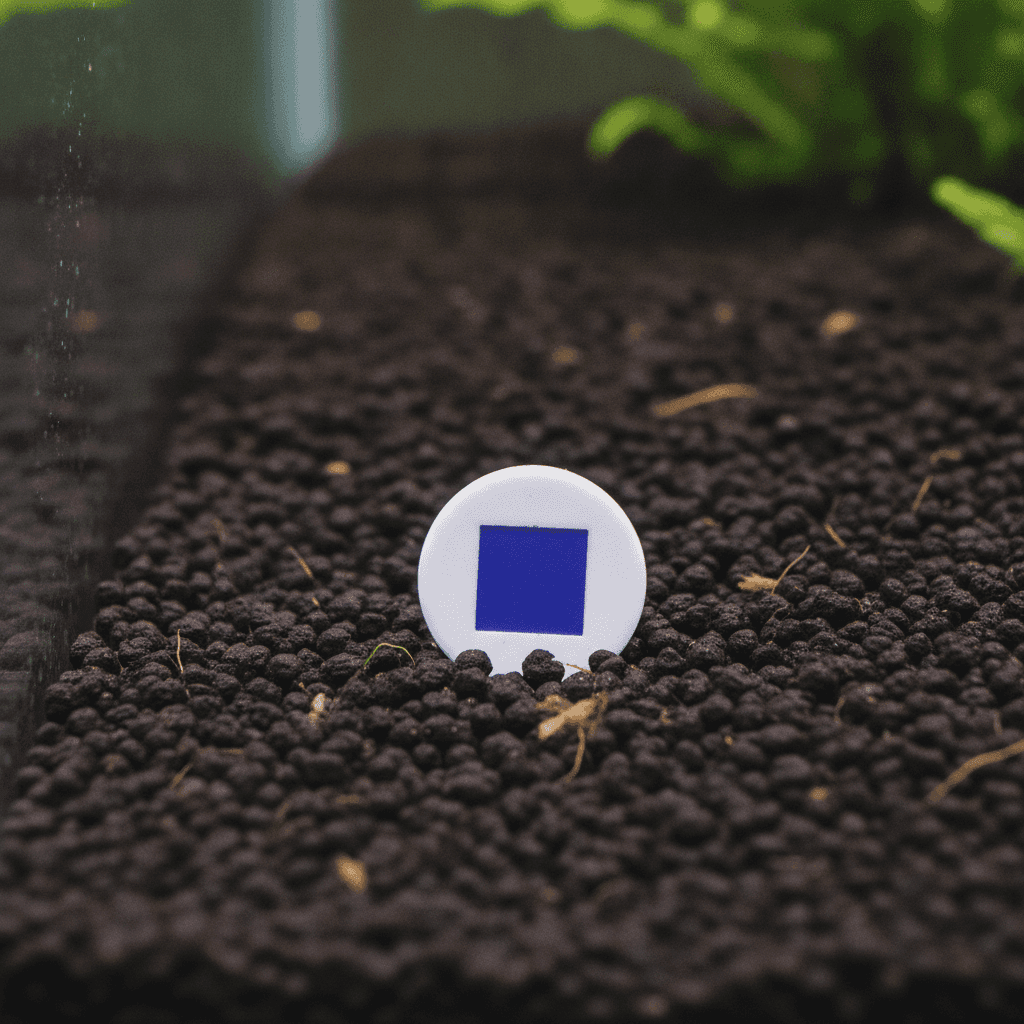
Consistently test the KH and pH levels in your aquarium to gauge the impact of Seiryu Stones. Use reliable test kits and keep a log to track changes over time.
Adjusting Tank Conditions as Necessary
Based on water parameter readings, make adjustments as needed. If KH or pH levels rise more than desired, remove some stones or use elements that counterbalance the effect.
Common Mistakes When Using Seiryu Stone
Overuse of Stones
Using too many Seiryu Stones at once can excessively harden the water and elevate pH levels. Start conservatively and increase gradually if needed.
Neglecting Water Testing
Regular water testing is crucial to prevent imbalances that can harm your tank's inhabitants. Frequent checks keep you proactive in maintaining ideal conditions.
Ignoring Compatibility with Certain Fish or Plants
Not all species thrive in higher KH and pH conditions. Ensure your aquatic life is compatible with Seiryu Stones before incorporating them extensively.
Tips to Avoid Mistakes
- Start with minimal stone usage.
- Regularly test water as a preventive measure.
- Understand the specific needs of your aquarium's inhabitants.
Balancing Seiryu Stone with Other Aquarium Elements
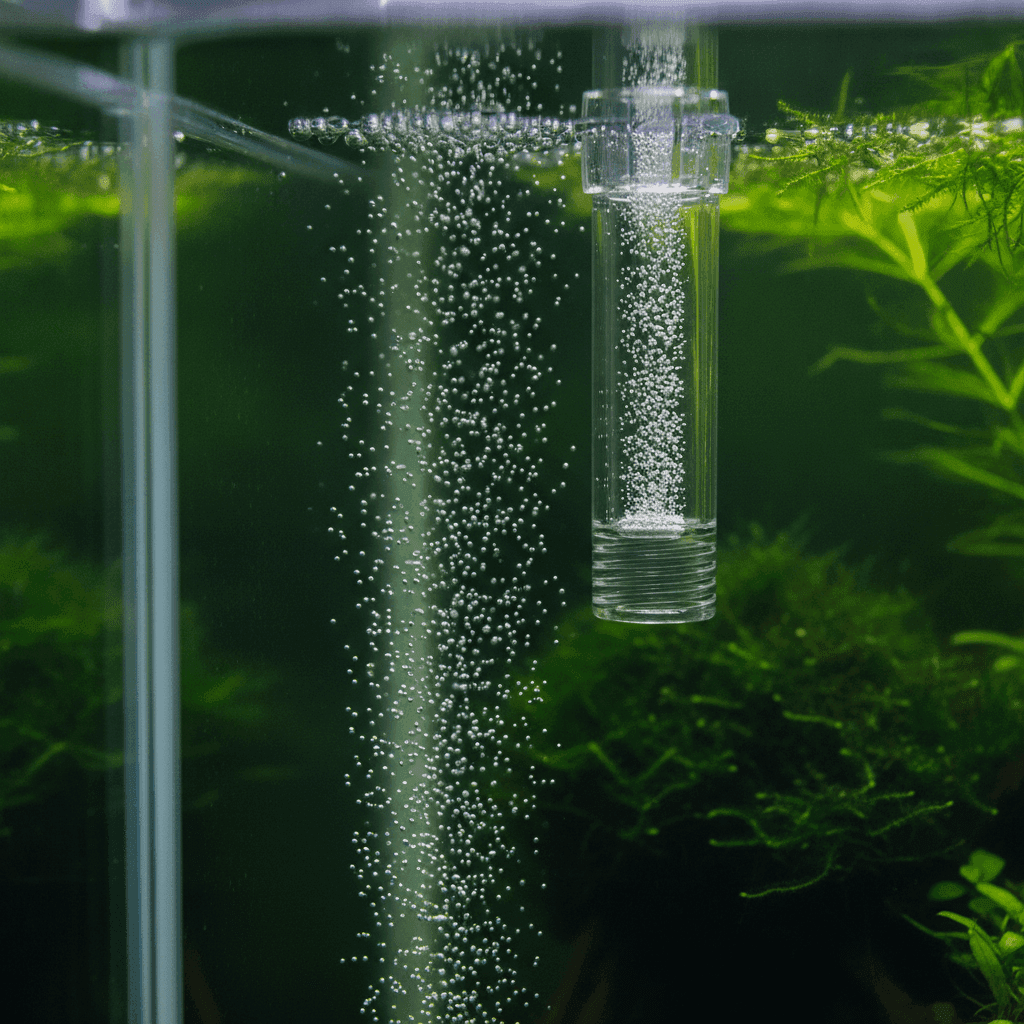
Including live plants and Effective Aquarium CO2 System Setup for Plant Growth can counteract the hardness introduced by Seiryu Stone. Plants can absorb excess carbonates, helping to maintain balance. Combining Seiryu with other substrates or stones may also create a more stable environment. Substrate Guide: Aquarium Soil vs Inert + Root Tabs
Monitoring and Adjusting Tank Parameters
It's vital to regularly check KH and pH for balanced aquarium management. Adjust CO2 levels and use additives as needed to achieve ideal conditions. Be vigilant for signs of imbalance, such as rapid algae growth or distressed fish behaviors, and address issues promptly.
Real-Life Examples and Case Studies
Aquascaping with Seiryu Stone has been successful in various setups, from minimalist Iwagumi Aquascape: Mastering Minimalism in Aquariums layouts to lush planted scapes. These stones create environments where slightly higher pH and KH levels benefit certain fish and plants, such as African cichlids and livebearers, which thrive under these conditions.
Why Some Aquarists Choose Alternative Stones
While Seiryu Stone has many appealing qualities, some aquarists opt for alternatives like Dragon Stone or Ohko Rock, which have a neutral impact on water chemistry and are suitable for soft water species.
Achieving Balance with Seiryu Stone
Understanding the chemical interactions of Seiryu Stone is crucial for a healthy aquarium. With careful monitoring and thoughtful adjustments, Seiryu Stone can enhance the beauty and stability of your aquascape. Tailor your tank’s parameters to suit your aquatic inhabitants, fostering a harmonious underwater environment where they can thrive.
FAQ
How quickly does Seiryu Stone change water chemistry?
Water chemistry changes can start within a few days of adding Seiryu Stone, with significant effects typically seen within a couple of weeks. The rate depends on the stone amount, water flow, and existing tank conditions.
Can Seiryu Stone be used in planted tanks?
Yes, Seiryu Stone can be integrated into planted tanks, especially those with high CO2 systems. It's important to monitor and adjust CO2 levels and ensure plant compatibility with the harder, more alkaline conditions that Seiryu Stone creates.
What fish species thrive with Seiryu Stone?
Fish that naturally inhabit hard, alkaline environments, such as African cichlids, livebearers like guppies and mollies, and some rainbowfish species, tend to thrive in setups with Seiryu Stone.
How to revert changes made by Seiryu Stone?
To reverse changes, reduce the number of stones or substitute them with less reactive options. Use water softeners or peat moss to gradually lower KH levels, along with frequent partial water changes to dilute mineral concentration.
Can you safely mix Seiryu Stone with other stone types?
Yes, mixing Seiryu with other stones is feasible, but ensure additional stones align with your water chemistry goals. Use combinations to achieve the desired aesthetic and chemical outcomes in your aquascape. Master Ryoboku Aquascape: Driftwood Aquarium Art