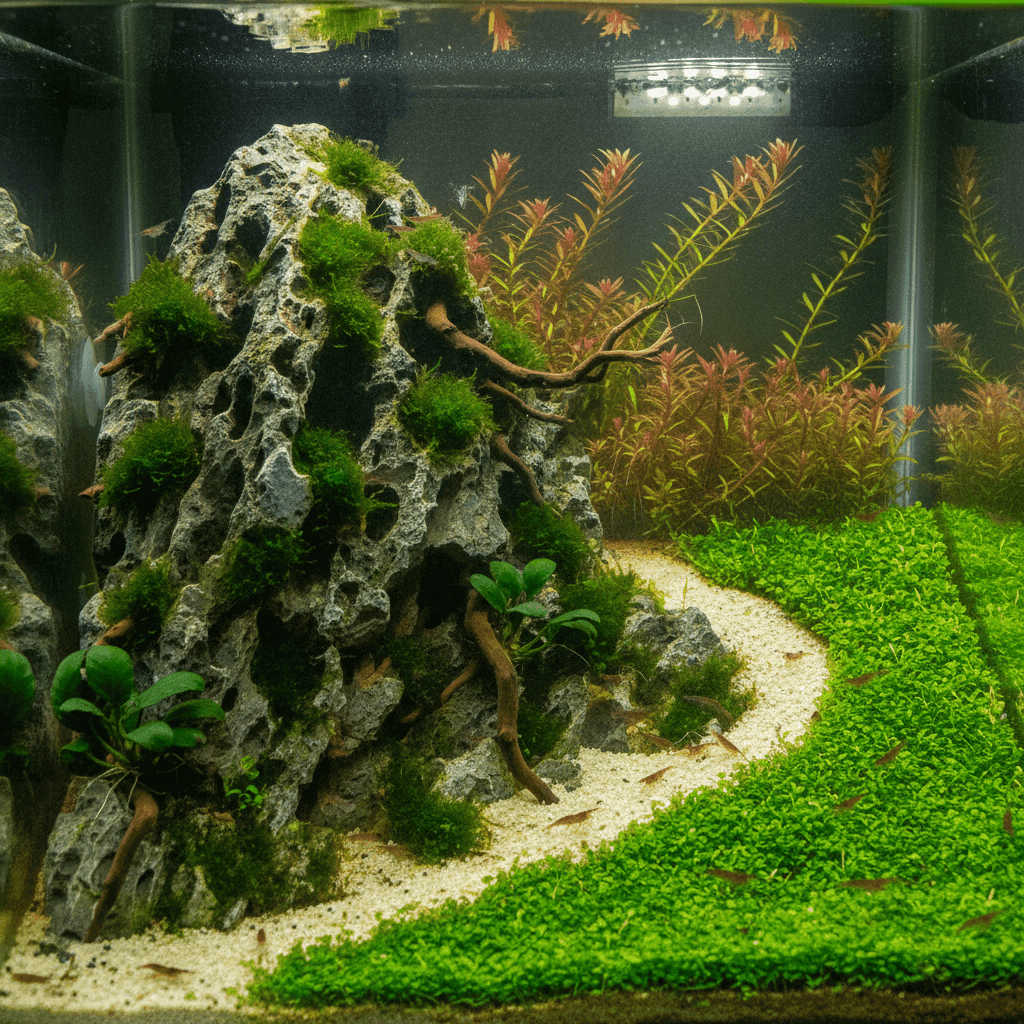
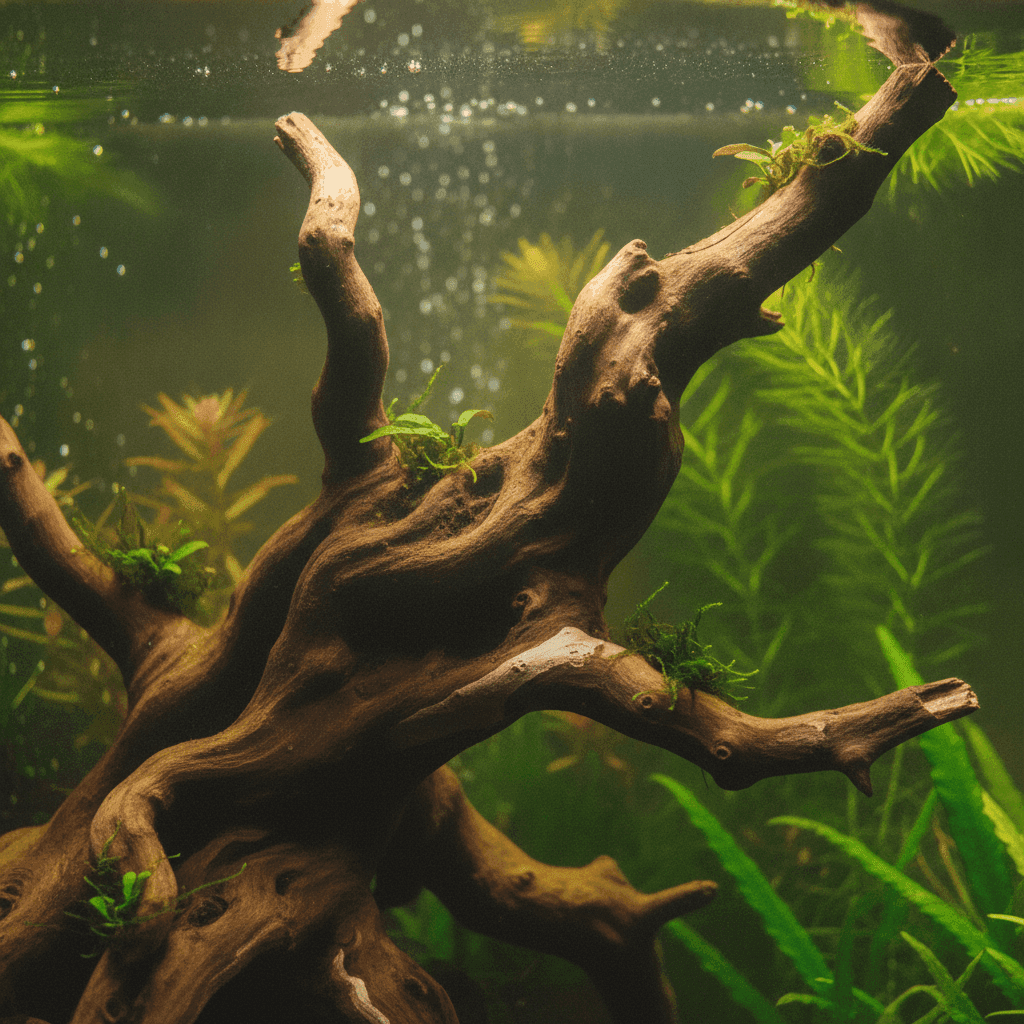
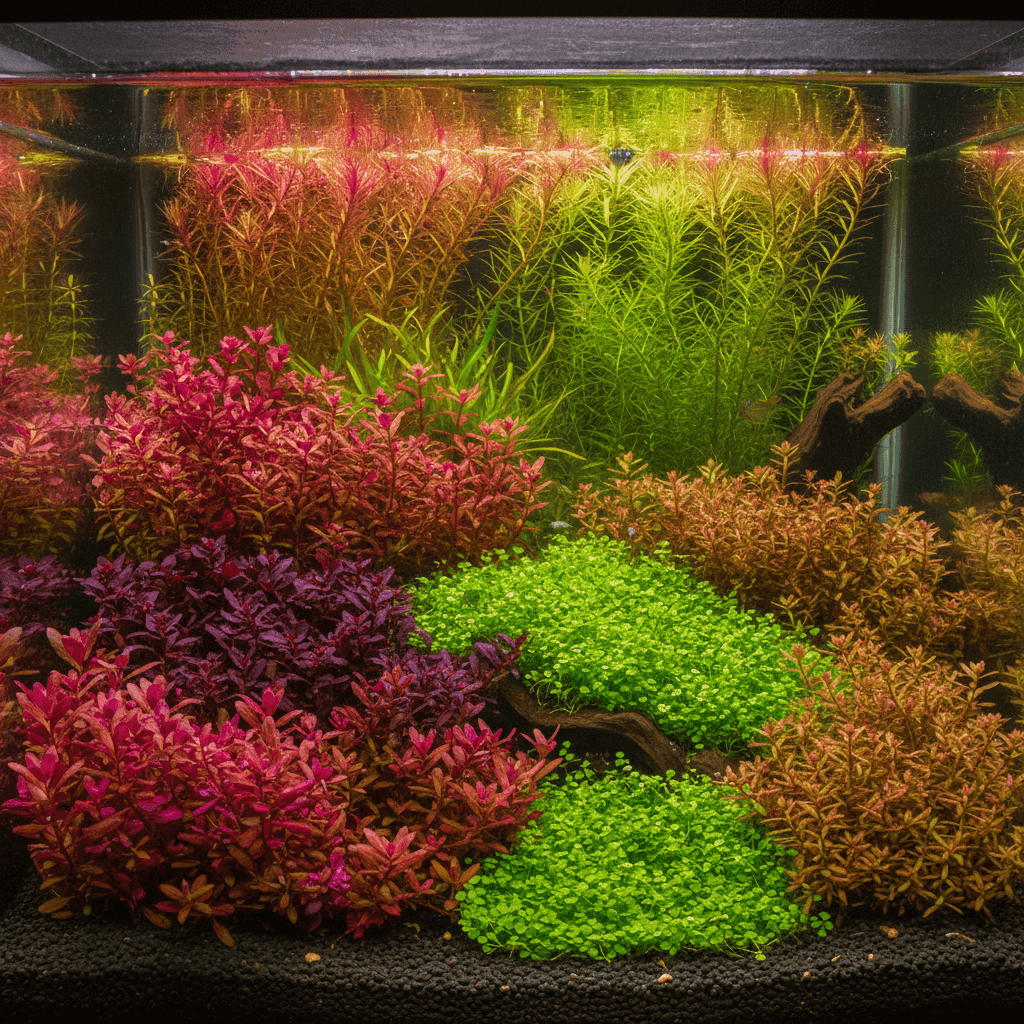
Iwagumi Aquascape: Mastering Minimalism in Aquariums
Discover the serene beauty of Iwagumi aquascapes. Learn how these minimalist designs transform spaces using stones and plants to create tranquility.
Iwagumi Aquascape: The Art of Minimalism and Tranquility
Imagine looking at an aquarium scene that exudes tranquility and simple beauty. This is the charm of the Iwagumi aquascape, a minimalist form of aquascaping that originates from Japan. It transforms aquascape design into art by using stones and plants to create a serene, underwater landscape. Each setup is a delicate balance of elements where less truly becomes more, turning any space into a calm sanctuary.
What is an Iwagumi Aquascape?
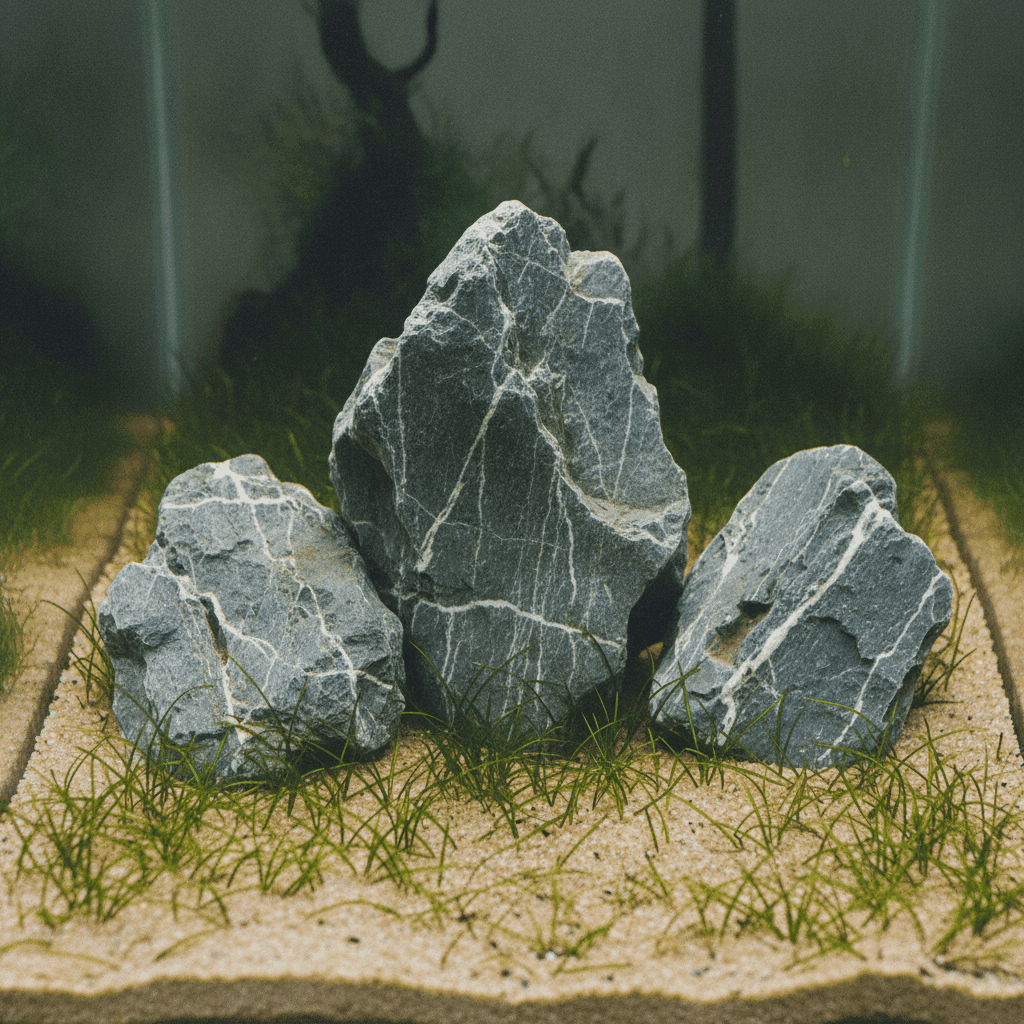
An Iwagumi aquascape is a type of planted aquarium based on Japanese garden design principles, known for its minimalist appeal. This style focuses on stones, plant layout, and negative space to create a natural yet artistically arranged scene. The central idea is to use stones as the key feature, with their selection and placement critically shaping the aquascape's tone and structure. Simple plant species, often low-growing, complement the stones, enhancing the clean lines and open spaces typical of an Iwagumi setup.
Iwagumi Rules: The Foundation of Design
The Iwagumi aquascape follows core principles that emphasize simplicity and balance. A fundamental concept is using an odd number of stones to avoid symmetry, creating a more natural appearance. These stones fall into three categories: the main stone (Oyaishi) as the focal point, secondary stones (Fukuishi) to support it, and tertiary stones (Soeishi) that subtly enhance the overall composition.
This asymmetric design encourages the viewer’s eye to flow naturally across the scene. The style also highlights negative space, which accentuates the individual elements within the tank, presenting a serene yet striking image.
Iwagumi Stone Placement Techniques
What is the best way to place stones in Iwagumi?
Effective stone placement in Iwagumi involves creating a hierarchy in terms of size and focus. The Oyaishi should be positioned at a focal point in the tank, ideally following the golden ratio, for maximum visual impact. Arrange the Fukuishi and Soeishi to support the Oyaishi, forming a cohesive composition.
Position the Oyaishi off-center, using the golden ratio to achieve a balanced and dynamic layout. The Fukuishi stones should harmonize with the main stone, maintaining proportion. The Soeishi, the smallest stones, add subtle accents, blending the entire structure into the aquascape.
Visual balance is often achieved by carefully angling stones and using the substrate to create depth. Slope the substrate toward the main stone to enhance three-dimensionality and depth. For more insights on choosing the right substrate, refer to our Substrate Guide: Aquarium Soil vs Inert + Root Tabs.
Selecting the Best Plants for Iwagumi
Choosing the right plants is key to preserving the minimalist look of an Iwagumi aquascape. Aquascapers usually pick low-growing species like Eleocharis acicularis (dwarf hairgrass), Hemianthus callitrichoides (dwarf baby tears), or Marsilea spp. These plants create lush, carpet-like covers, maintaining the unobtrusive backdrop necessary to highlight the stones.
When arranging plants, ensure they are spaced evenly to prevent overcrowding, allowing room for growth while maintaining the clear lines and open areas typical of this style. The harmony between plants and stones is essential to achieving the Iwagumi’s tranquil effect.
For those new to plant selection, our guide on Top Easy Aquarium Plants for Low-Tech Aquascapes offers valuable insights.
Practical Steps to Create Your Iwagumi Aquascape
To create your own Iwagumi aquascape, follow these steps:
-
Gather Materials: Choose an aquarium that meets your space and visual needs. Opt for clean glass with minimal distractions. Select stones with natural textures and shapes, and a substrate conducive to plant growth.
-
Initial Setup: Start by layering the substrate—use a nutrient-rich base for plant health, covered by a fine-grained, visually pleasing top layer to secure roots.
-
Stone Arrangement: Place your Oyaishi and supporting stones as per the principles described, adjusting substrate levels to enhance depth and dimension.
-
Planting: Anchor chosen plants into the substrate with aquascaping tweezers. Space plants to prevent excessive bunching and preserve the style’s clean lines.
-
Water Parameters: Gently fill the tank to avoid displacing elements. Maintain appropriate pH, hardness, and nutrient levels suitable for the selected plant species.
-
Lighting Strategy: Use soft lighting to promote plant growth without overwhelming the setup. Position lights to minimize shadows and ensure consistent lighting periods. For more tips, read our Planted Tank Lighting: Boost Growth & Prevent Algae.
Iwagumi Algae Prevention: Keeping Your Scene Pristine
A common challenge in Iwagumi aquascape maintenance is preventing algae growth. Algae issues often stem from imbalances in light, nutrients, and CO2. To prevent algae, manage these elements carefully. Moderate lighting, provide CO2 to boost plant growth, and supplement nutrients to prevent deficiencies.
Regular maintenance, such as water changes and manual algae removal, is crucial. Keep a close eye on your aquarium to catch potential issues early and adjust conditions as needed. Achieving a harmonious balance will minimize algae and keep your Iwagumi aquascape beautiful. For dealing with specific types of algae, our guide on Battling Black Beard Algae: Tips for a Clean Tank may be helpful.
Common Mistakes in Iwagumi Aquascaping
Beginners often face challenges with Iwagumi setups. Common mistakes include overcrowding the tank with stones or plants, disrupting the minimalist ethos. To avoid this, select stones thoughtfully and adhere to the odd-numbered placement and size relations principle.
Poor stone selection can also hurt the aesthetic. Choose stones with complementary shapes and textures for cohesiveness. Each element serves a purpose, and restraint is crucial. In this serene art form, simplicity speaks louder than complexity.
Maintaining Harmony: CO2 and Balance in Iwagumi Aquascapes
In an Iwagumi setup, CO2 plays a vital role in maintaining plant health. Adequate CO2 levels promote strong plant growth, deterring algae outbreaks by maintaining nutrient competition. Regular water changes are essential for water quality and balance. Monitor tank parameters consistently and adjust CO2 dosing, lighting, and nutrient levels as needed. To learn more about setting up a CO2 system, visit our Effective Aquarium CO2 System Setup for Plant Growth.
Mastering the Art of Iwagumi Aquascape
The Iwagumi aquascape perfectly illustrates harmony, balance, and simplicity in aquarium design. Understanding the core concepts of stone placement, plant selection, and maintenance allows aquascapers to create breathtaking scenes that capture the tranquil essence of this Japanese style. Whether you’re new to aquascaping or experienced, crafting and refining an Iwagumi offers immense satisfaction and peaceful reflection.
FAQ
How often should I trim plants in an Iwagumi aquascape?
Trim every few weeks based on plant growth and your desired look. Regular trimming helps maintain the neat appearance typical of Iwagumi setups.
What are the best fish for an Iwagumi setup?
Choose small, peaceful species like neon tetras, ember tetras, or harlequin rasboras. They complement the tranquil environment without overshadowing the minimalist aquascape.
How do I introduce new stones without disrupting the aquascape?
Introduce new stones carefully—remove decor or temporarily adjust existing stones to make room, maintaining the original layout principles for visual balance.
What should I do if I notice plants aren’t growing well?
Check light intensity, CO2 levels, and nutrients. Adjust any deficiencies and ensure your plant species match the setup's conditions.
Should I ever rearrange stones once the aquascape is established?
Rearranging stones can disturb tank stability and growth. Change placements only if necessary, and do so carefully to maintain the aquascape’s integrity.