Master Ryoboku Aquascape: Driftwood Aquarium Art
Explore ryoboku aquascape, where driftwood transforms aquariums into artistic landscapes. Perfect blend of nature and serenity for all skill levels.
Ryoboku Aquascape: Mastering Driftwood Design in Aquariums
Aquascaping is the perfect way to bring artistry into your home, blending the beauty of water and plants into living art. Among the various styles, the ryoboku aquascape is particularly appealing to beginners and experts alike. It features intricate driftwood structures and lush greenery, creating an inviting and nurturing environment for aquatic life. Driftwood adds depth and a serene natural feel, making the aquarium a calming and mesmerizing slice of nature.
Driftwood is crucial in aquascaping, providing complex structures and a natural habitat for fish and plants. Its unique character transforms an aquarium into a vibrant landscape, inviting viewers to explore. Let’s explore how driftwood serves as the foundation of ryoboku aquascaping.
What is Ryoboku Aquascape?
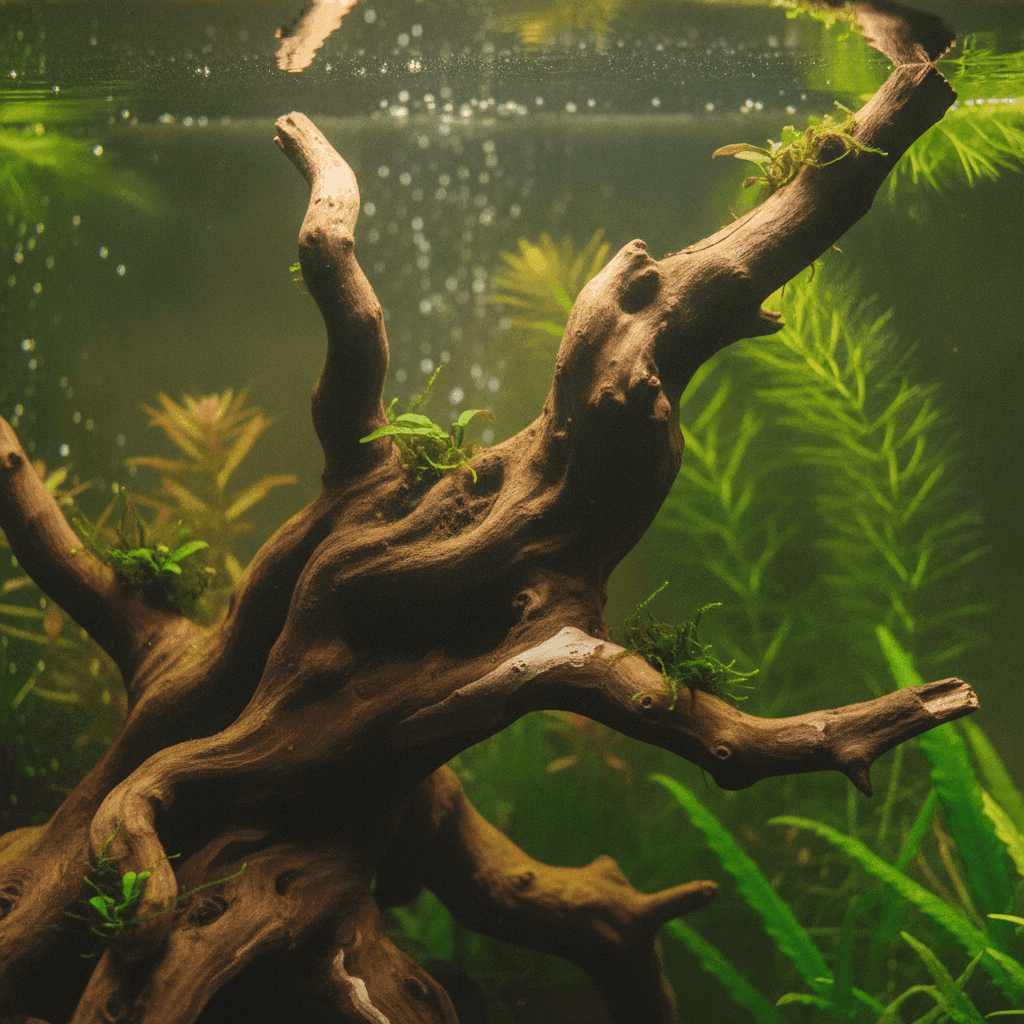
The ryoboku aquascape draws inspiration from natural riverbanks or floodplains where driftwood gathers. Known for its dynamic but serene beauty, this style uses driftwood to create intricate, natural-looking structures. Twisted branches and roots are arranged to mimic the natural chaos found in the wild.
Driftwood is the focal point of ryoboku aquascapes, acting as a framework for plant growth. Its natural forms add depth, while the wood aids beneficial bacteria, promoting a healthy environment. The blend of driftwood and plants captures the essence of a tranquil underwater world.
Key Benefits of Ryoboku Aquascape
The ryoboku style offers both aesthetic and functional benefits. Visually, it creates a striking, natural scene that captivates the imagination. The intricate driftwood arrangements draw the eye and offer a rich variety of textures and colors.
Functionally, these aquascapes simulate natural habitats, providing hiding spots and breeding grounds for aquatic life. The surface of driftwood supports plant growth and beneficial microbes, crafting a mini-ecosystem that balances pH, conditions water, and encourages natural behaviors.
Selecting and Preparing Driftwood for Your Ryoboku Aquascape
Choosing Driftwood
Selecting the right driftwood is key to an appealing ryoboku aquascape. Here are some popular choices:
- Manzanita Wood: Known for its fine branches and unique shapes, ideal for delicate designs.
- Mopani Wood: Offers a robust appearance with contrasting light and dark tones.
- Spider Wood: Features twisted branches perfect for creating inviting patterns.
Choose driftwood with varied textures and sizes that fit your aquarium. Ensure pieces complement each other, forming a cohesive design without clutter.
Preparing Driftwood
Proper preparation avoids negative impacts on your aquarium. Here’s how to prepare:
- Cleaning: Scrub under running water to remove dirt and debris.
- Soaking: Submerge in water for weeks to months to leach tannins and stabilize buoyancy.
- Boiling: Boiling for 1-2 hours expedites tannin release and sterilizes the wood.
- Rinsing: Thoroughly rinse off dust or remaining tannins.
Extend soaking to control tannins. If water coloration is an issue, use partial water changes or activated carbon to maintain the benefits.
Designing the Perfect Ryoboku Hardscape
The art of ryoboku aquascape is in arranging driftwood carefully. Visualize your desired structure and flow, balancing size and dimensions of the tank. Achieve harmony between dynamic lines and natural chaos, allowing room for plants and fish.
Experiment with different layouts, with guidance from Aquascaping for Beginners: A Step-by-Step System (Low-Tech + High-Tech Paths). Aim for an organic yet harmonious composition, balancing dense wood clusters with open spaces.
Incorporating Epiphytes in Ryoboku Aquascapes
Epiphytes, which don't root in substrate, are perfect for ryoboku aquascapes. They grow naturally when attached to driftwood, adding greenery and dimension.
Beginner-friendly options include:
- Anubias: Hardy, slow-growing plants with attractive leaves.
- Java Fern: Easy to care for under various conditions. Check out our detailed Java Fern Care: Expert Tips on Planting & Myths guide.
- Bucephalandra: Noted for its unique textures. Learn more from the Bucephalandra Care Guide for Stunning Aquascapes.
Attach epiphytes with fishing line, super glue, or aquarium-safe wire. Over time, they embed in the wood, fostering a thriving ecosystem.
Managing Tannins in Your Driftwood Aquarium
Tannins from driftwood can affect water chemistry. While some enjoy the natural tea-colored look, others may want to minimize it.
Manage tannins with regular water changes and activated carbon or purigen filtration products. Tannins soften water and lower pH slightly, which some species prefer. However, excessive tannins might obscure the tank or affect sensitive fish, so monitor conditions to keep them optimal.
Setting Up a Ryoboku Aquascape
Planning Your Layout
Begin by planning. Sketch layouts and arrange hardscape in a dry tank or on a table. Check the flow of driftwood lines and visual paths to achieve natural aesthetics.
Emphasize flowing lines that guide the viewer’s look. Use the golden ratio and rule of thirds to balance and harmonize your setup.
Execution and Assembly
Follow these steps to build your aquascape:
- Start with Substrate: Lay it down, adding elevation for driftwood support. For more on substrates, see our Substrate Guide: Aquarium Soil vs Inert + Root Tabs.
- Position Driftwood: Secure it with gravel or rocks to prevent movement.
- Plant Epiphytes: Attach them with fishing line or glue, ensuring contact with driftwood.
- Fill Tank: Slowly add water to maintain stability.
Ensure everything is firmly in place for stability and easy maintenance.
Common Mistakes to Avoid
Avoid these common errors to maintain a thriving ryoboku aquascape:
- Overcrowding: Too much driftwood limits space for swimming and plant growth.
- Ignoring Water Conditions: Driftwood alters water chemistry; monitor regularly.
- Neglecting Epiphyte Growth: Correctly attach and provide light to prevent decay.
Bringing Life to Your Ryoboku Aquascape with Plants and Fish
Choosing the right plants and fish is key. Select those that thrive with driftwood, like Java Moss or Cryptocoryne. Pair them with fish that enjoy driftwood cover, such as tetras or angelfish.
Keep ecological balance by pruning regularly and monitoring water conditions to support your community.
Embracing the Zen of Ryoboku: Aquascaping as a Meditative Practice
Aquascaping, especially ryoboku style, is a meditative practice that blends creativity with nature. Designing and maintaining your aquascape promotes tranquility, allowing you to destress and connect with your environment. Beginners should embrace this art form patiently, relishing the journey of learning and discovery.
Explore more with our Aquascaping for Beginners: A Step-by-Step System (Low-Tech + High-Tech Paths).
Wrapping Up Your Ryoboku Journey
Starting a ryoboku aquascape lets you create a beautiful piece of nature. By mastering driftwood selection and preparation, creating striking hardscapes, and choosing resilient plants and fish, you'll build a thriving aquarium at home. Experiment and personalize your setup, allowing it to evolve and refine your skills. For ongoing care, visit our Plant Care Basics for Planted Tanks.
FAQ
What are the best types of wood for a ryoboku aquascape?
Manzanita, Mopani, and Spider Wood are excellent choices for their aesthetic traits and durability.
How long should driftwood soak to remove tannins?
Soak driftwood for several weeks to months, depending on wood type and desired tannin levels. Boiling can speed up this process.
Can I add fish immediately after setting up my driftwood aquarium?
No, it's best to cycle your aquarium and ensure stable water conditions before adding fish.
How do I attach plants to driftwood securely?
Use fishing line, cotton thread, or aquarium-safe super glue to attach plants, ensuring roots contact the driftwood.
Will tannins harm my fish or plants?
Tannins usually don’t harm fish or plants and can simulate natural blackwater conditions. However, monitor levels to avoid potential issues with sensitive species.