Master Aquascaping with the Golden Ratio Principles
Discover the art of aquascaping and learn how the Golden Ratio can create stunning, balanced aquariums that captivate and delight any viewer.
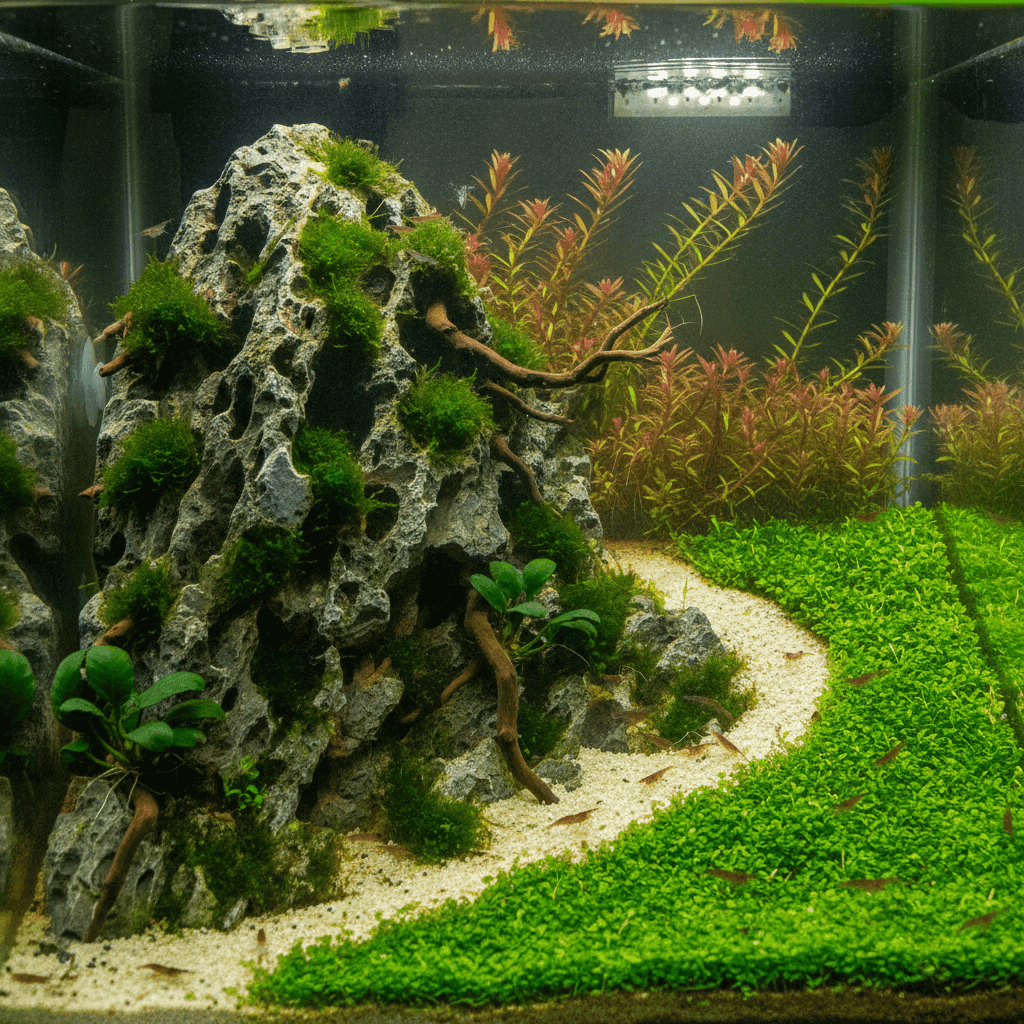
Aquascaping: The Art of Balance and Natural Beauty
Aquascaping goes beyond merely arranging plants and rocks in an aquarium; it's an artistic endeavor inspired by natural landscapes to create dynamic, living scenes. For nature enthusiasts, aquascaping provides a delightful mix of creativity and scientific knowledge, enabling them to craft vibrant underwater worlds filled with life. Like photographers and painters using compositional guidelines to enhance their work, aquascapers rely on principles like the Golden Ratio and the Rule of Thirds to achieve beautiful, harmonious aquariums.
Understanding Composition in Aquascaping
Composition is key to crafting aquariums that exude balance and beauty. It ensures that every element—from plants to rocks—works together, creating an appealing visual experience. These compositional guidelines help aquascapers establish focal points and direct the viewer's gaze throughout the tank, paving the way for designs that are intricate yet tranquil.
What is the Golden Ratio in Aquascaping?
The Golden Ratio, represented by the Greek letter phi (ϕ), is a timeless mathematical concept found in nature and art. Used by greats like Leonardo da Vinci and Le Corbusier, this ratio highlights balance and proportion in art and architecture.
In aquascaping, the Golden Ratio means using a 1:1.618 ratio to decide where your focal points should be. This principle allows aquascapers to design tanks that are naturally balanced and pleasing, enhancing visual flow and depth.
How to Use the Golden Ratio in Aquascaping
To apply the Golden Ratio in your aquascape, use the 1:1.618 ratio to place key elements. Divide your tank’s width by 1.618 to locate the main focal point. This helps determine where to position prominent features like plants, rocks, or decorations to naturally catch the eye.
For example, in a 100 cm wide aquarium, place a significant element about 61.8 cm from one side for a balanced design. You can also use this ratio vertically to add height and depth. This method brings a systematic approach to your aquascape, ensuring harmony among all parts.
Comparing Composition Techniques
The Golden Ratio vs. the Rule of Thirds
The Rule of Thirds, borrowed from photography and art, divides space into nine equal rectangles using two horizontal and vertical lines. In aquascaping, this technique helps place key elements along these lines or intersections for dynamic compositions.
While the Golden Ratio is precise, the Rule of Thirds offers a simpler, intuitive method—ideal for beginners who might find the Golden Ratio overwhelming. In smaller tanks, locating a focal point at one of the Rule of Thirds intersections might be more practical.
Each approach has its merits: the Rule of Thirds is easy and quick, whereas the Golden Ratio offers more sophistication. Choose based on your desired outcome and experience level.
Creating Focal Points in Aquascapes
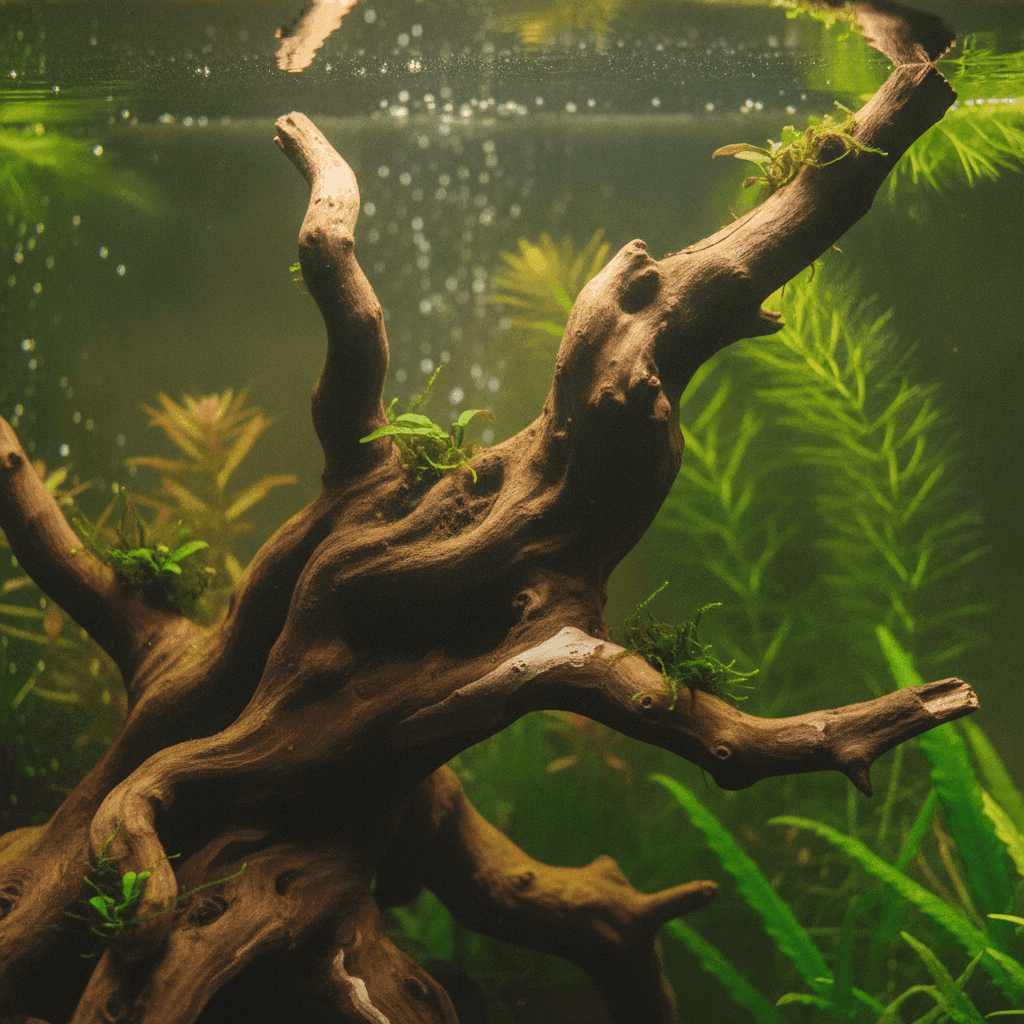
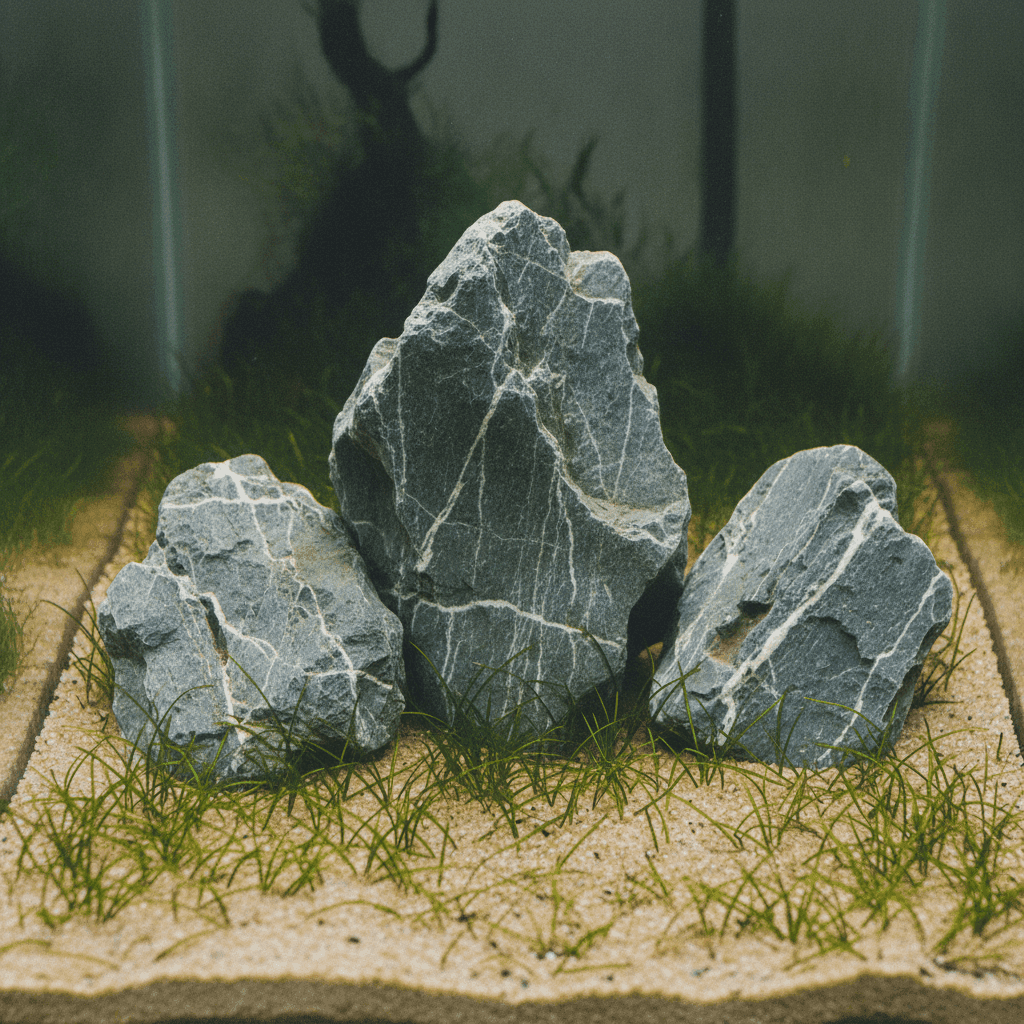
A compelling focal point draws the viewer’s immediate attention and initiates their exploration of the aquatic scene. Whether it’s a prominent piece of driftwood, vibrant plants, or a stone cluster, focal points are vital for enhancing composition.
Using the Golden Ratio for focal points ensures that the eye naturally rests on them, while the Rule of Thirds offers placement flexibility. To highlight focal points, use varied plant heights, textures, and colors alongside carefully selected hardscape features.
Designing Your Aquascape with the Golden Ratio
Planning Your Layout
Sketching your layout before setting up an aquarium is extremely helpful. Use tools like a ruler, compass, or digital software to plan with the Golden Ratio in mind. Select materials that align with your design vision and desired scale.
Executing the Design
Once you have your plan, set up your aquarium according to your sketch. Position hardscape elements like stones and driftwood first, following the Golden Ratio's guidance. Then, add your selected plants to enhance the established lines and focal points.
Check out our Beginner's Guide to Aquascaping Tools to help you get started.
Common Mistakes in Aquascape Composition
A frequent mistake is overloading the tank, which can break the balance achieved by the Golden Ratio. Stick to your layout plan and periodically step back to view your aquarium from different angles. Adjust any elements that seem out of place or too dominant.
For additional tips, refer to our guide on Plant Care Basics for Planted Tanks.
Celebrating the Balance of Nature in Your Aquascape
Mastering aquascaping includes leveraging techniques like the Golden Ratio and the Rule of Thirds to cultivate aquatic environments that are not only well-balanced and beautiful but also reflect your unique style. These rules guide you while encouraging the kind of creativity that makes your aquascape stand out.
FAQ
What is the easiest composition rule for beginners to start with?
The Rule of Thirds is typically the simplest for beginners. It offers a straightforward grid to follow, making it an accessible introduction to aquascaping design principles.
Can I combine multiple composition rules in one aquascape?
Absolutely, you can combine the Golden Ratio and Rule of Thirds to enhance your design with multiple layers of visual interest. However, beginners should be careful, as this complexity can result in a cluttered design if not handled well.
How do I determine the focal point in a small aquascape?
In small tanks, use distinctive features like a striking rock or contrasting plant species as focal points. Position them using the Rule of Thirds or Golden Ratio to maintain balance and focus.
Are there specific plants that work best with the Golden Ratio?
Plants like Anubias, certain Cryptocorynes, and tall grasses work well with the Golden Ratio. These species help build height and depth, keeping the focus on key areas of the aquarium.