Dutch Aquascape: Master Plant Grouping & Trimming
Learn to craft a vibrant Dutch aquascape with expert plant grouping and trimming techniques. Achieve an organized, lush underwater garden!
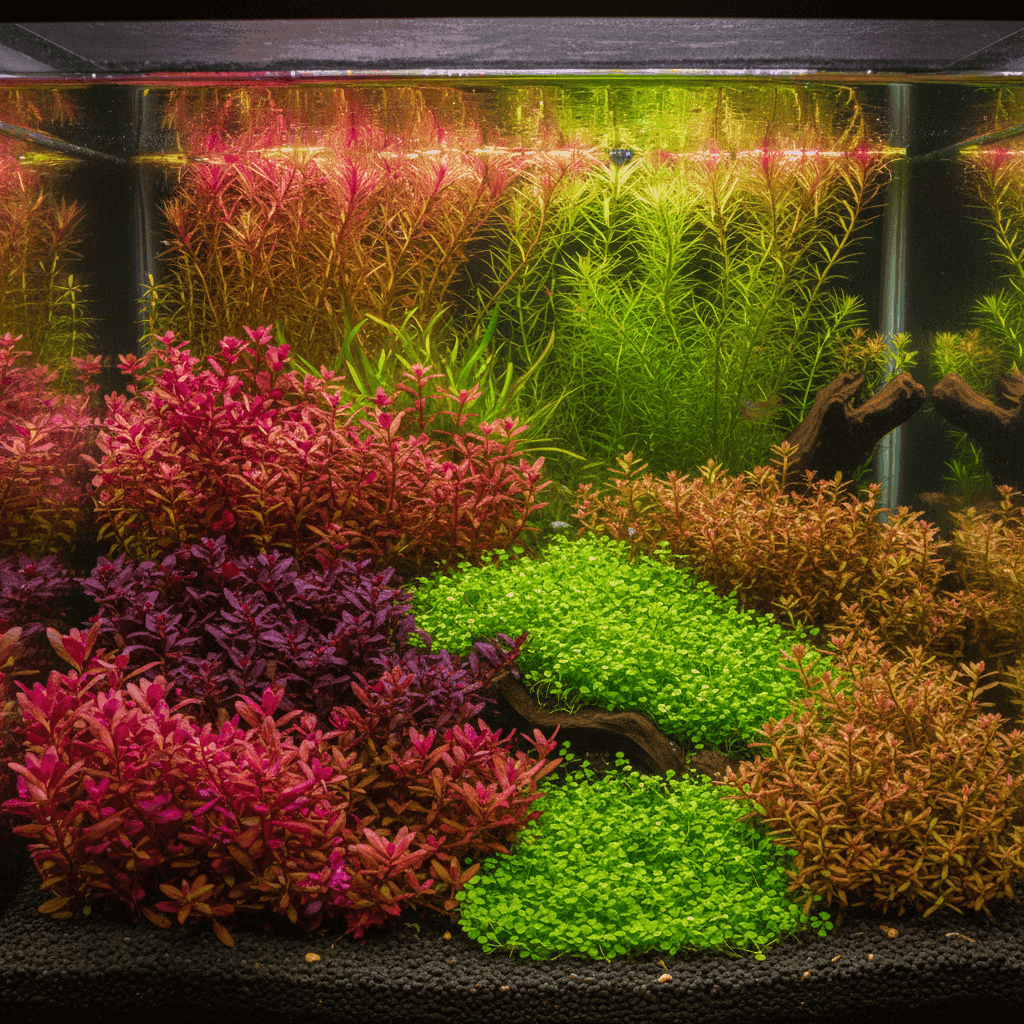
Dutch Style Aquascape: Plant Grouping Rules and Trim Strategy
In the aquascaping world, the Dutch style is celebrated for its emphasis on vibrant plant growth and meticulously organized designs. Unlike the nature-themed Iwagumi styles that master minimalism in aquariums or the dramatic diorama styles, Dutch aquascapes avoid hardscape elements like rocks and driftwood, focusing entirely on complex plant arrangements. Achieving this classic Dutch look requires an understanding of plant grouping and trimming techniques to maintain its well-defined, organized aesthetic.
In this guide, we'll explore the essential principles for mastering Dutch-style aquascaping. Learn how to group plants by height and color, master sophisticated trimming techniques, and avoid common pitfalls to create a thriving and elegant Dutch aquascape.
Understanding Dutch Aquascape: A Direct Answer
A Dutch aquascape is an aquarium design style that relies heavily on aquatic plants to craft a vibrant and cohesive underwater garden. Unlike other styles that emphasize hardscape features, the Dutch style is all about plants. The focus is on creating depth and contrast using organized plant layouts.
Structured plant arrangements are at the heart of Dutch aquascaping. This involves selecting the right plants, placing them strategically, and maintaining them regularly to achieve a lush and orderly garden-like appearance within the aquarium.
Core Principles of Dutch Style Aquariums
Dutch aquariums spotlight a wide variety of plant life. By leveraging the diverse colors and textures available, aquascapers create visually interesting designs. The key is to pick plants that contrast in color while offering varied textures and shapes.
A critical component of this style is the "Dutch streets" layout. These rows of plants, often aligned parallel to the aquarium's front glass, guide the viewer's eye much like pathways or streets, helping create a perception of depth.
Plant height and form also matter, as they help establish different layers within the tank. Taller plants typically form the background, seamlessly transitioning to medium and foreground plants for a tiered, three-dimensional effect.
Dutch Aquascape Plant Grouping Rules
Selecting the right plants is crucial for crafting a Dutch aquascape. Typically, a mix of stem, foreground, and background plants is used to add depth and complexity.
- Stem Plants: Positioned in the background or midground, these plants offer vertical growth with a variety of colors.
- Foreground Plants: Shorter plants enhance the forefront of the tank, complementing taller varieties behind them.
- Background Plants: Usually taller, they create a backdrop and contribute to the tank's overall height diversity.
Color contrast is crucial in plant grouping, blending dark greens, vibrant reds, and subtle tones for an engaging display. Varying plant heights ensure each type stands out, preventing any single species from dominating the view.
Choose plant combinations that are not only visually appealing but also compatible in terms of light and substrate needs.
Trimming Techniques for a Dutch Aquascape
Regular trimming is essential to maintain the tidy appearance of a Dutch aquascape. This practice keeps plants healthy and the layout structured.
Step-by-Step Trimming Guide
-
Observe and Assess: Before you trim, study your plants' growth. Determine which ones need cutting to avoid overshadowing or unruly expansion.
-
Choose Your Tools: Use quality aquascaping scissors, preferably long and curved, and tweezers for plant removal.
-
Trimming Stem Plants: Cut straight across to let new shoots emerge below the cut. Ensure symmetry to preserve your plant "streets."
-
Pruning Foreground Plants: Use curved scissors to carefully trim leaves or sections from carpet plants, promoting horizontal over vertical growth.
-
Maintain and Monitor: After trimming, keep an eye on regrowth for optimal health, adjusting your approach as needed.
Practical Steps to Create a Dutch Aquascape
1. Planning and Designing Your Layout
- Assess Tank Dimensions and Lighting: Know your tank's size and available light since plants require different conditions to thrive.
- Sketch Your Design: Draft an initial layout focusing on creating Dutch streets and properly grouping compatible plants.
2. Plant Selection and Arrangement
- Choosing Foliage: Opt for a variety of plants to introduce different textures and colors. Consider plants like Ludwigia for reds, Hygrophila for greens, and more subtle options like Cryptocoryne.
- Planting Techniques and Spacing: Avoid overcrowding and apply the rule of thirds to ensure each species has room for healthy growth.
3. Implementing a Trimming Strategy
- Establish a Routine: Plan regular maintenance for trimming and care, aiming for minor trims weekly and major shaping every few weeks.
- Monitor Plant Health: Keep track of plant vitality, adjusting nutrients and light as needed to ensure robust growth.
Common Mistakes in Dutch Aquascaping
A frequent mistake in Dutch aquascaping is overcrowding plants, which can lead to competition for resources and a cluttered look. Neglecting regular trimming can also transform a neat aquarium into a chaotic tangle.
Additionally, failing to maintain a cohesive color palette disrupts visual harmony. While contrast is important, random combinations without a clear vision detract from the structured elegance typical of a Dutch aquascape.
Refining Your Aquascape: Focus on CO2 and Plant Health
For lush and vibrant growth, CO2 injection is crucial in Dutch aquascaping. It accelerates plant growth, intensifies colors, and helps manage algae. An optimized CO2 setup supports balanced nutrient delivery, ensuring a healthy system. Regularly monitor and adjust your CO2 to enhance the aesthetic quality of your aquarium. For more detailed insights, explore our guide on effective aquarium CO2 system setup for plant growth.
FAQ
What are Dutch streets in aquarium design?
Dutch streets refer to the organization of plants in parallel rows, similar to streets, to create depth and guide the viewer's gaze through the tank. This technique is fundamental for achieving the structured look of Dutch aquascaping.
How often should I trim my Dutch aquascape?
Trimming depends on your plants and conditions. Generally, faster-growing species need trimming every one to two weeks, while slower growers can be trimmed every three to four weeks.
Which plants are best for beginners attempting Dutch aquascaping?
Beginners should consider starting with plants like Anubias Nana which offers algae-free, healthy growth, Java Fern, and Cryptocoryne, which offer vibrant colors and textures and are easy to maintain under standard conditions.
Do I need CO2 for a Dutch aquascape?
While not mandatory, CO2 injection greatly enhances plant growth and color vibrancy in Dutch aquascapes, promoting optimal health and aesthetic outcomes.
Can I use rocks or wood in a Dutch style aquarium?
Traditional Dutch aquariums shy away from rocks or wood, but modern interpretations sometimes include subtle hardscape elements to enhance depth or achieve specific aesthetics.