Green Spot Algae Removal: Effective 7-Day Action Plan
Discover how to tackle green spot algae in your aquarium with our 7-day plan. Maintain clear tank conditions and vibrant plant health effortlessly.
Green spot algae (GSA) is a common nuisance for many aquarium enthusiasts. Characterized by hard, green spots on aquarium surfaces, this algae can cloud your tank's clarity and harm the health of your aquatic plants if ignored. Addressing GSA promptly is vital for maintaining a vibrant and balanced aquatic environment. This article outlines a practical 7-day removal plan along with troubleshooting tips to help you tackle green spot algae effectively.
What is Green Spot Algae?
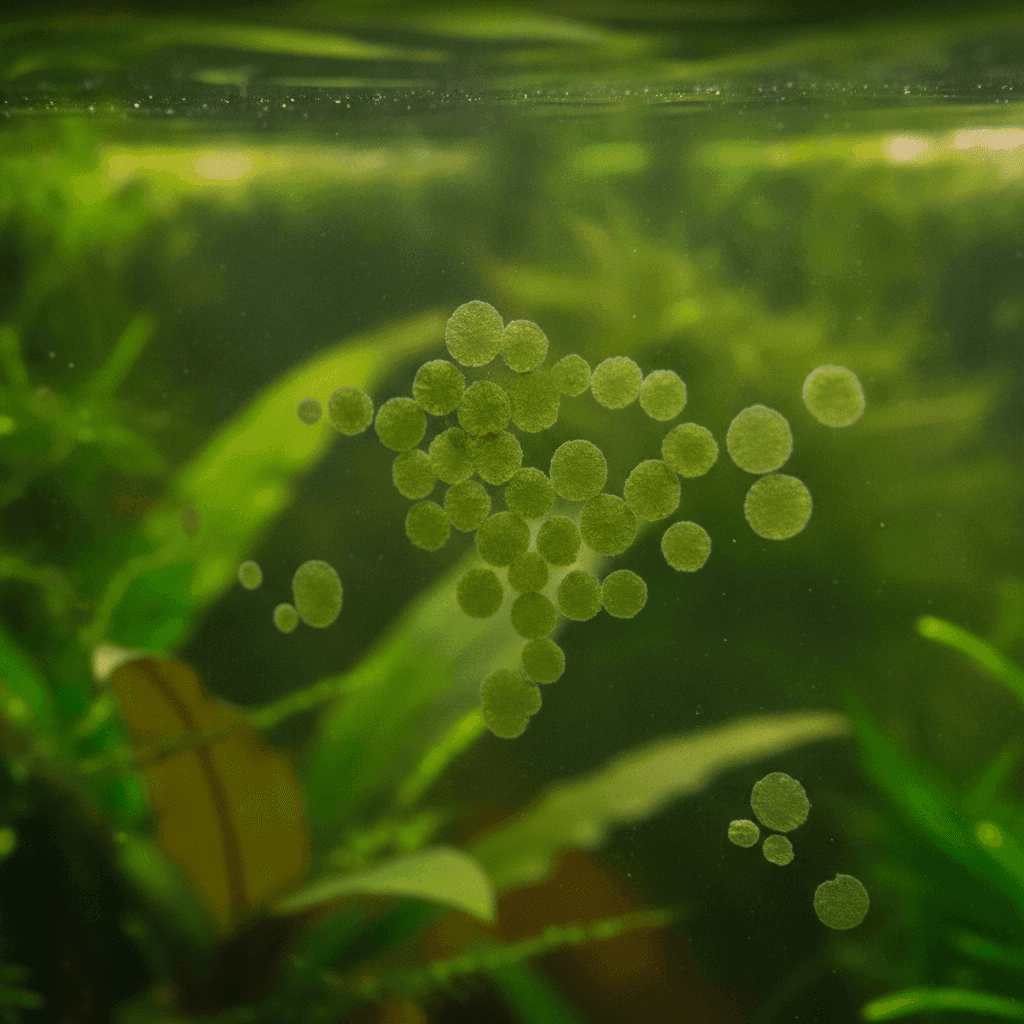
Green spot algae, or GSA, typically appears as small, round, bright-green spots on aquarium glass, decorations, and plant leaves. Unlike softer algae like green water or brown diatoms, GSA clings stubbornly to surfaces. It often indicates an imbalance in your aquarium's environmental conditions.
Causes of Green Spot Algae
Several factors can trigger the growth of green spot algae in aquariums:
Inadequate CO2 Levels
CO2 is essential for plant photosynthesis. Low levels can lead to nutrient deficiencies, allowing GSA to thrive. Plants become less competitive with algae for nutrients when deprived of CO2. For an effective CO2 setup, check out our guide on Effective Aquarium CO2 System Setup for Plant Growth.
Low Phosphate Concentrations
Phosphate is a vital nutrient, and insufficient levels can foster GSA growth. Balancing phosphate levels is important for both plant health and algae control.
Excessive Light Exposure
Too much intense or prolonged light can worsen GSA infestations. Algae exploit light for growth, and excess exposure can trigger algae blooms, including GSA. For more lighting tips, refer to our Planted Tank Lighting: Boost Growth & Prevent Algae.
Importance of Balanced Nutrients
Maintaining a balance of nutrients like nitrates, phosphates, and trace elements is key to preventing GSA. Imbalanced nutrients can stunt plant growth, giving algae a competitive edge. Learn more about creating a suitable environment with our Plant Care Basics.
How to Quickly Identify GSA
GSA is distinctive by its stubborn, green, circular spots on surfaces. These often appear on aquarium glass and are difficult to remove. On plants, GSA can show up as dark green spots on leaves, signaling an early infestation. Early detection can prevent extensive growth.
7-Day Removal Plan
Day 1: Assessing the Situation
Start by checking your water parameters, focusing on CO2 and phosphate levels. Use a reliable water testing kit for accuracy. Document findings to track changes and results over the week.
Day 2: Adjusting Light Exposure
Review your lighting schedule. Too much light can promote algae growth. Reduce the intensity or duration of light to better suit your plants and fish without worsening GSA issues. For guidance, explore our Aquascaping for Beginners: A Step-by-Step System.
Day 3: Enhancing CO2 Supply
Improving CO2 levels can boost plant health and suppress algae. Explore methods like adjusting CO2 systems or using liquid carbon supplements. Consult our CO2 Diffuser vs Reactor: Best CO2 System for Aquariums to make an informed choice.
Day 4: Phosphate Adjustment
If phosphates are low, consider adding supplements carefully to avoid complications. Consistent and precise dosing can help maintain a balanced nutrient profile. Understanding and Preventing Aquarium Plant Melt has insights on maintaining plant health.
Day 5: Manual Removal Techniques
Use safe scraping methods to clean GSA from glass surfaces. Employ an aquarium-safe scraper to remove algae without scratching. For plants, gently rub leaves with a soft cloth or sponge, avoiding damage.
Day 6: Introducing Algae-Eating Species
Consider adding algae-eaters like otocinclus catfish or nerite snails to help manage GSA. Ensure any new species are compatible with your existing tank inhabitants for a harmonious environment.
Day 7: Reviewing and Adjusting Further
Evaluate the outcomes after implementing these strategies. Recheck water parameters and GSA appearance, making adjustments as needed to fine-tune conditions. Establish a long-term plan to keep GSA at bay.
Common Mistakes When Dealing with GSA
Avoid these common errors when trying to control GSA:
- Overlooking Nutrient Imbalances: Ignoring overall nutrient balance can undermine control efforts.
- Misusing Algae-Eating Species: Adding species without checking compatibility can disrupt the tank.
- Using Harsh Chemicals Excessively: Over-reliance on chemicals can harm delicate ecosystems.
Creating a Balanced Environment for Algae Control
Consistent management and prevention of GSA depend on a stable environment. Regular water changes, careful monitoring of plant density, and fostering healthy growth are essential. A mindful routine will keep your aquarium healthy and vibrant.
Enhancing Plant Growth to Prevent GSA
Healthy plant growth naturally combats green spot algae. Fast growers like Vallisneria or Hygrophila can outcompete algae for nutrients and light, preventing its spread. Investing in plant health helps maintain a balanced ecosystem. Consider exploring Monte Carlo Carpet: Grow Lush Aquascapes Easily for more information on enhancing plant growth.
Keeping GSA at Bay
Effectively managing green spot algae requires a mix of strategies, regular checks, and careful attention. By understanding its causes and following a comprehensive 7-day plan, you can restore balance in your aquarium and ensure a clean, healthy home for your aquatic life.
FAQ
What causes green spot algae on glass?
Excessive lighting and imbalanced CO2 levels often lead to green spot algae on glass. Proper light settings and a sufficient CO2 supply can prevent it.
Can GSA damage aquarium plants?
GSA generally doesn’t damage plants directly but can block light, hindering photosynthesis and health. If untreated, it might contribute to leaf deterioration.
How often should I clean my aquarium to prevent GSA?
Regular cleaning every two weeks is crucial to prevent buildup. Manual algae removal should be done as needed to maintain a clean environment.
Are certain fish species more susceptible to GSA?
No fish species is specifically more susceptible to GSA; however, those thriving in imbalanced conditions might inadvertently promote algae growth, highlighting the need for a balanced aquarium.
How long does it take to completely remove GSA?
The time needed to get rid of GSA varies with its severity and treatment efficiency. With a thorough treatment plan, noticeable results may appear within a few weeks.