Stainless Steel Lily Pipes
Unbreakable style: A guide to stainless steel lily pipes. Learn why durable metallic pipes are the modern, low-maintenance alternative to fragile glass plumbing.
Stainless Steel Lily Pipes
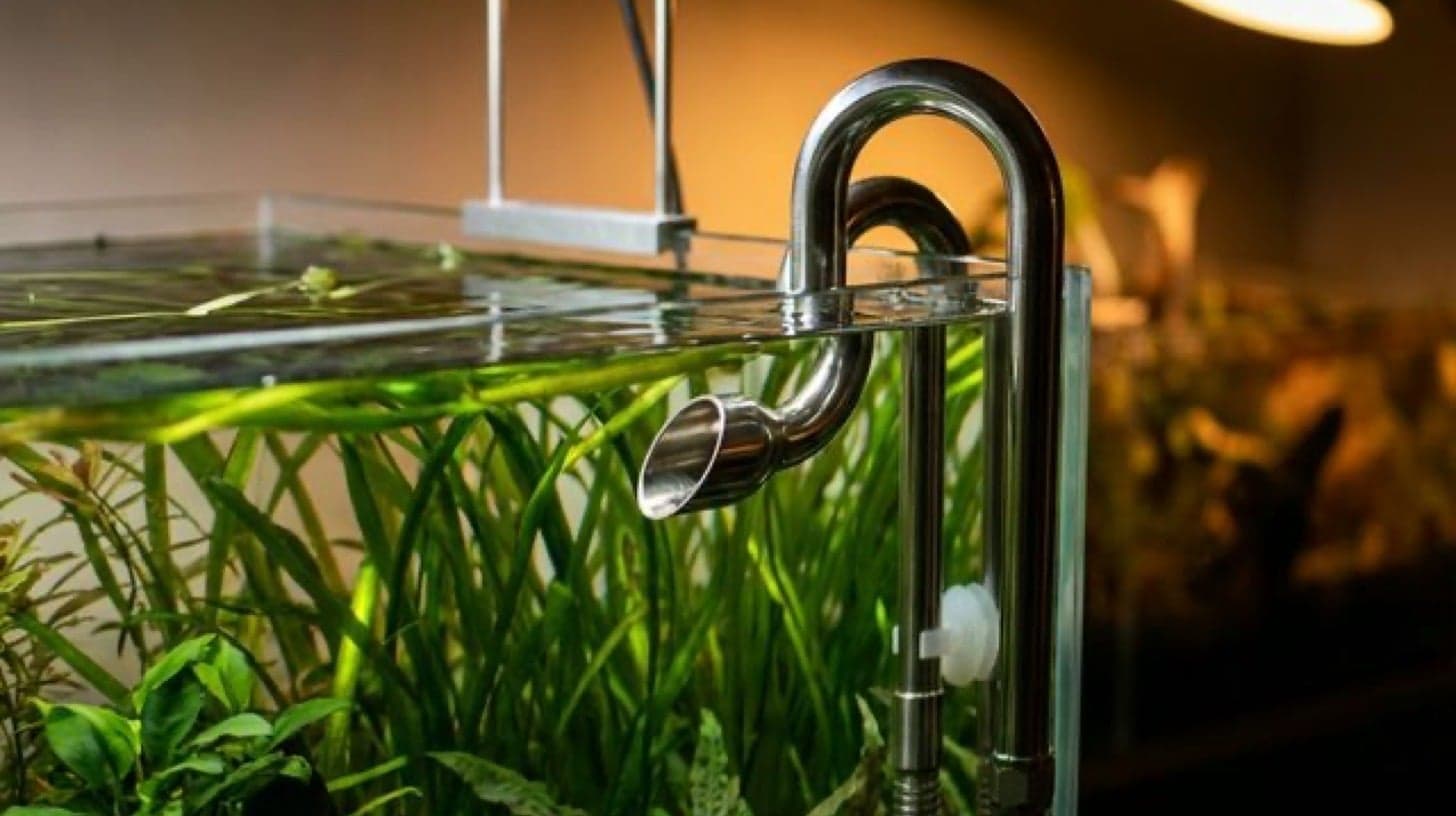
Stainless steel lily pipes offer the same refined flow distribution and minimalist design as their glass counterparts, but with significantly greater durability. Made from high-grade 304 or 316 stainless steel, they provide a sleek, industrial aesthetic that pairs beautifully with modern rimless tanks and darker hardscapes. Where glass disappears into the water column, steel reads as intentional hardware — a deliberate choice rather than an invisible one.
Glass vs. Stainless Steel
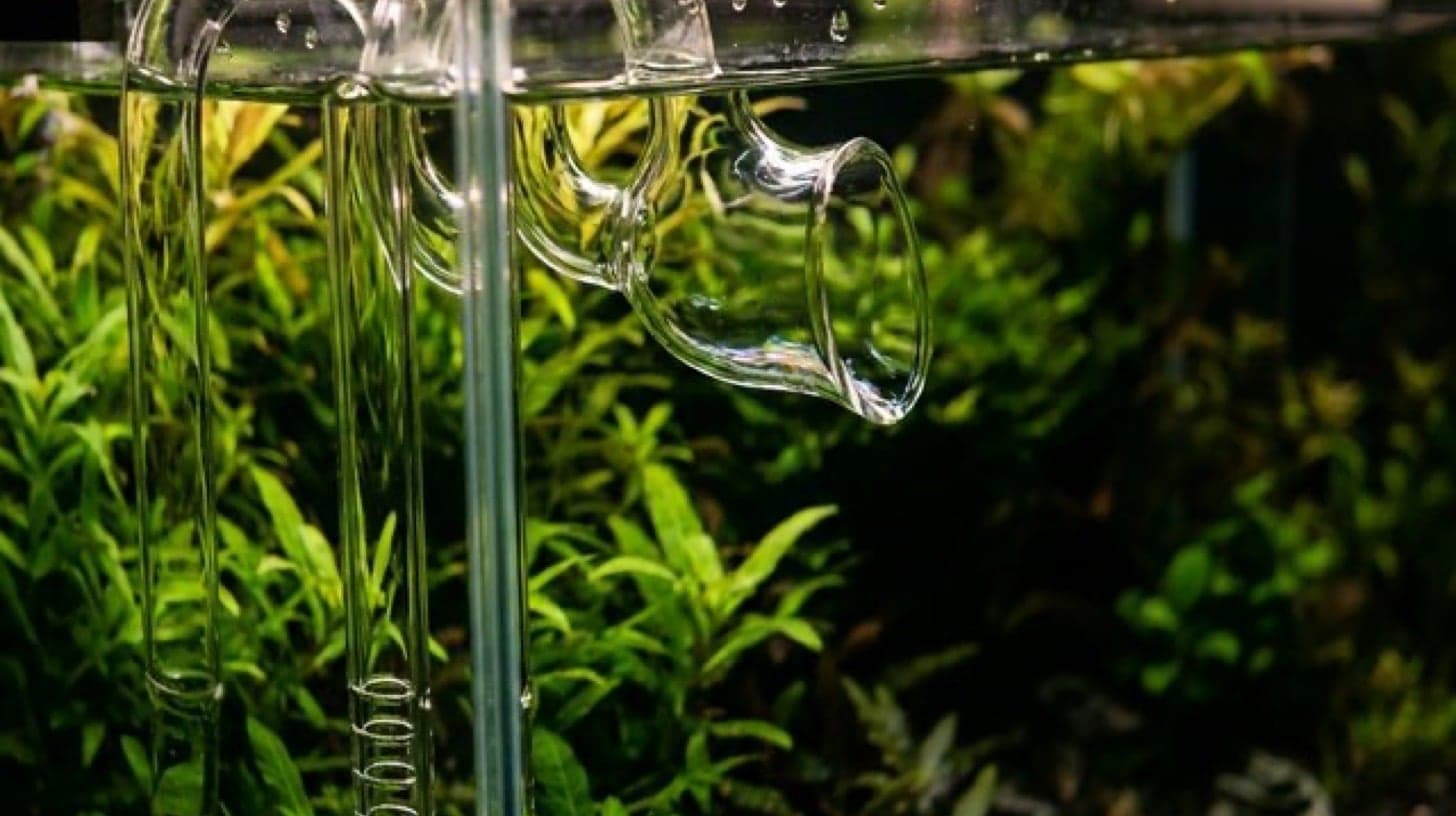
Both materials do the same job: spread return flow gently across the surface and draw intake water without sucking in livestock. The practical difference is risk and upkeep. Glass chips when it catches a hardscape edge or a clumsy hose change; steel survives those moments. Algae still grows on either surface, but biofilm wipes off steel faster, and mineral haze responds well to a vinegar soak without the anxiety of thin glass walls.
| Feature | Glass | Stainless Steel |
|---|---|---|
| Durability | Fragile, can chip/crack | Nearly indestructible |
| Visibility | Nearly invisible | Visible metallic sheen |
| Cleaning | Soaking required | Easy wipe-down |
| Aesthetic | Classic, minimalist | Modern, industrial |
| Cost | Moderate–High | Moderate |
| Algae | Visible algae growth | Less algae adhesion |
Design Variants
Outflow Types
Choose outflow shape for how much surface agitation you want. In CO₂-injected tanks, excess rippling drives gas off faster than plants can use it; a downward viola curve keeps dissolved carbon in the water while still moving the upper third of the tank. High-light, high-demand layouts often prefer a standard lily flare for broader circulation. Poppy-style openings suit wide, shallow aquariums where you need the sheet of flow to cover the full front-to-back path.
- Lily Type: Standard flared opening for broad, gentle surface flow.
- Viola Type: Downward-curved opening that directs flow below the surface for minimal agitation — ideal for CO2-injected tanks.
- Poppy Type: Wide, circular opening for maximum surface spread.
Inflow Types
- Standard Slotted: Vertical slits to prevent livestock intake.
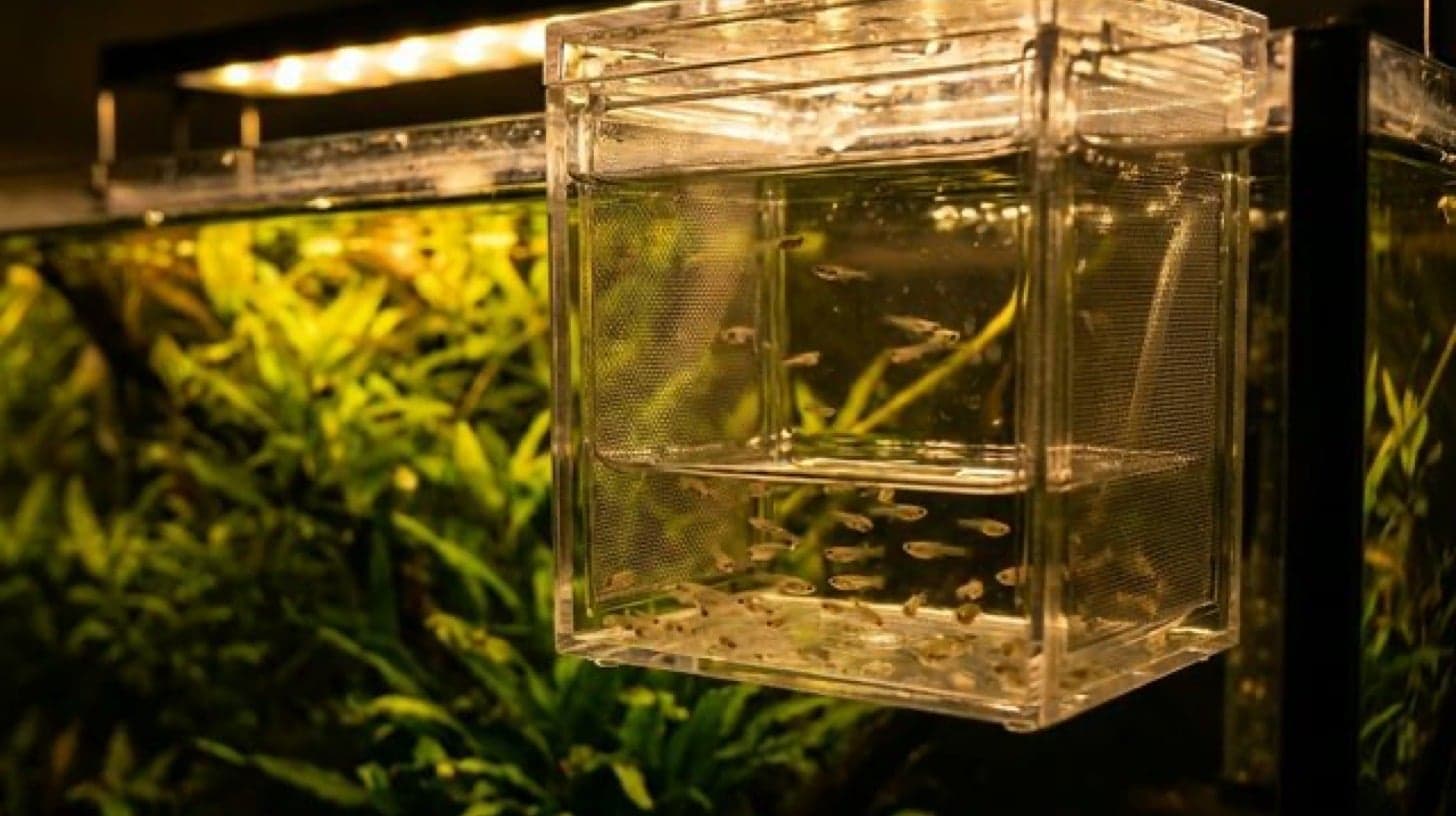
- Mesh Cap: Fine mesh screen for extra shrimp and fry safety.
Match hose diameter to your canister filter (typically 12/16 mm or 16/22 mm). Undersized pipes choke flow and raise pump strain; oversized fittings leak unless adapters are seated correctly. Because steel is heavier than glass, suction cups and brace mounts matter more — check them monthly, especially after a deep clean when cups have been pulled off wet glass.
Why Choose Stainless Steel?
- Unbreakable: No more anxiety about fragile glass. Perfect for households with children or pets.
- Low Maintenance: Stainless steel's smooth, non-porous surface resists algae and biofilm buildup.
- Longevity: Will last a lifetime with proper care.
- Aesthetic Versatility: Pairs especially well with dark-themed scapes and modern interiors.
Care & Maintenance
Wipe weekly with a soft algae cloth so film never hardens into stubborn scale. Once a month, soak the set in white vinegar or citric acid, rinse thoroughly, and reseat the cups on clean glass. Avoid abrasive pads that scratch the finish and create places for biofilm to grip. If you see rust spots, confirm you bought aquarium-grade 304 or 316 steel — cheap plated hardware fails in wet, humid cabinets.
- Wipe weekly with an algae cloth or sponge.
- Monthly soak in white vinegar or citric acid solution to remove mineral deposits.
- Avoid: Abrasive scrubbers that could scratch the finish.
- Check: Ensure suction cups remain secure; stainless pipes are heavier than glass.
Trusted Brands
- ADA: Offers stainless steel options in their premium line.
- NilocG: Popular high-quality stainless steel lily pipes.
- JARDLI: Affordable stainless options with excellent build quality.
- Aquario: Korean brand with precision-machined stainless steel sets.
Pros & Cons
Advantages
- Durable: No risk of breakage.
- Sleek: Modern, polished aesthetic.
- Low Algae: Smoother, non-porous surface resists growth.
- Easy Cleaning: Quick wipe versus lengthy soaks.
Considerations
- Visible: Not as invisible as glass in clear water.
- Weight: Heavier than glass; needs secure mounting.
- Style: May not suit purists who prefer the classic glass look.