Picta Swamp Guppy: Micropoecilia picta
A tiny, colorful wild livebearer closely related to the common guppy, native to coastal swamps and estuaries.
Picta Swamp Guppy
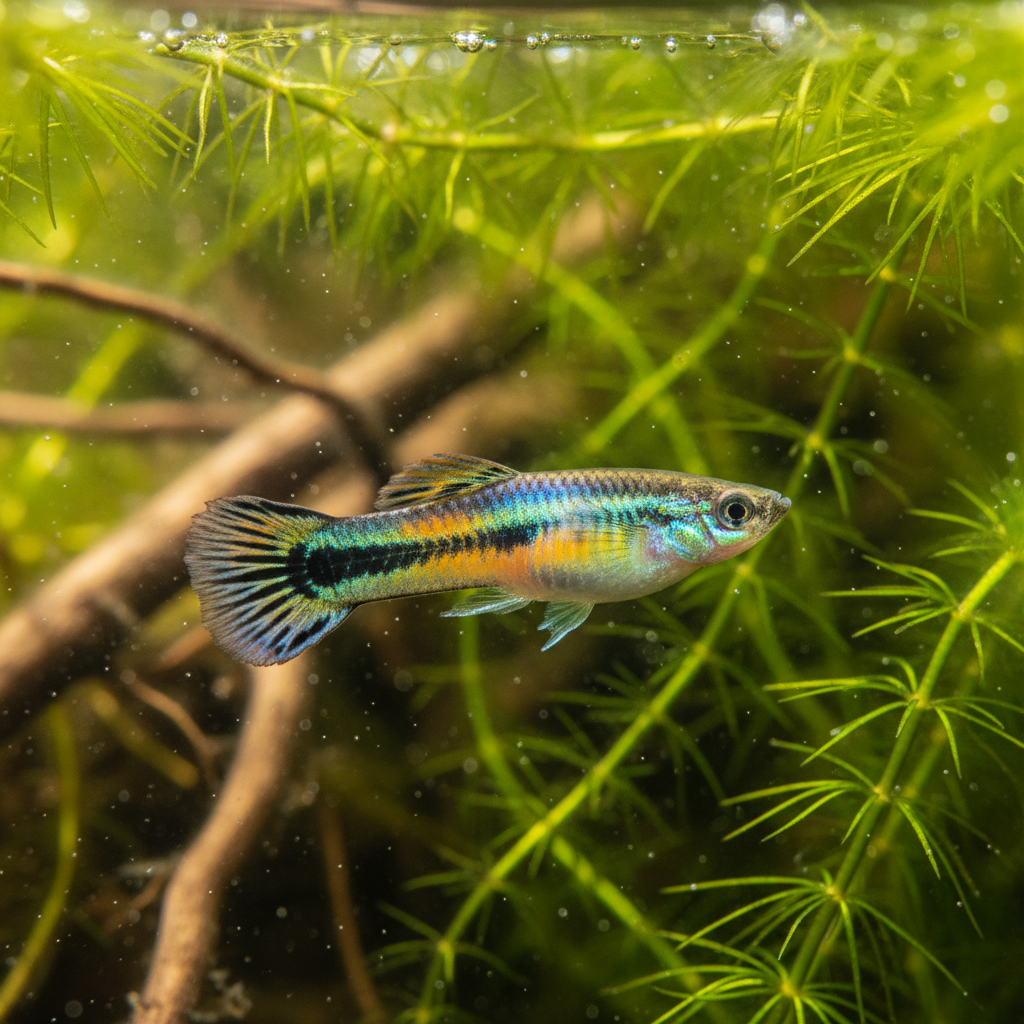
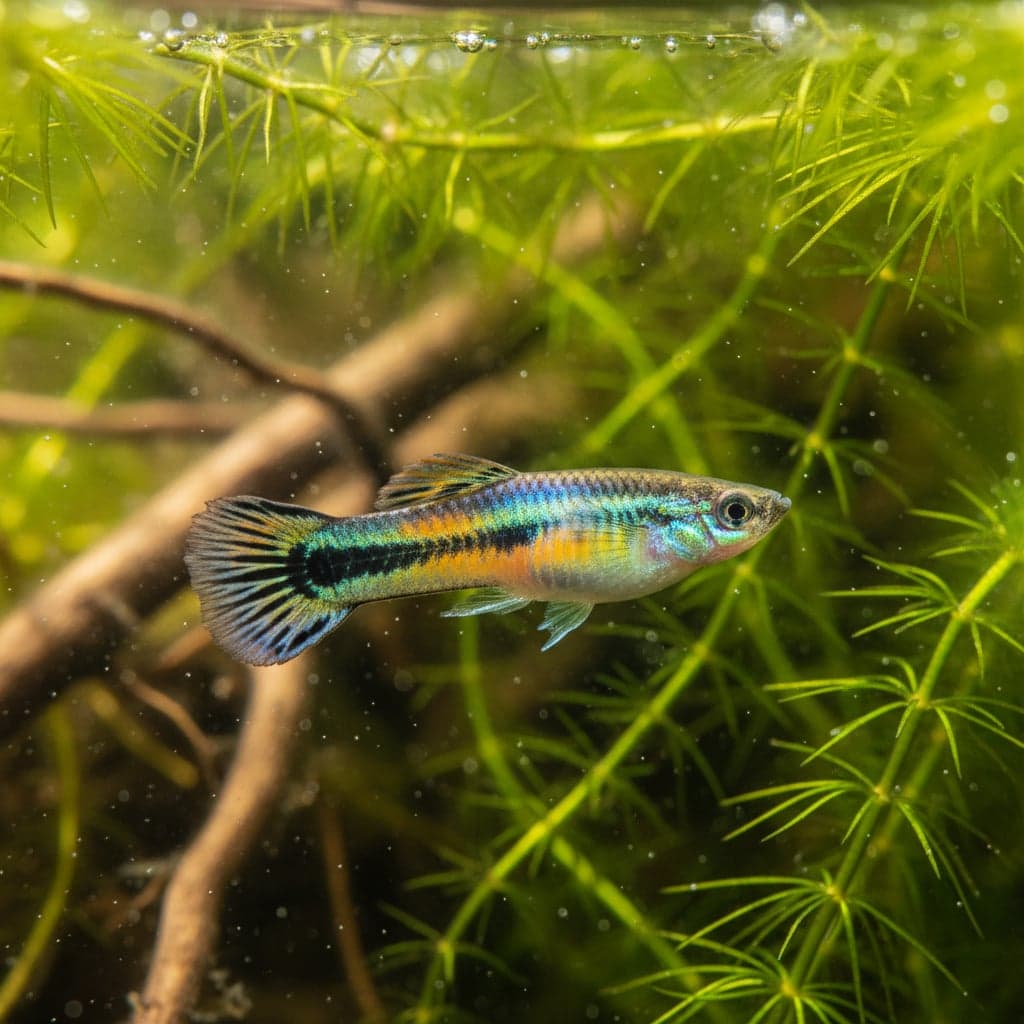
The Picta Swamp Guppy, scientifically known as Micropoecilia picta, is a strikingly vibrant freshwater fish that falls within the Poeciliidae family. Native to the intricate ecosystems of South America, particularly Venezuela, this small species has garnered attention from aquarium enthusiasts due to its extraordinary coloration and unique patterns. The male Picta Swamp Guppy showcases a remarkable palette of iridescent blues, greens, and yellows, often highlighted by intricate markings that deliver a captivating display in any aquarium setting. Females, while less colorful, exhibit a silvery hue punctuated with subtle flecks, providing a stunning contrast. This visual appeal not only enhances the aesthetic of a community tank but also signifies the Picta Swamp Guppy's importance in the aquarium hobby, as it captures the essence of biodiversity and the enchanting beauty inherent in smaller fish.
Beyond their aesthetic charm, Picta Swamp Guppies represent a burgeoning interest among aquarists for sustainable practices and conservation. With the pressures of habitat loss and pollution impacting many freshwater ecosystems, these small fish serve as ambassadors for the preservation of their natural environments. Keeping Picta Swamp Guppies in a home aquarium raises awareness of their plight in the wild, while also promoting responsible fishkeeping practices that encourage the protection of aquatic habitats. As a result, they contribute not only to the vibrancy of aquarists' collections but also to important conversations surrounding biodiversity and environmental stewardship.
Natural Habitat & Origin
The Picta Swamp Guppy is primarily endemic to the swampy regions of Venezuela, where it thrives in tropical freshwater habitats characterized by slow-moving or stagnant waters. These environments frequently feature blackwater systems—rich in organic matter and colored by tannins from decaying plant material—providing a unique ecosystem that supports diverse aquatic life. The water in their natural habitat typically has low pH levels often ranging between 5.5 to 7.0 and presents high levels of dissolved organic material, which contributes to the dark coloration of the water. The Picta Swamp Guppy prefers densely vegetated areas, where submerged plant life offers both shelter and breeding grounds, demonstrating a complex adaptation to their intricate habitat.
As a species, the Picta Swamp Guppy showcases resilience, but they are also indicative of the broader ecological issues affecting freshwater environments. The gradual degradation of these ecosystems due to urban development and agricultural runoff poses a serious threat to their populations and emphasizes the urgent need for conservation efforts to preserve these delicate habitats. Understanding their natural habitat helps aquarists recreate appropriate conditions, ensuring that these fish can thrive in captivity while raising awareness about their ecological needs.
Care Requirements
When keeping Picta Swamp Guppies, maintaining optimal water parameters is essential for their health and longevity. Ideal water conditions include a pH level between 6.0 and 7.5, a temperature ranging from 24°C to 28°C (75°F to 82°F), and a water hardness of approximately 5-15 dGH. A well-maintained filtration system is critical, as these fish thrive in clean water environments with moderate currents. The minimum tank size for a small group of Picta Swamp Guppies should be at least 20 gallons, allowing them ample space to move and establish social hierarchies.
The tank setup should mimic their natural habitat, consisting of a dark substrate to offset their vibrant colors and plenty of hiding spots. Plants such as Java moss, Anubias, and floating varieties like duckweed provide essential cover and contribute to water quality. For lighting, moderate intensity is preferable as it helps encourage plant growth while avoiding excessive algal blooms. An aquarium that incorporates these factors will create a conducive environment for Picta Swamp Guppies, promoting their well-being and vibrant display.
Diet & Feeding
Picta Swamp Guppies are omnivorous, thriving on a balanced diet that includes both plant and animal matter. In captivity, they benefit from high-quality flake food or small pellets specifically designed for tropical fish, as well as supplements of frozen or live foods such as daphnia, brine shrimp, and bloodworms. These live food options not only enhance their diet but also stimulate natural foraging behaviors. It is recommended to feed them small portions multiple times a day to ensure they receive adequate nutrition while also maintaining water quality. Variety in their diet is crucial to support their overall health and vibrant coloration.
In addition to commercial foods, occasional offerings of blanched vegetables like spinach or zucchini can provide beneficial fibers and nutrients. It is important to monitor their feeding to prevent overfeeding, as uneaten food will degrade water quality, posing health risks not just to the Picta Swamp Guppies but to other tank inhabitants as well.
Behavior & Temperament
Picta Swamp Guppies are known for their peaceful and social nature, making them ideal candidates for community tanks. They are best kept in small groups, as they exhibit strong schooling behavior, which helps reduce stress and encourage natural companionship. Within their social dynamics, males may display territorial behaviors, particularly during breeding seasons; however, aggression levels are generally low compared to other more boisterous species.
In terms of tank placement, Picta Swamp Guppies tend to occupy the mid to upper levels of the aquarium, frequently darting among plants and the surface layer of the water. Their engaging interactions and lively presence make them a delightful addition to any freshwater aquarium, as they provide continual movement and visual stimulation.
Tank Mates
Finding compatible tank mates for Picta Swamp Guppies is crucial to maintain a harmonious aquarium environment. Ideal companions include small, peaceful species such as Neon Tetras, Endler’s Livebearers, and Corydoras Catfish. Additionally, other shy or non-aggressive fish, such as Rasboras and Guppies, pair well with these vibrant swimmers. However, it is essential to avoid larger or more aggressive species such as Cichlids or Betta fish, as they may harass or prey upon Picta Swamp Guppies.
Further, invertebrates like Cherry Shrimp or Nerite Snails can coexist well, contributing to tank clean-up without posing a threat to the guppies. Carefully selecting tank mates will foster a peaceful community that showcases the charming charm of Picta Swamp Guppies alongside compatible aquatic companions.
Breeding
Breeding Picta Swamp Guppies in captivity requires specific conditions to ensure successful spawning. These fish are livebearers, and males will typically exhibit more intricate coloration and display courtship behaviors to attract females. To initiate breeding, a well-maintained tank with slightly warmer water (approximately 28°C or 82°F) along with dim lighting can stimulate spawning. Providing dense vegetation is critical, as females will seek cover to give birth to fry.
Once the fry are born, they require finely crushed flake food or specialized fry food to support their early growth. It is important to separate the adults from the fry after birthing to prevent them from being eaten. By providing appropriate conditions and attention to their breeding behaviors, aquarists can easily enjoy observing the growth of new Picta Swamp Guppies.
Common Health Issues
While generally hardy, Picta Swamp Guppies can develop ich, fin rot, and bacterial infections when water quality declines or they are kept in overcrowded tanks. Maintain stable soft water, perform regular partial changes, and quarantine newcomers to limit disease spread. A varied diet and dense plant cover reduce stress and help these livebearers stay colorful and active.