Diatom Algae Aquarium: Understanding & Managing Tips
Discover how to manage diatom algae in aquariums effectively. Learn the causes, benefits, and prevention strategies for a cleaner tank.
Diatom Algae in Aquariums: Understanding, Managing, and Preventing
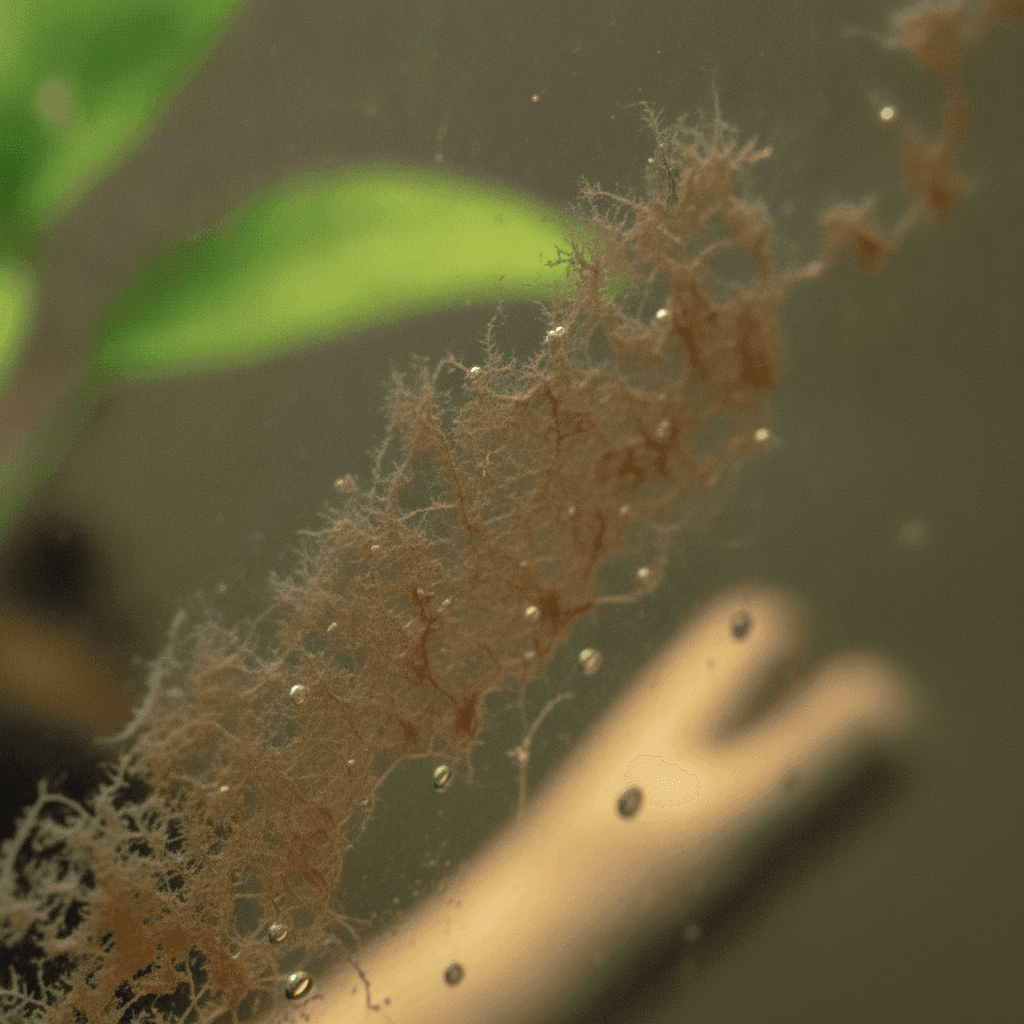
Aquariums are complex ecosystems, and setting up a new one often comes with its own set of challenges. One common issue for aquarists, particularly beginners, is the appearance of diatom algae. This can show up as a brown film or dust covering surfaces in the tank. Although these brown diatoms can be unsightly, they often play a beneficial role in aquatic environments by contributing to nutrient cycles and food chains. This guide explores the role of diatom algae in aquariums and offers insights into their causes, effects, and management.
Understanding Diatom Algae in New Tanks
What Are Diatoms?
Diatoms are a group of algae known for their unique silica cell walls, giving them a glass-like look under a microscope. These tiny organisms are major contributors to global oxygen production and are vital in aquatic ecosystems. In aquariums, diatoms usually appear as a thin, brown layer on glass, plants, and decorations, especially in newly set up tanks where they're quick to colonize thanks to available light, silicates, and other nutrients.
Direct Answer: Are Diatom Algae Dangerous in an Aquarium?
For aquarium enthusiasts worried about their tanks, it's reassuring to know that diatom algae aren't harmful to fish or other aquatic creatures. They typically appear during the cycling phase of a new aquarium and don't release toxins or directly damage tank inhabitants. They're more of an aesthetic issue than a threat.
Causes of Diatom Growth in New Aquariums
The Role of Silicates
Silicates are key to the growth of diatoms, as they form the basis of their cell walls. In newly established aquariums, silicates might enter from substrates, rocks, or even the water itself. Tap water or water from natural sources often contains dissolved silicates, making it easy for diatoms to thrive.
Light and Nutrient Imbalance
Too much light or nutrient imbalance plays a significant role in diatom growth. Intense lighting or leaving lights on too long can promote their spread. An imbalance in nutrients, particularly nitrogen and phosphates, can further boost their population. Adjusting light schedules and nutrient balance is crucial for controlling diatom levels.
Distinguishing Between Waiting and Acting
When to Wait: Natural Tank Maturity
Sometimes, all it takes is patience. Allowing a tank to mature can naturally decrease diatom numbers as the environment stabilizes. If diatom presence is moderate and stable, it might be best to wait for the tank to complete its biological cycle. For more information, refer to Plant Care Basics for Planted Tanks.
When to Act: Intervention Methods
If diatom growth is excessive or affects visibility and aesthetics, intervention might be necessary. If the issue persists beyond a few weeks, despite adjusting light and nutrients, it could be time to act. Start by tweaking the lighting schedule and examining your water source for silicate levels. For additional methods, see Understanding and Preventing Aquarium Plant Melt.
Practical Steps to Manage Diatom Algae
Mechanical Removal Techniques
One effective way to tackle diatoms is by physically removing them. Use scrapers for tank walls or siphon vacuums for gravel and hard-to-reach spots. Regular, gentle cleaning helps prevent diatoms from embedding in substrates, making them easier to manage.
Biological Solutions
Introducing diatom-eating species like nerite snails or specific algae-eating fish can naturally control diatom populations. These creatures consume diatoms, offering a balanced approach to algae management. Always consider their compatibility and the overall biological load in your tank. You can find more tips in Battling Black Beard Algae: Tips for a Clean Tank.
Chemical and Filtration Approaches
In stubborn cases, chemical treatments might be needed, though they should be used sparingly to avoid upsetting the tank's ecosystem. High-quality filtration systems that remove silicates and particulates can also help keep diatom levels down. Discover best practices for filtration in our guide Understanding and Preventing Aquarium Plant Melt.
Preventing Future Diatom Algae Issues
Balancing Light and Fertilization
Preventing diatom problems in the future involves setting up a proper lighting schedule and maintaining balanced fertilization. Adequate light—neither too much nor too little—creates a stable environment. Fertilizers should match the needs of your aquascaping plants to avoid excess nutrients that promote diatom growth. Refer to Planted Tank Lighting: Boost Growth & Prevent Algae for lighting advice.
Regular Maintenance Practices
Regular maintenance, including consistent water changes and cleanings, is vital for a healthy aquarium. Monitoring parameters like nitrate, phosphate, and silicate levels is important in keeping diatoms at bay. Establishing a weekly routine for checks and maintenance tasks ensures long-term success. Learn more about keeping your tank in check with our Green Spot Algae Removal: Effective 7-Day Action Plan.
Common Mistakes to Avoid
Overreacting to Initial Diatom Bloom
A diatom bloom in a new tank is normal. Overreacting with drastic changes can harm the developing balance rather than help. Trust the natural cycling process to build a stable environment.
Overuse of Chemical Treatments
While chemical treatments can be useful, overreliance can disrupt natural processes and harm beneficial bacteria. Use these treatments sparingly and aim for balance, not total eradication.
Ignoring the Root Causes
Just focusing on removing diatoms without addressing the root causes, like silicate content or light intensity, can lead to recurring problems. Tackling these underlying issues ensures more sustainable algae management.
Bringing Balance to Your Planted Tank
Managing diatom algae in aquariums is about understanding their role and using informed strategies to control their growth. Addressing root causes, ensuring regular maintenance, and applying practical management techniques allow aquarists to enjoy clear tanks without excessive diatom blooms.
FAQ
How Long Do Diatoms Last in New Tanks?
Diatoms typically last throughout the initial cycling phase, often fading within 4 to 12 weeks, depending on nutrient levels and water quality.
Can Diatoms Harm Plants in an Aquarium?
Diatoms generally do not harm plants; they might cover surfaces and reduce light absorption, but they are unlikely to cause long-term damage.
What Types of Fish Help Control Diatoms?
Fish like otocinclus catfish and some pleco species eat diatoms, helping keep the tank clean.
Do Water Changes Help With Diatoms?
Regular water changes help reduce nutrients that fuel diatom growth, but be sure to use water without extra silicates.