Staghorn Algae Aquarium Solutions: Identification & Tips
Discover how to identify staghorn algae in aquariums, understand their causes, and explore effective treatments for a healthy aquatic environment.
Staghorn Algae: Identification, Causes, and Targeted Treatments
Aquarium enthusiasts value the tranquility and beauty of a well-maintained aquatic environment. Unfortunately, this scenery can be marred by the sudden arrival of algae. Among these, staghorn algae are particularly troublesome, with their unsightly tufts spoiling the efforts of even the most attentive hobbyists. Addressing staghorn algae isn't just about aesthetics; it's also crucial for the health of your ecosystem. This guide delves into identifying staghorn algae, understanding what causes them, and discovering effective strategies to manage them, so you can enjoy a vibrant and thriving aquarium.
What is Staghorn Algae?
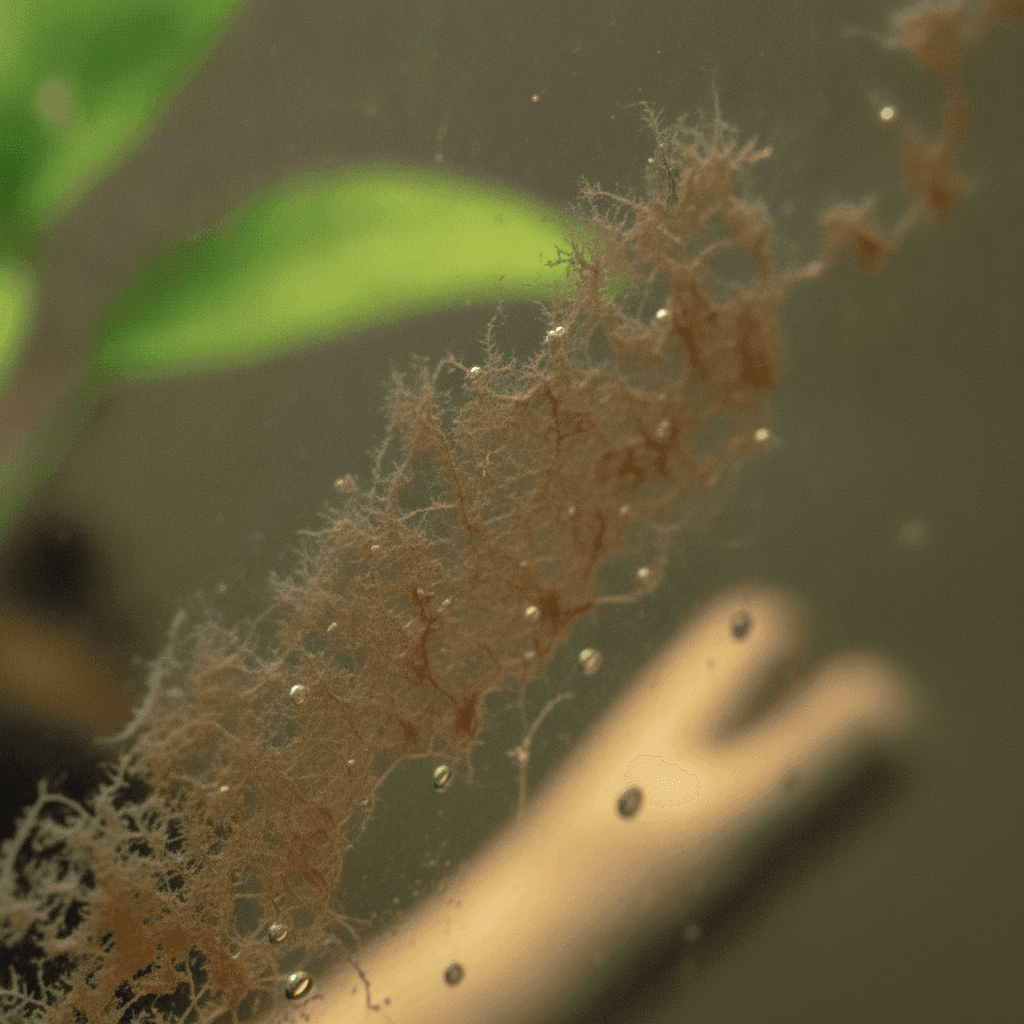
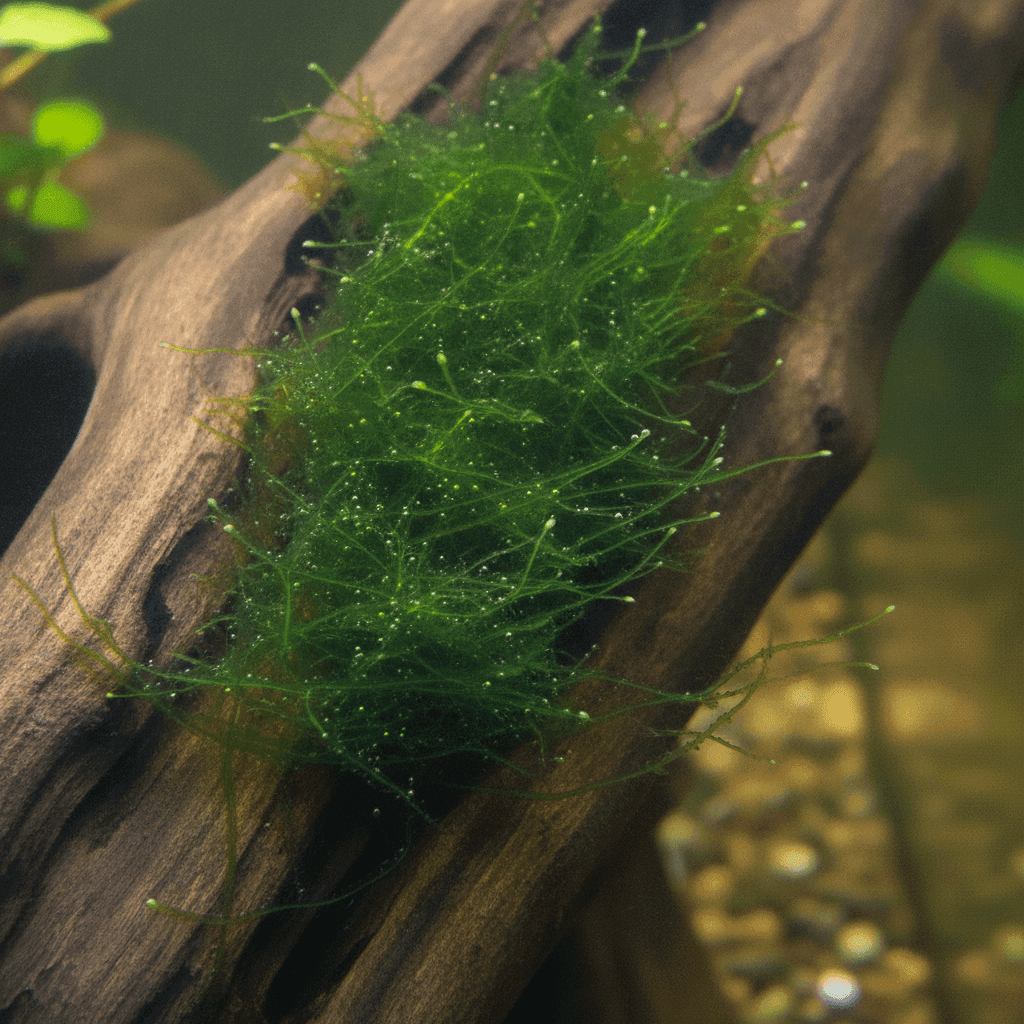
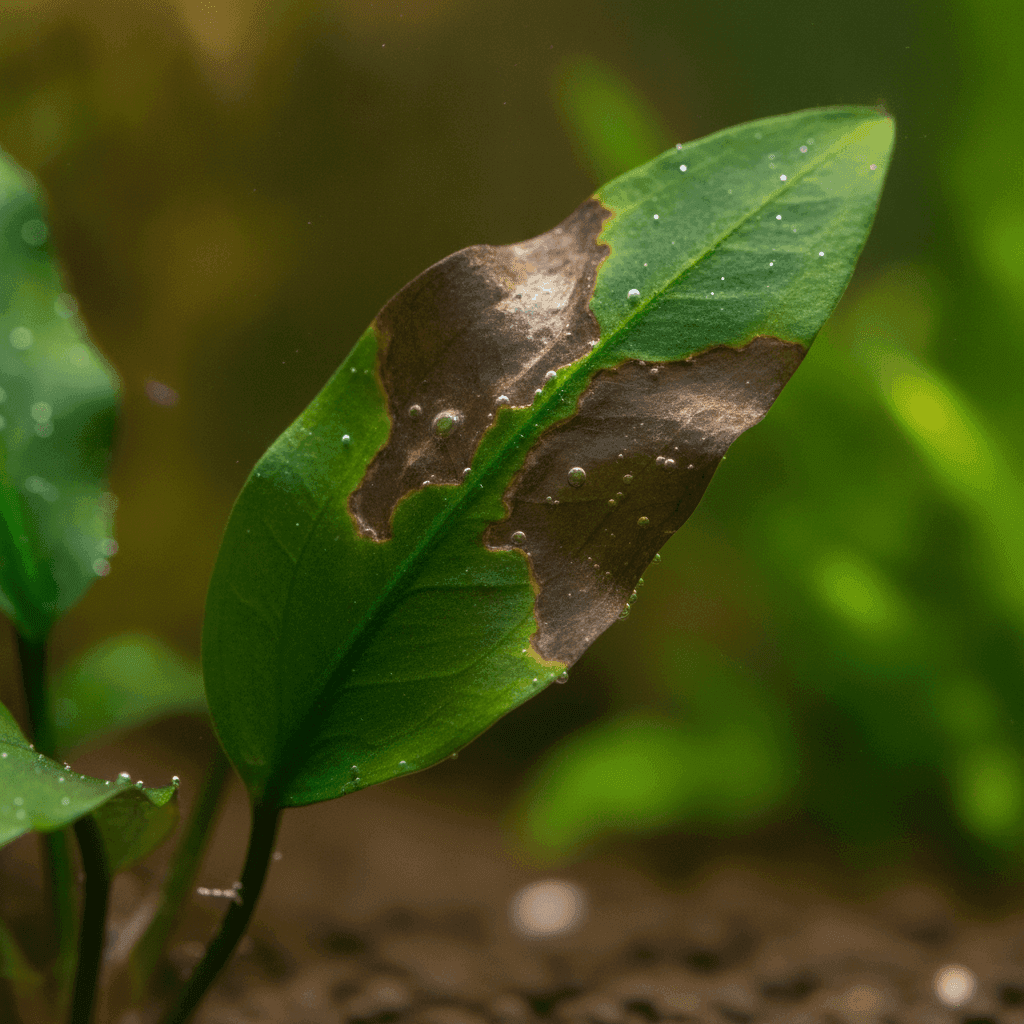
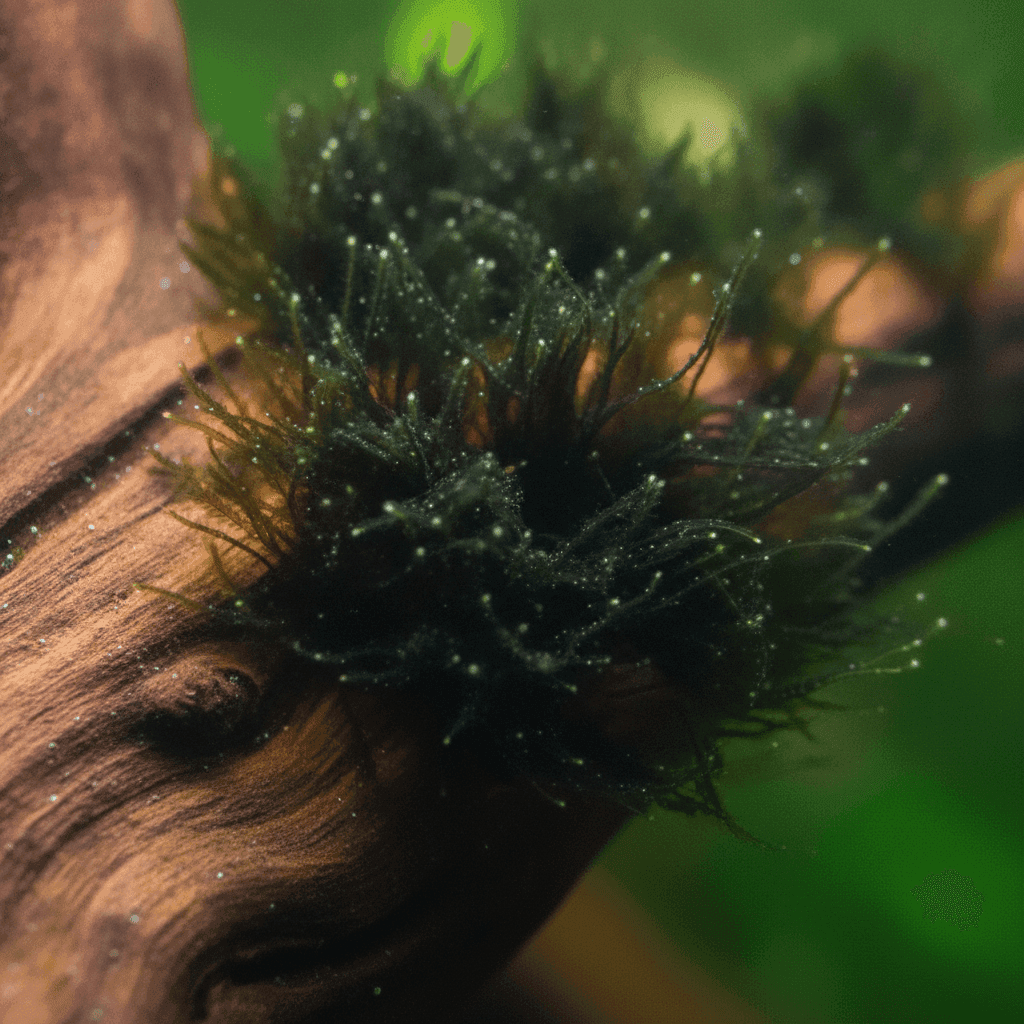
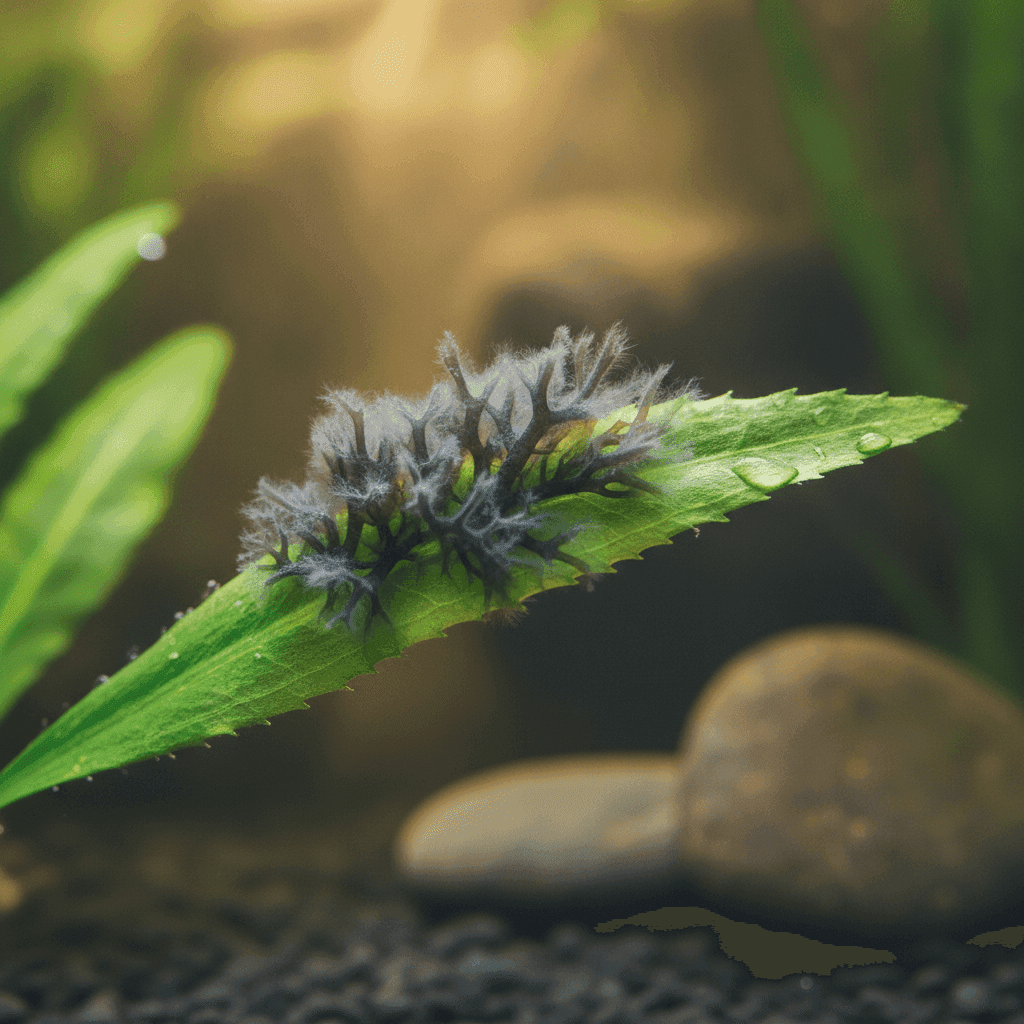
Staghorn algae get their name from their antler-like appearance. They're persistent and can thrive in many aquatic settings, becoming a common issue for aquarium keepers. You'll often find them on plant edges, hardscape materials, and substrates, with their tough, grayish-green filaments. Their coarse texture is a clear sign of their presence in your tank.
Understanding the Cause of Staghorn Algae Growth
To effectively manage staghorn algae, it's important to understand what causes their growth:
-
Nutrient Imbalance: High nitrate and phosphate levels fuel algae growth. Regular water testing helps spot imbalances before they lead to major algae problems. Explore our detailed Substrate Guide: Aquarium Soil vs Inert + Root Tabs for more on managing nutrients.
-
Inadequate CO2 Levels: In planted tanks, low CO2 levels can give algae an edge as plants struggle to grow and photosynthesize properly. Consider implementing an Effective Aquarium CO2 System Setup for Plant Growth.
-
Lighting Issues: Algae can thrive under inconsistent or excessive lighting. Mimicking natural daylight conditions is key. Learn more in our Planted Tank Lighting: Boost Growth & Prevent Algae.
-
Poor Maintenance Practices: Infrequent water changes and poor cleaning can allow organic waste to accumulate, creating conditions that favor algae.
How to Identify Staghorn Algae
Staghorn algae are identifiable by their branching, antler-like appearance, often forming dense tufts that feel rough to the touch. These algae frequently colonize the edges of plant leaves and other submerged surfaces near the water's surface. Early identification is crucial for effective intervention.
Steps to Effectively Treat and Remove Staghorn Algae
-
Assess and Adjust Lighting: Ensure your lighting setup meets your plants' needs. Consider reducing light duration or intensity if algae are a problem.
-
Enhance CO2 Injection: Increasing CO2 levels supports plant growth, helping them outcompete algae. A good CO2 injection system can be pivotal. Find more tips in our CO2 Diffuser vs Reactor: Best CO2 System for Aquariums.
-
Optimize Nutrient Levels: Test and adjust the nutrient levels in your tank to support plants without encouraging algae.
-
Regular Maintenance Routine: Keep your tank clean with regular substrate vacuuming and water changes to reduce nutrients and waste.
-
Manual Removal Techniques: Use tools like tweezers or a toothbrush to remove algae tufts. This provides visual relief but doesn’t address the cause.
-
Utilization of Algae-Eating Inhabitants: Introduce fish or invertebrates like Amano shrimp or Siamese algae eaters to naturally manage algae. Identifying the right algae-eaters for aquariums can be essential.
-
Chemical Treatments: In stubborn cases, use chemical algaecides carefully, following instructions to protect your ecosystem.
Staghorn vs BBA: Distinguishing the Differences
Differences between staghorn and black beard algae (BBA) can help tailor your treatment approach:
-
Visual Comparison: Staghorn have branching, lighter tufts, while BBA features dense, black, hair-like growths.
-
Growth Habits: Staghorn prefer bright areas, whereas BBA often grows in low-flow or shaded tank areas. Adjusting these conditions can help manage them.
Common Mistakes to Avoid when Dealing with Staghorn Algae
-
Neglecting Regular CO2 Management: Consistent CO2 levels are crucial for plant dominance.
-
Ignoring Nutrient Imbalance Indicators: Early detection through regular monitoring is key to correcting nitrate and phosphate levels.
-
Overreliance on Chemical Solutions: Excessive chemical use can harm your tank's inhabitants. Combine treatments for best results.
-
Inconsistent Maintenance Schedules: Regular cleanings and water changes prevent worsening algae issues.
Maintaining a Healthy Planted Tank Free from Staghorn Algae
Keeping your aquarium balanced involves managing light, CO2, and nutrients. Consistent monitoring and proactive maintenance help prevent staghorn algae, allowing your aquarium to thrive as a beautiful underwater habitat. Supporting healthy plant life naturally suppresses algae, letting your tank flourish.
FAQ
What are the best plant options to prevent staghorn algae?
Fast-growing plants like hornwort and water wisteria absorb excess nutrients effectively, preventing algae from taking hold.
Is staghorn algae harmful to fish?
While not directly harmful, excess staghorn algae can reduce oxygen levels and hinder plant growth, indirectly affecting fish health. Controlling algae helps maintain a balanced ecosystem.
Can adjusting CO2 levels alone eliminate staghorn algae?
Boosting CO2 is beneficial but should be combined with nutrient management and maintenance for effective algae control.
How often should I perform water changes to prevent staghorn algae?
Aim for weekly water changes of 25-30% to maintain good water quality and prevent nutrient buildup.
Can I use homemade remedies for staghorn algae removal?
Some aquarists use hydrogen peroxide spot treatments. Proceed cautiously to avoid harming plants and aquatic life, and use in moderation.