Control Hair Algae in Your Aquarium: Tips & Solutions
Learn how to identify, prevent, and remove hair algae in your aquarium. Keep your tank visually appealing and balanced with expert advice.
Hair algae in aquariums can be a major annoyance for both beginners and seasoned hobbyists. This rapidly growing, tangled mess can detract from the beauty of your planted tank and disrupt its balance. It’s especially common for newcomers who might find it challenging to maintain the right tank conditions to prevent algae. Getting to the root of hair algae issues and knowing how to effectively tackle them are vital for keeping your aquarium healthy and visually appealing.
Understanding Hair Algae in Planted Tanks
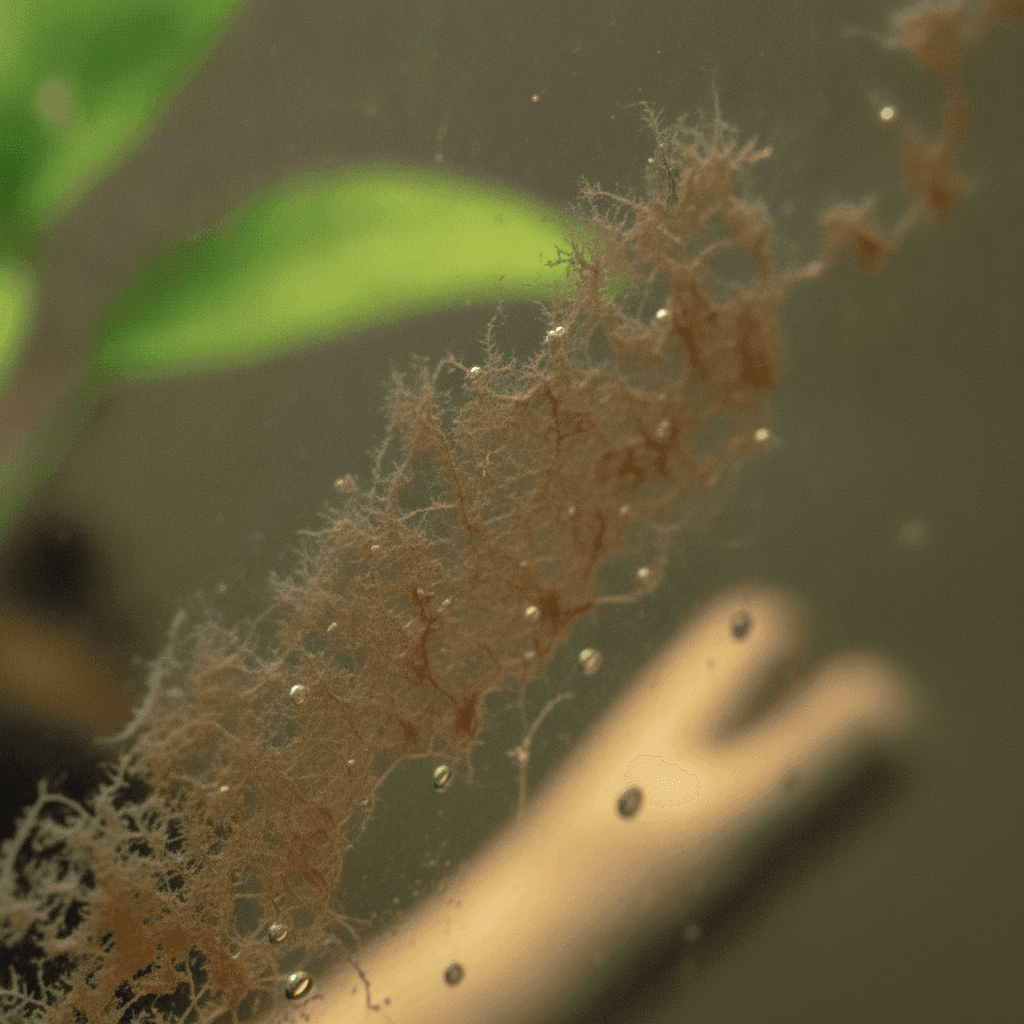
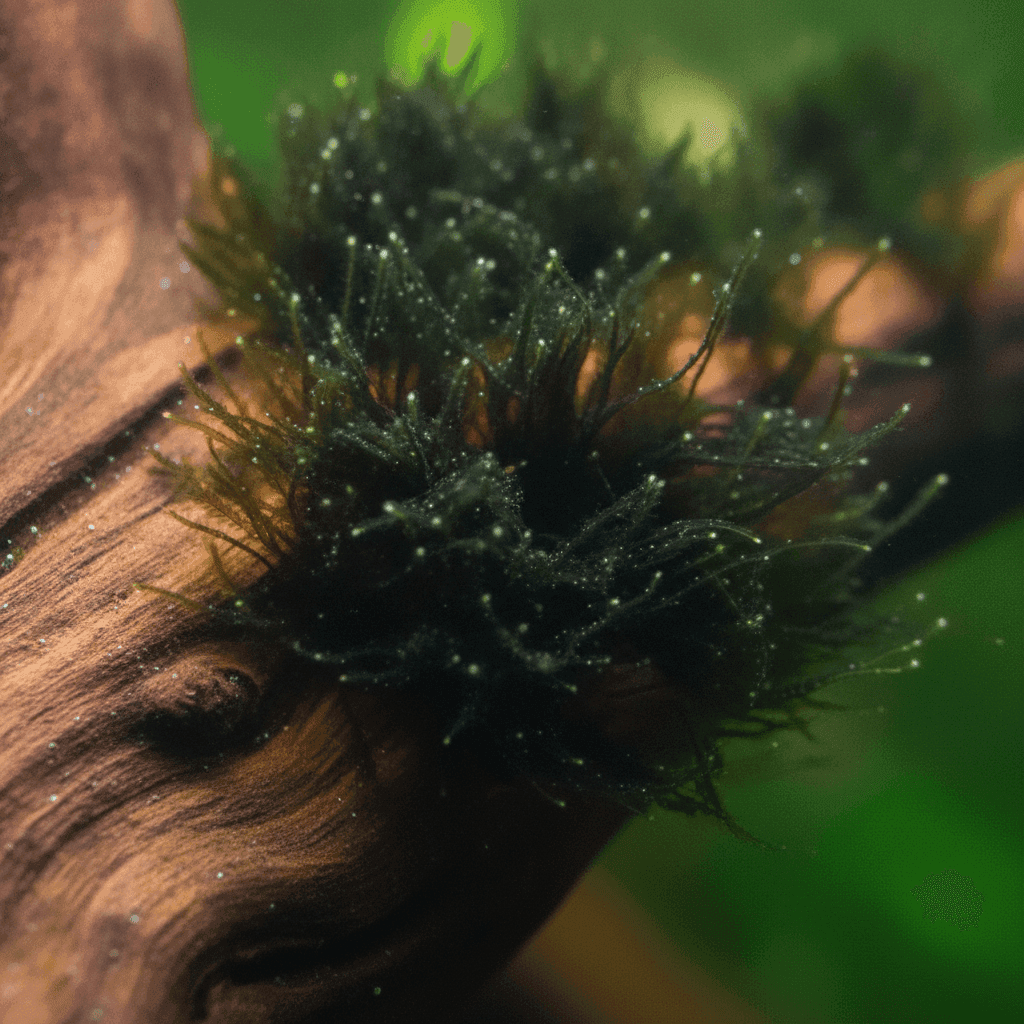
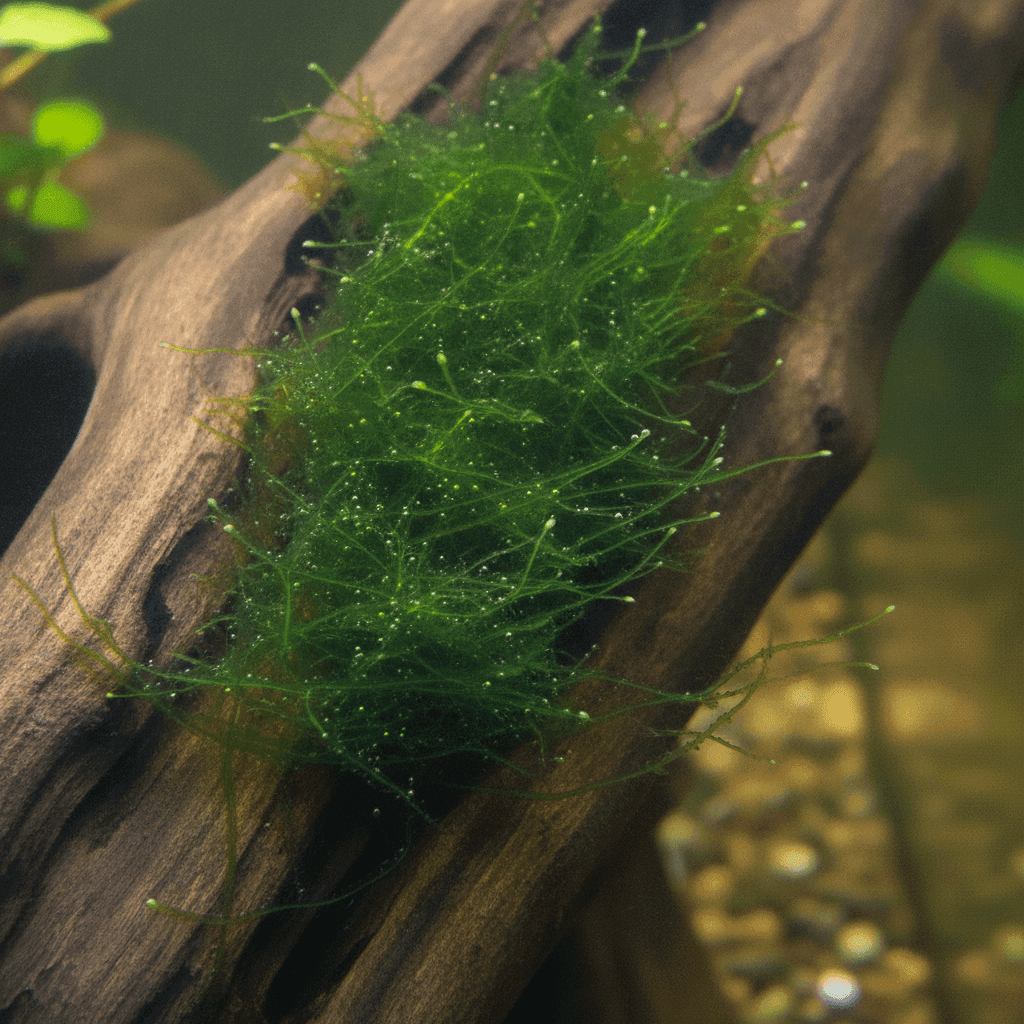
Hair algae, also known as green hair algae or string algae, consist of fine, thread-like strands that can quickly take over plants, decorations, and equipment, threatening the health of your aquarium ecosystem. Recognizing and understanding the behavior of hair algae are crucial first steps in managing its growth.
Direct Answer: How to Identify and Resolve Hair Algae Issues
Signs of Hair Algae Infestation
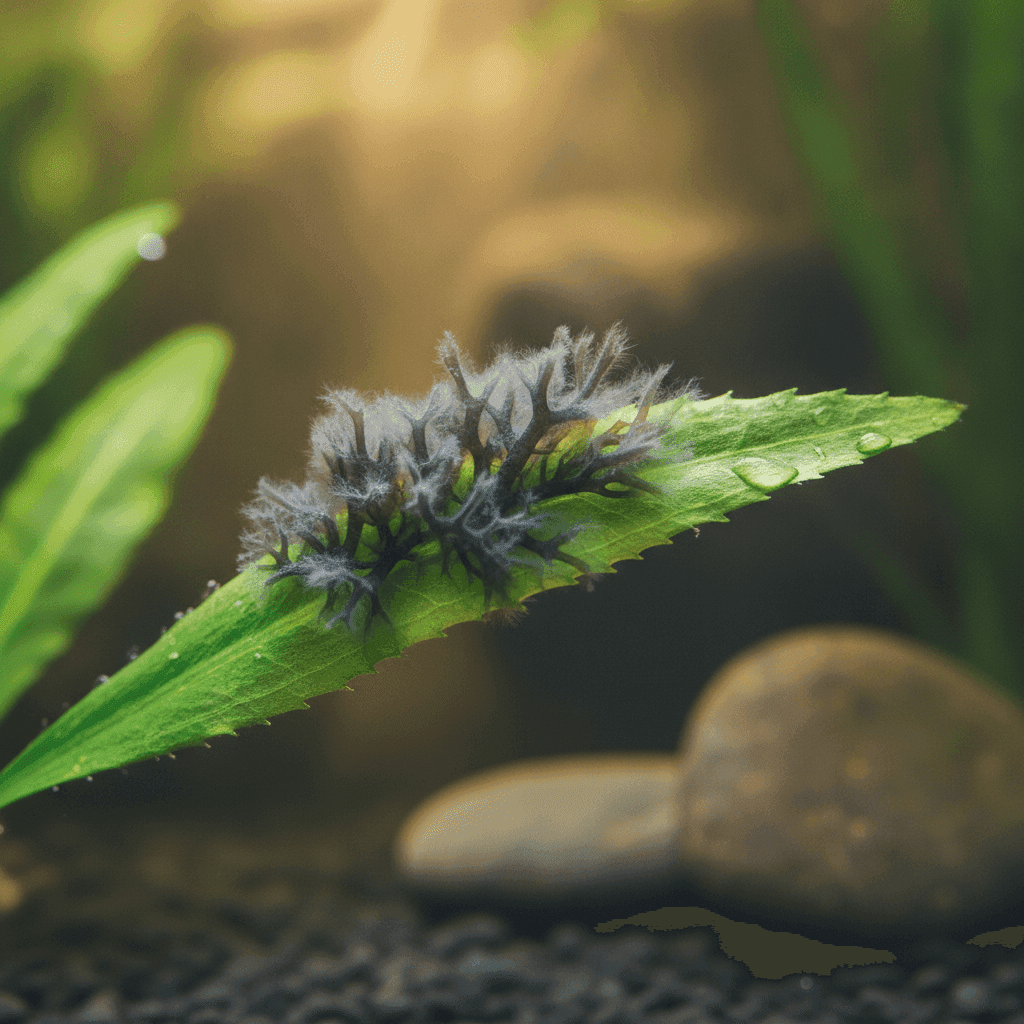
Spotting the early signs of hair algae is key to taking quick action. Watch for delicate, green, stringy filaments clustering on driftwood, rocks, or plant leaves. An increase in these strands signals an imbalance in tank conditions.
Direct Answer to Resolve
Once you notice hair algae, act quickly. Manually remove it by wrapping the strands around a toothbrush or stick. Regularly prune affected plant leaves. Improving water circulation and temporarily lowering light levels can also help manage the issue.
Root Causes of Hair Algae in Aquariums
Imbalanced Nutrients
High levels of phosphates and nitrates often contribute to hair algae growth. Keeping these nutrients in check is important for controlling algae and supporting plant health.
Inadequate CO2 Levels
CO2 is vital for healthy plants, as it aids in photosynthesis, competing with algae for nutrients. If CO2 levels are too low, plants suffer, giving algae the upper hand. Boosting CO2 can help your plants outgrow and outcompete algae. Consider reading our Effective Aquarium CO2 System Setup for Plant Growth for detailed guidance on optimizing CO2 levels.
Poor Lighting Conditions
Inconsistent lighting, either too strong or prolonged, can fuel hair algae growth. Adjusting your lighting to a balanced day-night cycle can help prevent algae from taking over. For more details, check out our Planted Tank Lighting: Boost Growth & Prevent Algae.
Practical Steps to Eliminate Hair Algae
Adjusting Tank Conditions
Regulate your tank’s nutrients by checking phosphate and nitrate levels. Adjust feedings and plant supplements as needed. Maintaining proper CO2 levels is crucial too. For detailed advice on CO2, refer to our Optimal CO2 Drop Checker Guide: Tips & Solutions.
Mechanical and Manual Removal
Use tools like algae scrapers for glass and toothbrushes for plants and decorations. Regularly part ways with afflicted plant sections to limit algae spread.
Introducing Algae-Eating Organisms
Adding organisms such as Amano shrimp, Siamese algae eaters, or specific snails can naturally reduce algae levels. Ensure that your tank’s current inhabitants can cohabit with these helpful creatures.
Common Beginner Mistakes and How to Avoid Them
Overfeeding Fish
Overfeeding leads to decomposing food that boosts nutrient levels, promoting algae growth. Stick to a controlled feeding regimen to prevent this issue.
Misunderstanding CO2 Needs
Beginners often underestimate CO2’s role in plant growth and algae control. Consistently maintaining CO2 levels helps keep tank conditions balanced. Our Effective Aquarium CO2 System Setup for Plant Growth offers more insights.
Infrequent Water Changes
Skipping regular water changes can cause nutrient build-up, aiding algae outbreaks. Scheduled water changes are crucial for a healthy tank, involving waste siphoning to prevent nutrient overload.
Maintaining Balance in Planted Tanks: Key Takeaways
Managing hair algae in your aquarium requires constant attention to your tank’s environment. By mastering the interactions between nutrients, CO2, lighting, and upkeep, you can prevent algae from taking hold. Continuous learning and adaptation are key, as each tank might require unique care strategies to stay healthy. For a solid foundation in maintaining planted tanks, explore our Plant Care Basics for Planted Tanks.
FAQ
How does CO2 affect hair algae growth?
CO2 is critical for plant health, helping them perform photosynthesis and outcompete algae for nutrients, thus reducing algae growth. Low CO2 can stress plants, making them more vulnerable to algae.
Can hair algae recur even after treatment?
Yes, if the underlying causes aren’t addressed, algae can return. Nutrient imbalances, unstable lighting, or irregular maintenance may lead to recurring issues. Regular checks and proactive tweaks are essential to minimize this risk. For a deeper understanding of algae management, check out Battling Black Beard Algae: Tips for a Clean Tank.
What plants are resistant to hair algae?
Fast-growing plants like hornwort, java moss, and water wisteria are more resilient to hair algae. Their quick growth allows them to efficiently use nutrients, leaving less for algae to thrive on.
Is it safe to use chemical treatments for hair algae?
Chemical solutions can work but may harm beneficial bacteria or sensitive tank creatures. Use them sparingly and only when necessary, following recommended dosages strictly.
How often should I test tank parameters to prevent hair algae?
Weekly testing of your tank’s parameters, including phosphate, nitrate, and CO2 levels, is advisable. This helps you make timely adjustments to prevent hair algae problems. For more on nutrient management, visit our Substrate Guide: Aquarium Soil vs Inert + Root Tabs.