Fish

Blonde Lipstick Tang

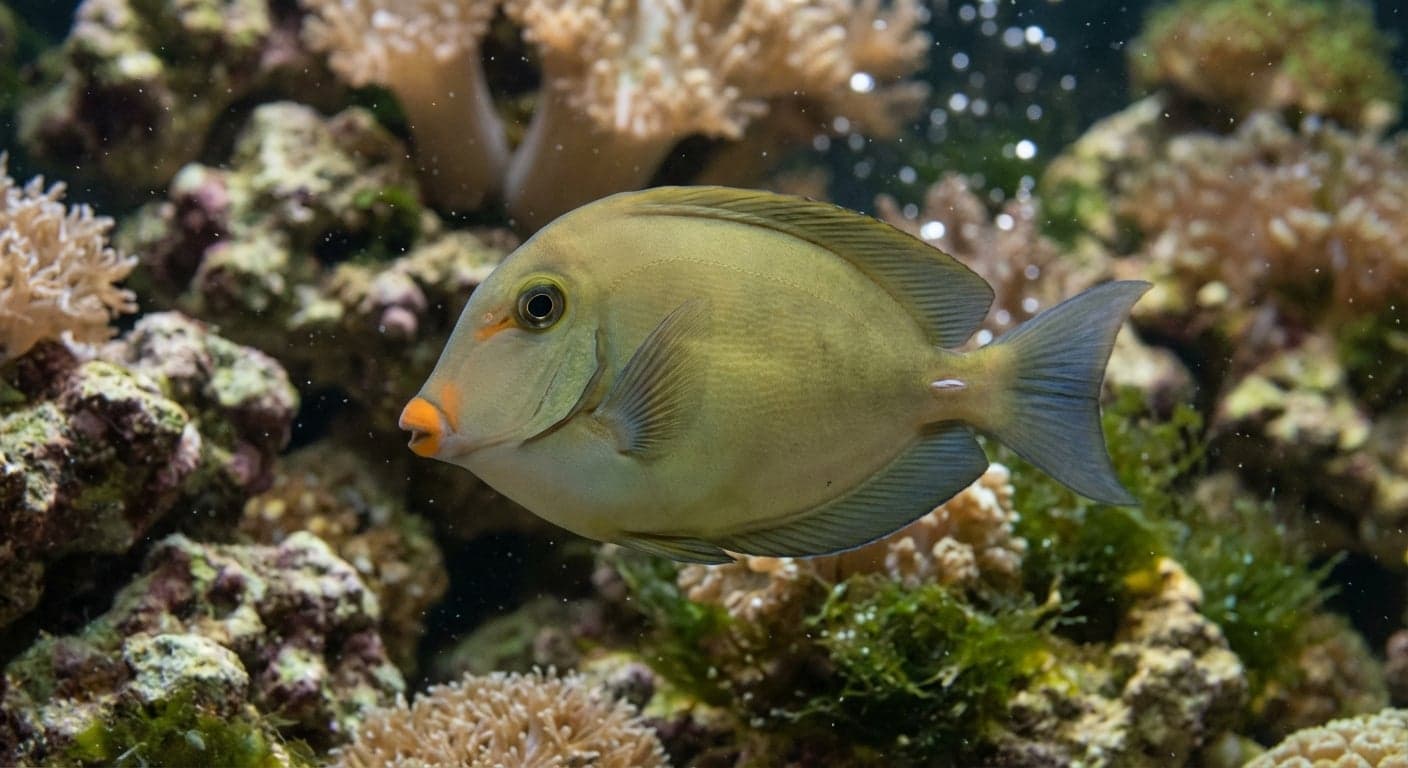
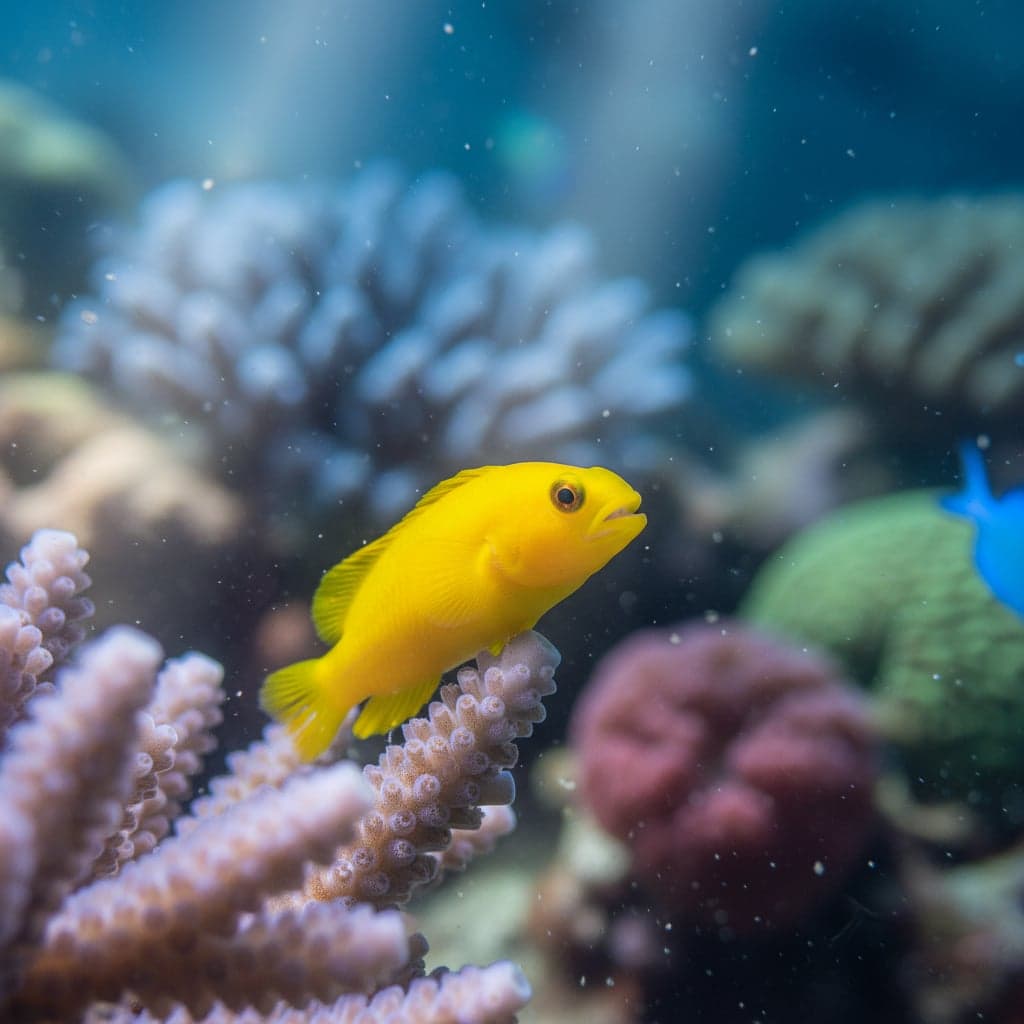
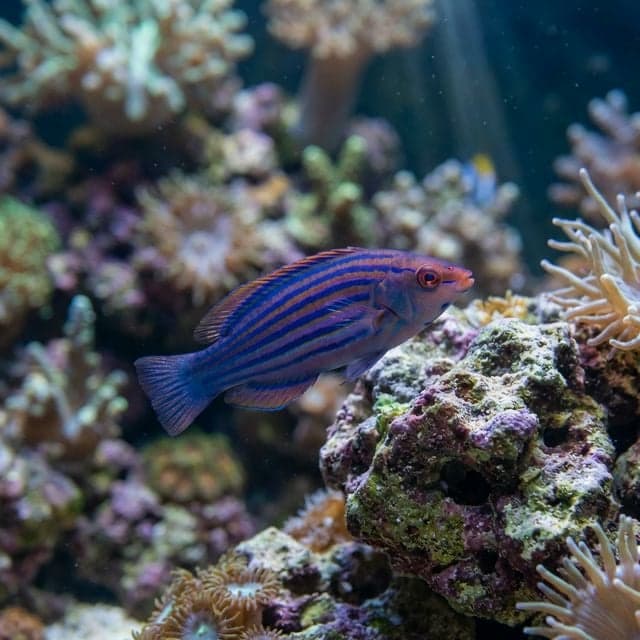
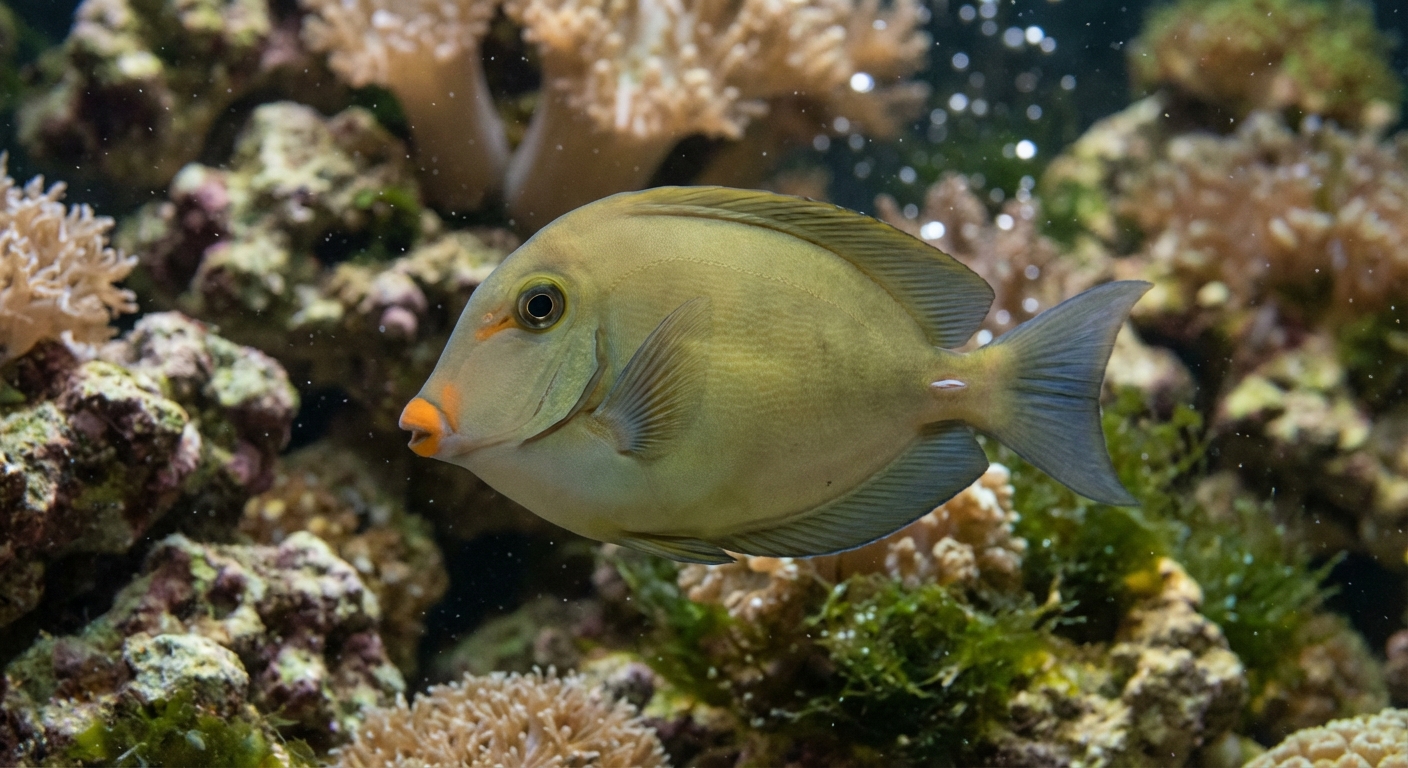
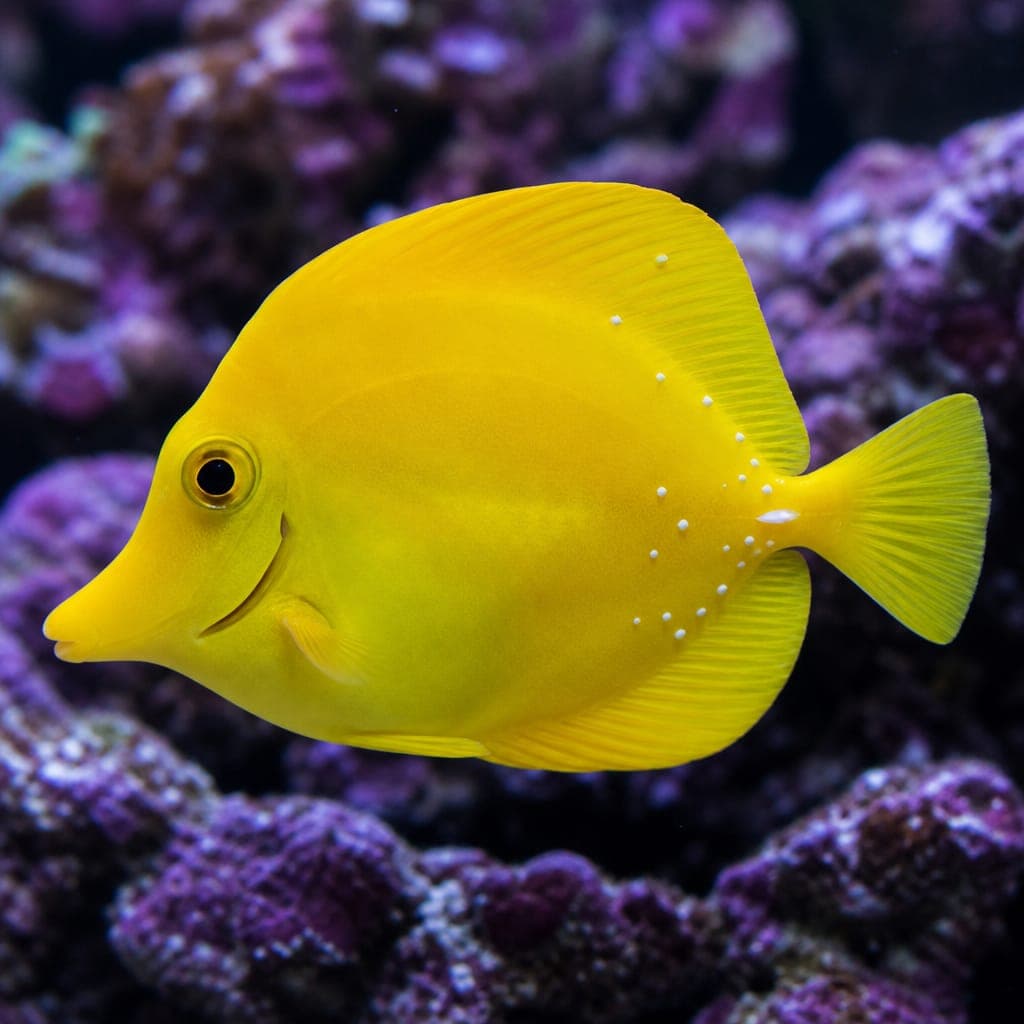
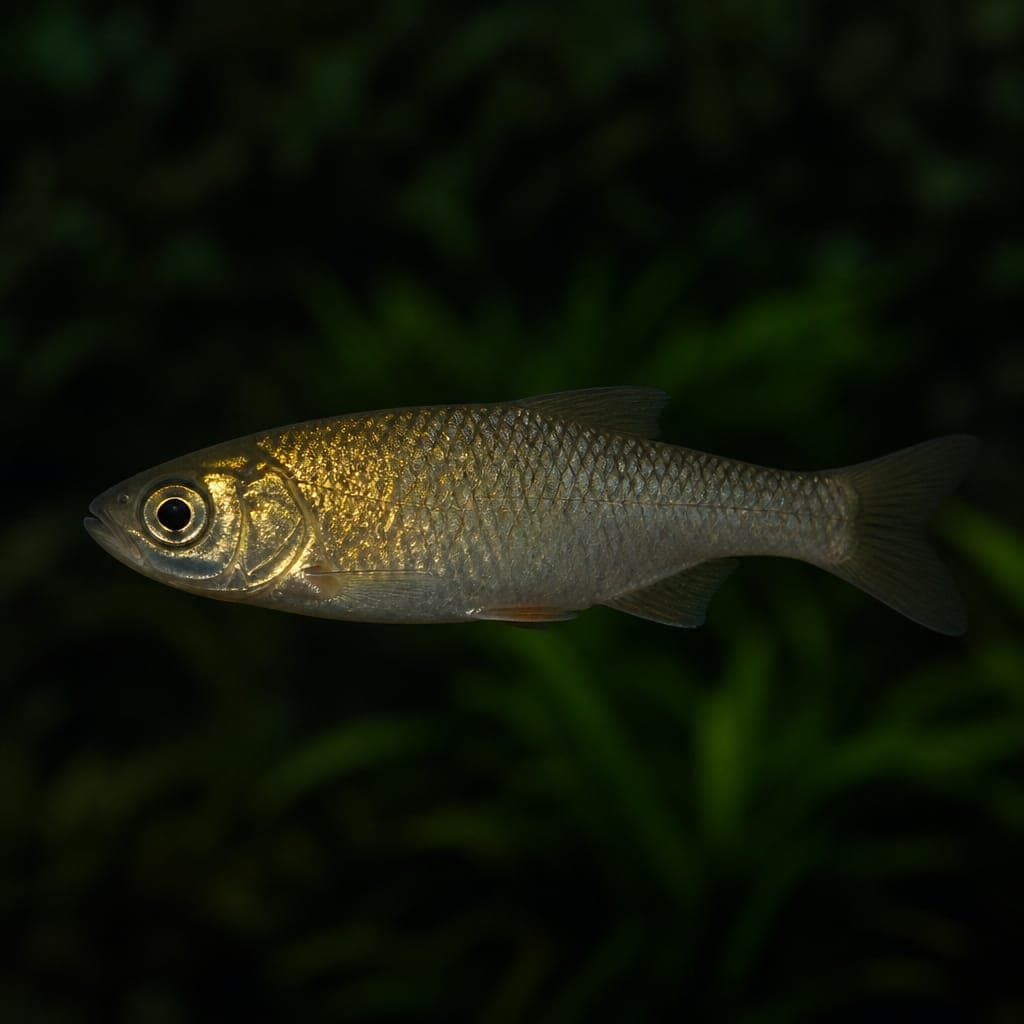
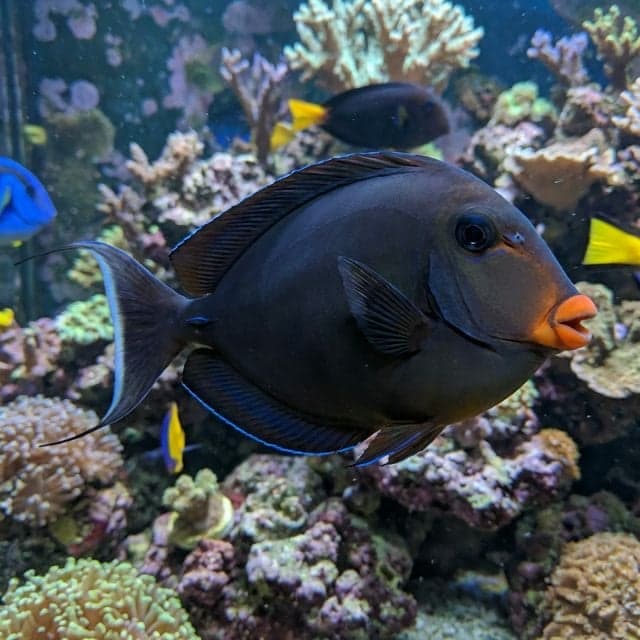
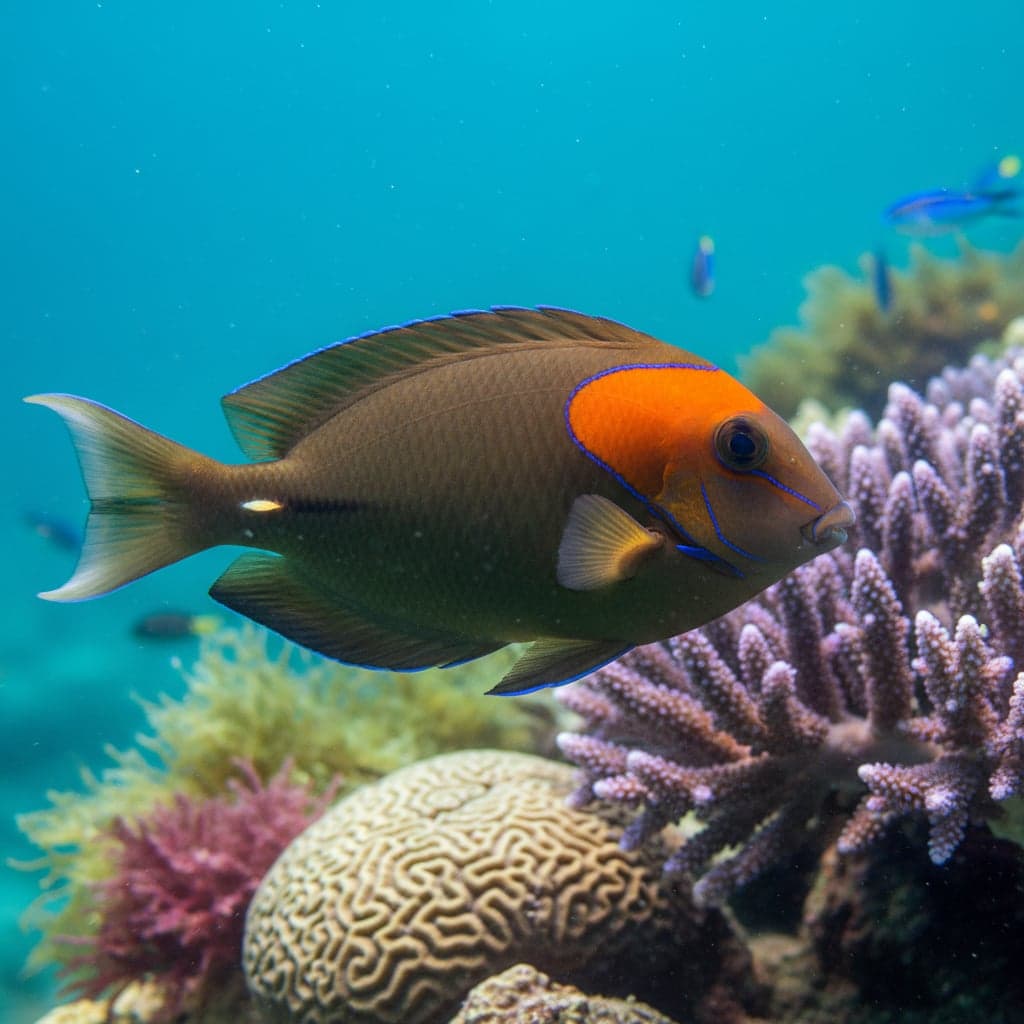
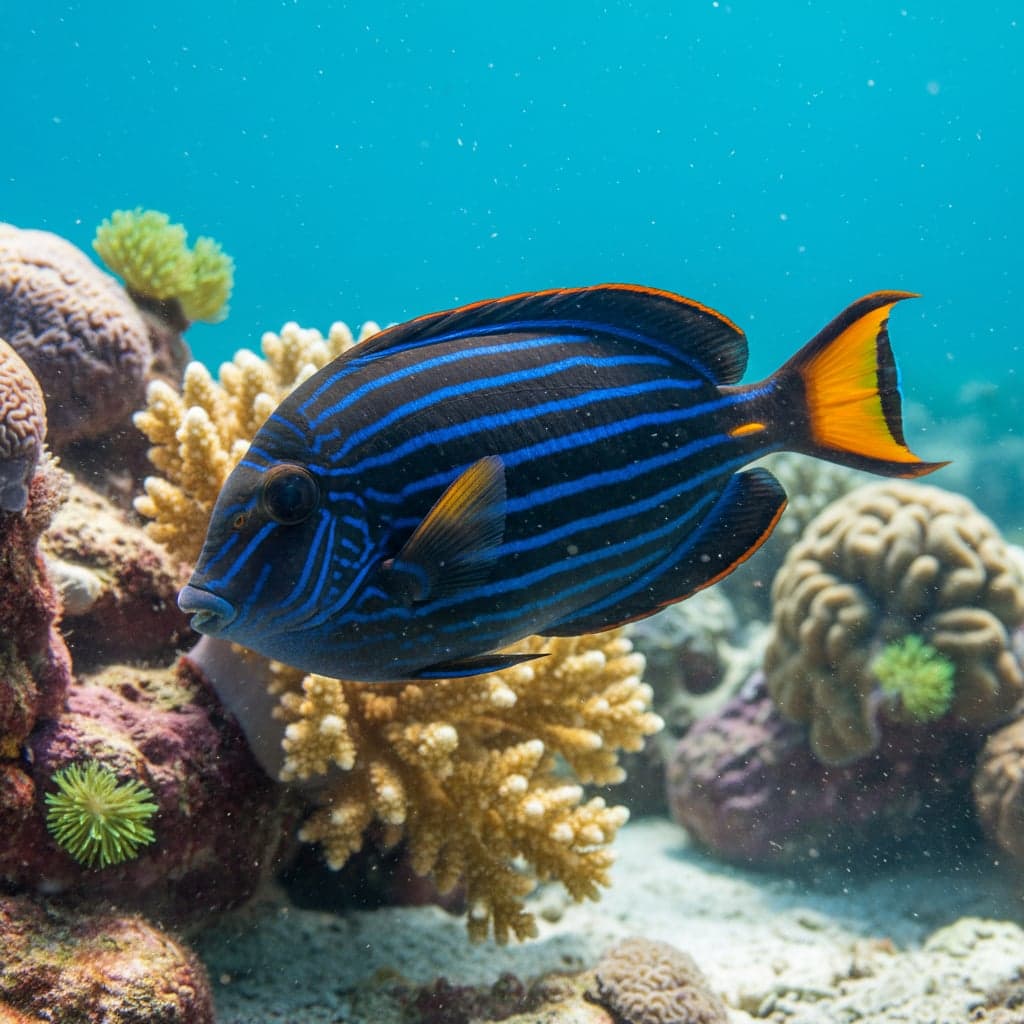
The Blonde Lipstick Tang (Naso lituratus) is a stunning saltwater fish known for its unique appearance and behavior.

Studio Scaped
Blonde Lipstick Tang

Blonde Lipstick Tang

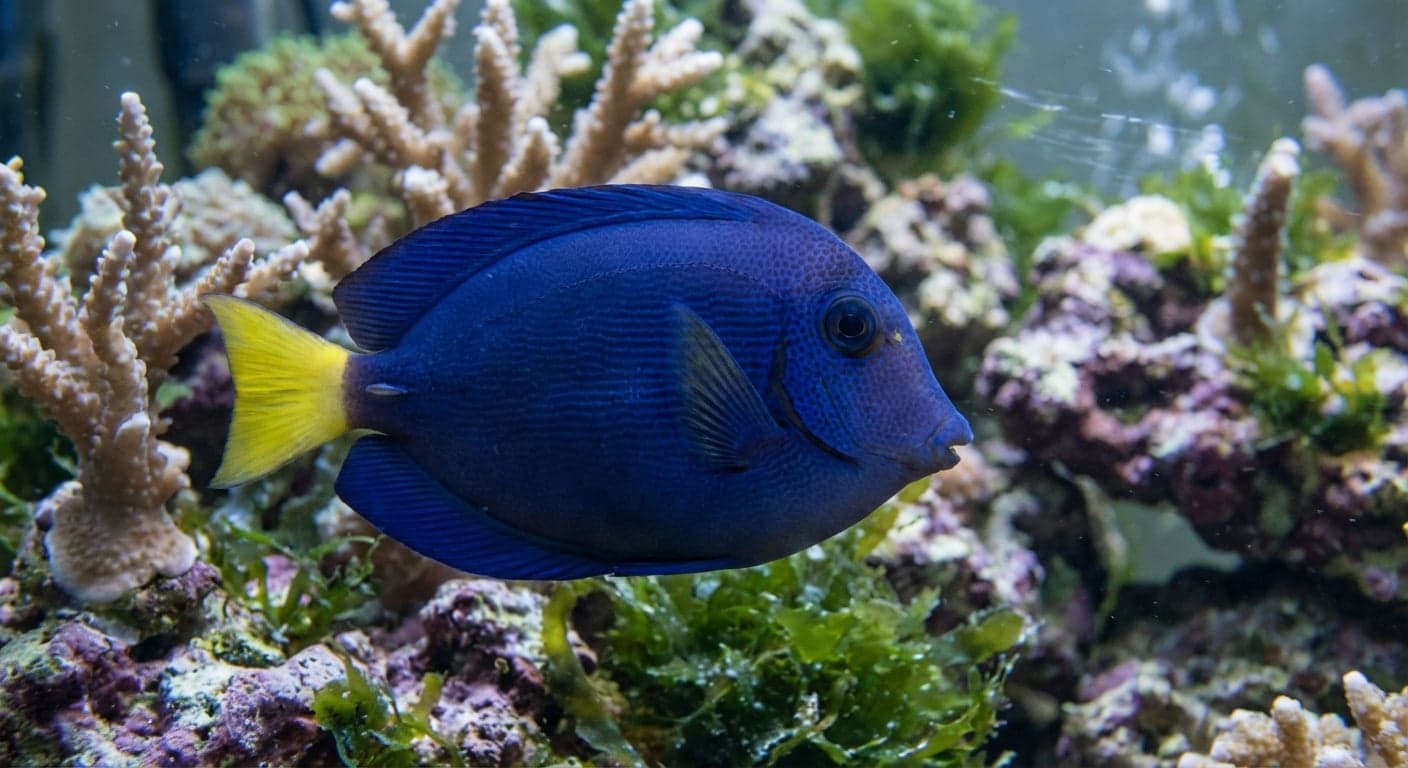
The Blonde Lipstick Tang, scientifically known as Zebrasoma flavescens, is a mesmerizing marine fish renowned for its striking coloration and dynamic personality. This tang features a vibrant yellow body adorned with a distinct lip coloration that resembles a fun, pastel pink, giving it the enchanting name “Blonde Lipstick.” As a part of the surgeonfish family, it also boasts a unique, sharp spine on its tail, adding to its physical allure. Aquarists are particularly drawn to this species not only for its aesthetic appeal but also for its resilience and adaptability in home aquariums, making it a treasured addition to many marine setups.

This fish serves not only as an attractive centerpiece but also plays a crucial ecological role in its natural habitat. Blonde Lipstick Tangs are known for their behavior of grazing on algae, which helps maintain the health of coral reefs. Due to this symbiotic relationship, they are regarded as beneficial within the aquarium hobby, supporting tank cleanliness and the well-being of other reef inhabitants. Their lively temperament and interactions, along with their eye-catching appearance, make them a favorite among both novice and experienced marine aquarists alike.

Natural Habitat & Origin

The Blonde Lipstick Tang is predominantly found in the warm, shallow waters of the Pacific Ocean, particularly around the Hawaiian Islands. This species typically inhabits coral reefs and lagoons where the water is clear and nutrient-rich, facilitating algae growth—a primary food source for this tang. The natural habitat consists of sandy and rocky substrates, providing perfect hiding spots and grazing areas for these fish. The warm temperatures of 24 to 28 degrees Celsius (75 to 82 degrees Fahrenheit) are optimal for their growth and health, further emphasizing their need for a stable, clean environment.

In its natural setting, the Blonde Lipstick Tang thrives in areas where the light penetrates effectively, supporting the growth of symbiotic algae and corals. The clear water conditions in which they are found contribute to their vibrant coloration and overall health. As reef dwellers, they play a significant role in maintaining ecological balance, making their conservation and proper keeping in captivity critical.

Care Requirements

To provide a suitable environment for the Blonde Lipstick Tang, aquarists should maintain specific water parameters. The ideal pH level ranges from 8.1 to 8.4, with a temperature maintained between 24 to 28 degrees Celsius (75 to 82 degrees Fahrenheit). Additionally, a salinity level between 1.020 and 1.025 is vital for their well-being. The tank should be a minimum of 75 gallons to accommodate their swimming habits and social structures. A mixture of sandy substrate and live rock creates an inviting atmosphere, replicating their natural habitat.

Lighting plays an essential role; providing moderate to bright lighting helps simulate their natural environment and promotes the growth of algae. This fish appreciates densely populated aquascapes with plenty of hiding spots and grazing areas. Live plants are not typically necessary, but marine macroalgae can support their diet and overall habitat enjoyment.

Diet & Feeding

The Blonde Lipstick Tang is an omnivore with a diet primarily consisting of algae and marine plant matter. To ensure optimal health, they should be fed a varied diet that incorporates high-quality frozen or freeze-dried foods, leafy greens such as nori, and commercial pellets or flakes designed for herbivorous marine fish. Offering a diverse diet assists in replicating their natural feeding behavior while providing essential nutrients.

Feed the Blonde Lipstick Tang multiple small meals throughout the day, as they are grazers by nature. This feeding routine mimics their natural foraging habits, keeps them mentally stimulated, and helps to prevent overfeeding. Additionally, it is beneficial to supplement their diet with spirulina or other vitamin-enriched foods to support their overall health.

Behavior & Temperament

The Blonde Lipstick Tang is known for its lively and somewhat boisterous temperament. As a social species, it typically enjoys company, but it can exhibit territorial behavior, particularly toward other tang species. It's recommended to keep them in pairs or small groups within a larger tank to minimize aggression and promote a more harmonious environment.

In terms of vertical placement, this species tends to inhabit the mid to upper levels of the aquarium but will frequently venture to the substrate when foraging for algae. Adequate swimming space and hiding spots are essential to mitigate potential territorial disputes and ensure a stress-free living condition.

Tank Mates

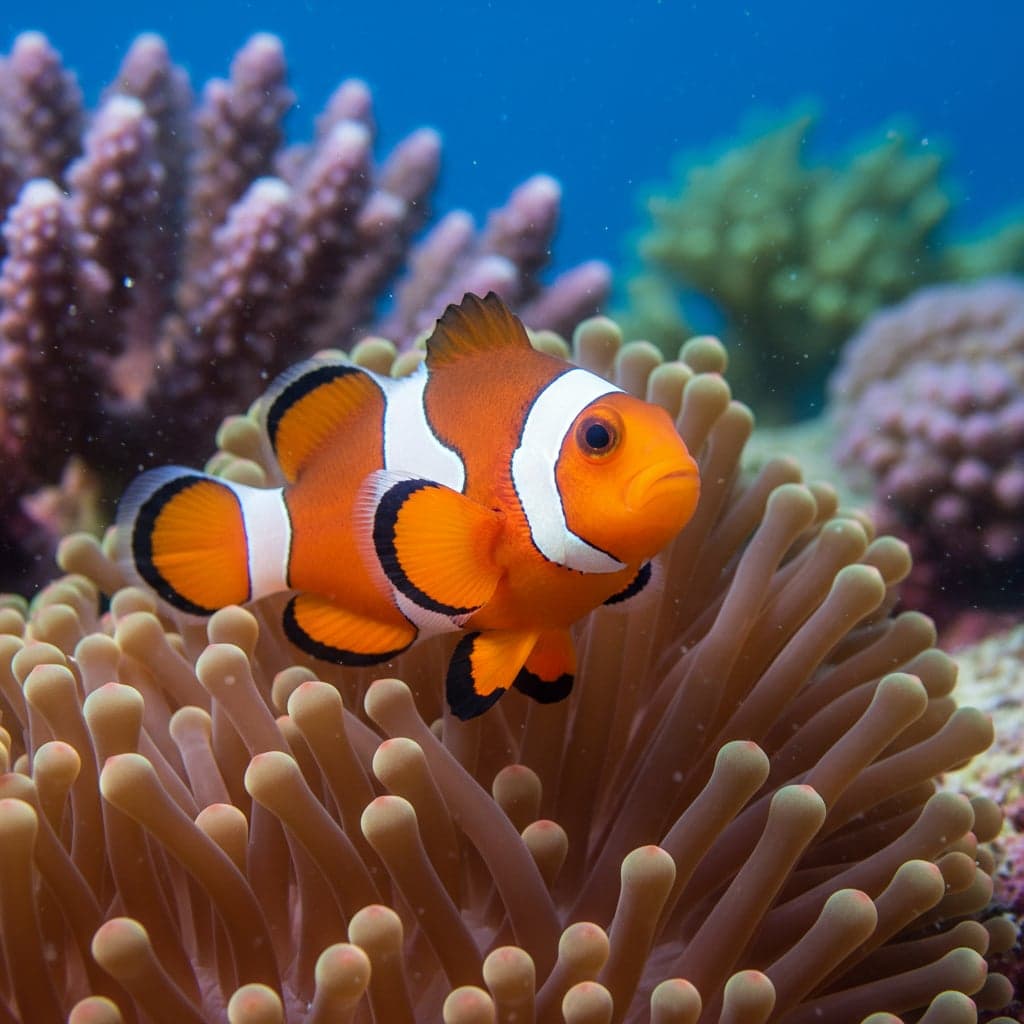
When selecting tank mates for the Blonde Lipstick Tang, consider species that are similarly sized and non-aggressive. Compatible species include clownfish, wrasses, gobies, and other peaceful reef fish. In contrast, it is best to avoid highly aggressive species like triggers, larger groupers, or other tangs, as these can provoke stress or physical harm.

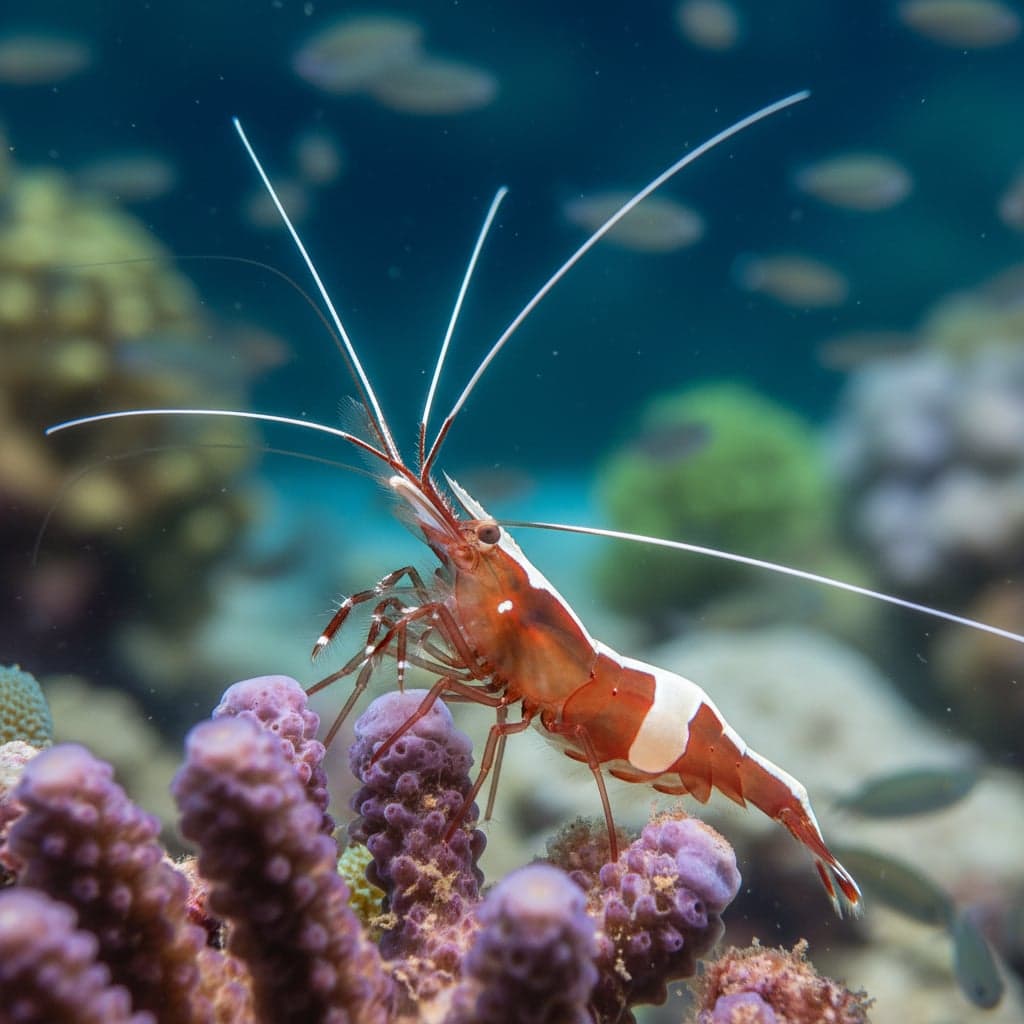
Furthermore, ensure that tank mates are not overly bold, as this tang may shy away from competition. A well-thought-out community of fish, alongside appropriate invertebrates like cleaner shrimp, can help create a thriving aquarium ecosystem while promoting the Blonde Lipstick Tang’s unique characteristics.

Breeding

Breeding the Blonde Lipstick Tang in captivity can be both challenging and rewarding, as successful spawning typically requires specific conditions. They are known to be broadcast spawners, releasing eggs and sperm into the water column at dusk. It is essential to replicate the proper water parameters, including stable temperature and salinity, which promote spawning behavior.

Providing ample space and a strong, stable environment is crucial, as well as a diet rich in nutritious foods to help condition the fish prior to spawning. While breeding in captivity is rare, experienced aquarists have had limited success with creating separate breeding tanks, offering plenty of hiding spaces, and maintaining optimal water quality.

Common Health Issues

The Blonde Lipstick Tang can be susceptible to several common aquarium diseases, notably ich (cryptocaryon), marine velvet, and uronema. Poor water quality, stress, and inadequate nutrition can exacerbate these health issues. To mitigate these risks, ensure a stable environment with regular water changes, adequate filtration, and consistent feeding schedules.

To prevent outbreaks, it is critical to quarantine new fish and maintain high water quality through diligent monitoring. Additionally, routine health checkups and freshwater dips for affected fish may help in early disease detection and treatment. Providing a varied diet rich in vitamins enhances their immunity and resilience against pathogens, promoting prolonged health in your aquarium setup.

ADA
Aqua One
Chihiros
Dennerle
EHEIM
Fluval
Oase
Seachem
Tropica
Twinstar
UNS
ADA
Aqua One
Chihiros
Dennerle
EHEIM
Fluval
Oase
Seachem
Tropica
Twinstar
UNS
ADA
Aqua One
Chihiros
Dennerle
EHEIM
Fluval
Oase
Seachem
Tropica
Twinstar
UNS
ADA
Aqua One
Chihiros
Dennerle
EHEIM
Fluval
Oase
Seachem
Tropica
Twinstar
UNS