Annularis Angelfish
A 45cm angelfish with electric blue rings. Needs 900L+, eats sponge and coral, and is a long-term specialist commitment.

Annularis Angelfish
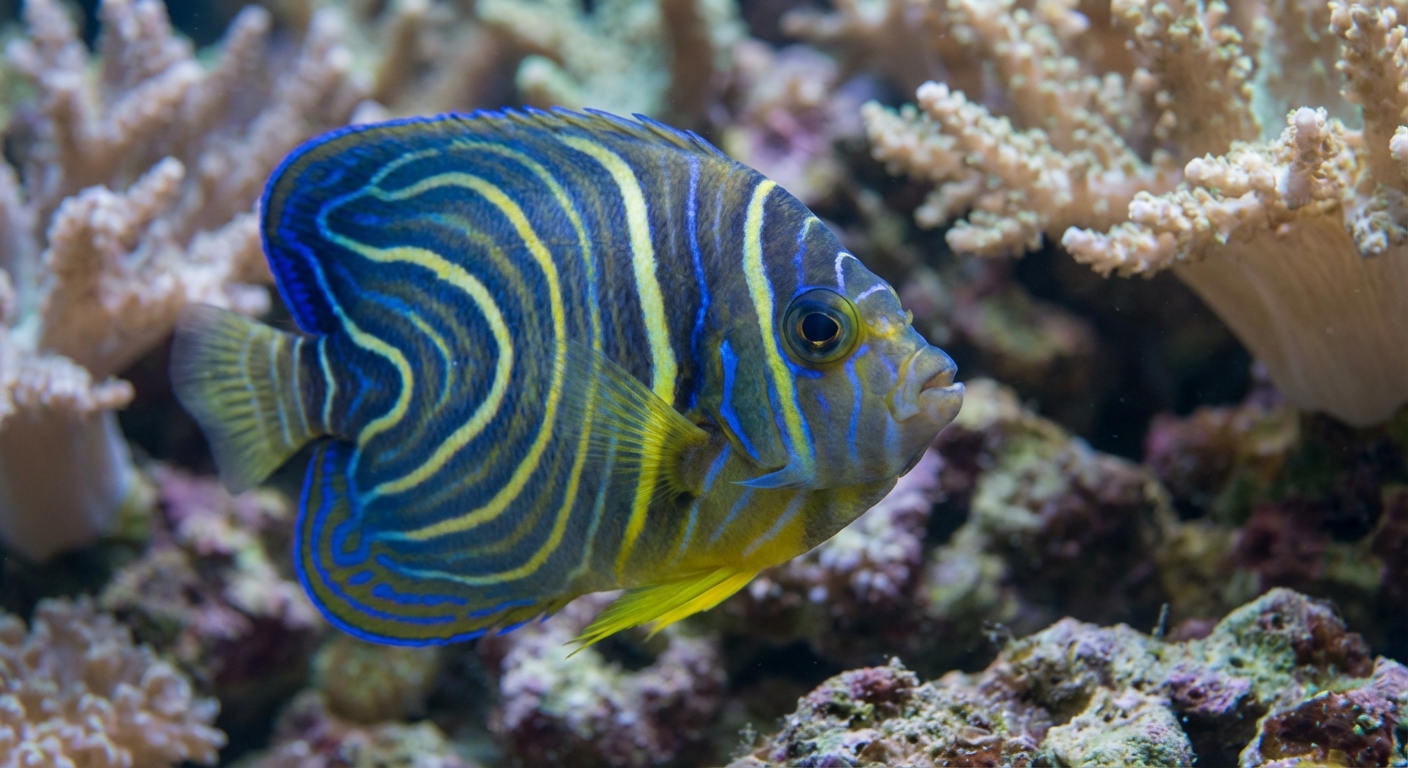
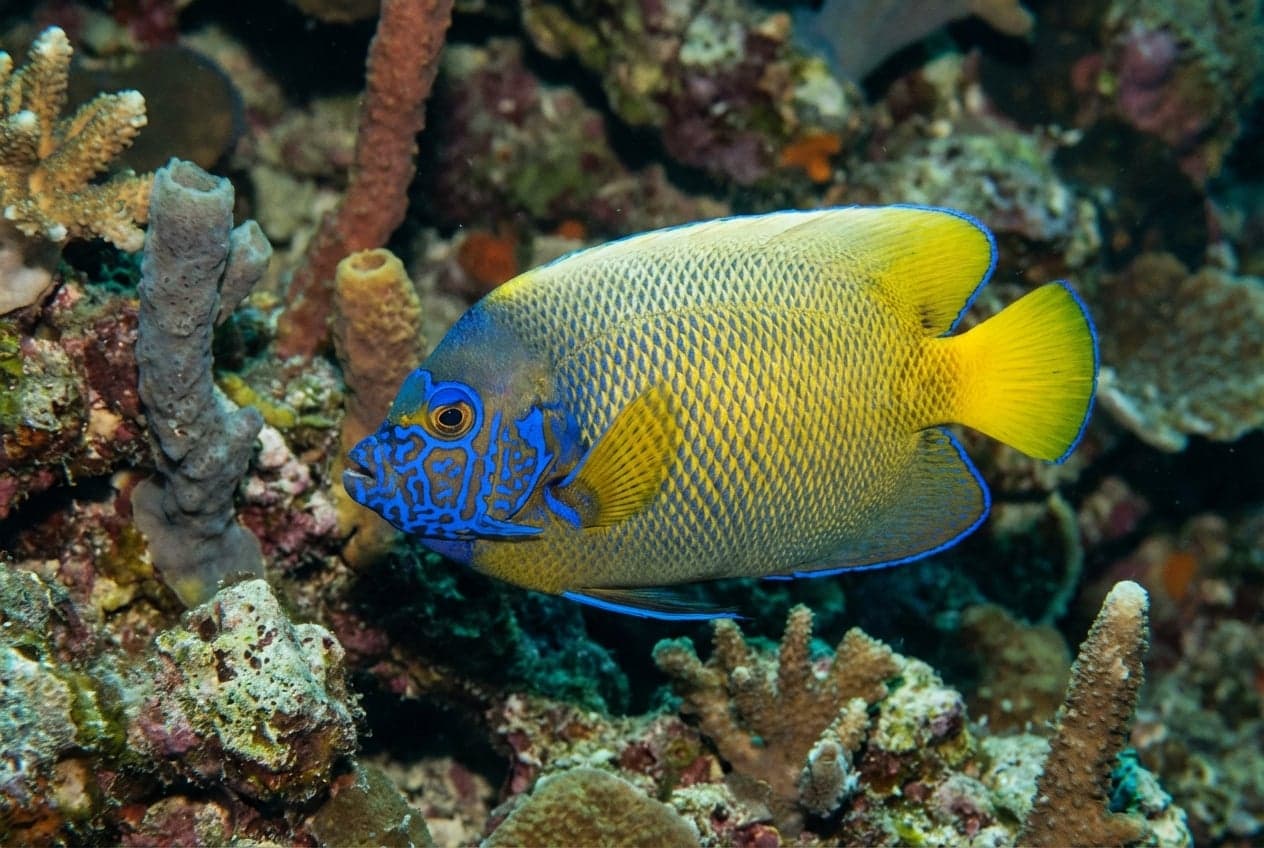
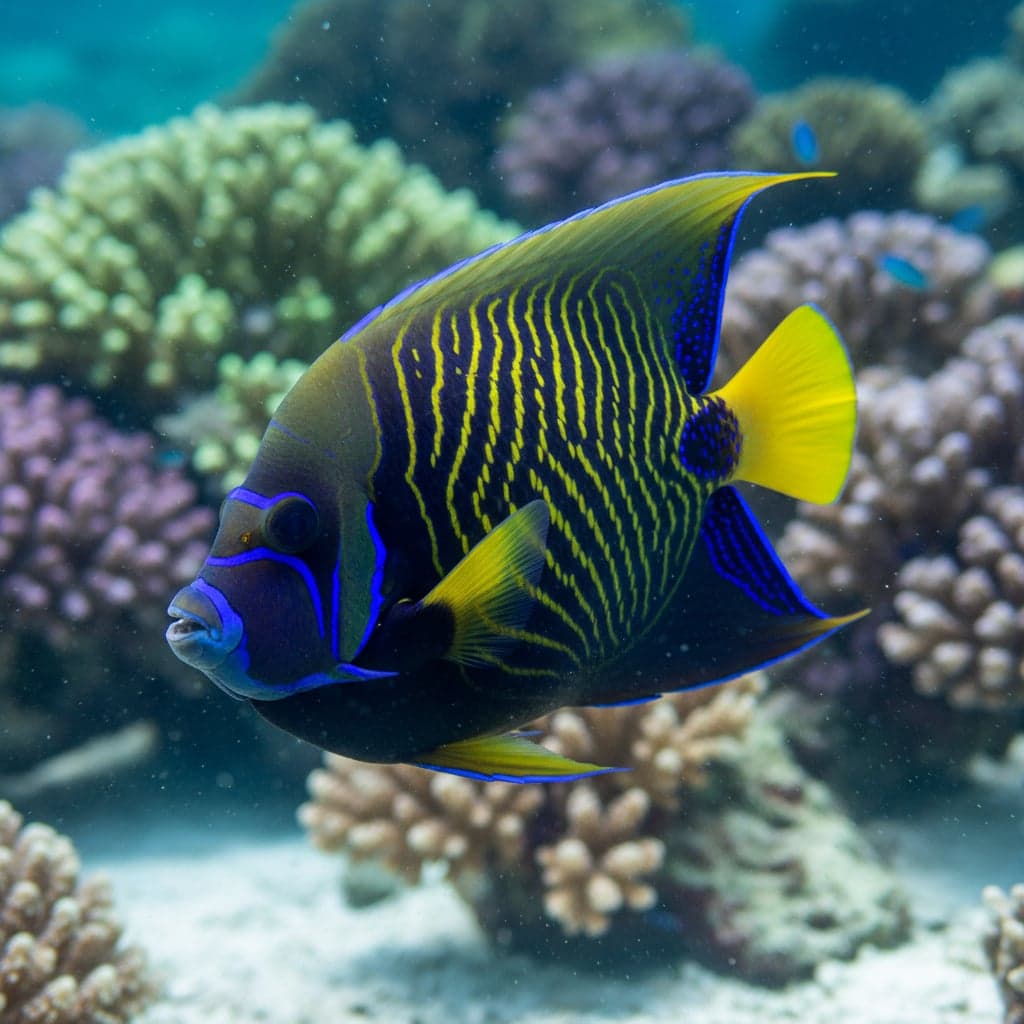
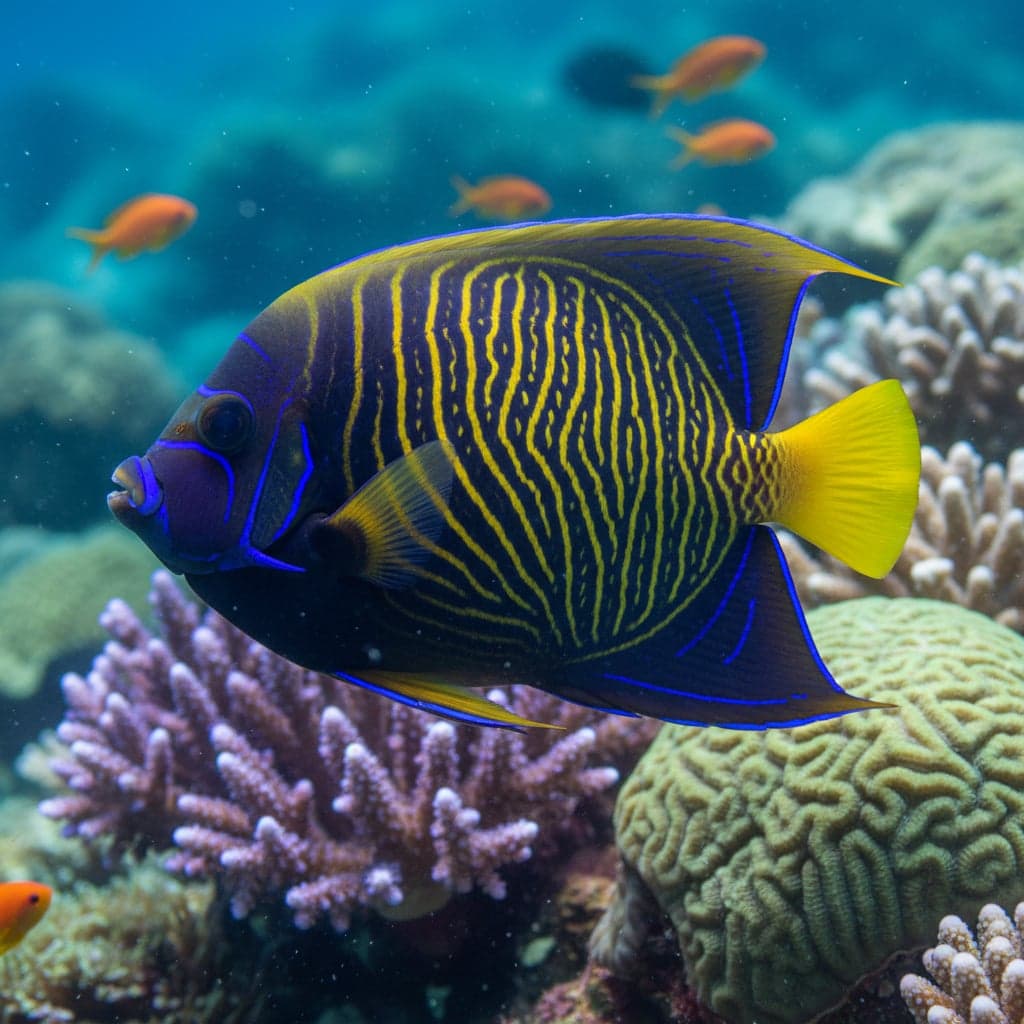
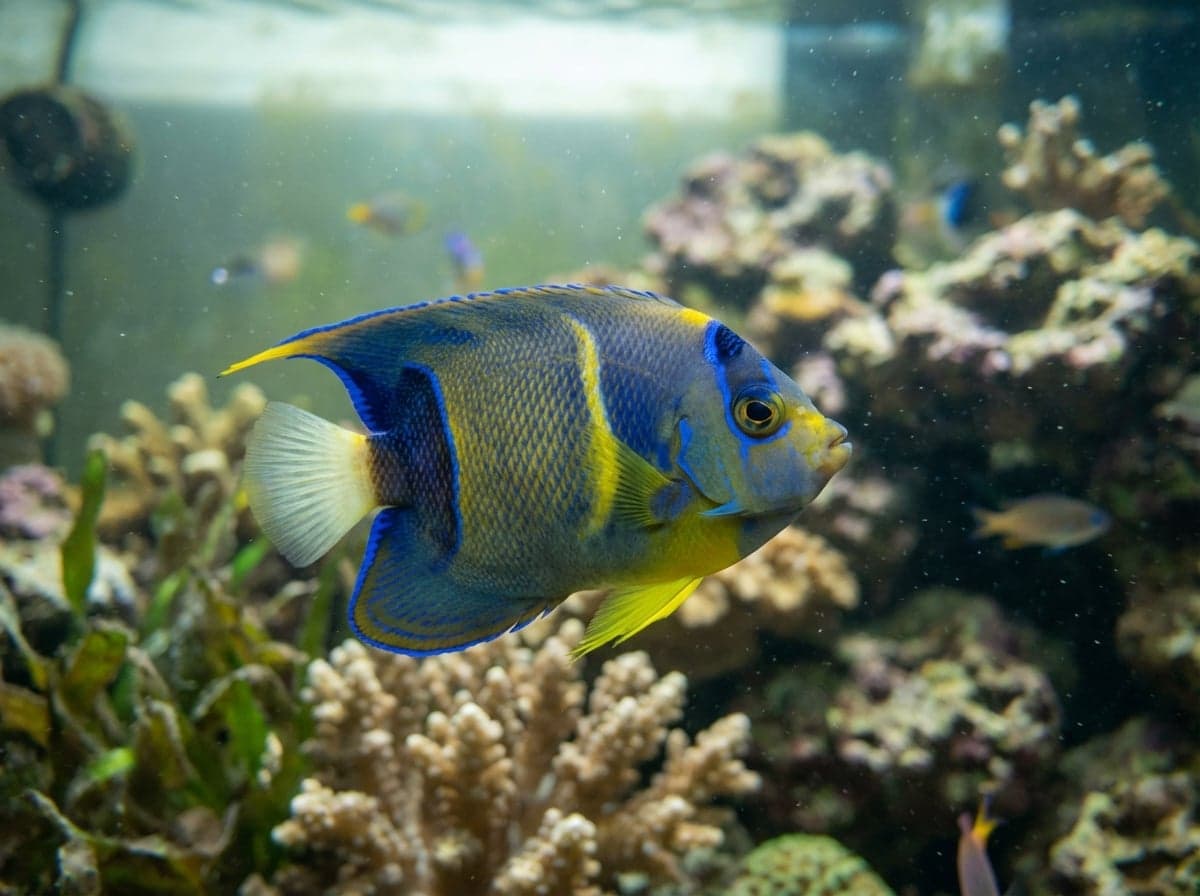
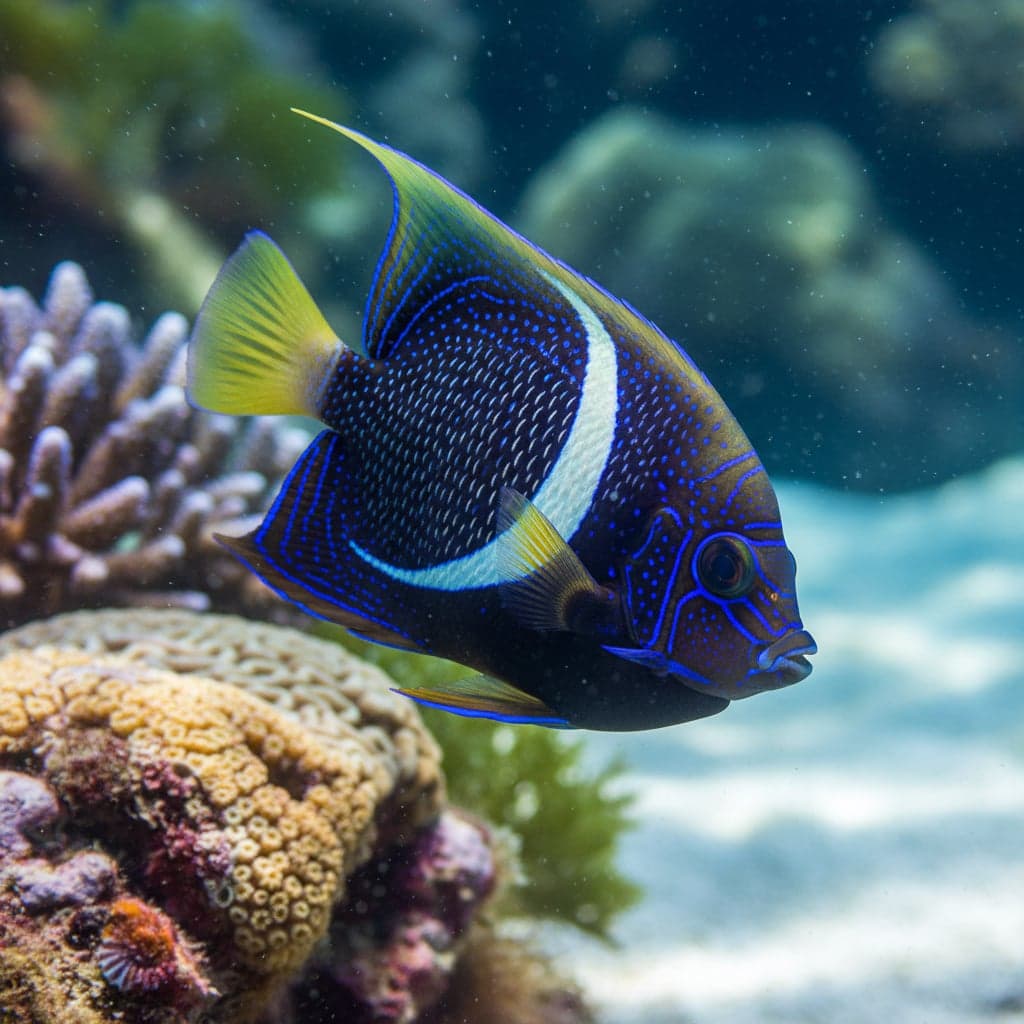
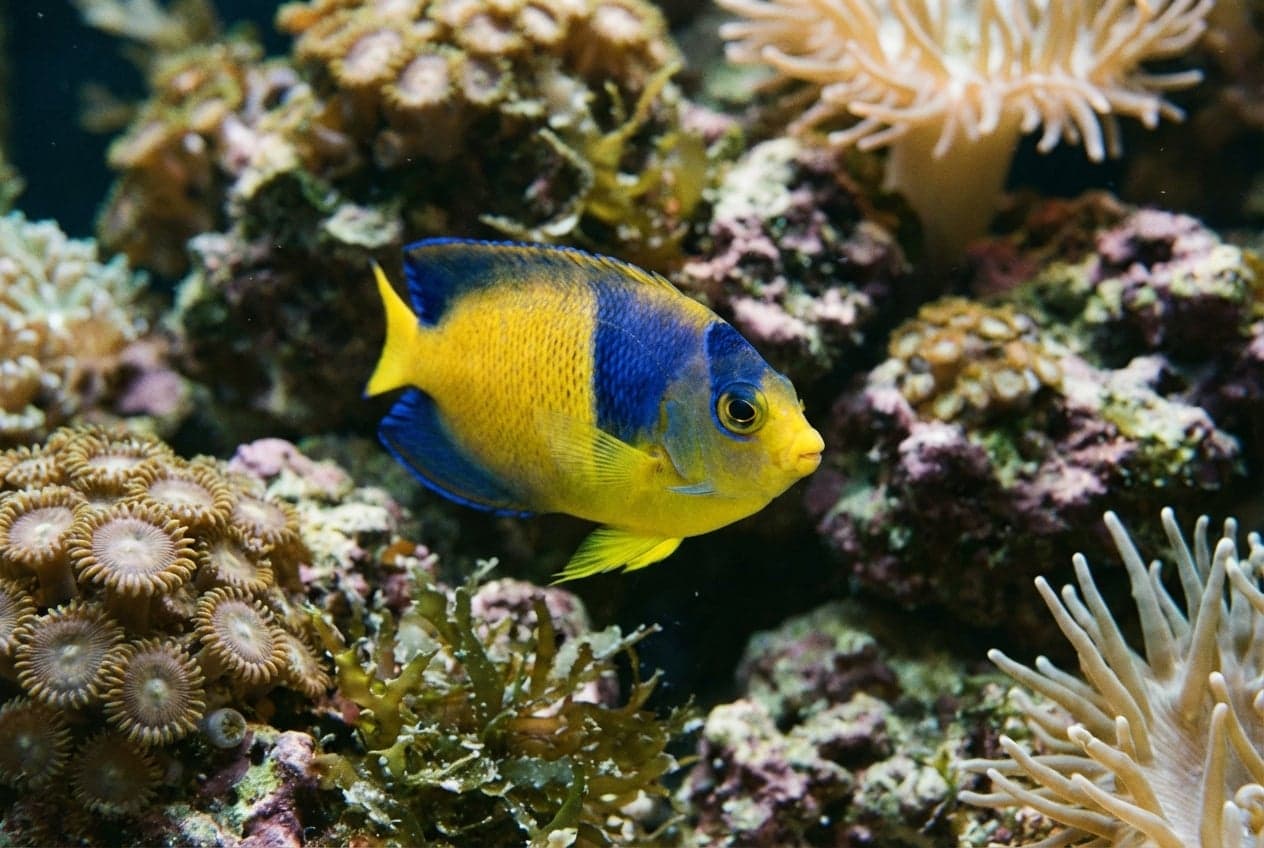
The Annularis Angelfish, often designated as the "Pomacanthus annularis," is a stunning marine species highly revered among reef enthusiasts. Characterized by its vibrant coloration, the adult exhibits hues of deep blue and yellow. The Annularis Angelfish’s unique pattern features bold concentric rings that encircle its body, creating a visual spectacle that captures attention in any aquarium setting. This species can grow up to 12 inches (30 cm) in size, making it a dominant centerpiece in large tanks. Its striking aesthetic appeal not only enhances the beauty of marine ecosystems but also serves as a significant draw for aquarists seeking a touch of elegance in their aquatic landscapes.
In the aquarium hobby, the Annularis Angelfish holds considerable significance due to its striking coloration and relatively approachable care requirements. As a member of the Pomacanthidae family, this fish is a testament to biodiversity in marine life, showcasing the incredible adaptations and visual artistry present in oceanic environments. This angelfish not only adds a vivid splash of color to the aquarium but also contributes to the overall health of live rock environments by grazing on algae and detritus. Its combination of visual splendor and ecological role makes it an exciting species for both novice and experienced aquarists striving to replicate a vibrant underwater ecosystem.
Natural Habitat & Origin
The Annularis Angelfish is indigenous to the tropical waters of the Indo-Pacific region, occupying a range that extends from the Red Sea to the Hawaiian Islands. It is commonly found in coral reefs, particularly in the shallower waters where it can seek shelter among corals and rock formations. These areas usually exhibit clear water conditions that facilitate the unique symbiotic relationships developed within these ecosystems. The fish thrives in environments rich in biodiversity, relying on the shelter and food provided by coral reefs, which play a crucial role in its survival.
In terms of specific environmental preferences, the Annularis Angelfish inhabits areas of moderate to high water movement and is typically found at depths ranging from 3 to 30 meters. The water in these regions tends to be slightly alkaline with a pH between 8.1 and 8.4, showcasing clearwater characteristics conducive to photosynthesis and the growth of essential algae. The Annularis Angelfish plays an integral role in its habitat, maintaining the health of coral reefs by controlling algal growth and contributing to nutrient cycles within these complex marine environments.
Care Requirements
When caring for the Annularis Angelfish, proper water parameters are crucial for maintaining its health and vitality. It thrives in a marine environment with a temperature range of 75°F to 82°F (24°C to 28°C), a pH of 8.1 to 8.4, and a specific gravity of 1.020 to 1.025. The water hardness should ideally range from 8 to 12 dKH, providing stability and the necessary minerals for this species.
In terms of tank setup, a minimum tank size of 900 litres (240 gallons) is recommended for this 45cm Pomacanthus — it needs serious swimming and foraging room as a large adult angelfish. A well-structured environment with ample hiding spaces created by live rock is essential. The substrate should ideally consist of a combination of sand and coral rubble, allowing for natural foraging behavior. Moderate lighting is required to promote the growth of essential algae and corals within the tank, and live plants can be incorporated, though it’s essential to ensure they are suitable for marine environments and unlikely to be nibbled on by the angelfish.
Diet & Feeding
The Annularis Angelfish is classified as an omnivore, with a diverse diet that integrates both plant and animal matter. In an aquarium setting, it thrives on a diet rich in high-quality marine-based pellets, flake foods, and frozen or live offerings. Spirulina-enriched foods, along with meaty items such as mysis shrimp, brine shrimp, and high-quality frozen formulations, should be included to mimic its natural foraging behavior.
It is advisable to feed the Annularis Angelfish multiple small meals throughout the day rather than one large feeding. This approach prevents overfeeding and maintains the fish's health and natural behavior. Additionally, incorporating specialty foods designed for angelfish will ensure a balanced diet, supplemented with vegetables such as nori or blanched spinach to satisfy their herbivorous cravings. By providing a well-rounded diet, aquarists can maximize growth potential and brighten the vibrant coloration of the Annularis Angelfish.
Behavior & Temperament
The Annularis Angelfish exhibits moderately aggressive behavior, particularly when it comes to establishing territories within the tank. This species is known for its inquisitive and interactive nature, often exploring its surroundings and engaging with both tank mates and aquarists. Despite their sometimes territorial disposition, Annularis Angelfish do not necessarily require a schooling environment; they can be kept as solitary specimens or in pairs, provided the aquarium is spacious enough.
In terms of tank placement, the Annularis Angelfish is often seen mid to upper level of the aquarium, swimming among the live rock and corals. It is essential to provide adequate hiding spots within the tank to reduce stress and aggression towards other fish. Although they may show signs of aggression towards similar species or smaller fish, they can coexist harmoniously with non-aggressive marine species, making proper tank selection and setup critical for their overall temperament and well-being.
Tank Mates
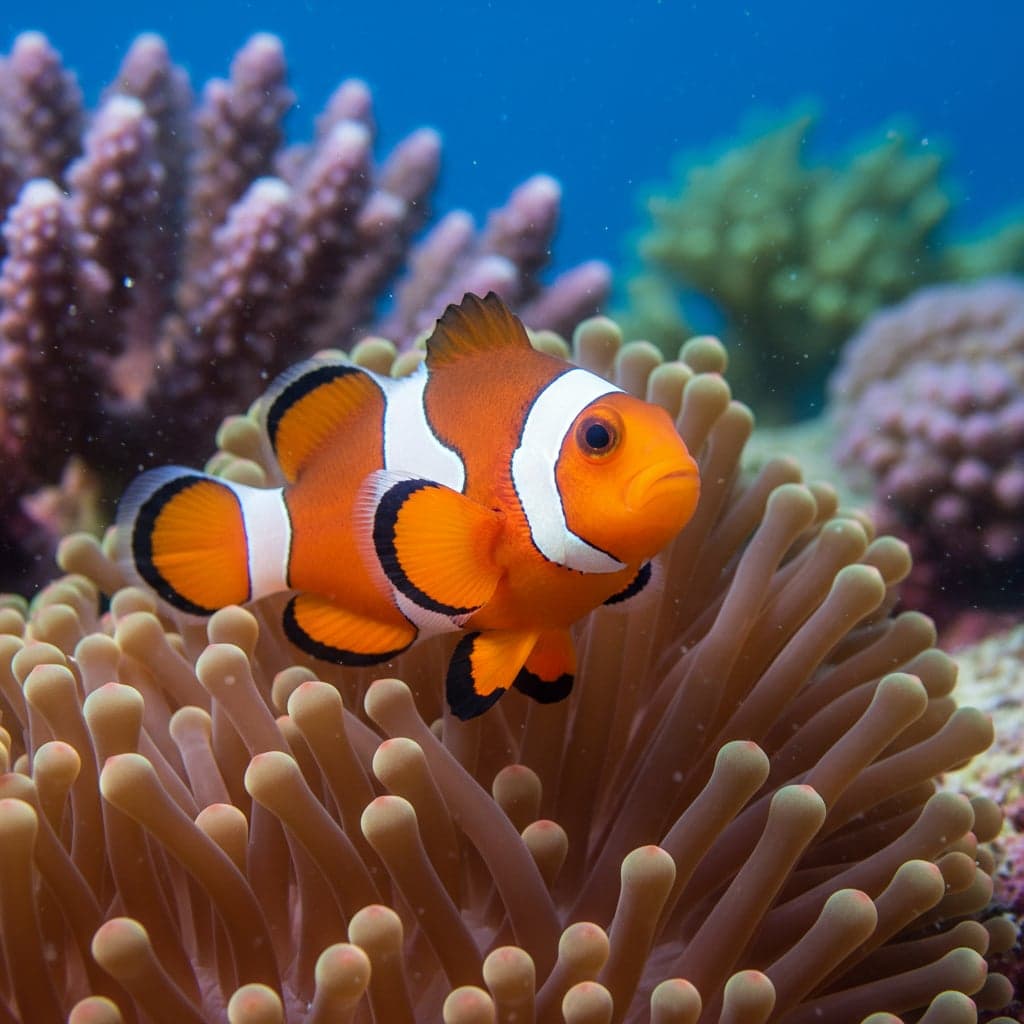
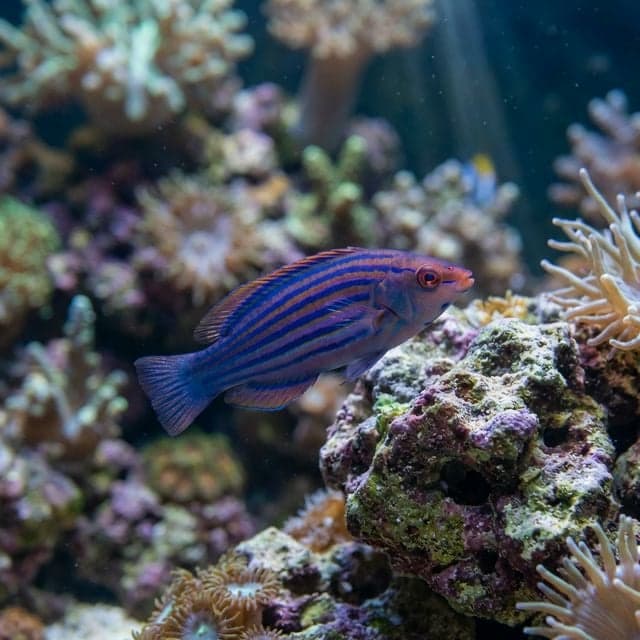
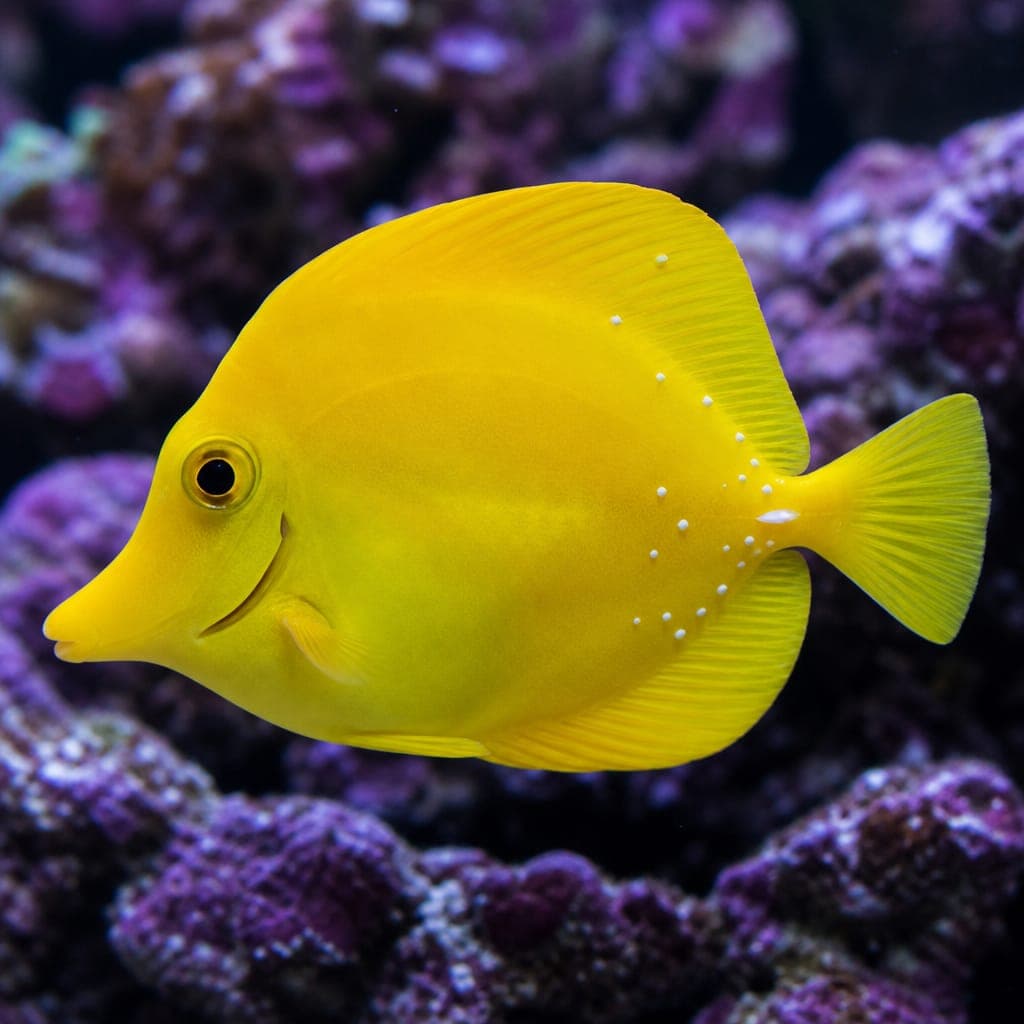
Choosing compatible tank mates for the Annularis Angelfish requires careful consideration of species temperament and size. Ideal tank mates include larger, non-aggressive fish such as clownfish, tangs, and certain wrasses. Other species like carpenters flasher wrasse and royal gramma can also thrive alongside the Annularis Angelfish without inciting conflict.
Conversely, it's pivotal to avoid pairing the Annularis Angelfish with small or timid species, as they may become targets for aggression or bullying. Additionally, other angelfish from the same family should be avoided, as these can provoke territorial disputes. Fish with similar body shapes or vibrant colors may also trigger aggression, making it essential to select tank mates that are sufficiently different in appearance and behavior to minimize stress within the aquarium.
Breeding
Breeding the Annularis Angelfish in captivity presents a unique set of challenges, particularly due to its complex spawning behavior. These fish are known to be monogamous, typically forming lasting pairs during the breeding process. To successfully induce spawning, it is crucial to replicate their natural environmental conditions, which can involve maintaining pristine water quality, an appropriate temperature range, and a high-protein diet to encourage readiness for breeding.
Spawning usually occurs during early morning hours and can involve elaborate courtship displays, where the male and female swim closely, often utilizing vertical placement in the water column. Once ready, the female releases her eggs onto flat surfaces, where the male fertilizes them immediately. For successful breeding in captivity, aquarists should ensure a separate breeding tank that mimics the angelfish's natural habitat, providing ample hiding places for the pair to engage in their nurturing behaviors.
Common Health Issues
While the Annularis Angelfish can be relatively hardy, it is still vulnerable to several common marine diseases. This species is particularly susceptible to marine ich, velvet, and bacterial infections when water quality declines or salinity swings occur. Quarantine new arrivals, maintain excellent filtration with regular water changes, and avoid overcrowding that elevates stress. Offer a varied diet of quality marine foods to support immunity. Watch for white spots, clamped fins, rapid breathing, or loss of appetite, and treat promptly so Annularis Angelfish stay vibrant and resilient in a stable reef or fish-only system.