Algae Blenny: Salarias fasciatus
A 14cm reef blenny that grazes film algae off rock all day. Needs mature live rock to graze on, a sand bed, and a lid — it perches, then jumps.
Also known as: lawnmower blenny · jewelled blenny · Salarias fasciatus
Algae Blenny
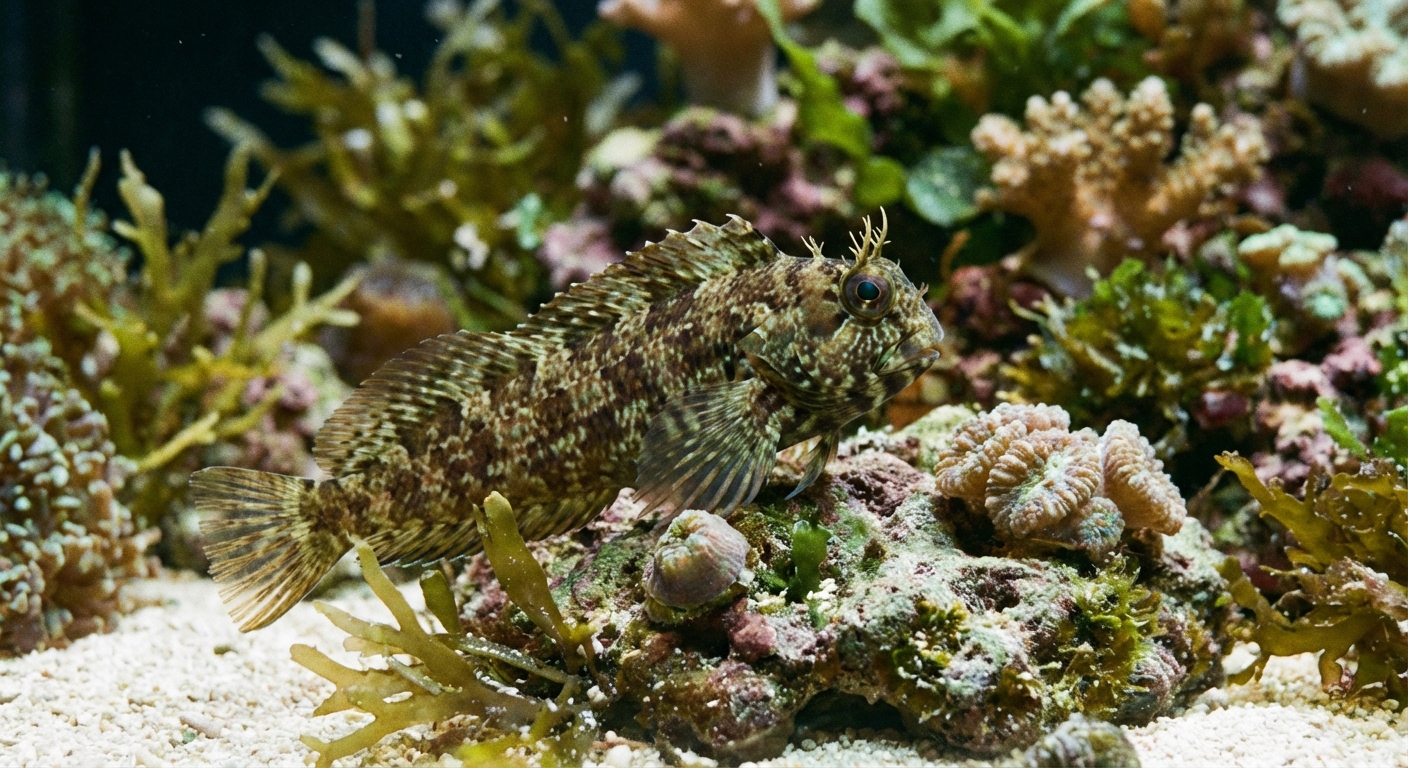
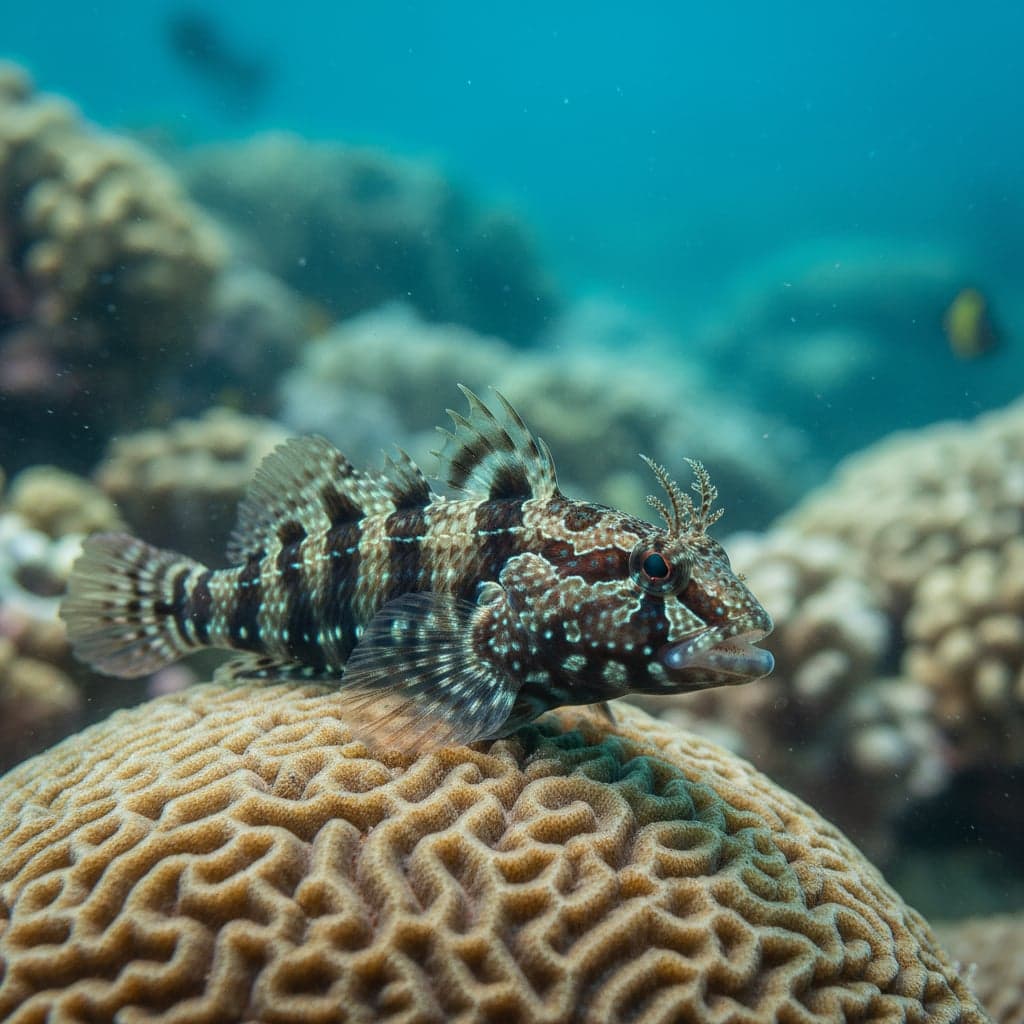
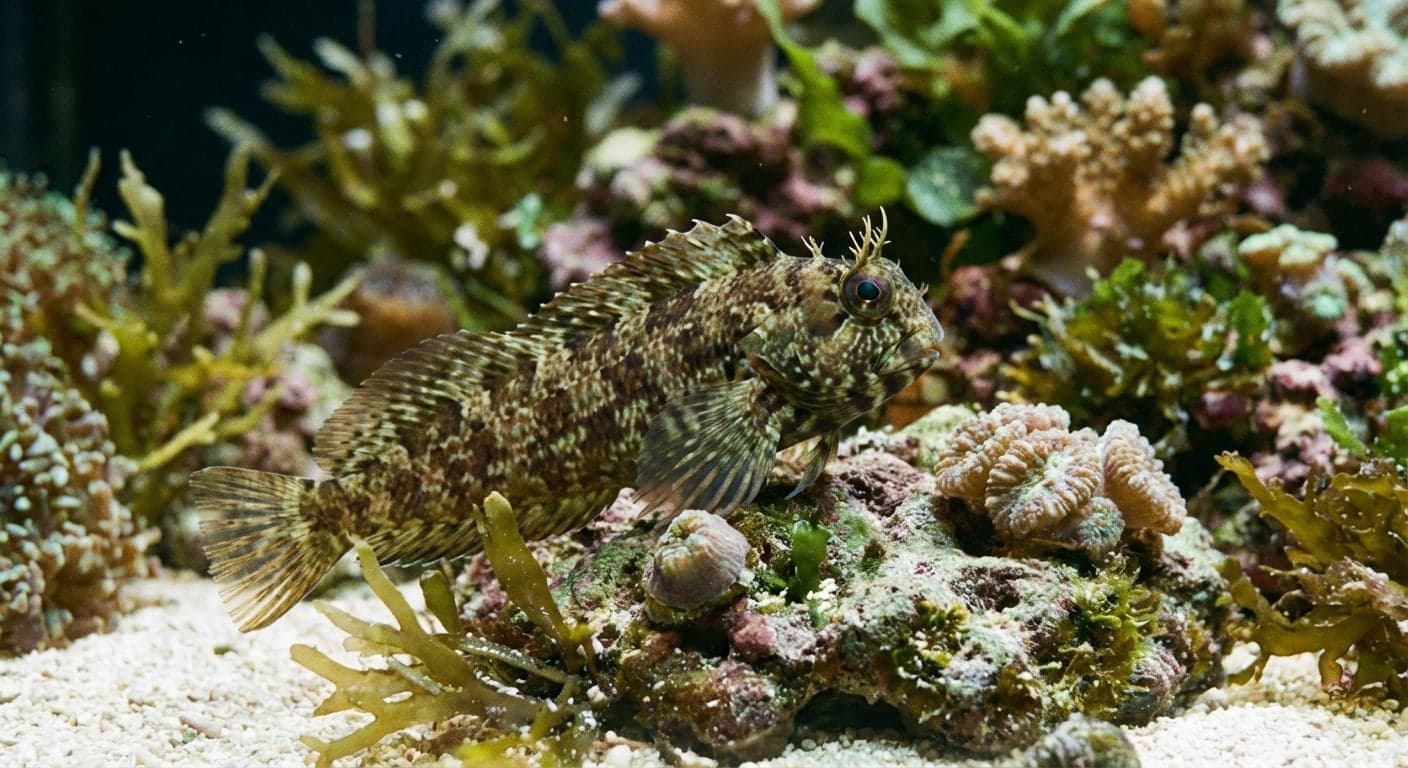
The Algae Blenny, also known scientifically as Salarias fasciatus, is a popular choice among aquarists due to its distinctive appearance and behavioral traits. Typically characterized by its elongated, laterally compressed body, this fish showcases a myriad of colorations, from mottled greens to earthy browns, often adorned with patterns that provide effective camouflage among aquatic environments. The Algae Blenny's large, expressive eyes and playful personality further enhance its visual appeal, making it a charming addition to both marine and reef aquariums. Their natural inclination to graze on algae not only makes them captivating to observe but also serves a functional role in maintaining a healthy aquarium ecosystem.
In the aquarium hobby, the Algae Blenny holds particular significance as a biological cleaner, actively consuming nuisance algae and aiding in the overall balance of the tank. Its presence not only promotes a cleaner environment but also provides an opportunity for aquarists to observe natural behavior and feeding strategies. Enthusiasts appreciate their hardy nature, relatively low-maintenance care requirements, and endearing interactions, contributing to the Algae Blenny's status as a staple species in both novice and advanced marine setups.
Natural Habitat & Origin
The Algae Blenny hails from the tropical waters of the Indo-Pacific region, including locations such as the Red Sea, Fiji, Tahiti, and the Great Barrier Reef. They typically inhabit shallow, coastal waters over coral reefs, where they can find ample opportunities to graze on algae growing on rocks and substrate. This species thrives in clear waters, which allow for sufficient sunlight penetration, promoting algae growth—this directly influences their dietary habits and ecological role. The environments they occupy often feature complex structures like reefs or lagoons, providing the necessary cover from predators.
In addition to their fondness for clear waters, the Algae Blenny is quite adaptable and can be found in varying substrates, including sandy and rocky areas. These habitats offer both food sources and protective spaces, allowing them to display their characteristic territorial behavior. Understanding their natural habitat is essential for replicating their environmental needs in aquariums, ensuring a healthy and sustainable life for these vibrant fish.
Care Requirements
When it comes to caring for the Algae Blenny, maintaining the right water parameters is critical for their well-being. The ideal pH level ranges between 8.1 and 8.4, with a temperature between 72°F and 78°F (22°C to 26°C). They prefer moderate water hardness levels, ideally between 8 to 12 dKH. A minimum tank size of 200 litres (55 gallons) is recommended, and the limiting factor is grazing area rather than swimming space: a 14cm blenny strips film algae from mature live rock faster than a small system can regrow it. They are also moderately territorial, especially towards their own kind.
For tank setup, incorporating live rock is vital, as it not only serves as a food source but also acts as a shelter. A substrate of fine sand or crushed coral is suitable, while lighting should mimic natural conditions—moderate to bright lighting is favored to encourage algae growth. Additionally, including hardy, fast-growing macroalgae or marine plants can enhance their environment and promote natural foraging behaviors. Proper filtration and oxygenation are also critical to maintaining a stable, healthy environment for the Algae Blenny.
Diet & Feeding
The Algae Blenny is primarily an herbivore but is also classified as an omnivore, enjoying a diet rich in algae and other plant materials. In the aquarium, their diet should consist of high-quality algae-based foods, including spirulina flakes and pellets. Supplementation with marine-specific frozen foods like mysis shrimp or brine shrimp can provide additional nutrients and variety. Live foods can also be introduced occasionally to stimulate natural hunting behavior and enhance their diet.
Daily feeding is recommended, usually two to three small portions per day, avoiding overfeeding to maintain water quality. Aquarists can also include fresh vegetables, such as blanched spinach or zucchini, to diversify their diet. Regularly providing a varied diet is essential for keeping the Algae Blenny healthy and vibrant.
Behavior & Temperament
The Algae Blenny is known for its lively and amusing personality, often displaying curious and playful behavior within the aquarium. They tend to be relatively peaceful, making them suitable for community tanks, but can exhibit territorial tendencies, especially towards other fish of the same species. They prefer to occupy the middle to lower levels of the tank and will perch on rocks and substrates, using their unique pectoral fins for stability and movement.
In terms of schooling, Algae Blennies do not necessarily require a mate or school but can live happily alone or in pairs if sufficient space is provided. However, it's important to monitor their interactions, as social hierarchy can lead to minor squabbles if tank space is limited. Overall, Algae Blennies can add a dynamic and interactive element to the aquarium, providing both entertainment and functional benefits.
Tank Mates
When selecting tank mates for the Algae Blenny, it is crucial to choose species that are non-aggressive and share similar water parameter preferences. Compatible tank mates can include peaceful fish such as Clownfish, Gobies, and small Wrasses. Invertebrates, such as certain types of shrimp and snails, can also coexist well with Algae Blennies, as they do not typically view these animals as competition for food or territory.
However, certain species should be avoided to prevent conflict, particularly other Blennies or territorial fish like Damselfish or aggressive types such as Lionfish and Triggerfish. Additionally, avoid pairing them with species that require different water parameters or significantly larger fish that may see the Algae Blenny as prey. A carefully selected community can provide a harmonious aquarium environment while allowing each species, including the Algae Blenny, to thrive.
Breeding
Breeding the Algae Blenny in captivity can be a rewarding yet challenging endeavor. They are known to be egg-layers, and for successful spawning, a dedicated breeding setup is recommended. To encourage breeding, a separate tank that mimics their natural environment with suitable rock formations is ideal, as they often lay eggs on flat surfaces. Water parameters should be meticulously monitored, with slightly elevated temperatures (around 78°F, or 26°C) and stable salinity.
During the breeding process, the male will establish a territory, often chasing away other fish to attract a female. Once the female is ready, she will lay eggs, which the male will fertilize shortly after. The eggs typically take around four to six days to hatch. Once hatched, fry will require infusoria or specialized fry foods for the initial weeks of growth. Due to their specific breeding requirements, enthusiasts should thoroughly research and prepare before attempting to breed Algae Blennies in captivity.
Common Health Issues
Algae Blennies are generally hardy fish, but they can be susceptible to several common health issues, including ich (white spot disease), marine velvet, and fin rot. Preventive measures, such as maintaining optimal water quality, ensuring a varied diet, and minimizing stress through adequate tank space and hiding spots, are essential for their health.
Quarantine new arrivals for a minimum of two weeks before introducing them to the main tank, allowing for observation and treatment of any potential diseases. Regular water changes and routine tank maintenance can also help mitigate disease risks. Being attentive to the signs of illness, such as changes in behavior or appearance, allows early intervention before minor issues become serious.