Mimic Filefish
The Mimic Filefish (Paraluteres prionurus) is a small Indo-Pacific fish that mimics a toxic toby pufferfish — peaceful and engaging, but best kept with reef caution.
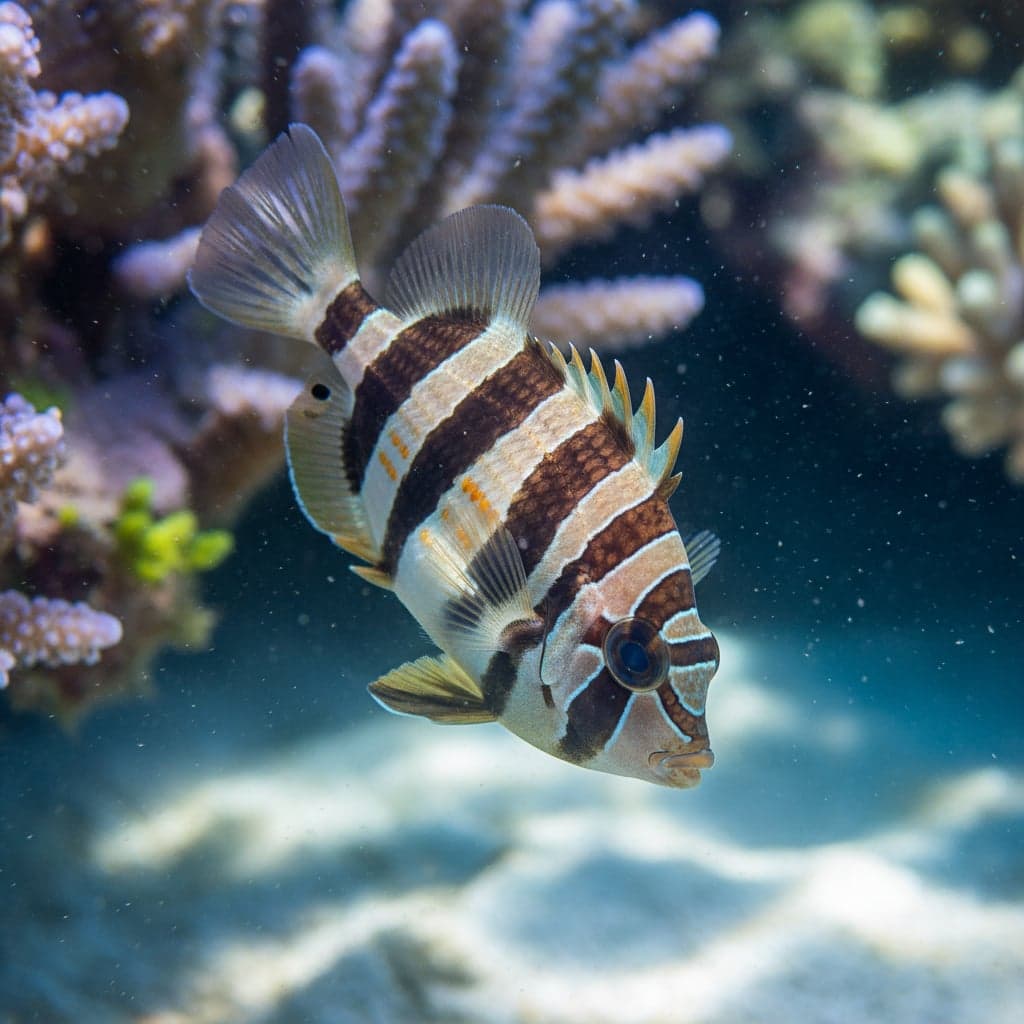
Mimic Filefish
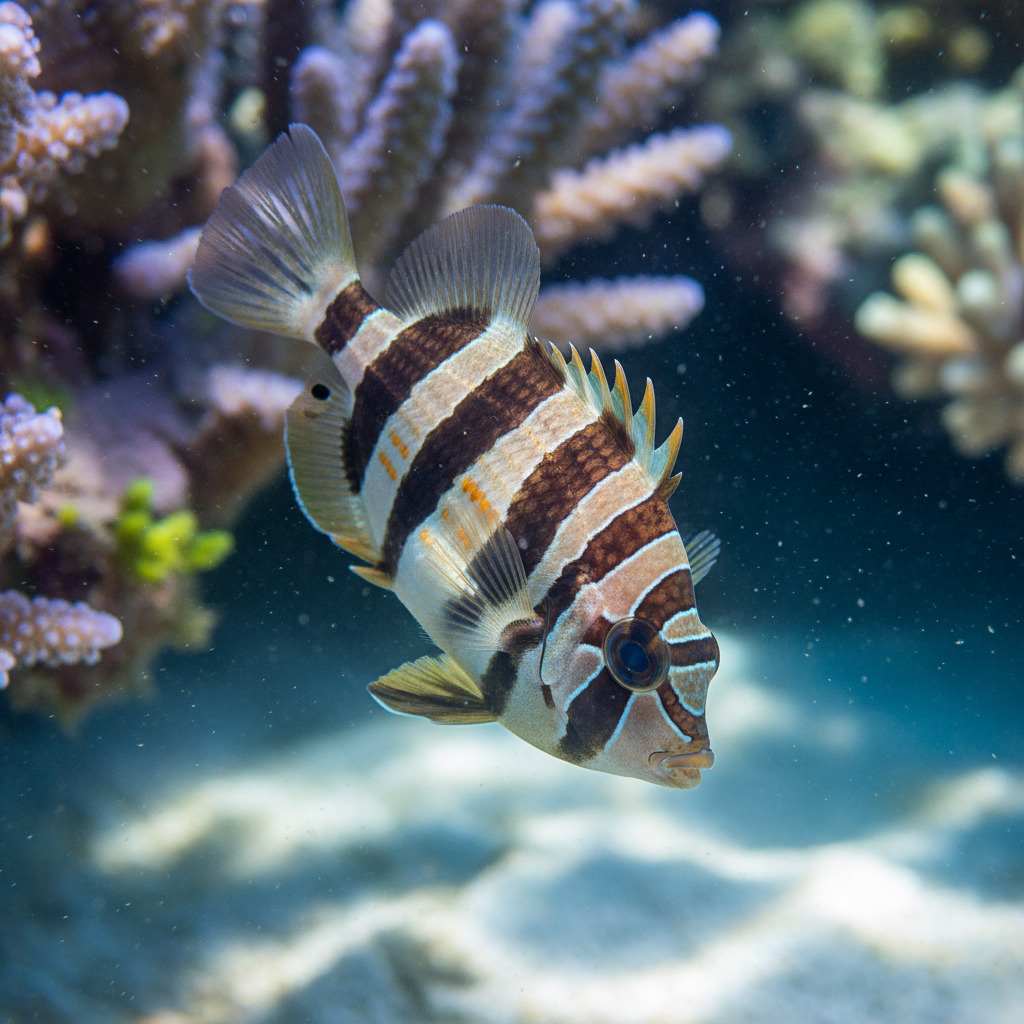
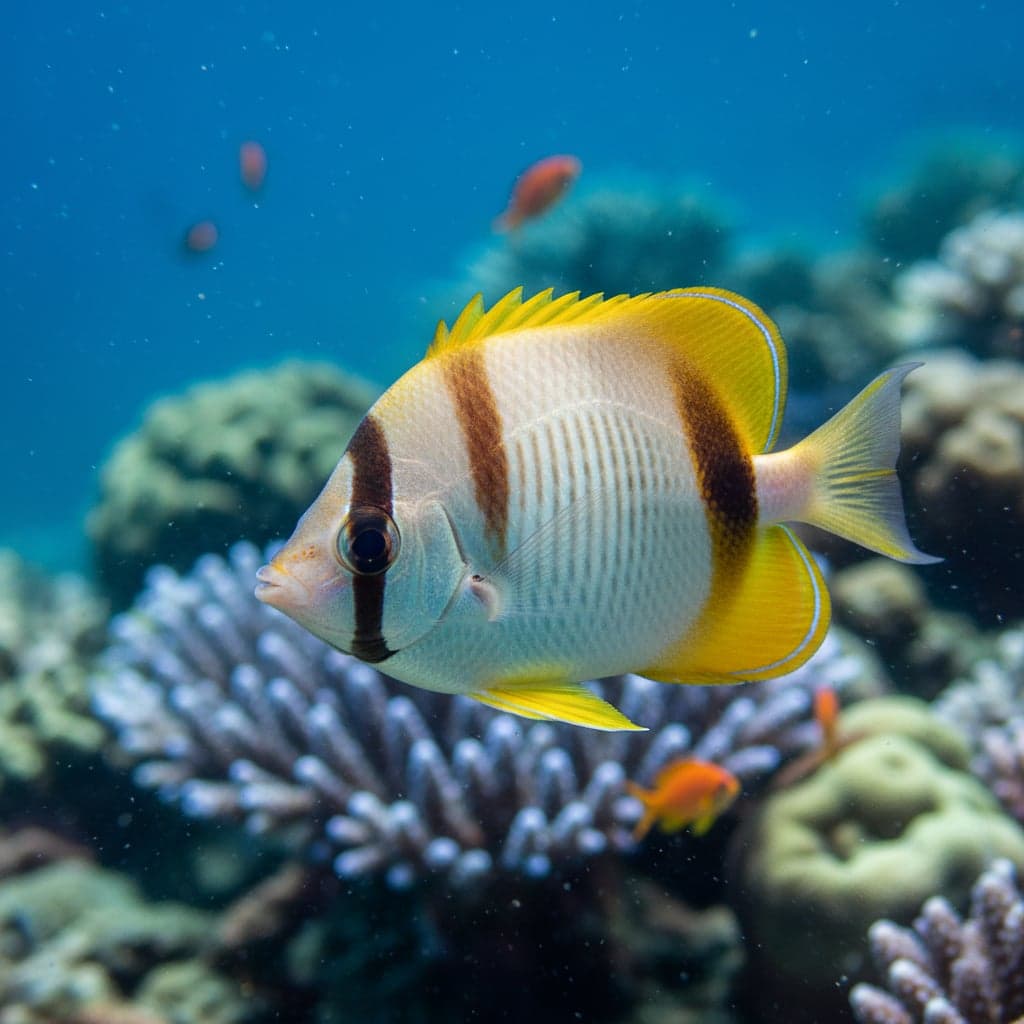
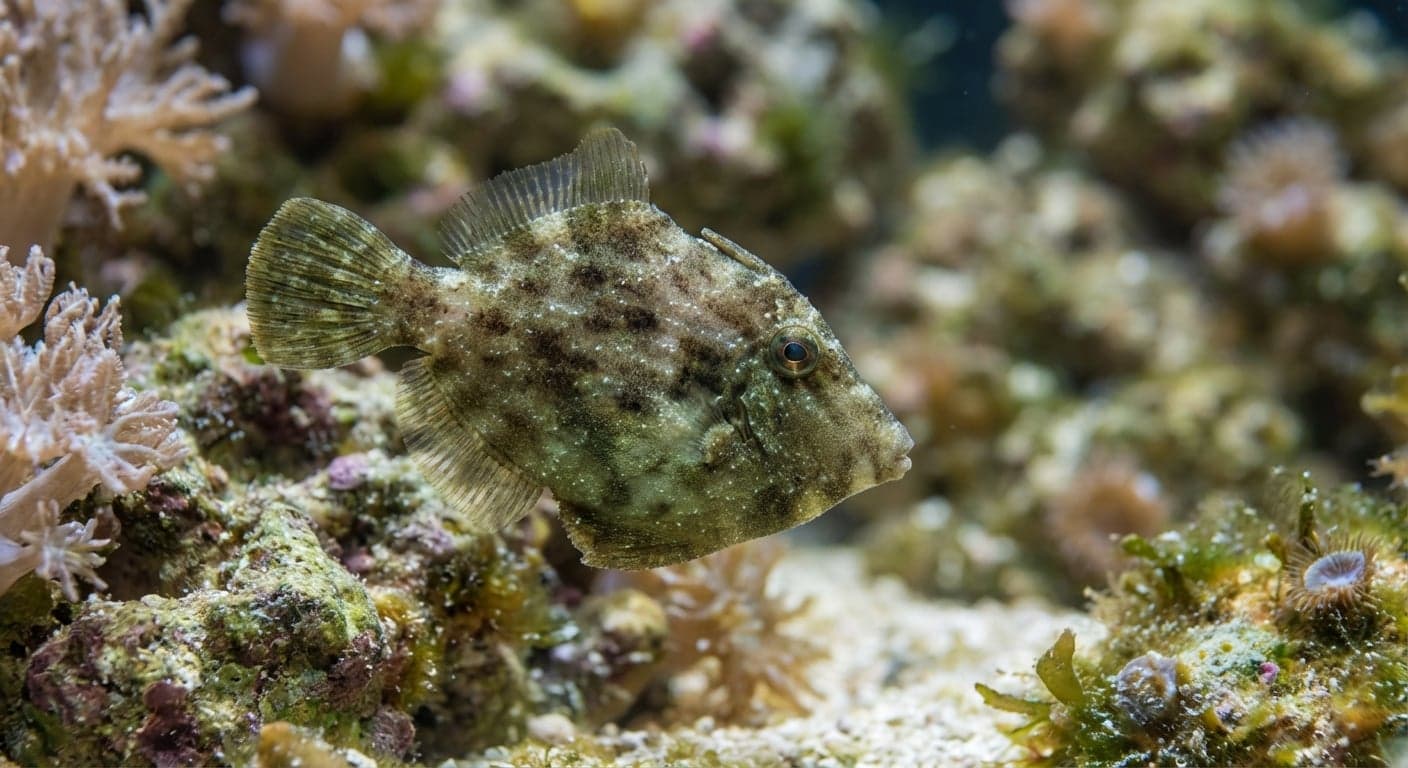
The Mimic Filefish (Paraluteres prionurus), also called the blacksaddle or false puffer, is one of the reef’s great impostors. It has evolved to closely mimic the saddled toby (Canthigaster valentini) — a fish whose flesh is toxic and which predators avoid. By copying the toby’s colours, pattern and even its deliberate swimming style, the harmless filefish gains protection it does not possess itself. Biology and looks both earn the tank space.
Despite the disguise, it is a filefish, with a filefish’s varied appetite and filefish feeding habits. It is peaceful toward other fish and engaging to watch — and it is not a beginner feeder. Individuals can be slow, selective or stubborn about prepared foods after shipping; proving a solid diet in quarantine is part of owning this species, not an optional extra. Frontmatter lists pair because wild fish often travel as couples; in a home aquarium that means a compatible pair when available, not a crowd forced into 115 litres.
Natural Habitat & Origin
Paraluteres prionurus occurs across the Indo-Pacific on coral reefs, often in pairs, drifting among coral heads and rock as it forages. The resemblance to the toxic toby lets it move more openly than most small fish of similar size. It is not a puffer: the jaws, diet and husbandry risk profile are filefish, not tetraodontid.
In the aquarium it wants live rock with crevices for shelter and grazing, calm to moderate flow, and tankmates that will not steal every meal. A high-energy community of damsels and large wrasses is the wrong stage for a deliberate mimic that needs time at the food.
Care Requirements
Stable marine water: salinity about 1.024–1.026, pH 8.1–8.4, temperature 24–26°C (75–79°F). Adults reach about 11 cm (4.3 inches). The listed minimum of around 115 litres (30 US gallons) works for a single fish or a settled pair if the rockwork gives shelter and foraging surface — not a barren cube with one cave.
It is relatively hardy once eating and settled, but “hardy” does not mean “throws food at the glass and thrives.” Quarantine every arrival. Marine ich (Cryptocaryon irritans) and marine velvet (Amyloodinium ocellatum) still follow shipping stress; more importantly, QT is where you prove feeding before the display’s faster fish make the problem worse. See medications and a proper quarantine protocol. Copper and related therapeutics belong in hospital tanks, not on mixed reefs.
Use the Aquarium Tracker to log salinity and temperature; slow chemistry drift plus a fish that already feeds cautiously is how keepers lose condition without noticing until the belly is pinched.
Diet & Feeding
Omnivore with a broad wild diet: algae, small invertebrates and, importantly, coral polyps and other sessile tissue when available. That last item is why reef keepers treat the species with caution even when the fish looks peaceful.
In captivity offer variety and frequency: frozen mysis and enriched brine shrimp, finely chopped seafood, marine preparations, and foods with marine algae content. Several small meals a day suit a deliberate forager better than one evening dump that anthias and damsels clear first.
This is not a beginner feeder. Some specimens take prepared foods promptly; others ignore pellets for days, accept only one frozen item, or lose weight quietly while looking “fine” at the glass. Target-feed if needed. Live black worms, pods or other small live foods can bridge a stubborn import — then wean toward frozen so the display diet is sustainable. A well-fed fish is less likely to sample coral; a thin fish will. Prove appetite and body condition in QT before the reef. Marine diets and feeding schedules help, but observation beats any schedule if the fish is not actually eating.
Behavior & Temperament
Peaceful and deliberate toward other fish. It mixes well in a calm community and is often kept as a pair when both fish settle. It rarely troubles tankmates; it spends its time drifting and foraging among rockwork with the toby-like hover that makes the mimic so convincing.
Avoid aggressive or fast tankmates that outcompete it at feeding time or harass it into cover. Stress and hunger are the usual paths to coral nipping and weight loss — not a sudden change into a “mean” filefish.
Tank Mates
Good companions are peaceful reef fish — common clownfish, gobies, smaller wrasses, cardinalfish and similar calm stock. In a reef, treat it with caution: like other filefish it may nip coral polyps, clam mantles and some ornamental invertebrates. Safest homes are fish-only systems or reefs stocked with hardy corals the keeper can afford to lose tissue on. Notably, do not confuse it with — or expect it to behave like — the toxic puffer it imitates; the toby’s chemical defence is not part of the costume.
Breeding
Paraluteres prionurus forms pairs and is a substrate spawner. Pair bonding and nesting behaviour are occasionally observed; rearing the larvae is rarely accomplished in the home aquarium. Trade specimens are wild-collected. Captive breeding is not a shop-floor normal that removes the need to quarantine and prove feeding.
Common Health Issues
Reasonably hardy once eating, still vulnerable to ich and velvet under stress. The distinctive risk for this species is nutritional: as a slow, selective feeder it can lose condition if outcompeted or if the keeper assumes “peaceful omnivore” means “eats anything on day one.” Quarantine, target feeding, calm tankmates and stable water keep the mimic what it should be — an engaging impostor with a real appetite for variety, not a beginner’s first marine fish chosen for the cute puffer look.
Given a proven diet, rock to forage and a peaceful stage, Paraluteres prionurus is a rewarding Intermediate fish whose biology is as interesting as its pattern. Skip the feeding work and the same charming mimic becomes a thin, polyp-nipping disappointment.