Twinstar Sterilizer: Algae Control for Aquascapers
Explore if Twinstar Sterilizer truly prevents algae in tanks. Discover its effectiveness and how it enhances plant health. The reality vs. claims.
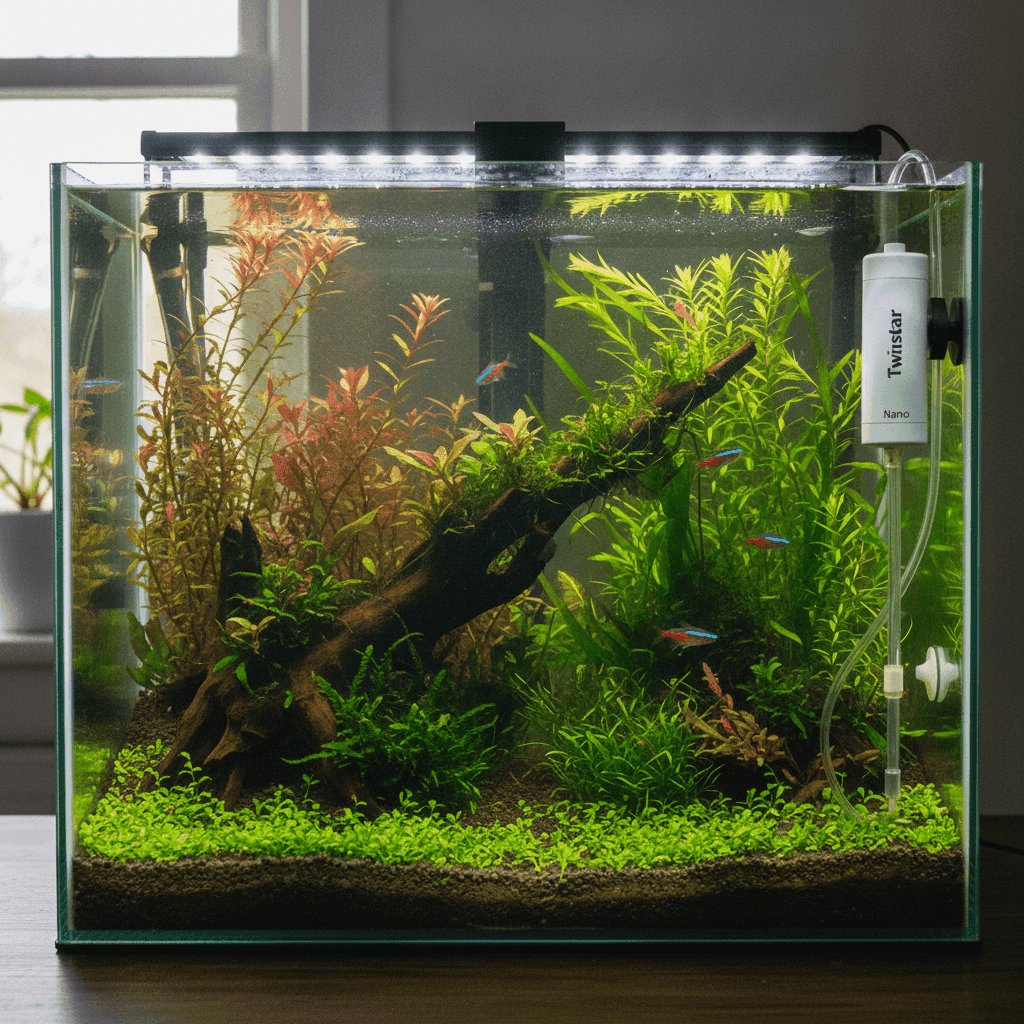
Twinstar Sterilizer: Does It Prevent Algae? Claims vs. Reality
The Twinstar Sterilizer is creating buzz among aquarium enthusiasts looking for effective ways to control algae. Marketed as an advanced tool to curb algae growth and boost plant health, it appeals especially to beginner aquarists aiming for a harmonious balance between a clean tank and thriving aquatic life. This device uses electrolysis, offering an alternative to traditional cleaning methods. For those new to aquascaping, understanding this device and its effectiveness is key to making an informed purchase.
This article delves into the Twinstar Sterilizer's mechanics, user experiences, and how to incorporate it into your aquarium. Whether you're considering your first sterilizer or adding one to an existing setup, this guide will help you assess the Twinstar's promises against reality.
What is a Twinstar Sterilizer?
The Twinstar Sterilizer is engineered to reduce algae in freshwater aquariums using electrolysis. Unlike filters or chemical treatments, it splits water molecules to create a biological sterilization effect, aiming to curb algae spores at their earliest stages. This allows plants to grow better without chemical interference, maintaining a natural tank environment.
The Twinstar Nano is particularly notable for nano aquariums, offering compact efficiency for smaller tanks. Other models serve larger setups, providing flexibility across different tank sizes. The Twinstar Nano incorporates the same technology, scaled for limited spaces, ensuring chemical-free algae prevention.
Primarily, Twinstar works by preventing algae spores from establishing, lowering algae competition and promoting healthier plant life without harming tank residents.
Does Twinstar Sterilizer Prevent Algae? A Direct Answer
Can the Twinstar Sterilizer prevent algae? Yes, it can help reduce algal growth. According to manufacturers, it not only suppresses algae but also encourages plant growth. Many users agree with these claims, though results can vary depending on tank conditions and existing maintenance practices.
Beginners have noted a significant decrease in algae after using a Twinstar. However, it's important to note that it doesn't eliminate algae entirely; rather, it helps manage it to a more controllable level. For newcomers, a cleaner tank not only looks appealing but also simplifies maintenance and enhances plant growth.
Technology Behind Twinstar: How Does It Work?
The Twinstar Sterilizer leverages electrolysis, a technology that sets it apart from other methods. Unlike traditional approaches that focus on filtering or chemicals, Twinstar uses electrolysis to generate oxygen microbubbles and active ions, which break down beginning-stage algae cell walls.
This process not only targets algae but also promotes plant health by increasing resistance to diseases. The oxygen boost from electrolysis fosters beneficial bacteria, stabilizing the aquarium's ecosystem. This method is preventative and creates a healthier aquatic environment.
Twinstar’s chemical-free approach avoids harm to tank life, making it seamlessly adaptable to various aquatic setups without altering water chemistry.
Evaluating Twinstar's Effectiveness: Claims vs. Reality
When comparing manufacturer claims to user experiences, the Twinstar generally lives up to expectations, with some variations based on other influencing factors like tank size and water quality.
Advantages of using a Twinstar include its ease of maintenance and elimination of chemical costs. Users often spend less time cleaning and notice improved plant vitality. However, it is not a cure-all; it requires regular maintenance and doesn’t address the root causes of algae, such as overfeeding or excessive lighting. [Learn more about mastering aquarium fertilizer dosing to enhance plant health.]
Compared to chemical inhibitors, Twinstar is safer for aquatic life as it doesn’t alter water conditions. However, it is most effective when paired with regular cleaning practices.
Practical Steps for Using Twinstar Sterilizer in Your Aquarium
Setting up a Twinstar Nano sterilizer is straightforward. First, find a spot in your tank with optimal water flow to ensure even ion distribution. Connect to a power source and control unit, and the sterilizer will run without affecting other equipment.
It’s crucial to integrate Twinstar thoughtfully with your existing hardware. Watch your tank in the initial weeks and adjust placement if needed.
Maximize its effectiveness by pairing it with appropriate lighting and nutrient dosages, balancing conditions to minimize algae-friendly environments while supporting plant health. [Effective aquarium CO2 system setup can assist in promoting plant growth.]
Common Mistakes When Using a Twinstar Sterilizer
Placing the Twinstar incorrectly can reduce its performance. Ensuring proper water circulation and surface agitation helps its ions spread effectively.
Another mistake is neglecting basic maintenance. While Twinstar is low-maintenance, periodic checks and cleaning prevent build-up that could hamper its function.
Misunderstanding its role can lead to abandoning essential tank upkeep. Remember, the Twinstar complements your cleaning routine; it doesn’t replace it. Maintaining tank health still requires a comprehensive approach combining technology with physical cleaning and consistent water quality checks. Consider following a Green Spot Algae Removal: Effective 7-Day Action Plan to enhance tank maintenance.
Twinstar Sterilizer and Your Aquarium’s Health: A Final Thought
Adding a Twinstar Sterilizer can benefit both algae control and overall tank health. By offering a novel method to tackle algae and enhance plant growth, it keeps the entire aquatic environment in mind, simplifying management tasks.
Achieving a balance between inhibiting algae and nurturing plants is particularly beneficial for beginners, letting them focus on growth instead of problems. Consider the Twinstar as a supportive tool within a broader strategy that includes diligent planting, regular maintenance, and effective tank management. Explore Plant Care Basics for Planted Tanks for more foundational tips.
FAQ
How does the Twinstar Nano sterilizer differ from other models?
The Twinstar Nano sterilizer is tailored for smaller tanks. It retains all the benefits of larger models, utilizing electrolysis for algae control in limited spaces.
Can the Twinstar be harmful to aquarium plants or fish?
Generally, Twinstar devices are safe for fish and plants. The minimal impact on water parameters means they’re friendly to tank inhabitants when standard maintenance is followed.
How often should the Twinstar be maintained?
Perform a monthly check on the Twinstar unit. Clean any debris to maintain its efficiency. Pristine electrodes are key to sustained performance.
What are some alternatives to the Twinstar for algae control?
Effective alternatives include UV sterilizers, chemical inhibitors, and manual cleaning. Combining these with regular maintenance creates a solid algae control strategy. Explore different methods through Diatom Algae Aquarium: Understanding & Managing Tips.
Does using a Twinstar eliminate the need for regular tank cleaning?
While Twinstar helps manage algae levels, it doesn’t replace regular cleaning. Continuous upkeep like water changes and substrate cleaning is essential for optimal tank health. Check out our Substrate Guide: Aquarium Soil vs Inert + Root Tabs for comprehensive tips on substrate management.