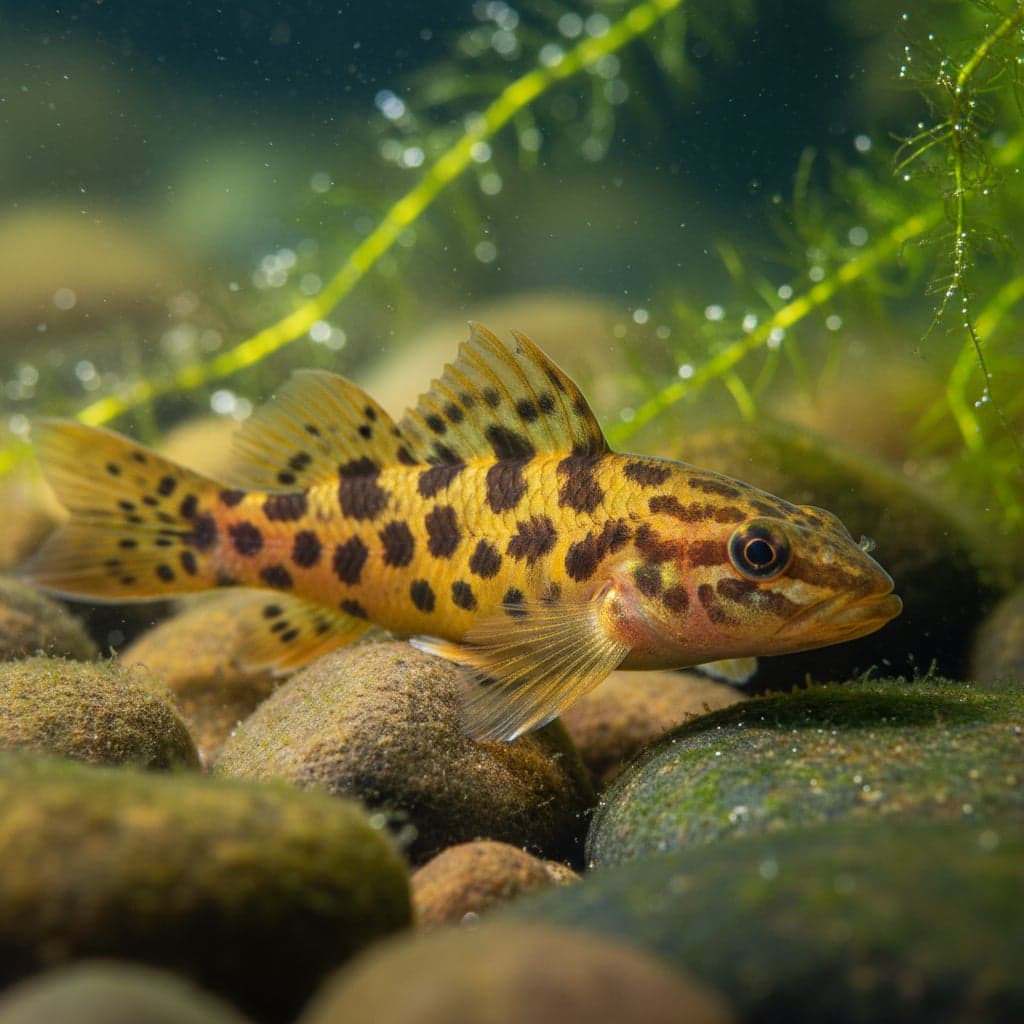
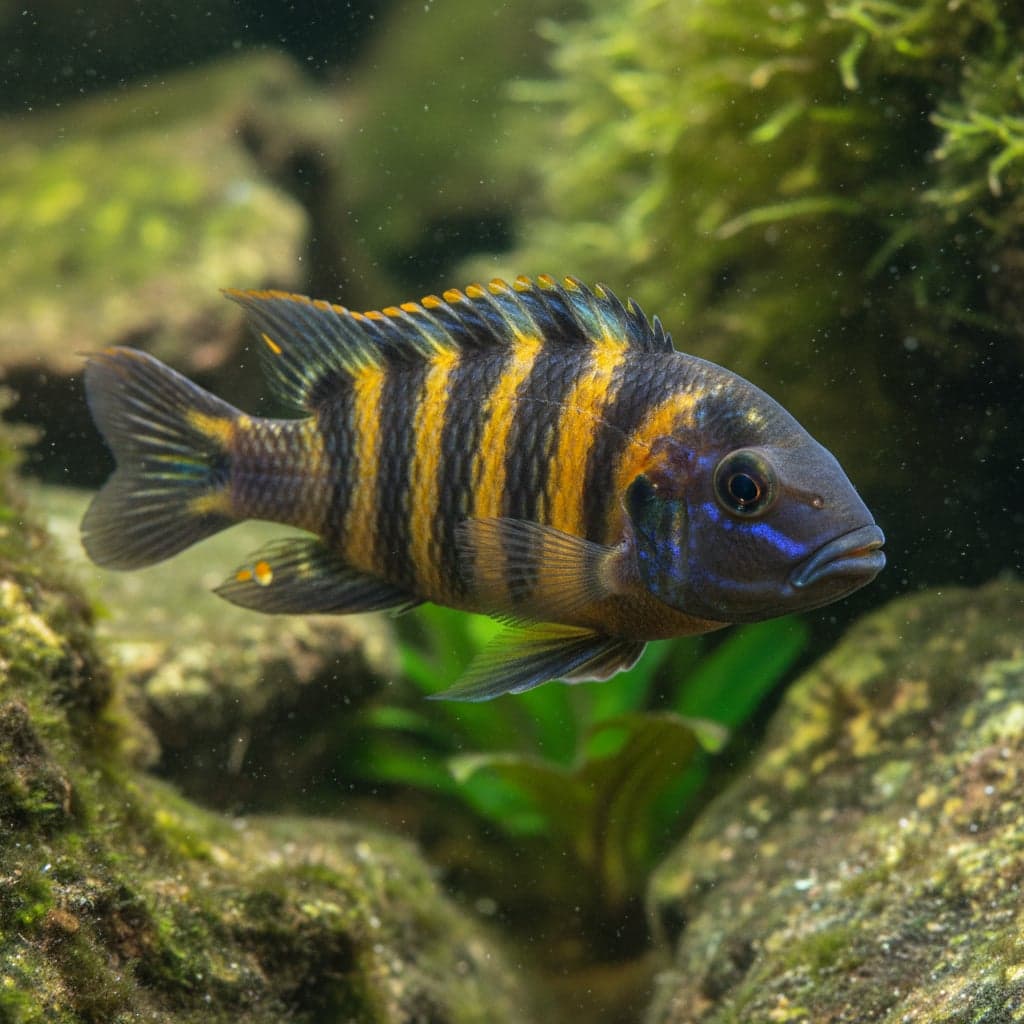
Neet Cichlid: Neetroplus nematopus
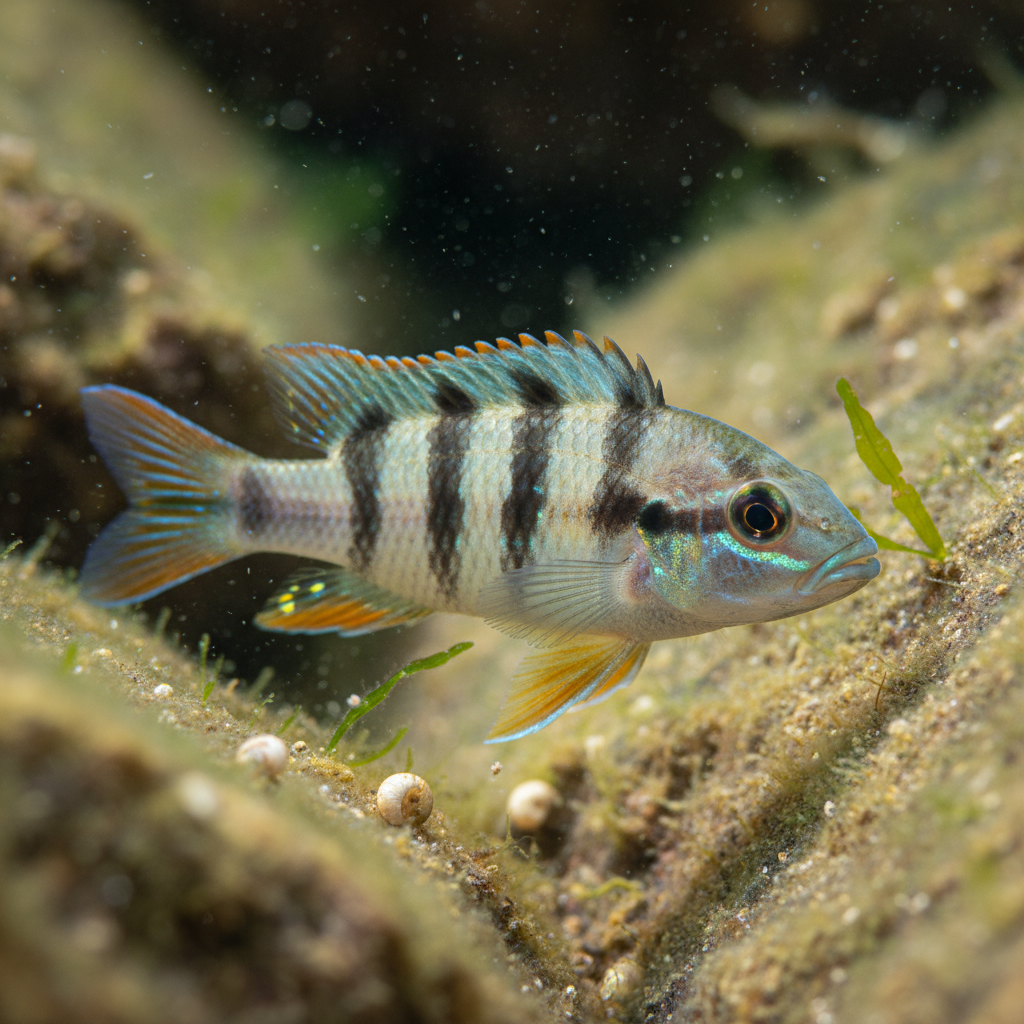
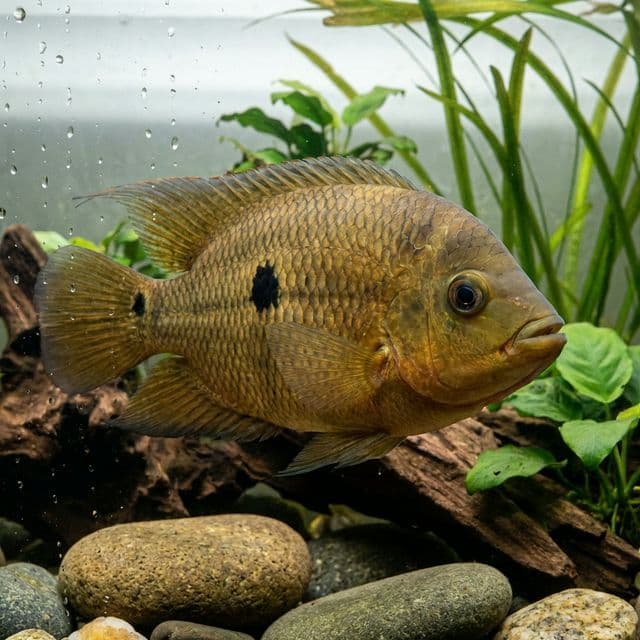
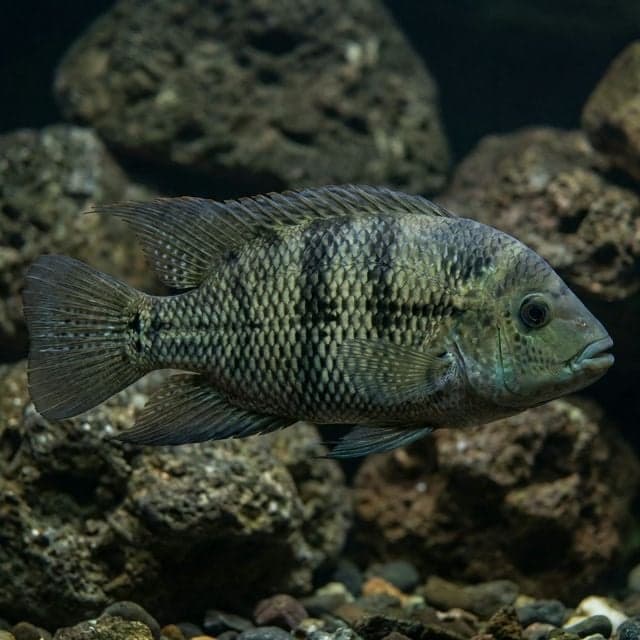
A tiny, unassuming grey Central American cichlid possessing an attitude that rivals marine triggerfish.
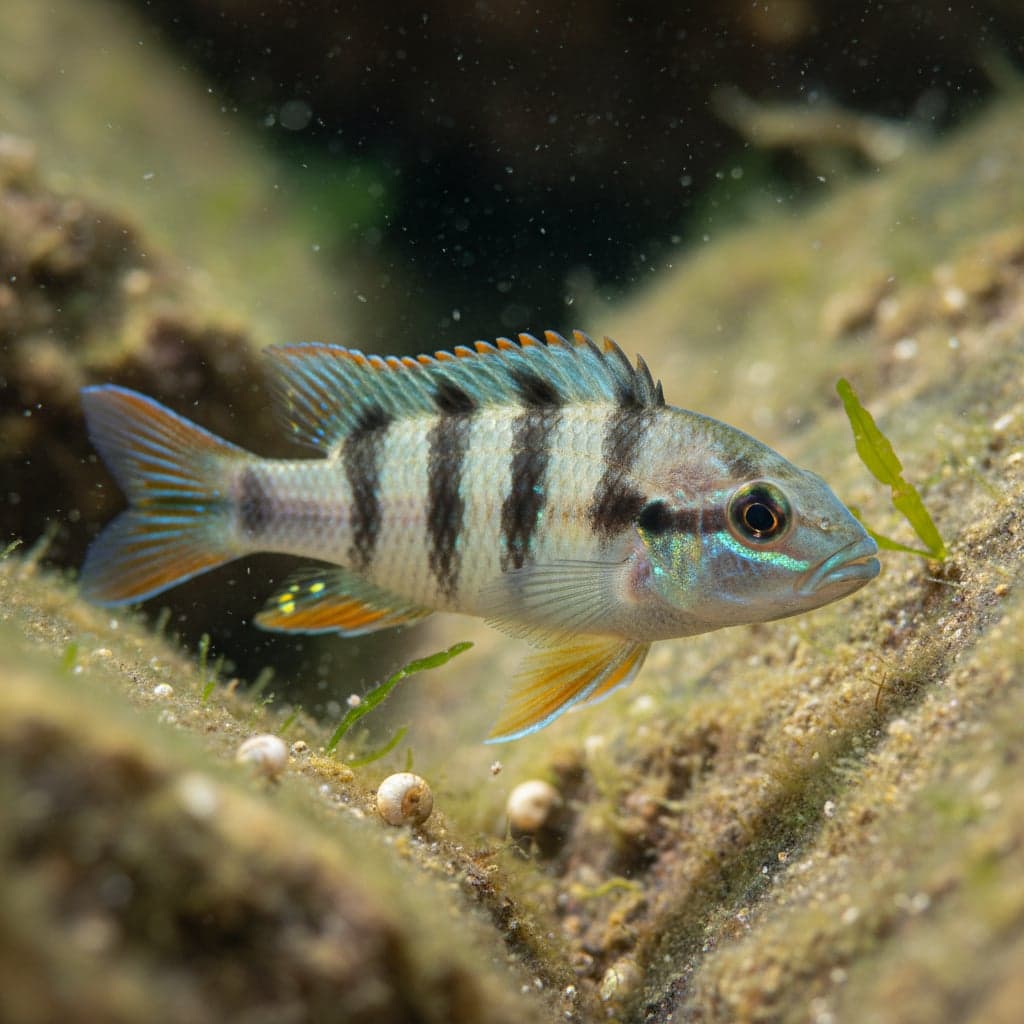
Neet Cichlid
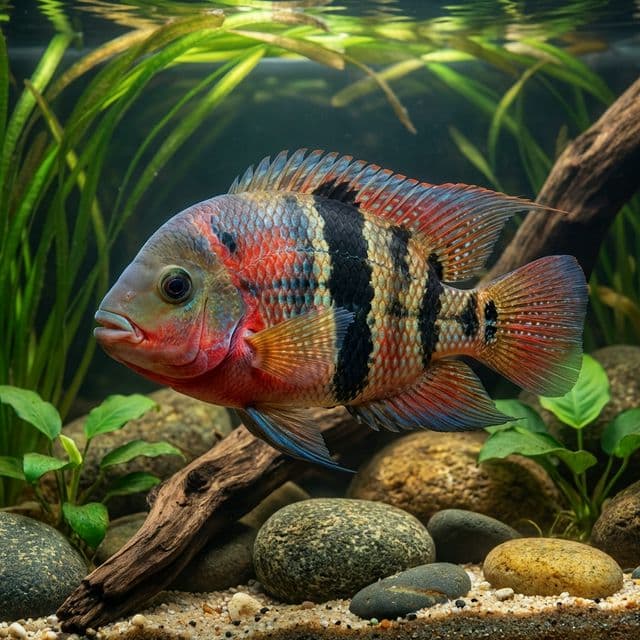
The Neet Cichlid, scientifically known as Neetroplus nematopus, is a visually striking species belonging to the family Cichlidae. Originally hailing from the slow-moving waters of Lake Malawi and parts of river systems in Africa, this fish is known for its stunning coloration and unique patterns. The Neet Cichlid typically showcases vibrant hues of blue and yellow, which make them a captivating addition to various aquarium setups. Their endearing personality and active swimming behavior only further enhance their appeal, making them a sought-after species among both novice and seasoned aquarists.
In the aquarium hobby, the Neet Cichlid is appreciated not just for its aesthetic qualities but also for its resilience and adaptability in captive environments. As a relatively hardy fish, it can thrive in well-maintained aquariums, offering enthusiasts an opportunity to observe its complex behaviors and social interactions. These fascinating fish add a dynamic element to community tanks, and their natural curiosity encourages interaction with their keepers, making them a favorite choice for those looking to enrich their aquatic landscapes.
Natural Habitat & Origin
The Neet Cichlid originates from the lush freshwater environments found in the African Great Lakes, particularly in Lake Malawi, where it's drawn to the soft, slow-moving waters rich in organic materials. This natural habitat consists mostly of blackwater environments characterized by lower light levels and a diverse array of aquatic plants and structures. These environments are essential in providing the necessary refuge and breeding grounds for the Neet Cichlid, which thrives amidst such environments. The water is typically soft and slightly acidic, making it crucial for aquarists to replicate these conditions for optimal health and well-being.
In addition to their lake habitats, Neet Cichlids can also be found in rivers and streams ranging from clearwater to shaded areas. Such diversity in their natural environment influences their adaptability to various water conditions in captivity. Keeping their original habitat in mind allows aquarists to create a more enriching environment that mimics the Neet's natural surroundings, making for happier and healthier fish.
Care Requirements
When preparing to house Neet Cichlids, it's essential to ensure that their care requirements are met effectively. Ideal water parameters for Neet Cichlids include a pH range of 6.0 to 7.5, a water temperature between 75°F to 80°F (24°C to 27°C), and a water hardness of 5 to 12 dGH. It's important to maintain these parameters consistently, as fluctuations can lead to stress and health issues. Regular water changes, along with a robust filtration system, will help maintain water quality.
For optimal tank setup, it's recommended to provide a minimum tank size of 30 gallons to allow for adequate swimming space and territorial establishment. A sandy substrate mimics their natural habitat, promoting a comfortable environment for foraging. Include plenty of hiding spots using rocks, driftwood, and plants to create territories and reduce stress. Moderate lighting is ideal, as Neet Cichlids prefer dimmer conditions similar to their natural blackwater ecosystems. Incorporating live plants can help enhance water quality and replicate the biological diversity of their native waters.
Diet & Feeding
The Neet Cichlid is an omnivorous species, enjoying a varied diet that supports their active lifestyle and maintains their health. In captivity, it's recommended to provide a balanced diet consisting of high-quality pellets and flakes that are specially formulated for cichlids. These commercially prepared foods usually contain essential nutrients and vitamins necessary for their growth and coloration.
In addition to dry foods, Neet Cichlids benefit from a diet supplemented with frozen or live foods, such as brine shrimp, daphnia, and bloodworms. Offering these protein-rich snacks enhances their coloration and stimulates natural behaviors, including foraging and hunting, which are vital for their overall well-being. Be sure to feed them small amounts 2-3 times a day, ensuring that all food is consumed to maintain water quality.
Behavior & Temperament
Neet Cichlids exhibit captivating social behavior, often establishing complex hierarchies within their environment. They are generally peaceful; however, the males can display territorial aggression, especially during breeding periods. It is best to keep a single male with multiple females to minimize aggression and promote a cooperative environment. They may also show signs of hierarchies when kept together in groups, making it advantageous to provide ample space and hiding spots for all individuals.
These fish prefer to inhabit the middle and lower regions of the tank, often swimming in and around plants and decorations. Their inquisitive nature encourages them to explore their surroundings actively, engaging in a variety of horizontal and vertical movements as they establish their territory. By providing an enriching environment with structures to investigate, you're more likely to observe their delightful antics.
Tank Mates
Choosing compatible tank mates for Neet Cichlids is essential for fostering a peaceful community aquarium. Suitable companions include larger tetras, peaceful barbs, and other non-aggressive cichlids. Some acceptable species include the Rainbowfish, Harlequin Rasbora, and certain types of Gouramis. These fish are generally peaceful and have similar water parameter needs, making them ideal tank mates for a Neet Cichlid environment.
Conversely, it is crucial to avoid smaller, more aggressive fish or those known for fin-nipping. Species like bettas, angelfish, or smaller tetras may pose a threat to the Neet Cichlid or become victims of territorial disputes. Always consider the adult size, aggression levels, and swimming habits of potential tank mates to ensure compatibility within the aquarium.
Breeding
Breeding Neet Cichlids in captivity requires replicating their natural spawning conditions to encourage successful reproduction. These fish exhibit mouthbrooding behavior, where females carry fertilized eggs and fry in their mouths until they are sufficiently developed. To induce spawning, it is beneficial to maintain stable water parameters, enhance the quality of the diet, and ensure an environment rich in hiding spaces and breeding sites.
During the breeding process, males will display courtship behaviors, which may include vibrant coloration and fin displays to attract the female. Once fertilization occurs, the female Neet Cichlid will incubate the eggs in her mouth for about 2 to 3 weeks before releasing the fry. During this time, it is essential to provide a calm environment and minimize the stress on both the male and female to ensure successful breeding and fry survival.
Common Health Issues
While Neet Cichlids are generally hardy, they can still be susceptible to various health issues. Common ailments include ich (Ichthyophthirius multifiliis), fin rot, and stress-related illnesses. Preventative measures involve maintaining optimal water quality, performing regular tank maintenance, and ensuring a balanced diet to keep the immune system robust.
Recognizing symptoms early, such as changes in behavior, discoloration, or loss of appetite, is vital for prompt treatment. Quarantining new arrivals, practicing good hygiene, and avoiding overstocking in the aquarium can greatly reduce the risk of disease. Always monitor the health of your Neet Cichlids to catch potential issues before they escalate, protecting the overall health of your aquatic community.