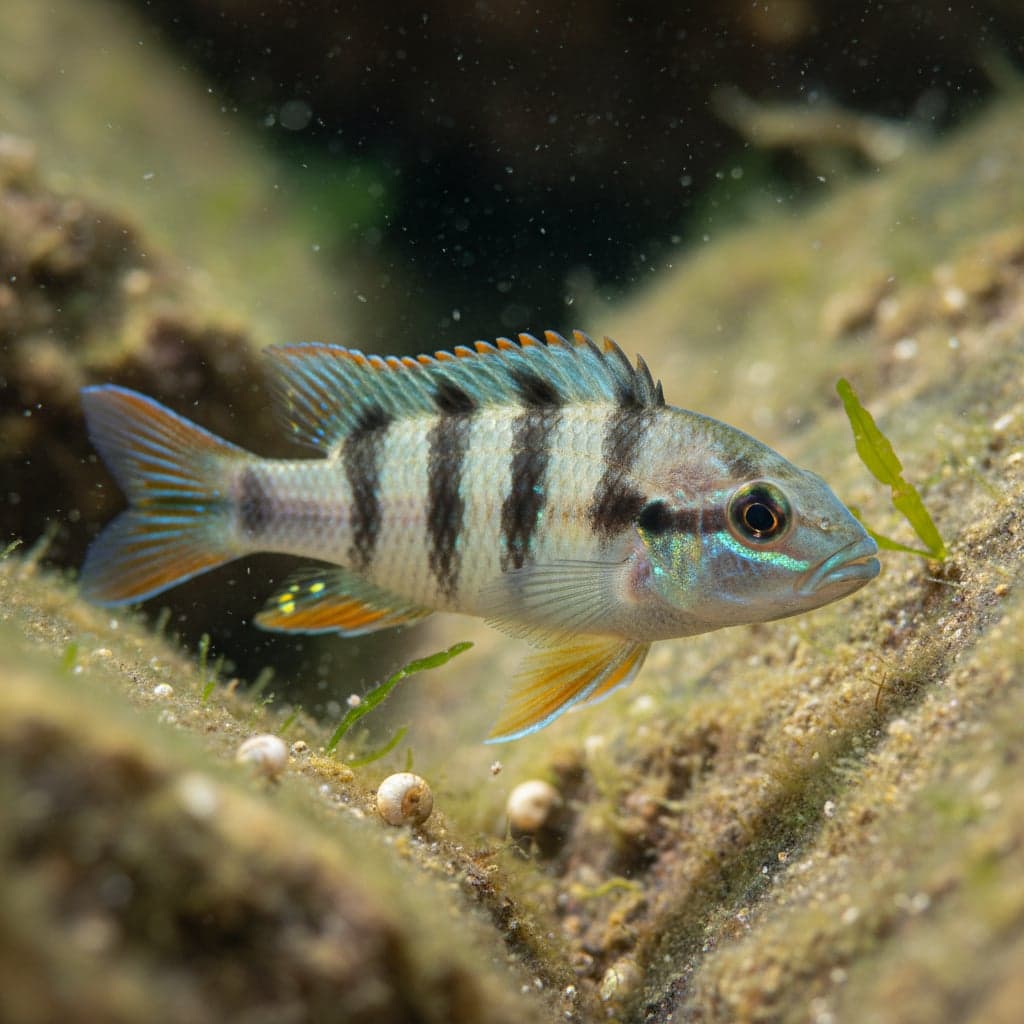
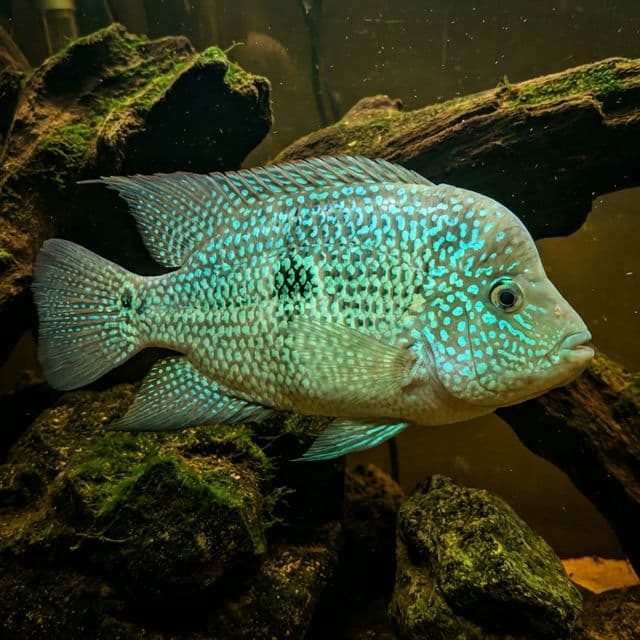
Fenestratum Cichlid: Paratheraps fenestratus
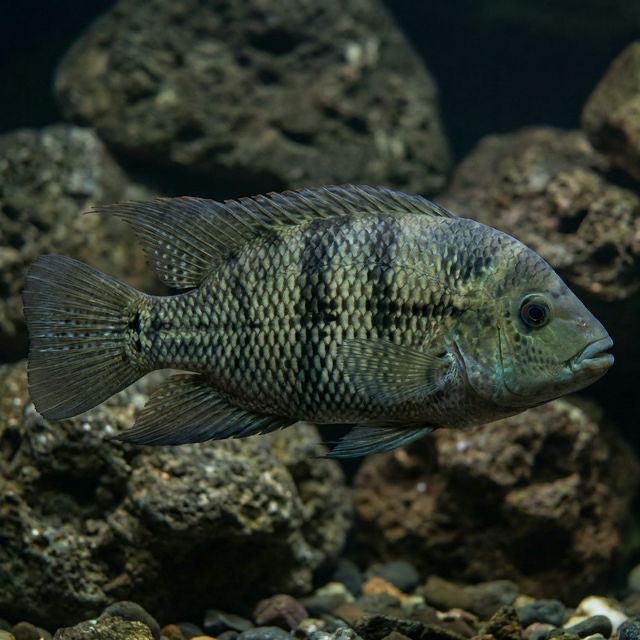
A large, beautiful Central American cichlid with checkered scales and a massive nuchal hump.
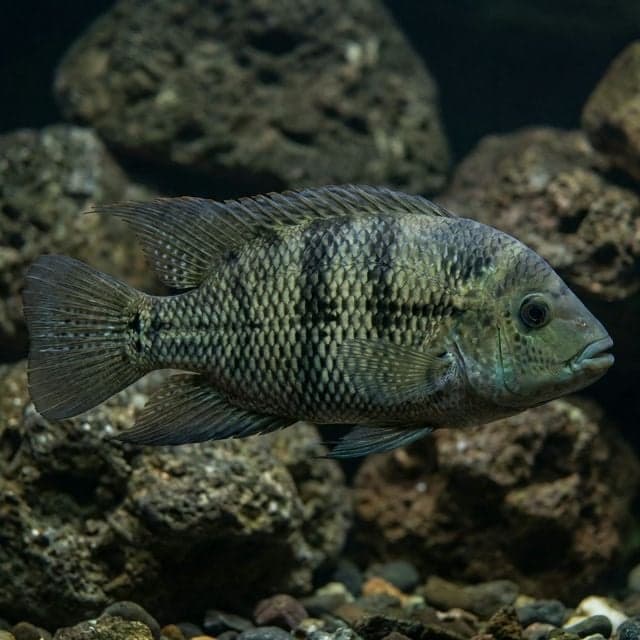
Fenestratum Cichlid
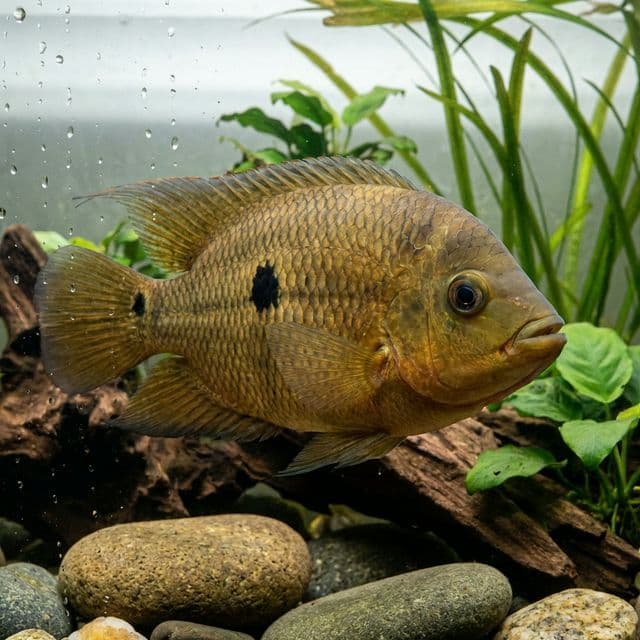
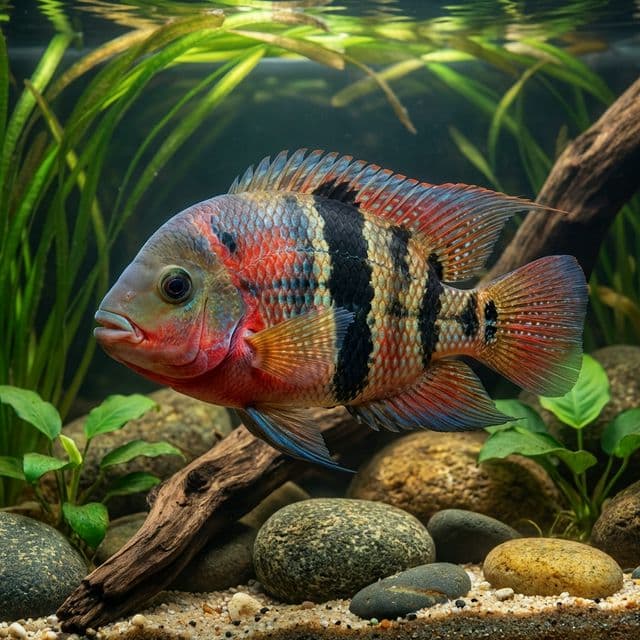
The Fenestratum Cichlid, known scientifically as Paratheraps fenestratus, is a stunning and captivating species native to Central America. This cichlid is characterized by its striking coloration, which often includes a mix of vibrant yellows, blues, and blacks. Its unique patterning features eye-catching vertical stripes and a mottled appearance, making it a visually appealing addition to both freshwater aquariums and display tanks. Beyond its aesthetic allure, the Fenestratum Cichlid holds significant value in the aquarium hobby due to its engaging personality and interesting behaviors, making it a popular choice among both novice and experienced aquarists.
As an intriguing member of the cichlid family, the Fenestratum Cichlid exhibits notable intelligence and a distinct personality, often interacting with its environment and the aquarist. This species is known to establish territories and exhibit complex social behaviors, which contribute to its popularity among fishkeepers who appreciate dynamic and interactive creatures. With proper care and a suitable environment, the Fenestratum Cichlid can thrive, providing a captivating experience for those who choose to keep it in their aquarium.
Natural Habitat & Origin
The Fenestratum Cichlid is primarily found in the freshwater rivers and lakes of Central America, specifically in regions such as Nicaragua and Costa Rica. It inhabits areas characterized by sandy substrates, submerged structures, and dense vegetation, which provide hiding spots and breeding grounds. The water in its natural habitat is typically soft and slightly acidic, often classified as clearwater. This species is frequently located in environments with slow-moving currents and plenty of cover, allowing it to thrive in both shallow and deeper waters.
In the wild, Fenestratum Cichlids are often found in areas with ample plants and rocky formations where they can display natural behaviors. This intricate habitat plays a crucial role in their development, offering protection from predators while also providing opportunities for foraging and social interaction with other fish. Understanding the natural environment of the Fenestratum Cichlid can help aquarists recreate a suitable habitat in captivity, promoting the health and well-being of these fascinating fish.
Care Requirements
To ensure the well-being of the Fenestratum Cichlid, it's essential to adhere to specific water parameters. This fish thrives in water with a pH range of 6.5 to 8.0, a temperature of 75°F to 82°F (24°C to 28°C), and a hardness of 5 to 15 dGH. When setting up a tank for these cichlids, a minimum tank size of 55 gallons is recommended, as they require ample swimming space and territory for their activities.
The tank setup should include a substrate of fine sand or smooth gravel to mimic their natural habitat. Incorporating decorations like rocks, driftwood, and dense plants creates hiding spots and encourages natural behaviors. Dim lighting is preferable, as it helps to create a secure environment where the Fenestratum Cichlid feels comfortable. Additionally, ensuring proper filtration is crucial to maintain water quality, as these cichlids are sensitive to poor water conditions.
Diet & Feeding
Fenestratum Cichlids are omnivores, which means they have a varied diet that includes both animal and plant matter. In captivity, a balanced diet is crucial for their health and coloration. High-quality flakes or pellets formulated for cichlids can serve as a staple food, but it is also vital to supplement their diet with frozen or live foods such as brine shrimp, bloodworms, and daphnia. Incorporating vegetable matter like spirulina flakes will enhance their nutritional variety and promote healthy digestion.
Offering diverse food options not only supports their overall health but also encourages natural foraging behavior, which keeps the Fenestratum Cichlid mentally stimulated. Feeding them 2-3 times a day, in portions they can consume within a few minutes, will help maintain optimum health and growth. It is important to avoid overfeeding, as it can lead to water quality issues and health complications.
Behavior & Temperament
The Fenestratum Cichlid is known for its unique behavior and temperament, displaying a range of social interactions that can vary based on its environment and tank mates. In general, they are semi-aggressive and exhibit territorial behavior, particularly during mating seasons or when establishing dominance. While they can be kept in community tanks, it is important to ensure that tank mates are compatible in temperament and not overly aggressive themselves, as this can lead to stress and health issues for the Fenestratum Cichlid.
Although they are often observed in pairs or small groups, it is best to provide ample space in the aquarium for each cichlid to establish its territory. They tend to prefer the middle to lower levels of the tank, using structure and scenery for cover. Regular interaction with their environment and engaging in established territories makes the Fenestratum Cichlid a fascinating species to observe, showcasing social hierarchies and habitual behaviors.
Tank Mates
When selecting tank mates for the Fenestratum Cichlid, it is essential to choose species that can coexist peacefully within a community setup. Compatible tank mates include larger, robust cichlids such as Convict Cichlids and Firemouth Cichlids, as well as other semi-aggressive species like Rainbowfish and certain types of barbs. Additionally, bottom-dwelling species like Corydoras catfish and armoured catfish can thrive alongside the Fenestratum Cichlid, provided they have enough space and hiding spots.
However, caution needs to be exercised when considering potential tank mates. Smaller or peaceful species, such as neon tetras or guppies, are likely to become targets for aggression. Furthermore, avoid pairing the Fenestratum Cichlid with fish that exhibit territorial or aggressive behaviors, as this could lead to stress and conflict within the tank. Ensuring compatibility among species promotes a harmonious aquarium environment where all inhabitants can thrive.
Breeding
Breeding Fenestratum Cichlids in captivity can be a rewarding experience for aquarists. This species typically exhibits a breeding ritual that includes elaborate courtship displays and vigorous preparation of a suitable spawning site. To encourage breeding, it is essential to provide a dedicated breeding tank with a substrate of fine gravel or sand, along with flat surfaces or caves where they can lay eggs. Water conditions should remain in the optimal range of pH 6.5 to 7.5 and temperature between 78°F to 82°F (26°C to 28°C) for successful spawning.
Once breeding occurs, the female will lay eggs on a flat surface, which the male will then fertilize. Both parents exhibit protective behaviors toward the eggs, fanning them to ensure proper oxygenation and guarding them against potential threats. After hatching, the fry require fine foods such as infusoria or powdered flakes until they grow large enough to eat more substantial offerings. Creating a secure environment with minimal disturbances will encourage successful breeding outcomes and raise healthy fry.
Common Health Issues
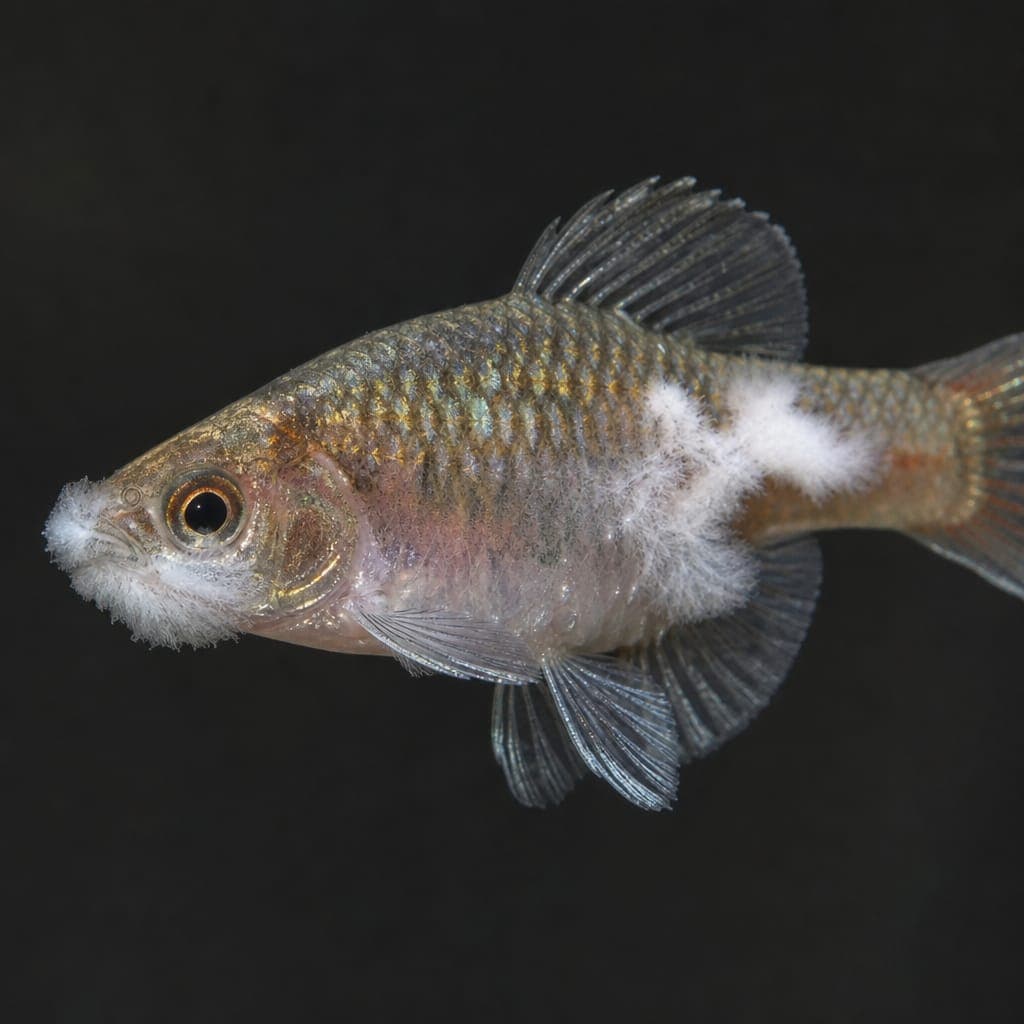
Fenestratum Cichlids, like many aquarium fish, are susceptible to certain health issues, particularly if water quality is not adequately monitored and maintained. Common problems include ich (Ichthyophthirius multifiliis), fin rot, and various forms of fungal infections. Regularly checking water parameters, performing partial water changes, and quarantining new arrivals will prevent most outbreaks before they start. Watch for white spots, frayed fins, cotton-like growths, or lethargy, and isolate affected fish for prompt treatment with suitable medications. Keep ammonia and nitrite at zero, avoid sudden temperature swings, and never overstock aggressive groups. Steady maintenance and a varied diet keep your Fenestratum Cichlids hardy, colourful, and resilient against common freshwater pathogens for years.