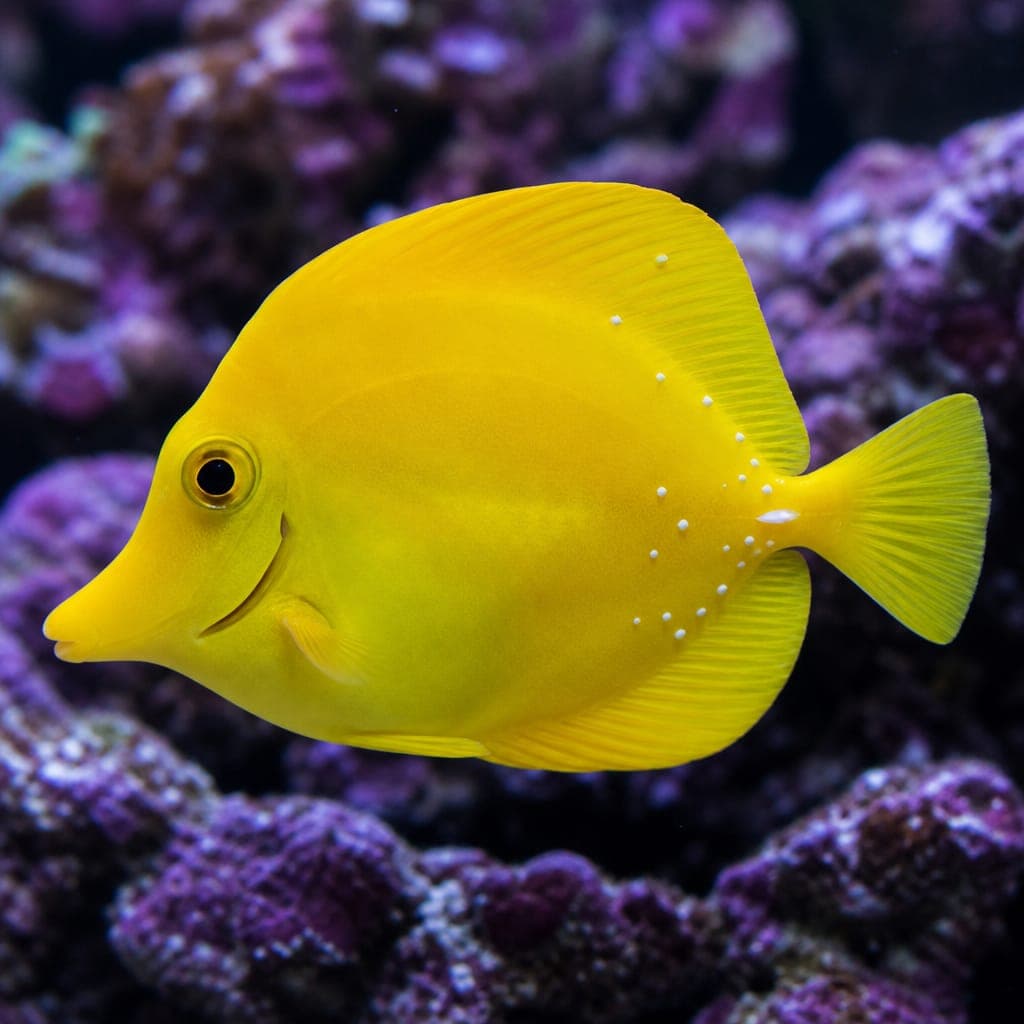
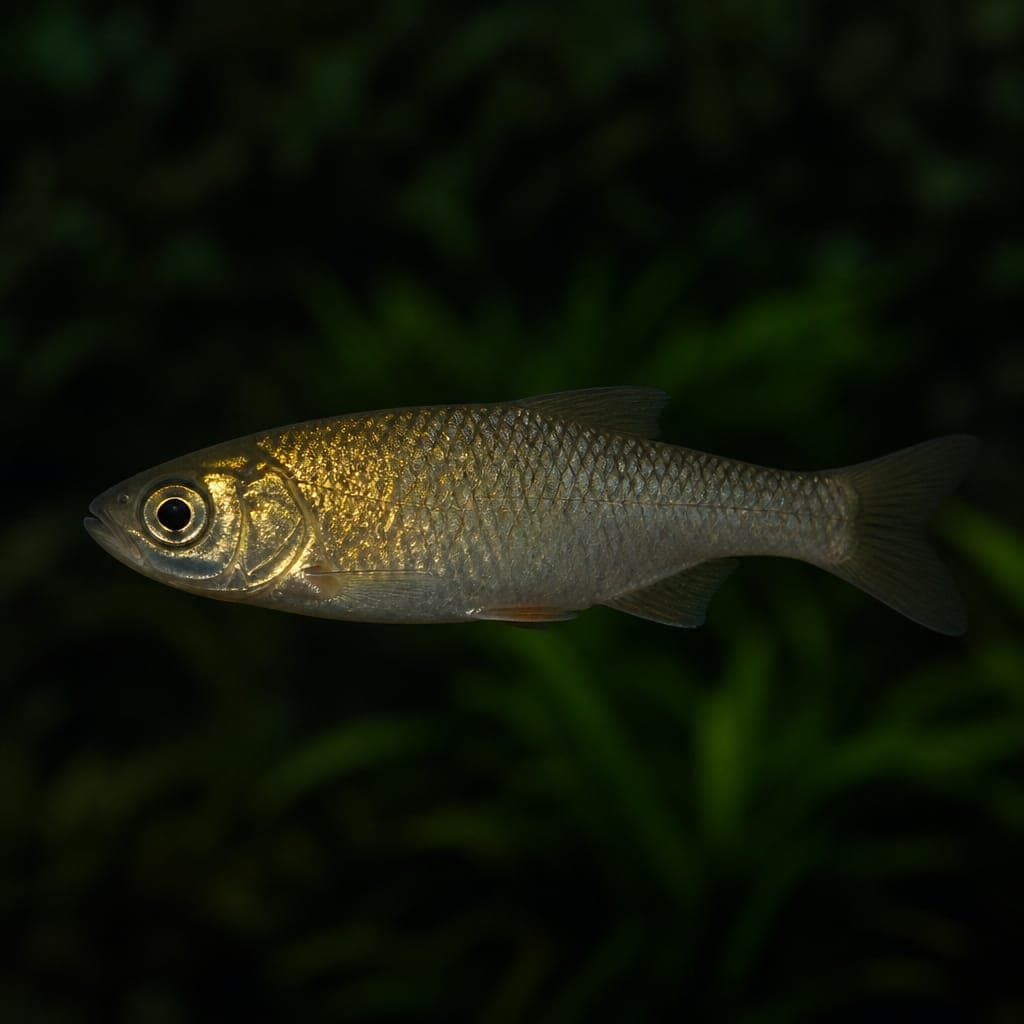
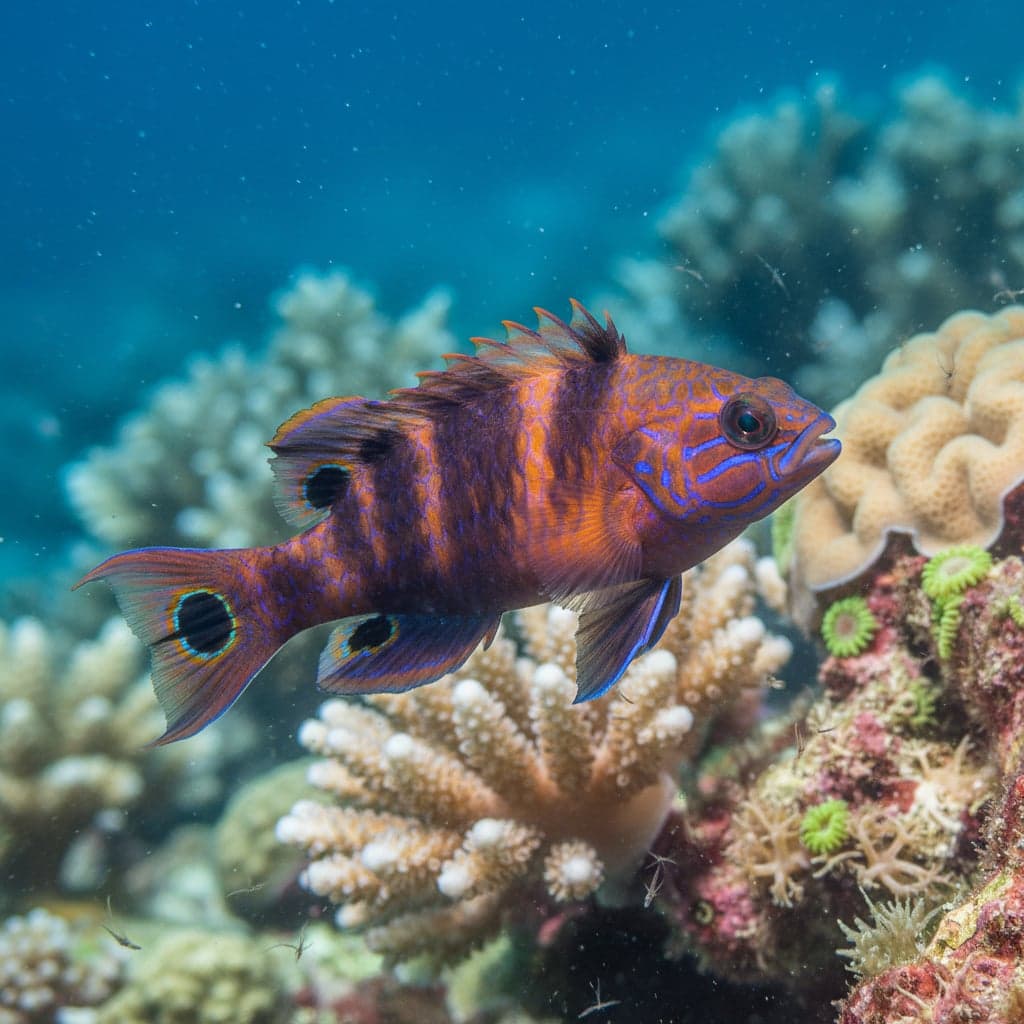
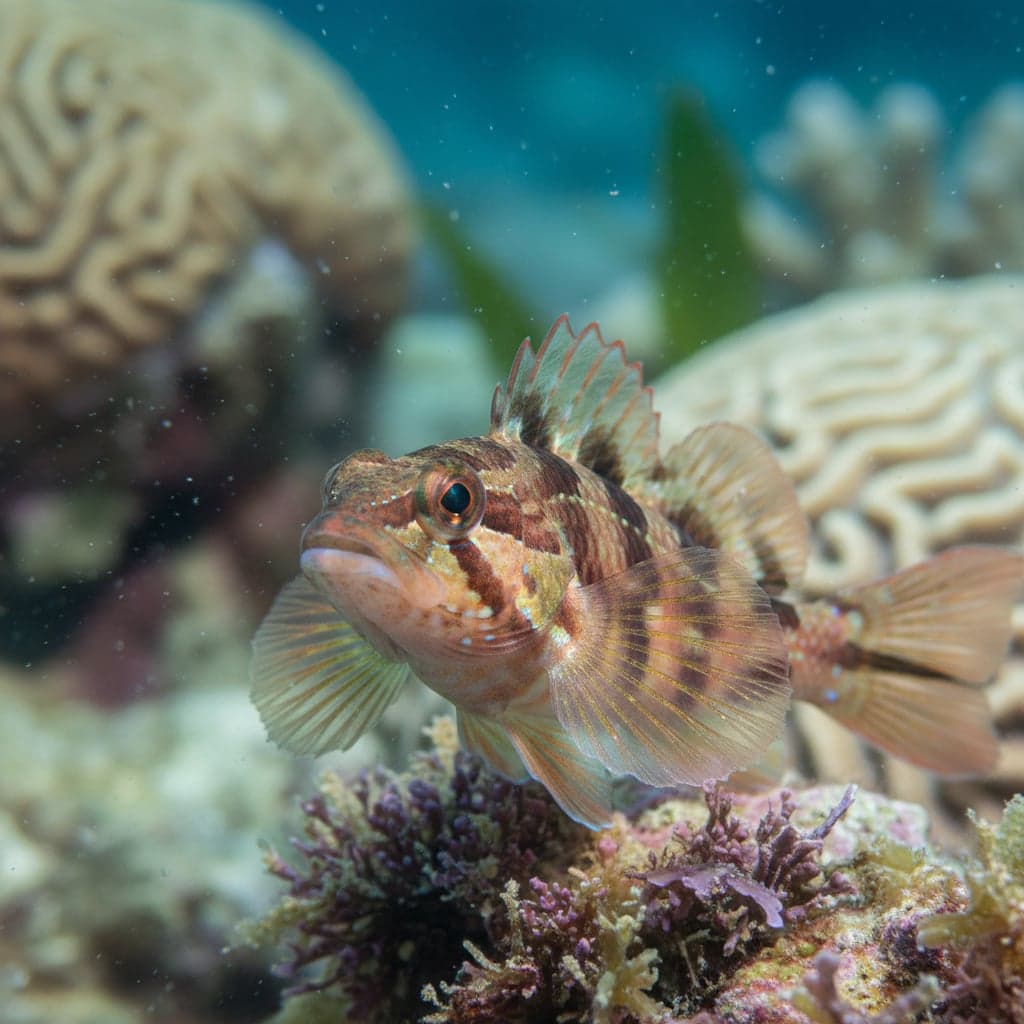
Four-lined Wrasse
A 7cm wrasse that hunts flatworms and pyramidellid snails through the rock. Reef safe, secretive, and it jumps.

Four-lined Wrasse
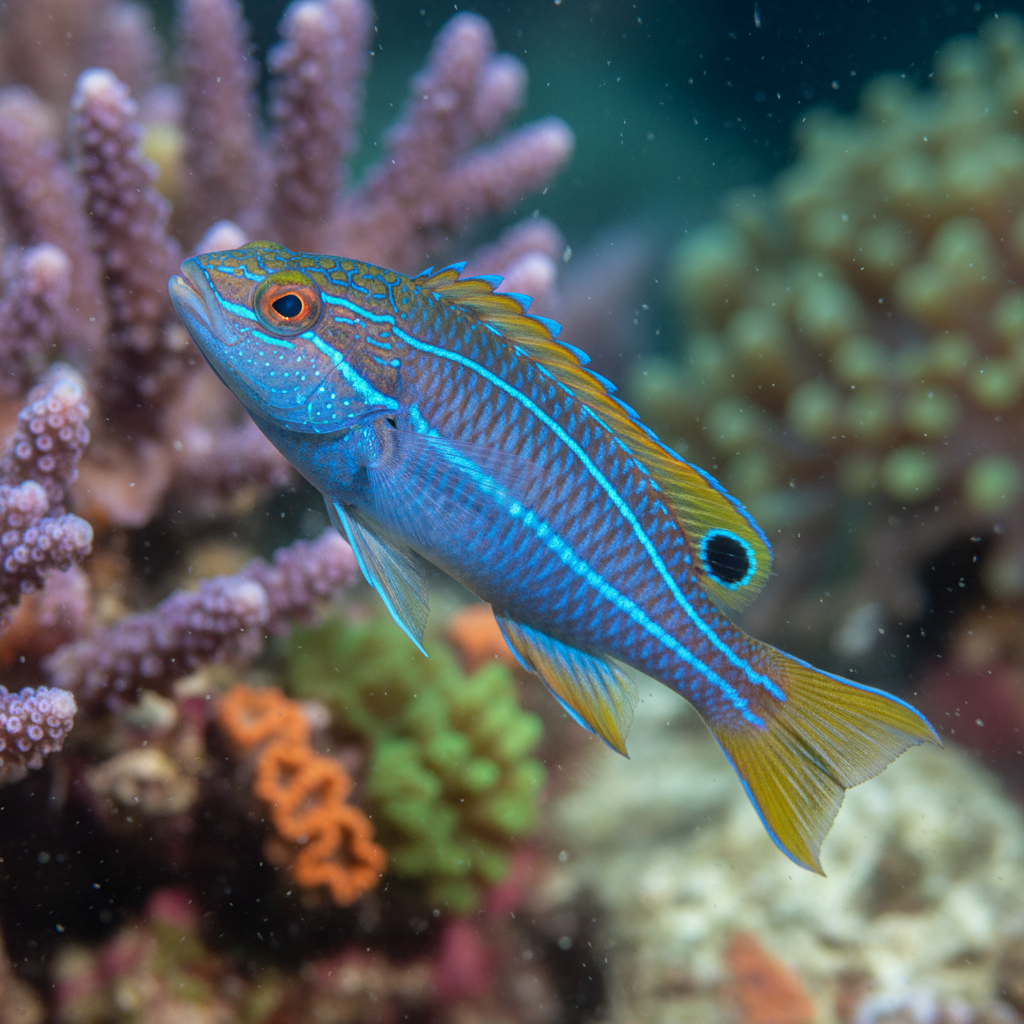
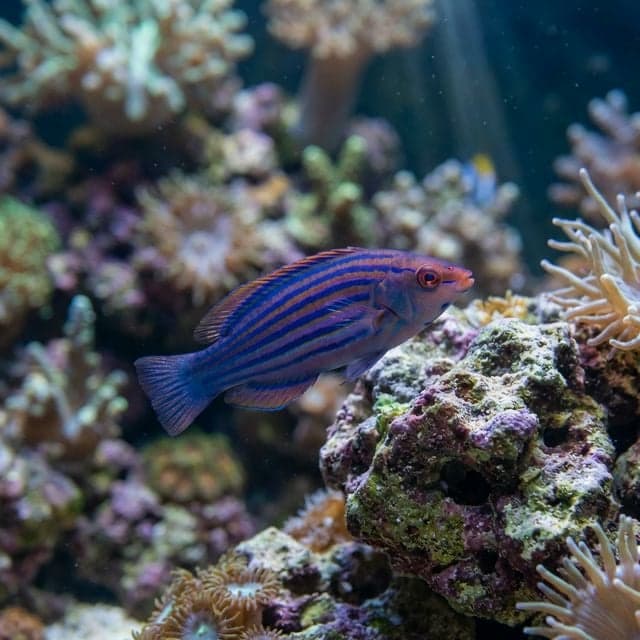
The Four-lined Wrasse (Pseudocheilinus tetrataenia) is a vibrant and colorful cryptic fish that captivates the hearts of marine aquarium enthusiasts. This striking species is recognized for its distinctive coloration, typically displaying a bright orange or reddish body accented with four horizontal blue lines that run along its length. These lines are iridescent and contrast beautifully with the warm tones of its body. This wrasse, with its darting behavior and shy but bold personality, makes it a popular choice for reef systems with plenty of hiding spots.
In addition to its visual appeal, the Four-lined Wrasse has significant ecological importance as it forages on tiny crustaceans and worms within the live rock. Its lively personality and secretive nature make it a joy to observe as it peeks out from coral crevices. While beautiful, they are known to be somewhat secretive and can become territorial towards other line-wrasses or similarly sized fish.
Natural Habitat & Origin
The Four-lined Wrasse is indigenous to the warm waters of the Indo-Pacific region, with significant populations found around coral reefs and rocky substrates in regions such as the Red Sea and the eastern coast of Africa, extending to the islands of the central Pacific. This fish thrives in clear, warm waters where it can easily locate its prey. Typically, it inhabits depths of 1 to 30 meters, favoring areas rich in coral or rocky crevices that provide shelter and hunting grounds. The ecological context of its habitat shows a preference for environmentally stable conditions, indicating that maintaining proper water quality is crucial in aquarium settings.
Care Requirements
To successfully care for a Four-lined Wrasse, an aquarium should have a minimum size of 75 litres (20 gallons) for this secretive 7cm Pseudocheilinus tetrataenia — rock crevices matter more than open swimming length for this cryptic pest hunter. The ideal water parameters include a pH range of 8.1-8.4, a temperature of 75-82°F (24-28°C), and a hardness level of 8-12 dGH. For substrate, a sandy bottom is recommended, complemented by plenty of rocks and hiding spots to mimic its natural environment, fostering security and reducing stress. The tank should be well-lit to promote algae growth on the rocks, which serves as a natural food source.
Diet & Feeding
The Four-lined Wrasse is classified as an omnivore, thriving on a varied diet. In captivity, it is essential to provide a balanced diet that includes high-quality flakes or pellets designed for carnivorous fish, supplemented with frozen or live foods such as brine shrimp, mysis shrimp, and small crustaceans. Regularly offering fresh foods not only enhances its coloration but also ensures optimal health. It's advisable to feed small amounts 2-3 times a day to mimic their natural foraging behavior.
Behavior & Temperament
Four-lined Wrasses are generally known for their bold and active behavior. They are solitary by nature but can exhibit social interactions with tank mates when adequately introduced. While they are not overly aggressive, care should be taken to monitor their interactions, particularly with smaller or similarly-shaped species, as they may exhibit territorial behavior. In terms of vertical placement, these fish like to occupy the middle to upper levels of the tank, often darting between rocks and hiding spots.
Tank Mates
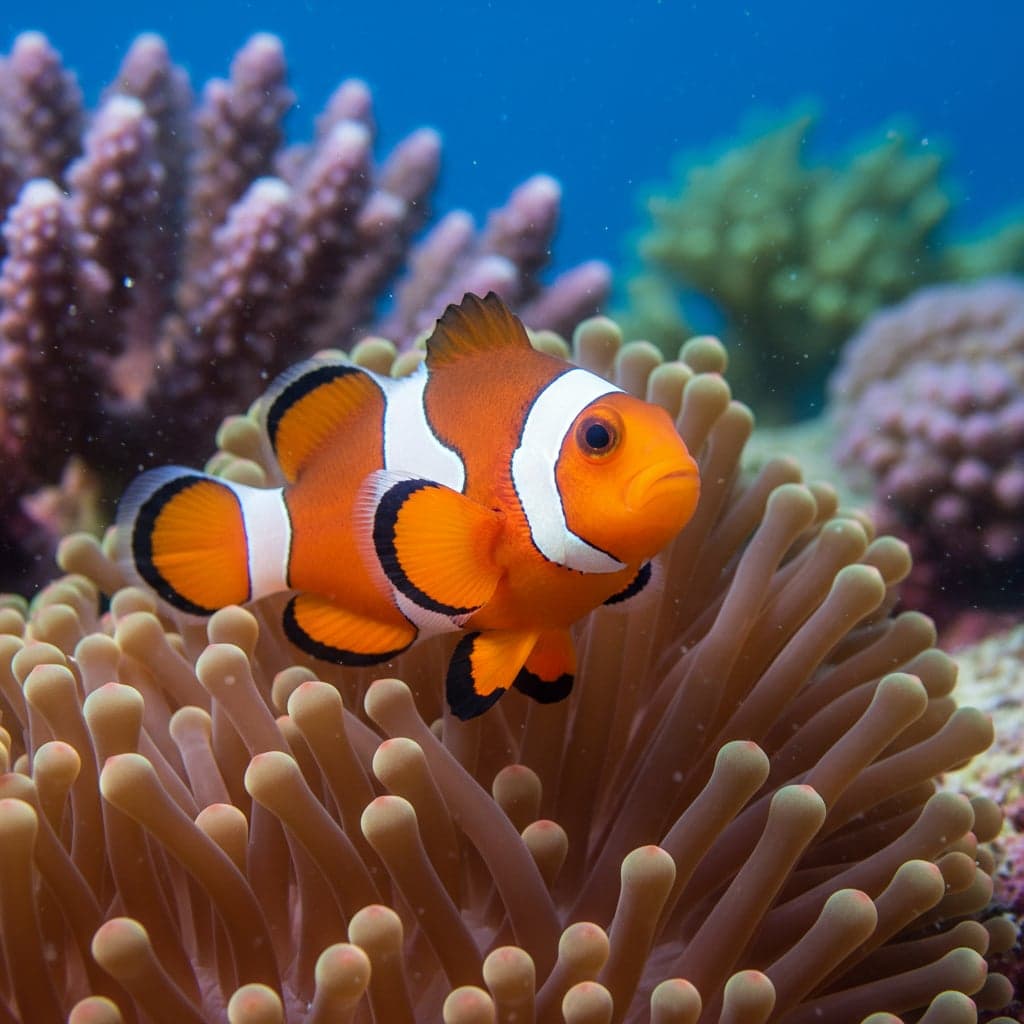
Choosing compatible tank mates for the Four-lined Wrasse is crucial to maintaining a harmonious aquarium environment. Suitable tank mates include peaceful species such as clownfish, tangs, and peaceful wrasses. However, it is best to avoid smaller fish that may be seen as prey, as well as overly aggressive species that could provoke stress or conflict. Additionally, avoid keeping them with other aggressive wrasse varieties, which may lead to territorial disputes.
Breeding
Breeding the Four-lined Wrasse in captivity can be quite challenging, as it requires a well-established tank and specific conditions. The fish are known to exhibit a pelagic spawning behavior, releasing eggs and sperm into the water column. To encourage breeding, provide a tank with ample hiding spots and a suitable breeding area, ideally with calm water flow. Various environmental cues such as increased water temperature may trigger spawning, but ensure that the breeding pair is well-fed and in optimal health for the best chance of success.
Common Health Issues
Like many marine fish, the Four-lined Wrasse can be susceptible to several health issues primarily caused by poor water quality or stress. Common diseases include ich (ichthyophthirius multifiliis), marine velvet, and bacterial infections. Preventative measures such as maintaining proper water parameters, regular tank maintenance, and quarantine procedures for new arrivals can drastically reduce the risks of disease. Regular observation of the fish's behavior and appearance will facilitate early detection and treatment of any health issues.