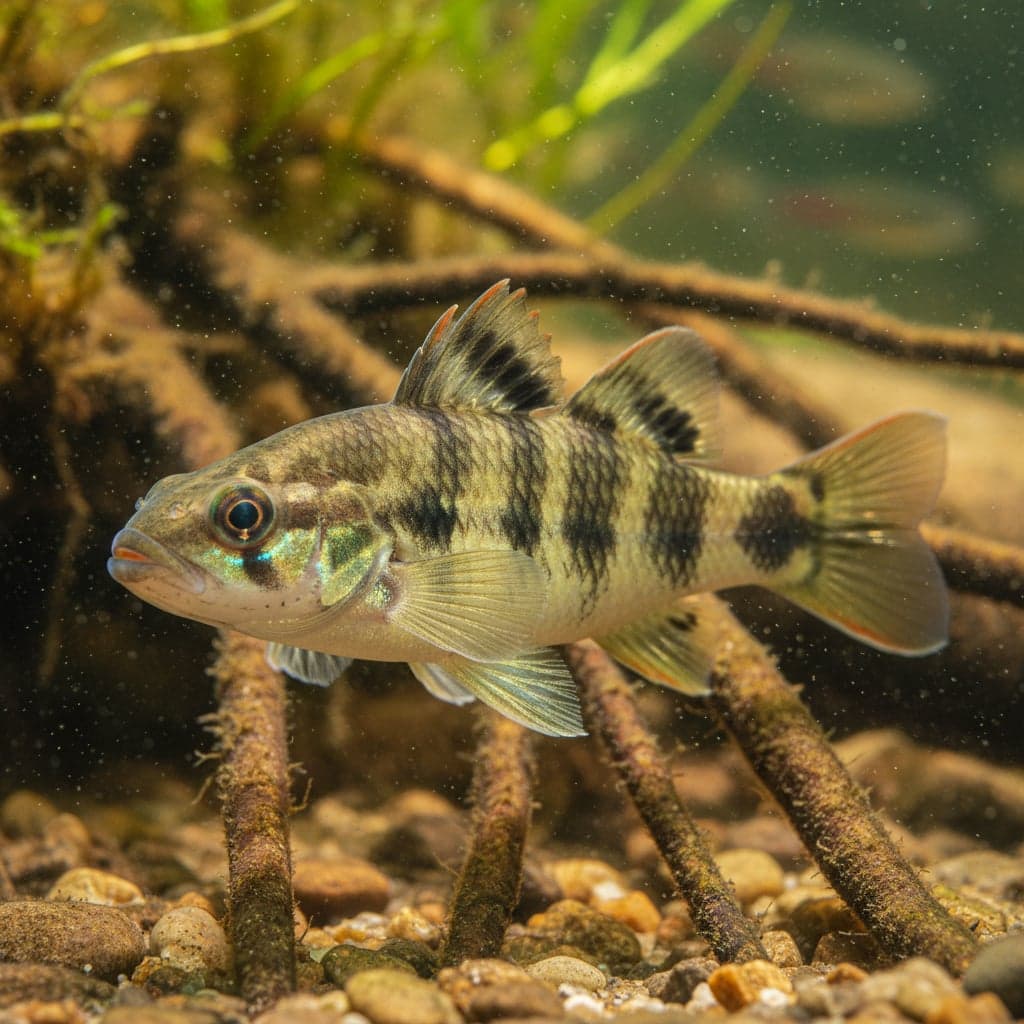
The Red Irian Rainbowfish: Glossolepis incisus
A large, deep-bodied rainbowfish where mature males turn a solid, brilliant brick red. A spectacular centerpiece for larger planted tanks.

Red Irian Rainbowfish
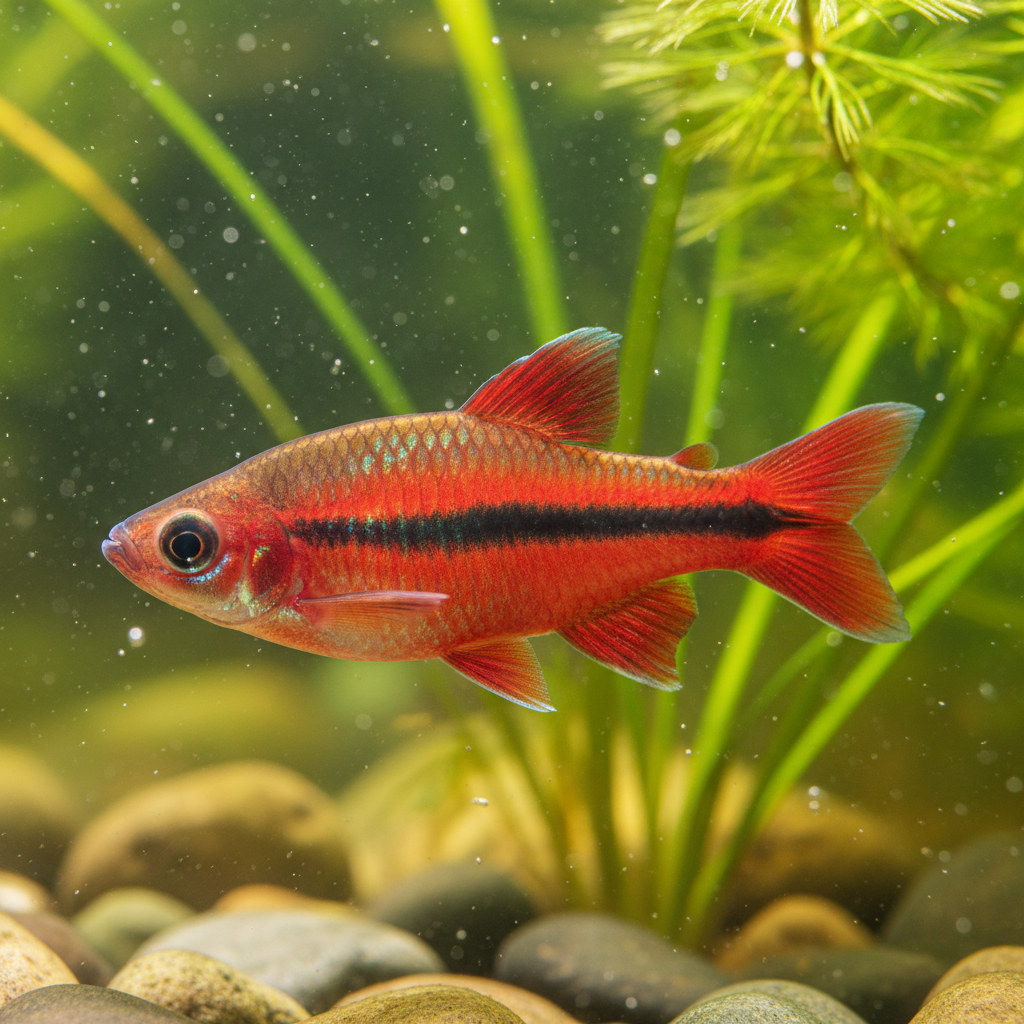
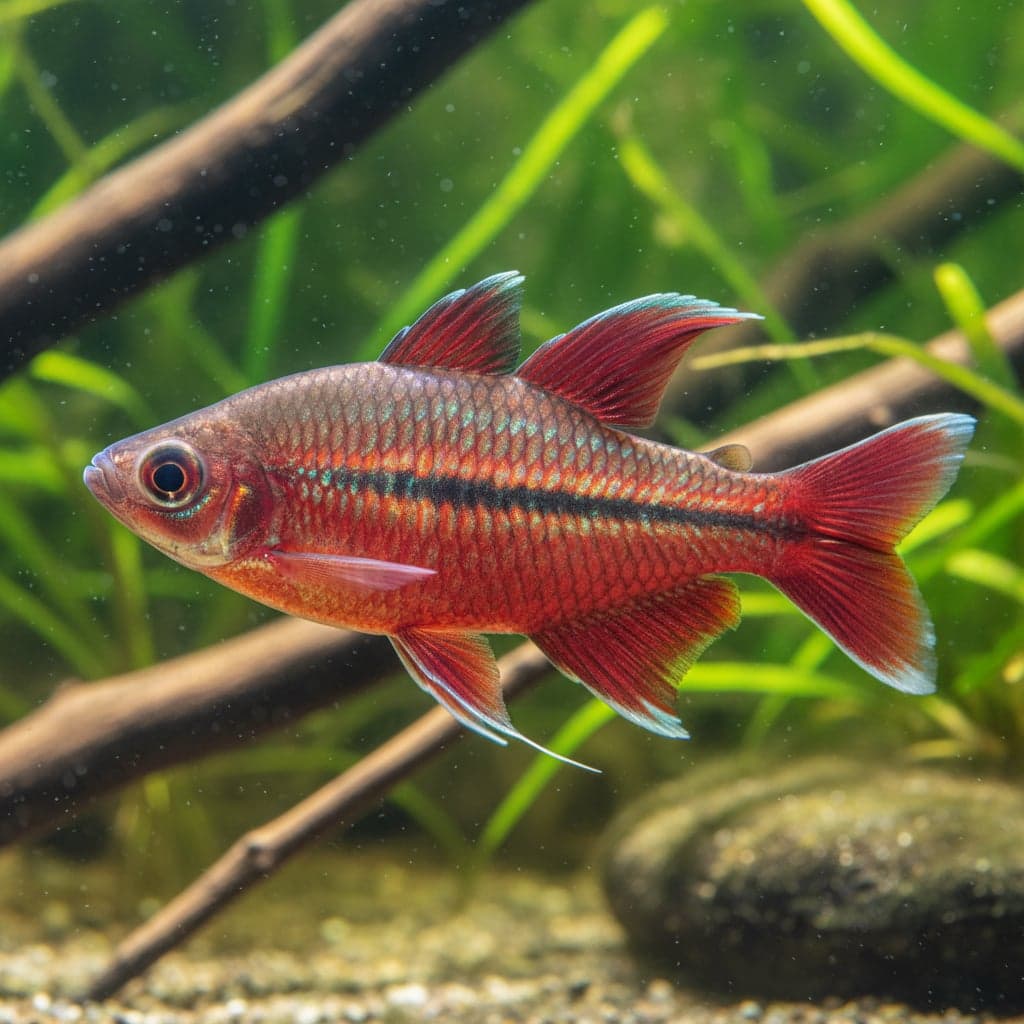
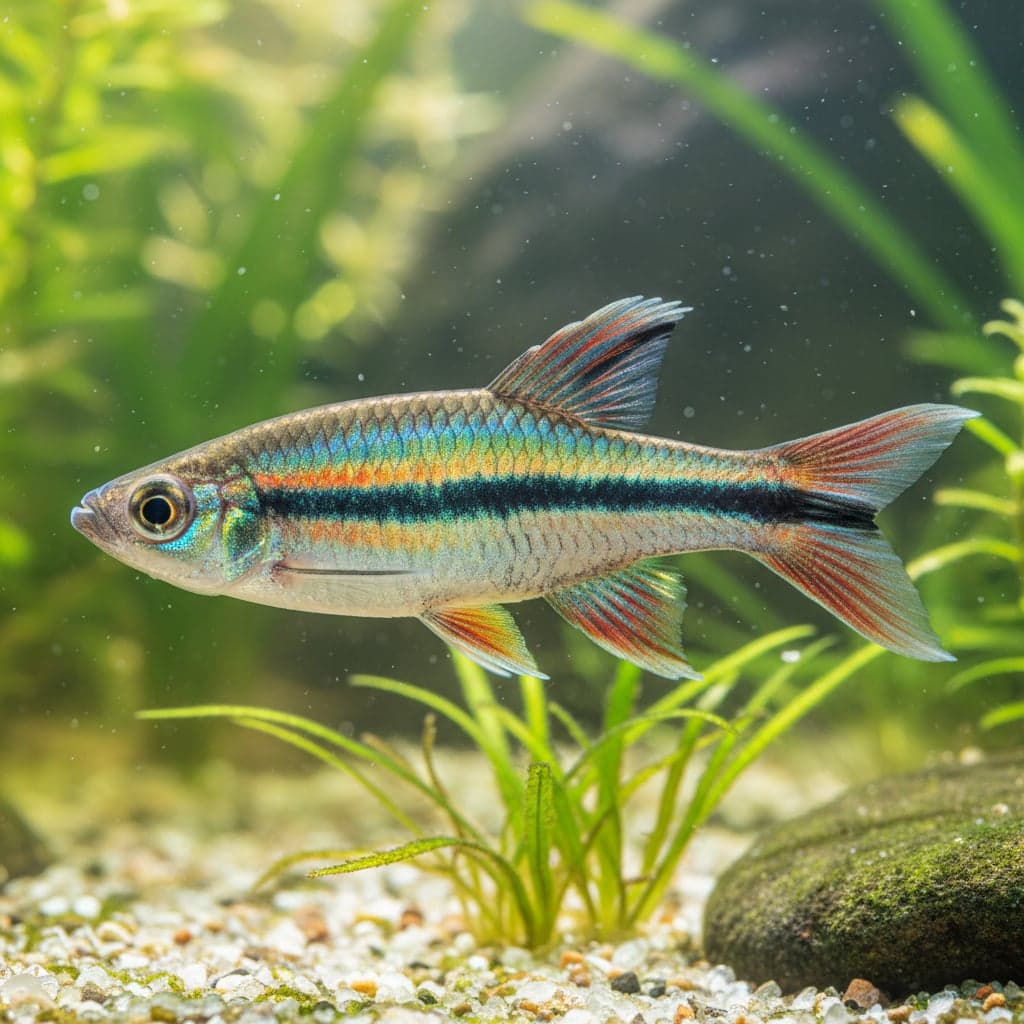
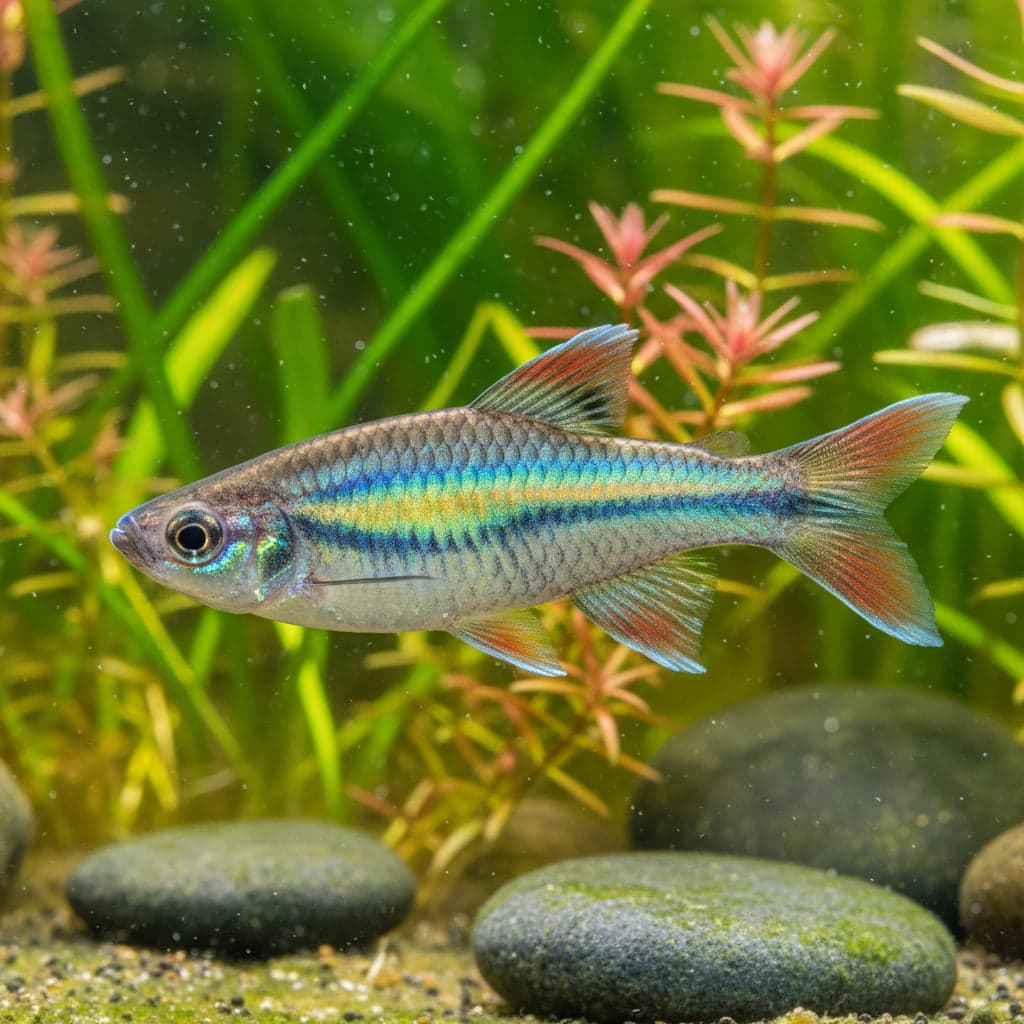
The Red Irian Rainbowfish, scientifically known as Glossolepis incisus, is a strikingly beautiful freshwater species renowned for its vibrant coloration and lively behavior. With its iridescent red and blue hues, this fish has become a favorite among aquarists looking to add both color and dynamism to their tanks. The males are particularly distinguished, exhibiting a bright, lustrous red on their underbelly that contrasts vividly with the shimmering blue bands across their bodies. As a visually captivating species, the Red Irian Rainbowfish does not only enhance the aesthetic appeal of any aquarium setup but also provides an engaging presence, swimming actively throughout the water column.
In addition to its visual charm, the Red Irian Rainbowfish holds a special significance in the aquarium hobby, particularly for enthusiasts interested in community tanks or biotope setups. This species is native to the freshwater rivers and streams of Papua New Guinea, making it a testament to the rich biodiversity found in these regions. Their hardy nature and compatibility with various tank mates make them suitable for both novice and experienced aquarists alike. As more enthusiasts seek sustainable and ethically sourced livestock, the need for awareness and education about the Red Irian Rainbowfish continues to grow, elevating its status within the aquarium community.
Natural Habitat & Origin
The Red Irian Rainbowfish is indigenous to the Irian Jaya region of New Guinea, particularly found in its freshwater rivers, streams, and ponds. This area is known for its dense rainforests and rivers that showcase a complex ecosystem teeming with life. The waters where these fish are found are typically clear with low to moderate flow, often characterized by a warm, stable temperature. pH levels in their natural habitat range from slightly acidic to neutral (around 6.5 to 7.5), and they thrive in water that is soft to moderately hard.
The environmental context of their habitat is crucial for their well-being in captivity. The typical flora includes dense vegetation along the banks of these waterways, providing both shelter and breeding grounds. This natural environment also offers a variety of microhabitats, with submerged branches, leaves, and rocks that contribute to the overall diversity of species found within the ecosystem. Therefore, replicating such conditions in an aquarium is essential for their health and behavioral expression.
Care Requirements
Caring for the Red Irian Rainbowfish requires a detailed understanding of its specific water parameters and tank setup. Ideally, the water temperature should be maintained between 24°C to 28°C (75°F to 82°F), with a pH level between 6.5 and 7.5 to create a natural and stress-free environment. Water hardness should be kept at a range of 2 to 10 dGH, as they prefer softer water conditions. A minimum tank size of 100 liters (approximately 26 gallons) is recommended to accommodate their active nature and schooling behavior.
The tank should ideally be decorated with fine, soft substrate that mimics their natural environment, along with plenty of plants such as Java fern, Vallisneria, or Cabomba, which can provide the necessary cover and foraging space. Lighting should be moderate; excessive brightness can stress the fish. Utilizing floating plants can help diffuse the light, while open swimming spaces should be left clear to allow these fish to exhibit their natural swimming patterns and social interactions.
Diet & Feeding
The Red Irian Rainbowfish is omnivorous, making it a flexible feeder that benefits from a varied diet. In their natural habitat, they consume a wide range of foods, including small invertebrates, algae, and organic detritus. To replicate this diet in captivity, aquarists should provide a mix of high-quality flakes or pellets formulated for community fish, supplemented with frozen or live foods such as brine shrimp, daphnia, or bloodworms. This varied diet not only supports their vibrant coloration but also promotes healthy growth and overall well-being.
Feeding should occur two to three times a day, ensuring that all food is consumed within a few minutes to maintain water quality. Additionally, it is essential to occasionally provide plant matter, such as blanched spinach or algae wafers, to supplement their diet and imitate their natural foraging behavior.
Behavior & Temperament
The Red Irian Rainbowfish is known for its peaceful temperament, making it an excellent addition to community aquariums. They are social creatures that thrive in groups, ideally in schools of five or more. This schooling behavior not only promotes their natural instincts but also reduces stress and anxiety levels in the fish. Their active swimming patterns are typically observed in the mid to upper levels of the aquarium but are also known to utilize various vertical spaces, darting between plants and open areas.
While generally non-aggressive, the Red Irian Rainbowfish males may display territorial behaviors, particularly during breeding. However, such aggression is usually minimal and should not pose a significant issue if they are housed in appropriate group sizes and tank conditions. Providing hiding spots and visual barriers within the tank can further mitigate any territorial disputes.
Tank Mates
When selecting tank mates for the Red Irian Rainbowfish, it is essential to choose species that share similar water requirements and temperaments. Compatible tank mates include other peaceful fish such as tetras (e.g., Neon Tetras, Rummy-Nose Tetras), rasboras (e.g., Harlequin Rasboras), and smaller species of catfish (e.g., Corydoras). Additionally, they can coexist with other rainbowfish species, which can enhance the tank’s vibrancy.
Conversely, it is advisable to avoid placing the Red Irian Rainbowfish with aggressive or fin-nipping species such as bettas, cichlids, or fish that are too large, as well as those that may outcompete them for food. Ideally, the tank's environment should foster harmony, with plenty of space and resources for all species present.
Breeding
Breeding the Red Irian Rainbowfish in captivity can be a rewarding endeavor, although it requires specific conditions to encourage spawning. Setting up a breeding tank with soft, slightly acidic water is recommended, with a pH level of around 6.5 and a temperature of approximately 24°C to 26°C (75°F to 79°F). A spawning area filled with fine-leaved plants, such as Java moss, is essential to provide privacy and structure for the fish during the breeding process.
During spawning, which typically occurs early in the morning, the male will perform a courtship display to entice the female. After mating, the female will scatter eggs among the vegetation. To maximize hatch rates, it is recommended to remove the adult fish once spawning is complete to prevent them from consuming the eggs. The eggs will usually hatch within 6-10 days, and once the fry are free-swimming, they can be offered infusoria or finely crushed flakes until they grow large enough to eat regular foods.
Common Health Issues
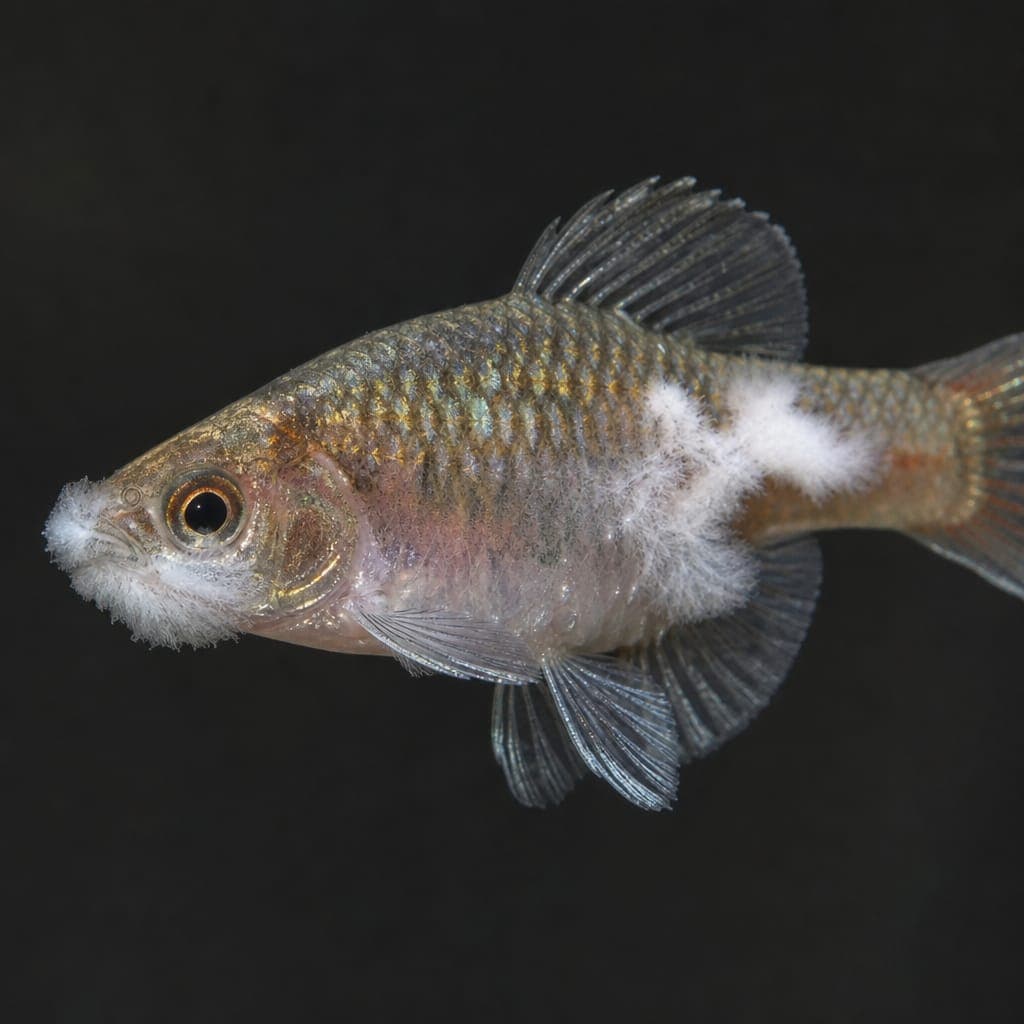
Despite being a hardy species, the Red Irian Rainbowfish can be prone to certain health issues, particularly when not kept in optimal conditions. Common diseases include ich (white spot disease) and fungal infections, often resulting from poor water quality or stress factors. To prevent these health issues, maintaining stable water parameters, performing regular water changes, and ensuring a well-balanced diet are crucial.
Additionally, it is advisable to monitor for signs of disease such as white spots, clamped fins, lethargy, or loss of appetite, and isolate affected fish promptly for treatment. Quarantine new arrivals before they enter the display tank, and avoid sudden swings in temperature or chemistry that weaken immunity. With stable parameters, a varied diet, and attentive observation, Red Irian Rainbowfish remain active, colorful schooling fish that thrive for years in a well-maintained community aquarium.