Variatus Platy: Xiphophorus variatus
A hardier, cooler-tolerant platy reaching 8cm. A livebearer that breeds constantly, so plan for a female-heavy group and hard water.

Variatus Platy
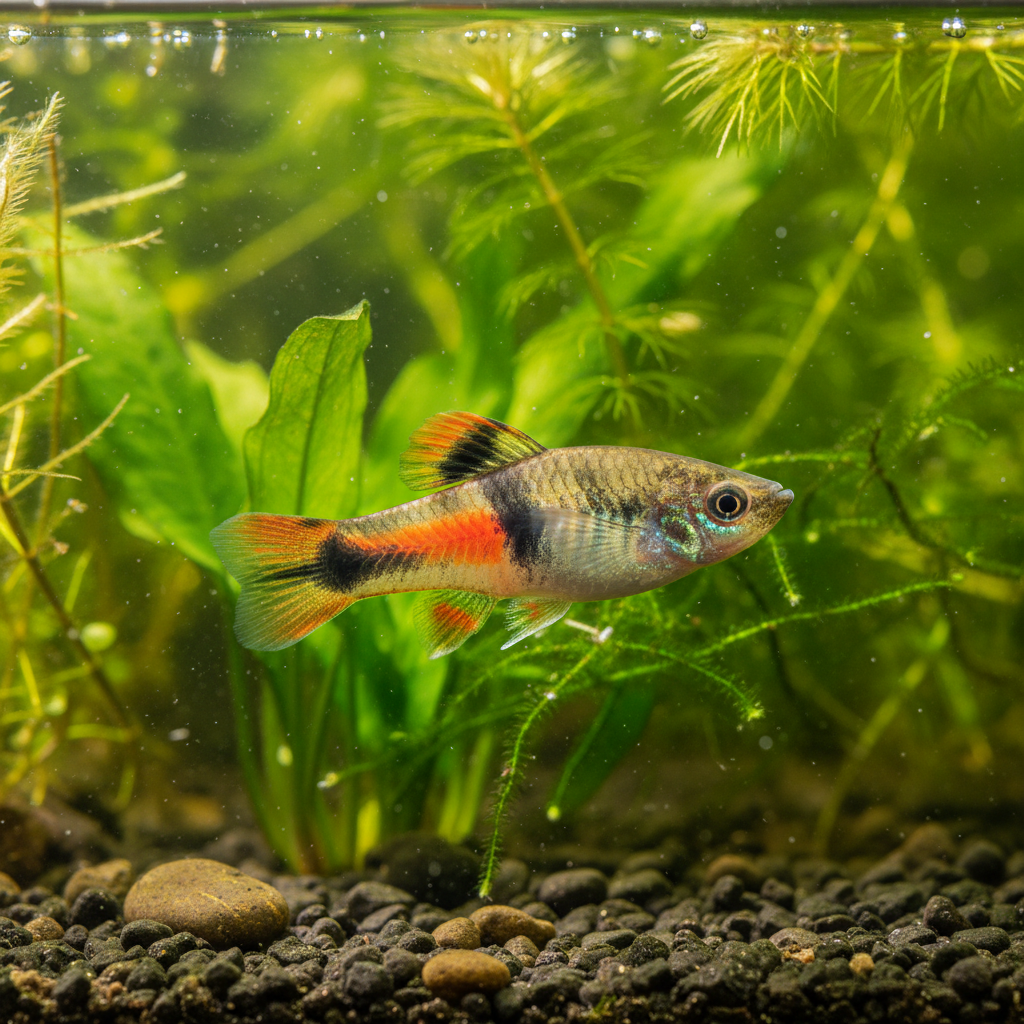
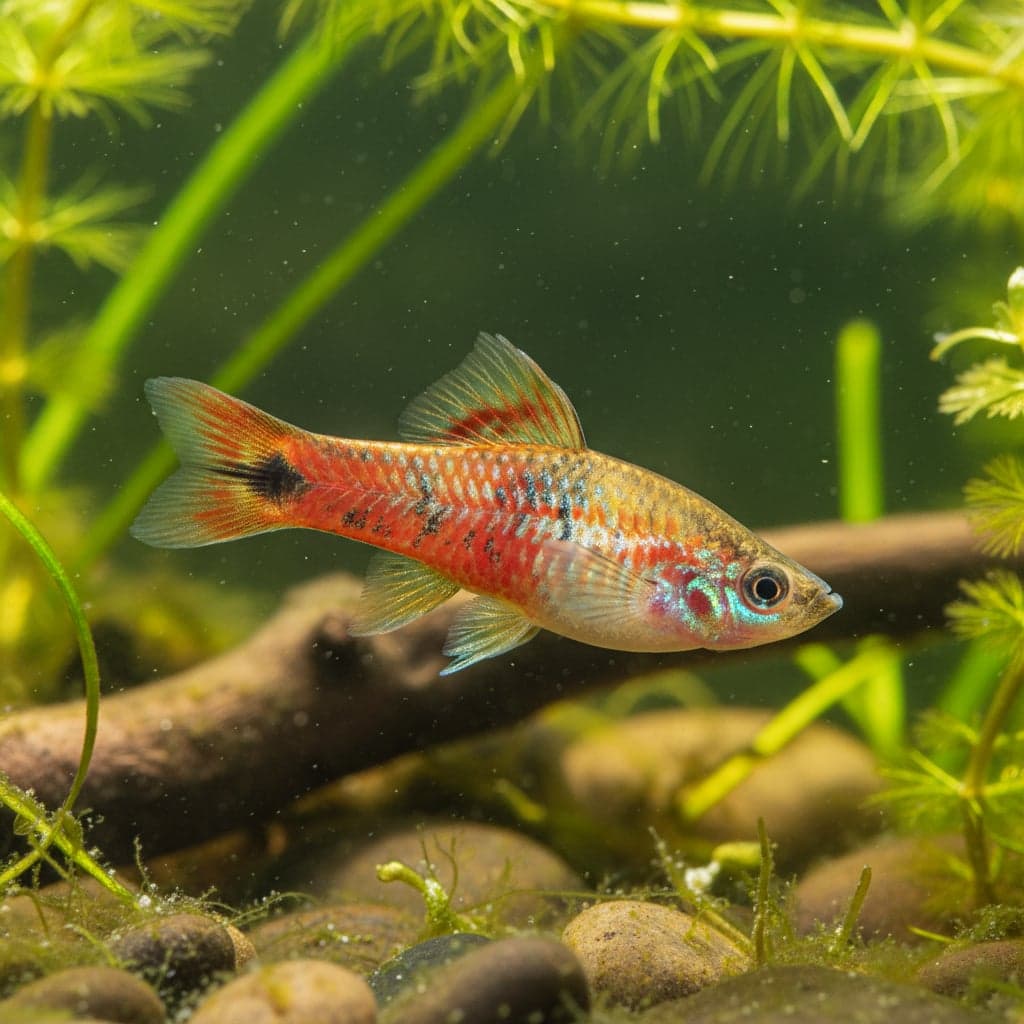
The Variatus Platy (Xiphophorus variatus) is a vibrant and hardy freshwater fish that is part of the Poeciliidae family. Native to the waters of Central America, particularly Mexico and Guatemala, this fish is known for its colorful appearances, which vary widely among individuals. With a typical size of about 2 to 3 inches, the Variatus Platy boasts a range of hues, including bright reds, yellows, and blues, often adorned with striking patterns. This makes them not only visually appealing but also a popular choice for both novice and experienced aquarium hobbyists. Their resilience and adaptability play a pivotal role in their significance within the aquarium trade, where they are cherished for their hardiness and ease of care.
As one of the most attractive livebearers, the Variatus Platy holds a special place among aquarists. Their friendly dispositions and active nature bring a dynamic energy to community tanks. These fish thrive in groups, exhibiting social behaviors that are enjoyable to observe, making them a delightful addition to family aquariums. Moreover, their ability to adapt to varied water conditions allows them to coexist harmoniously in mixed-species environments, further emphasizing their appeal to hobbyists looking for vibrancy paired with ease of maintenance.
Natural Habitat & Origin
The Variatus Platy hails from the freshwater rivers and streams of Central America, specifically in regions like the Rio Pánuco basin in Mexico, through to parts of Guatemala. This species typically inhabits shallow waters with ample vegetation, which provides them both shelter and breeding grounds. The natural environments where Variatus Platies are found often feature slow-moving water, which is rich in organic materials such as decaying plant matter. These habitats are primarily characterized by their clear waters, although areas with slightly more turbid conditions can also be suitable, allowing for the growth of various aquatic plants that are essential for their well-being.
In terms of environmental context, the waters of their native habitat often have a slightly acidic to neutral pH (around 6.5 to 7.5) and moderate hardness levels. These aspects encourage a rich diversity of flora and fauna that the Variatus Platy interacts with, feeding on smaller invertebrates and plant matter. This natural setting plays a crucial role in determining the ideal aquarium conditions for keeping Variatus Platies healthy and thriving.
Care Requirements
When it comes to keeping Variatus Platies in home aquariums, specific care requirements must be met to ensure their health and longevity. Ideal water parameters for these fish include a pH of 6.5 to 7.5, a temperature range of 72 to 82 degrees Fahrenheit (22 to 28 degrees Celsius), and moderate hardness of about 10 to 20 dGH. A minimum tank size of 20 gallons is recommended to provide ample swimming space, especially since these fish tend to be more social and thrive in groups.
For tank setup, a substrate of fine gravel or sandy material is most suitable, as it encourages natural foraging behavior. The addition of live plants such as Java fern, Anubias, or floating plants contributes to a natural environment and provides sheltered areas for breeding. Lighting should be moderate, simulating the natural light conditions of their habitat. Ideally, incorporating aquarium decorations like driftwood or rocks can create territories that help reduce stress among the fish.
Diet & Feeding
Variatus Platies are omnivores and have a varied diet that includes both plant and animal matter. In the aquarium, they thrive on high-quality flake or pellet foods that are specifically designed for community fish. A balanced diet should also include occasional offerings of frozen or live foods, such as brine shrimp, daphnia, or bloodworms, which can provide essential protein and stimulate their feeding behavior. Additionally, supplements of blanched vegetables such as zucchini or spinach can enhance their diet and promote digestive health. Given their adaptable nature, Variatus Platies are usually enthusiastic eaters and readily accept various food types, making it easy for hobbyists to ensure they receive proper nutrition.
Behavior & Temperament
The Variatus Platy is known for its gentle and peaceful disposition, making it an excellent choice for community tanks. They are social creatures that thrive when kept in groups, ideally in shoals of five or more individuals. This schooling behavior can help reduce stress and prevent issues related to territoriality. Unlike some other species, Variatus Platies exhibit minimal aggression and are generally compatible with a wide range of tank mates.
In terms of positioning within the tank, these fish are mid-water swimmers, frequently darting about the center of the aquarium while occasionally venturing near the substrate or the surface. Observing them interact within their shoal can be a captivating experience, as they display natural behaviors, including courting rituals during breeding seasons.
Tank Mates
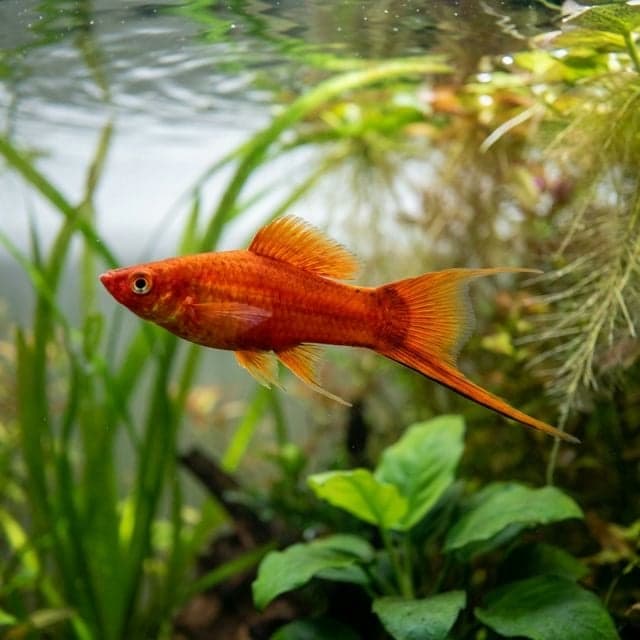
When selecting tank mates for the Variatus Platy, it is essential to prioritize peaceful species to maintain a harmonious aquarium environment. Compatible species include Neon Tetras, Corydoras Catfish, Swordtails, and Guppies. Additionally, other community fish with similar temperament, such as Cherry Barbs and Rasboras, can cohabit well with Variatus Platies.
Conversely, larger or more aggressive fish such as Cichlids should be avoided, as they may pose a threat to the smaller and more docile Variatus Platies. Also, it is advisable to steer clear of fin-nipping species, as the Platies have long fins that could be targets for such behaviors. By carefully considering tank mates, a balanced and peaceful aquarium ecosystem can be established.
Breeding
Breeding Variatus Platies in captivity is relatively straightforward due to their prolific nature as livebearers. They usually display courtship behavior where males engage in displays and chase the females. Ideal breeding conditions include a separate breeding tank with slightly higher water temperature (around 78-80 degrees Fahrenheit) and structurally dense habitats, such as fine leaved plants or spawning mops where females can give birth.
After a gestation period of about 4 to 6 weeks, females will give birth to a batch of fry, typically between 20 to 100 babies. These fry are fully formed and can swim independently shortly after birth. It is essential to separate the fry from adult fish or provide ample hiding spaces to prevent predation. The young will require finely crushed flakes or specialized fry food to support their growth during the initial weeks.
Common Health Issues
While Variatus Platies are relatively hardy, they can still be susceptible to several common aquarium diseases. These may include Ich (Ichthyophthirius multifiliis), fin rot, and velvet disease, particularly when stressed or kept in suboptimal environmental conditions. Prevention is key; maintaining water quality by performing regular water changes, ensuring proper filtration, and avoiding overstocking the tank will significantly reduce stress and disease risk.
Additionally, a well-balanced diet and prompt intervention with medications when signs of illness are noted can enhance their overall health. Regular observation of the fish for any unusual behavior or appearance will allow for early detection and treatment, ensuring a thriving aquarium environment for these captivating and resilient fish.