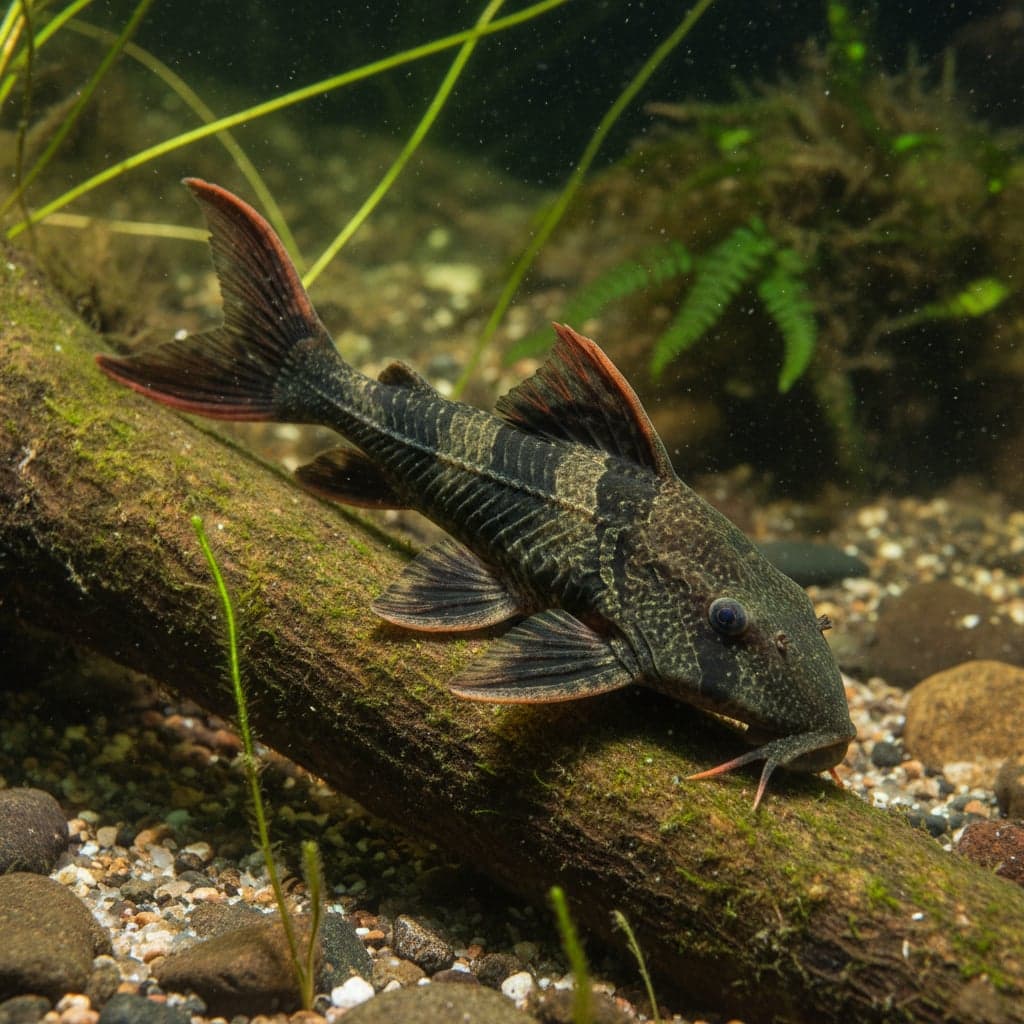
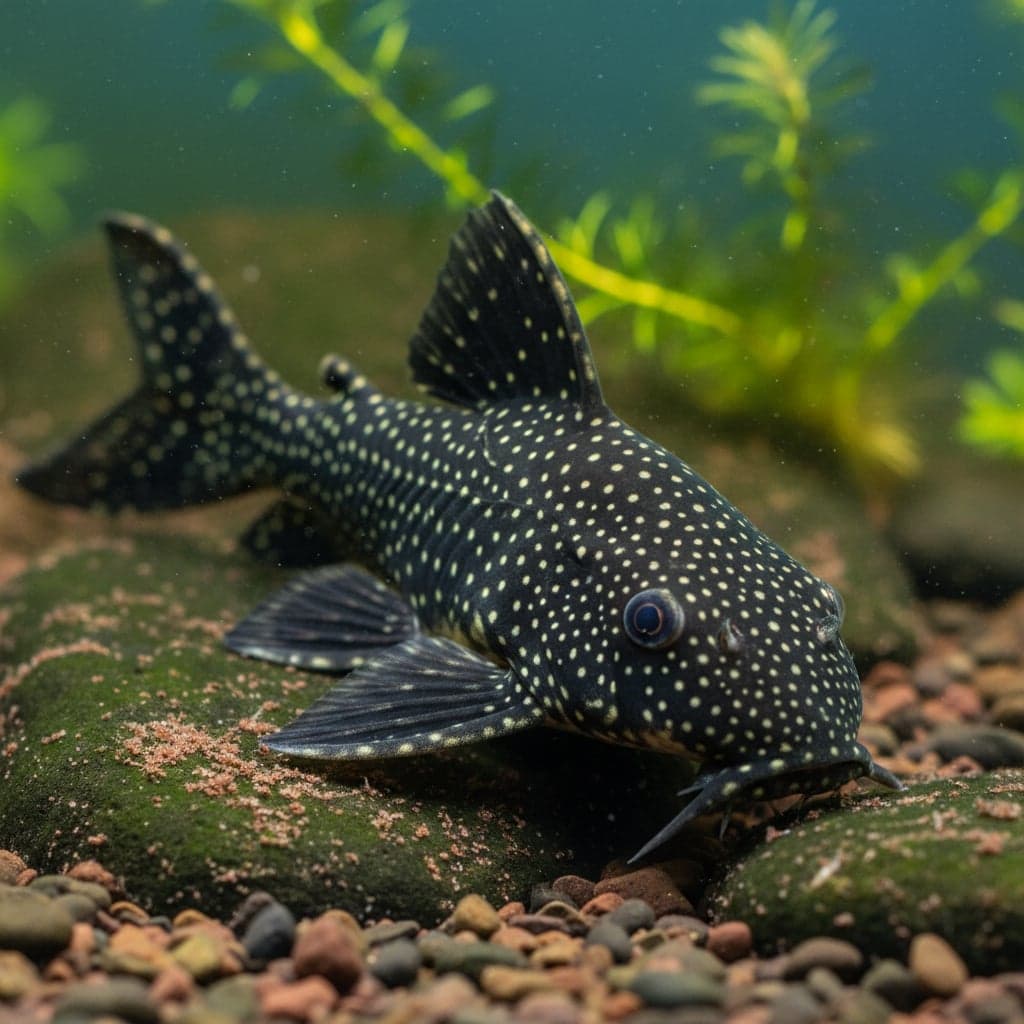
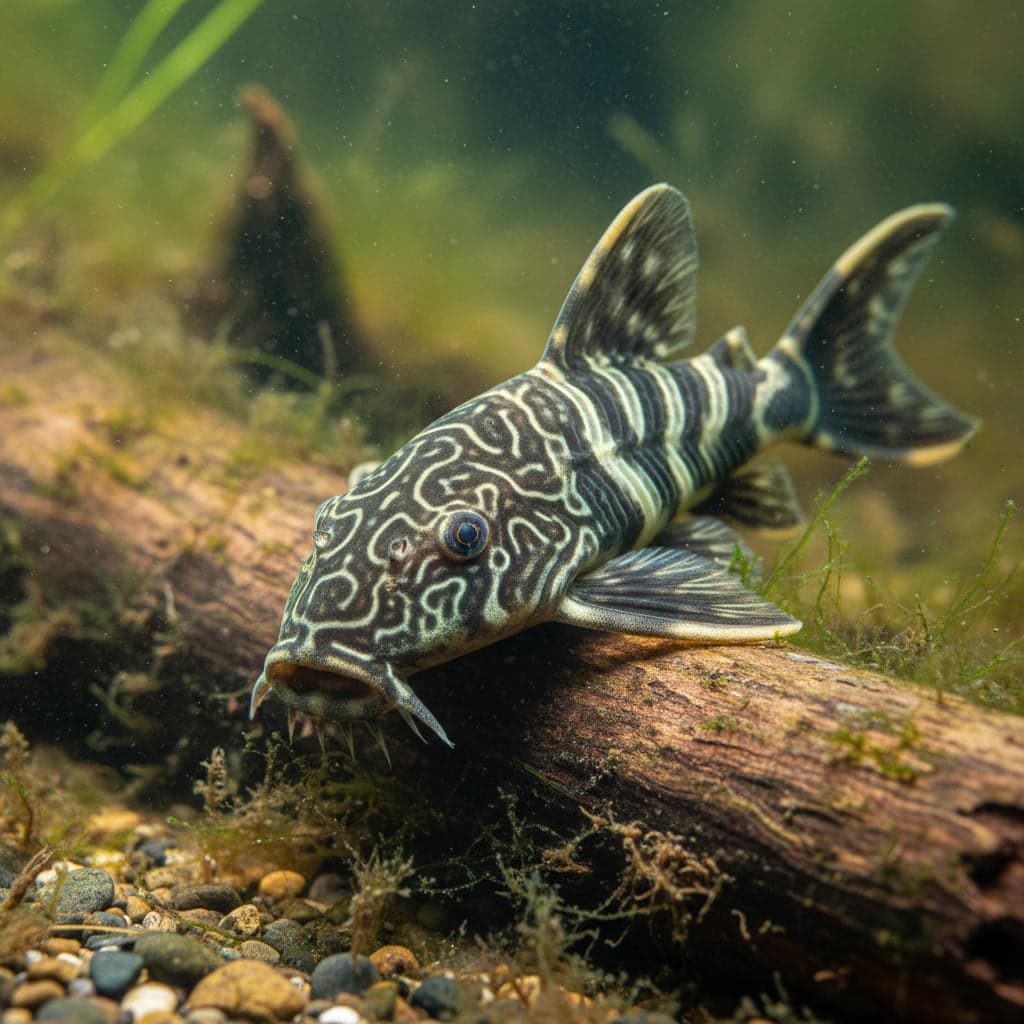
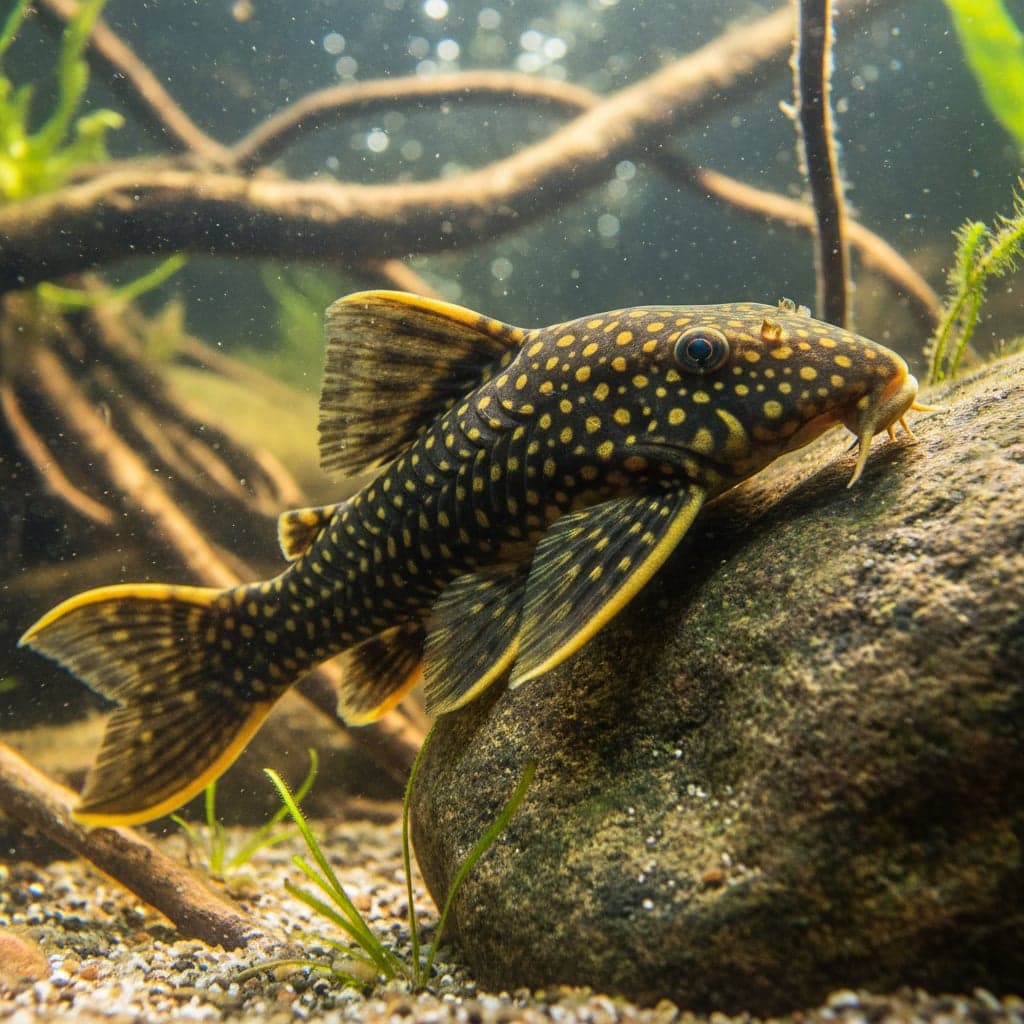
Xingu Orange Pike Cichlid: Lugubria sp. 'xingu I'
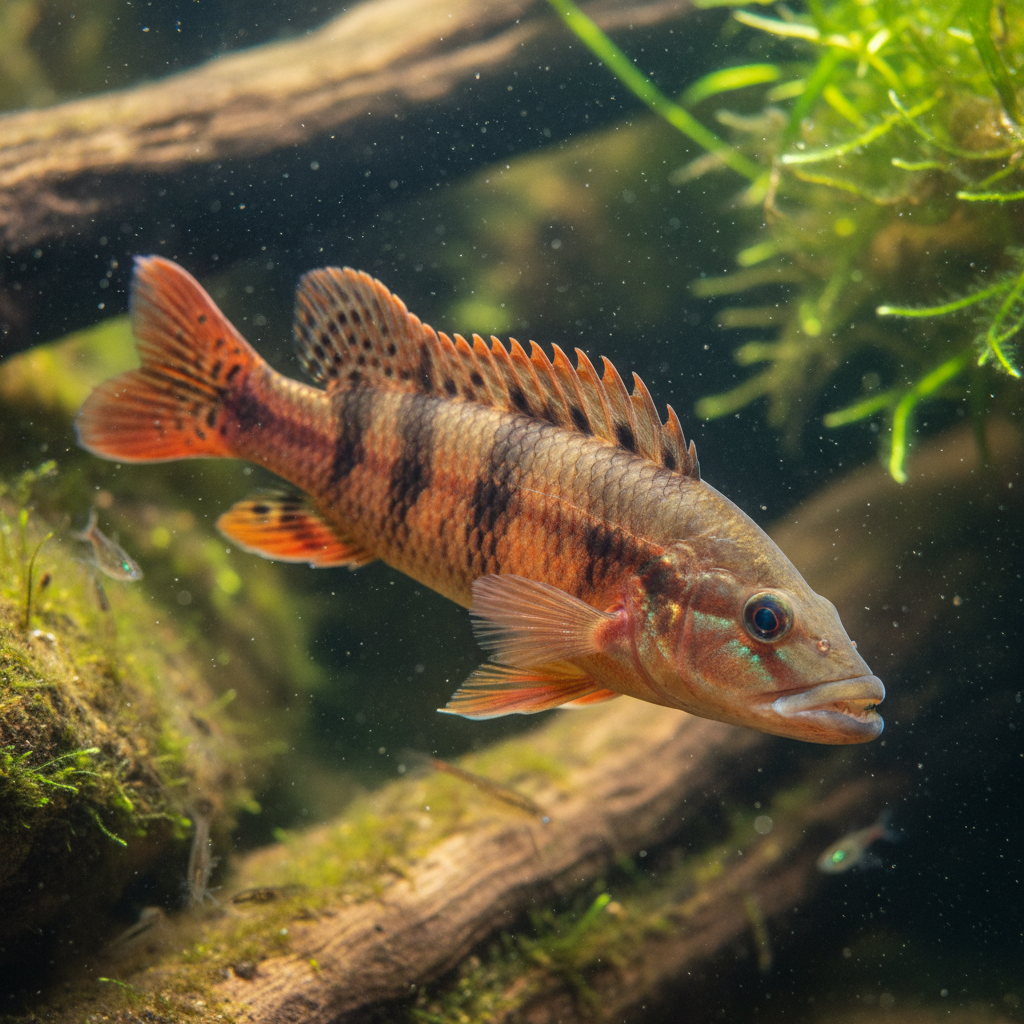
A long and powerful predator from the Xingu River, this pike cichlid features a brilliant orange coloration and a formidable hunting instinct.
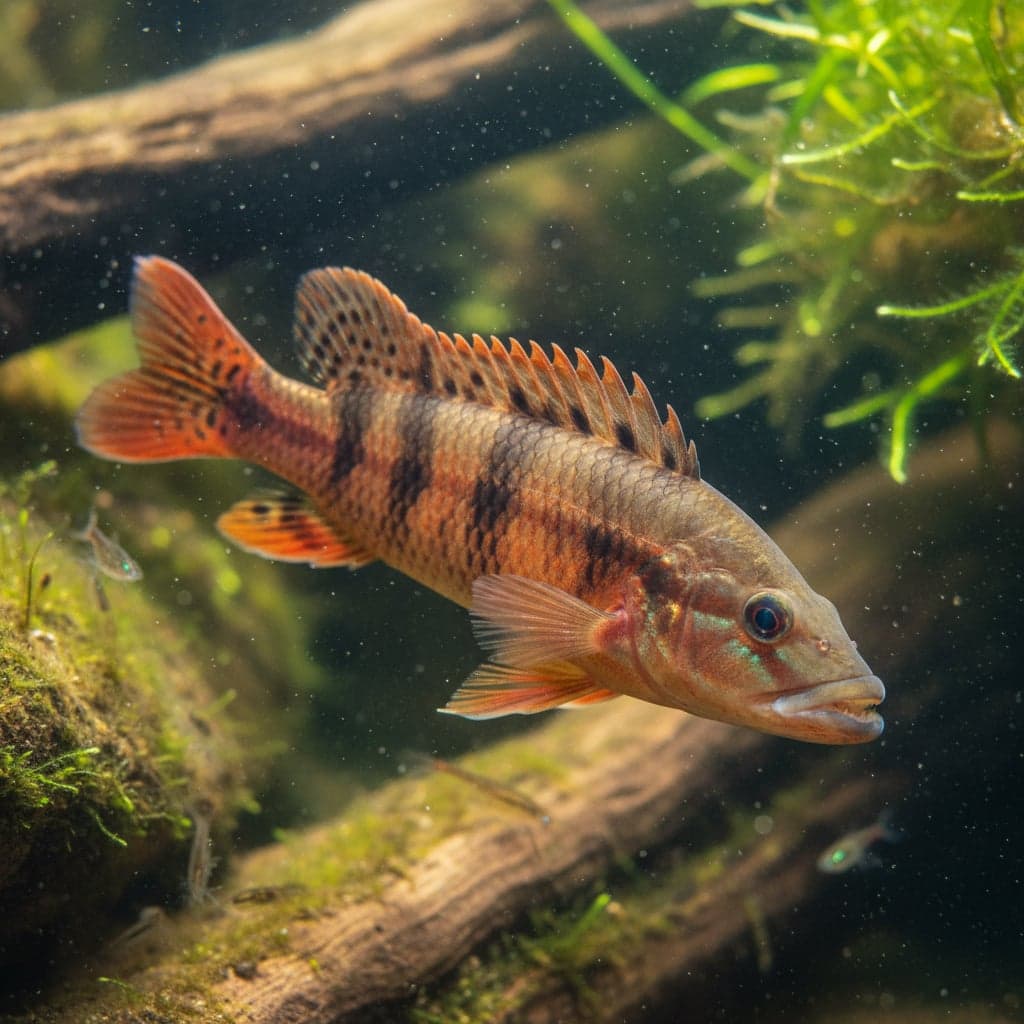
Xingu Orange Pike Cichlid
The Xingu Orange Pike Cichlid, scientifically known as Lugubria sp. 'xingu I', is an exquisite freshwater fish that captivates aquarists with its vibrant colors and unique morphology. Originating from the Xingu River basin in Brazil, these cichlids exhibit a stunning combination of bright orange, yellow, and dark grey hues that create a mesmerizing display in home aquariums. Their elongated bodies, pointed snouts, and distinctive fin structures further enhance their visual appeal, making them a prized addition to many freshwater collections. Not only are they adored for their beauty, but Xingu Orange Pike Cichlids also symbolize the rich biodiversity of the Amazon River system, highlighting the importance of conservation efforts in this vital ecological zone.
As part of the growing demand for rare and enchanting species in the aquarium trade, the Xingu Orange Pike Cichlid represents both a challenge and an opportunity for experienced aquarists. Their presence in the aquarium hobby has sparked interest in preserving their natural habitats, offering a chance to educate hobbyists on responsible fishkeeping practices. The species exemplifies the intersection of art and science, drawing in aquarists who not only appreciate their vivid coloration but also seek to understand their behavior, habitat requirements, and conservation needs.
Natural Habitat & Origin
The Xingu Orange Pike Cichlid is native to the Xingu River in Brazil, which is renowned for its unique aquatic ecosystems. This river is characterized by its fast-flowing, clear waters, which are often found among rocky substrates and areas with abundant vegetation. These cichlids thrive specifically in the regions with moderate to strong current, where they can exhibit their natural behaviors, including foraging and territorial displays. The water in the Xingu River is typically soft and slightly acidic, with a pH ranging from 5.5 to 7.0, a temperature range of 24°C to 28°C (75°F to 82°F), and a hardness of 2 to 10 dGH. Understanding their native environment is pivotal for replicating the ideal conditions in captivity.
In the broader ecological context, the Xingu River basin is part of the Amazon River system, contributing to its status as a hotspot for biodiversity. Unfortunately, this delicate habitat faces numerous threats from deforestation, dam construction, and pollution, making it critical for aquarists to be informed about these challenges and to advocate for sustainable practices. Maintaining their presence in the aquarium trade can help raise awareness for conservation efforts aimed at preserving their natural habitat.
Care Requirements
To ensure the well-being of the Xingu Orange Pike Cichlid, it is essential to provide water parameters that closely mimic their natural environment. The ideal pH should range from 6.0 to 7.5, while maintaining a temperature between 24°C and 28°C (75°F to 82°F) is vital for their health. The hardness of the water should be kept low, ideally between 2 and 10 dGH, to accommodate their preference for softer water conditions.
Setting up a suitable tank for these cichlids requires a minimum size of at least 100 gallons due to their territorial nature and potential size. The tank should be well-structured, incorporating hiding spots such as rocks, driftwood, and dense vegetation to provide cover. A sandy substrate mimicking their natural riverbed enhances both their comfort and the aesthetic of the tank. For lighting, moderate levels are preferable to simulate their natural habitat, allowing for a balance between visibility and shade. Live or artificial plants can be used, but should not obstruct swimming space as these fish appreciate open areas for swimming.
Diet & Feeding
The Xingu Orange Pike Cichlid is primarily a carnivore, which means its diet should be rich in high-quality protein sources. In captivity, they will thrive on a varied diet that includes high-quality pellets, flakes, and frozen or live foods such as bloodworms, brine shrimp, and daphnia. It is crucial to provide a mix of foods to ensure they receive all the essential nutrients required to maintain their health, coloration, and vitality. A diet based predominantly on protein will contribute to their growth and overall well-being, while occasional vegetable matter can be offered to balance their dietary needs.
Feeding should be done several times a day but in small quantities to prevent overfeeding, which can lead to water quality issues. Observing their behavior during feeding time can provide insight into their health and appetite. Remember that these cichlids can exhibit aggressive feeding behavior, so it may be necessary to monitor their interactions with tank mates during feeding sessions, ensuring that all fish have equal access to food.
Behavior & Temperament
The Xingu Orange Pike Cichlid exhibits intriguing social behavior that can vary significantly based on their environment and tank companions. Generally, they are semi-aggressive and territorial, especially males, and will defend their chosen territory vigorously. They tend to establish a hierarchy within the tank, which can lead to occasional disputes, particularly during breeding periods. While not schooling fish, they can tolerate the presence of compatible tank mates as long as there is sufficient space for them to claim their own territories.
These cichlids typically prefer to occupy the middle to lower levels of the tank, where they will often stake out a territory among the rocks and decor. Observing their natural behavior can be quite engaging; they will often use their elongated bodies to navigate the tank with precision, hunting for food and patrolling their territory. Providing a space with plenty of hiding spots can minimize aggression and help promote a well-balanced social dynamic.
Tank Mates
When considering tank mates for the Xingu Orange Pike Cichlid, it’s essential to select species that can coexist peacefully to minimize conflicts. Compatible tank mates include larger, similarly-tempered cichlids such as the Oscar (Astronotus ocellatus), Green Terror (Andinoacara rivulatus), and various species of larger tetras and barbs. Larger bottom-dwelling species, like the Rainbow Shark (Epalzeorhynchos frenatum) or certain catfish, can also coexist with Xingu Orange Pike Cichlids, provided there is ample space and hiding spots.
Conversely, it is best to avoid smaller fish species that might be mistaken for prey, including guppies, neon tetras, and other small community fish. Additionally, overly aggressive or highly territorial species should be kept out of the tank to prevent disruption of the Xingu Orange Pike Cichlid's natural behavior and to maintain harmony within the aquarium.
Breeding
Breeding the Xingu Orange Pike Cichlid in captivity can be a rewarding challenge for experienced aquarists. These cichlids are mouthbrooders, meaning that females will incubate their eggs in their mouths after fertilization. To encourage breeding, it is crucial to provide optimal conditions, including stable water parameters and suitable tank decor. A breeding pair requires a breeding space such as a flat rock or a cave where the female can lay her eggs.
Upon establishing a pair, the female will lay between 50 to 100 eggs, which the male will fertilize. After laying, the female will carefully gather the eggs and incubate them in her mouth for about 2 to 3 weeks, during which time she will become protective of her territory. Once the fry are released, they should be offered finely crushed flakes or newly hatched brine shrimp until they can accept larger foods. Remove overly aggressive adults if needed so the fry can grow in peace.
Common Health Issues
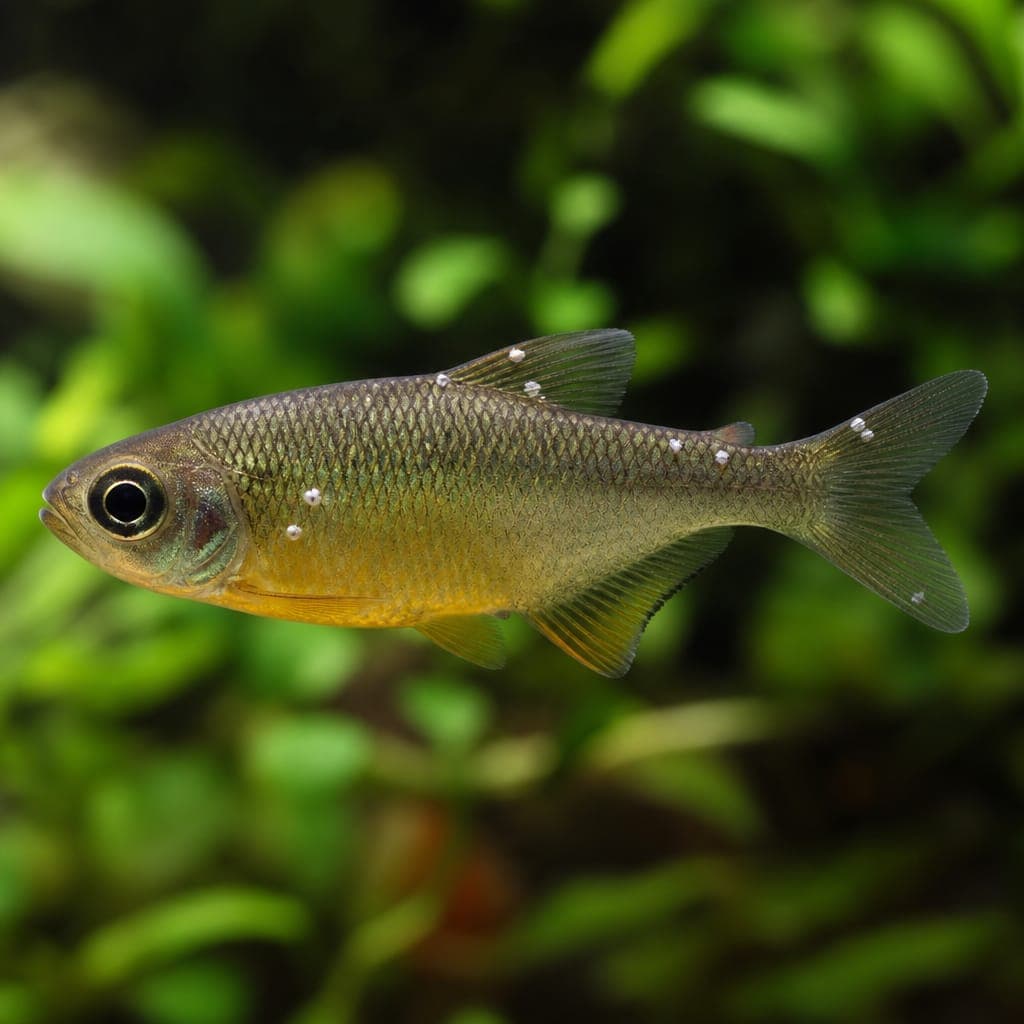
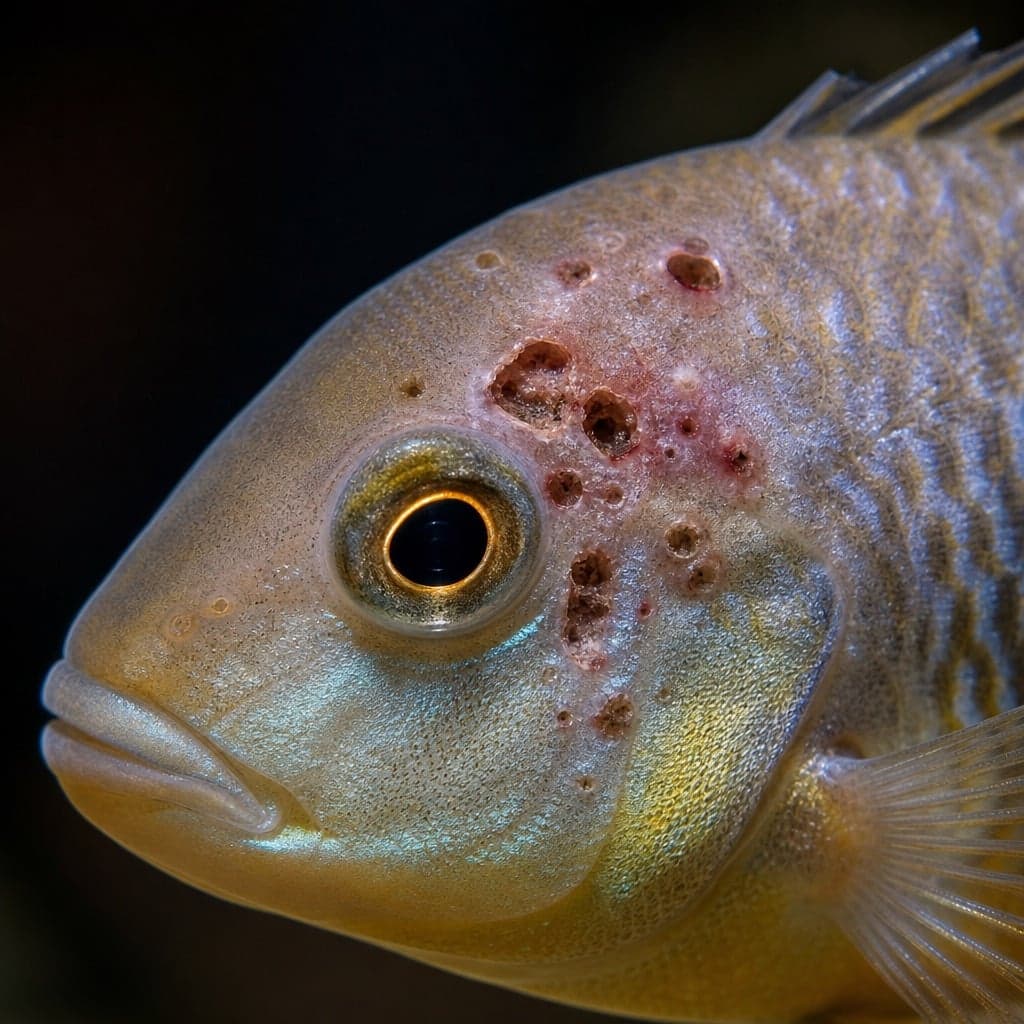
Xingu Orange Pike Cichlids can develop ich, bacterial infections, or hole-in-the-head when water quality declines or diet is poor. Maintain strong filtration, regular water changes, and a varied high-protein diet. Quarantine new fish and watch for clamped fins, lesions, or loss of appetite. Stable parameters and low stress keep these cichlids healthy and colourful.