Magnum Plec L047: Baryancistrus chrysolomus
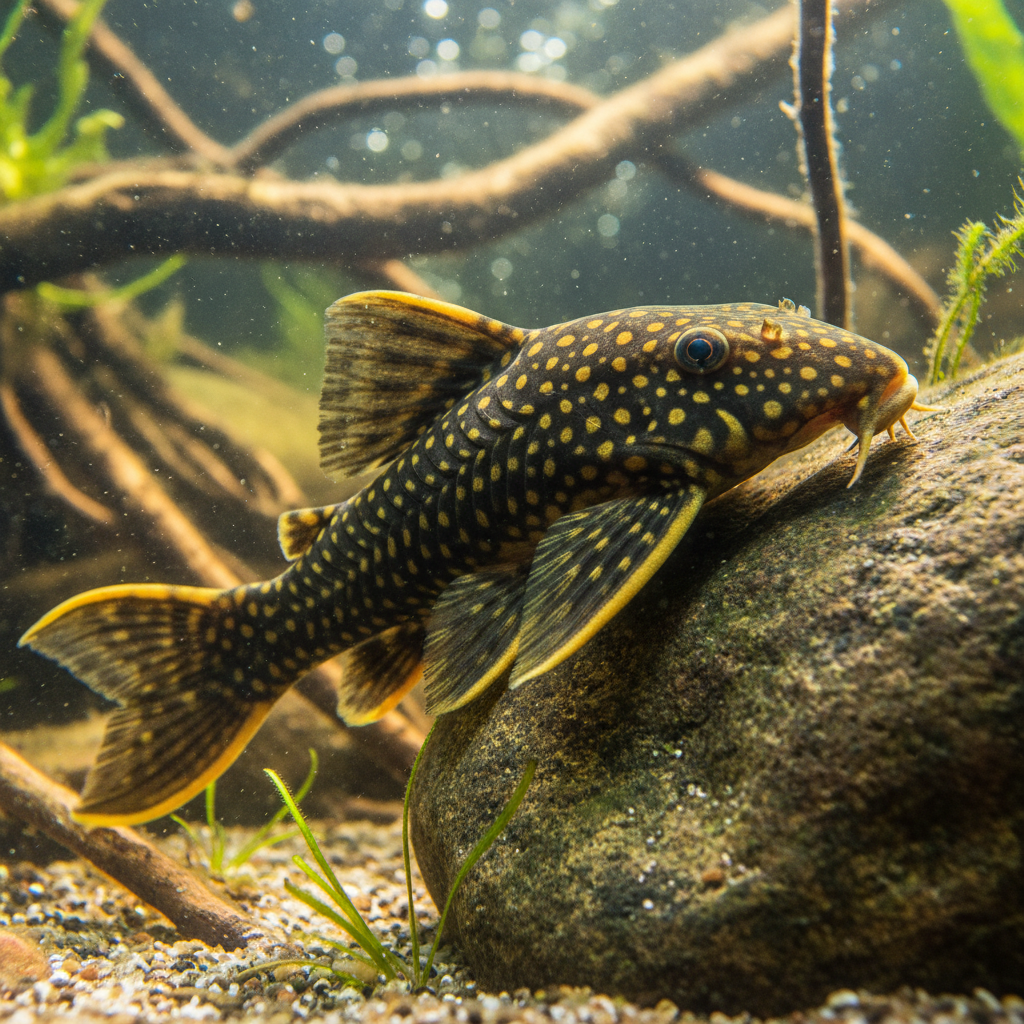
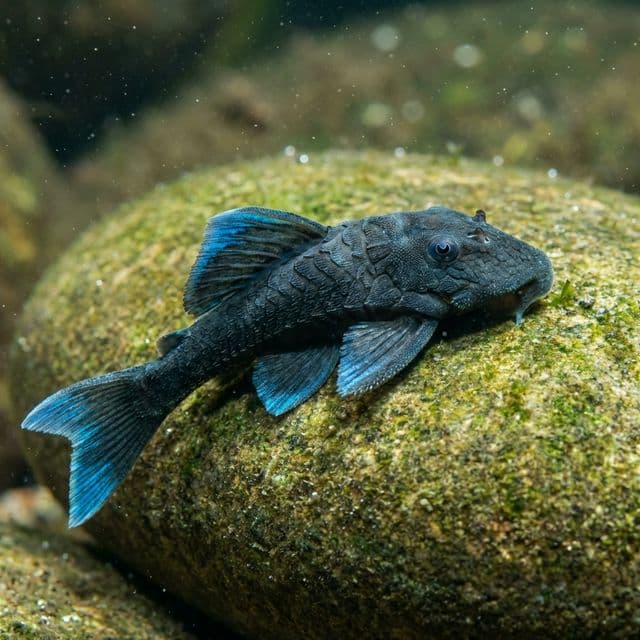
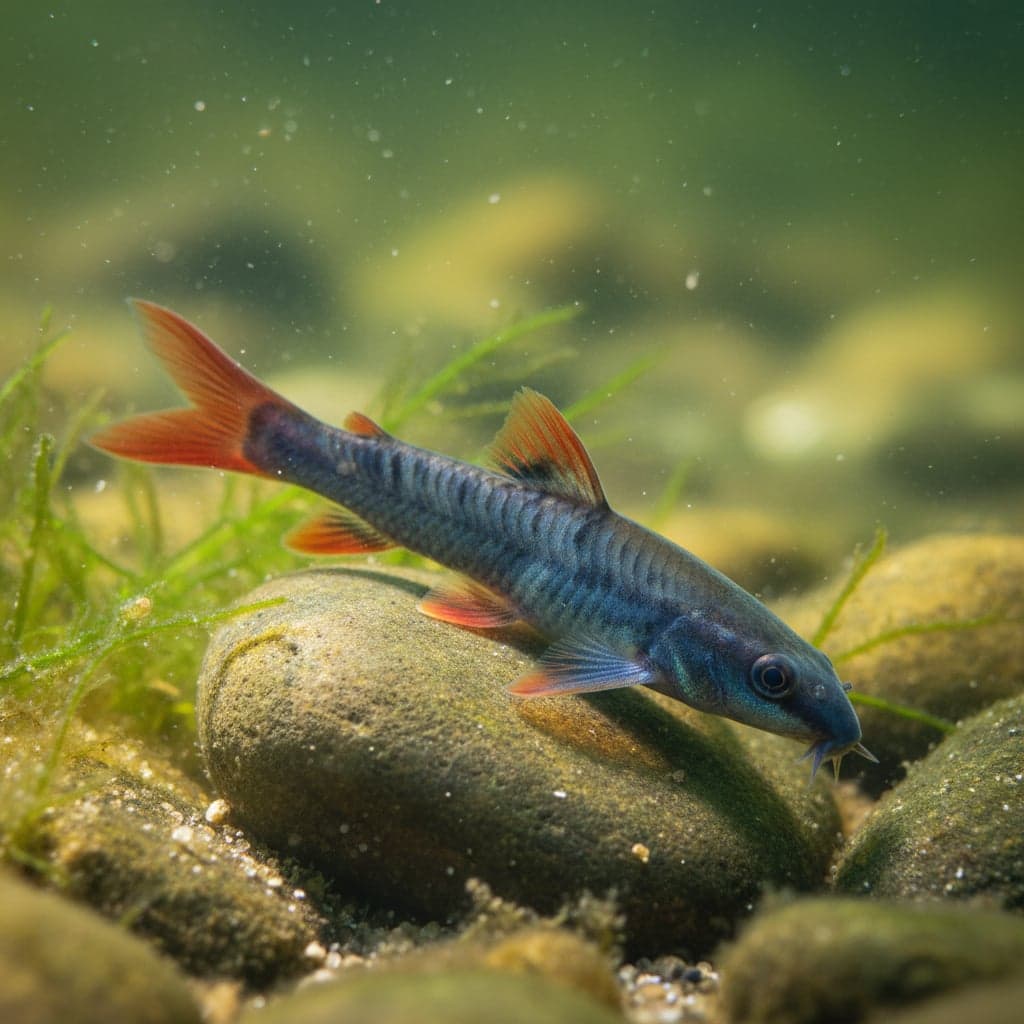
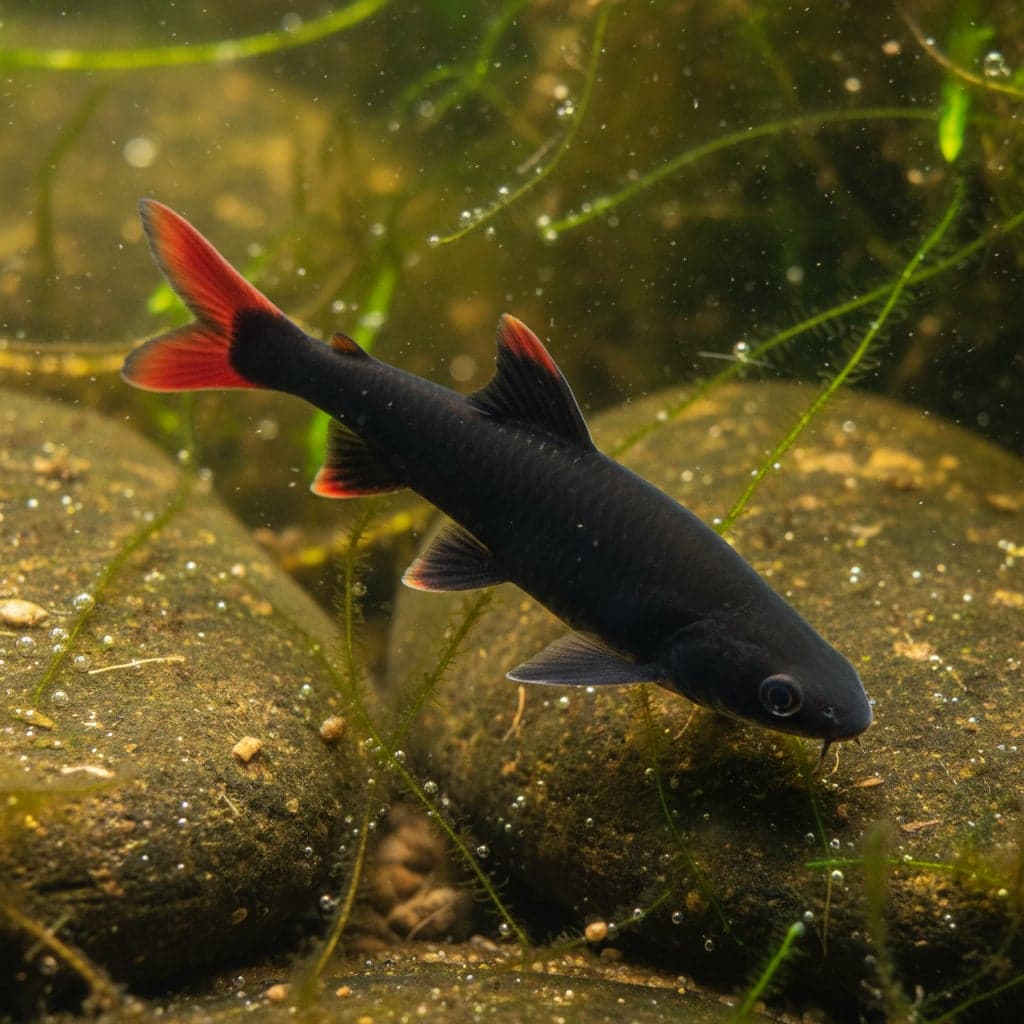
A stunning, uniformly dark pleco adorned with thick, brilliant yellow-orange seams on its dorsal and tail fins.
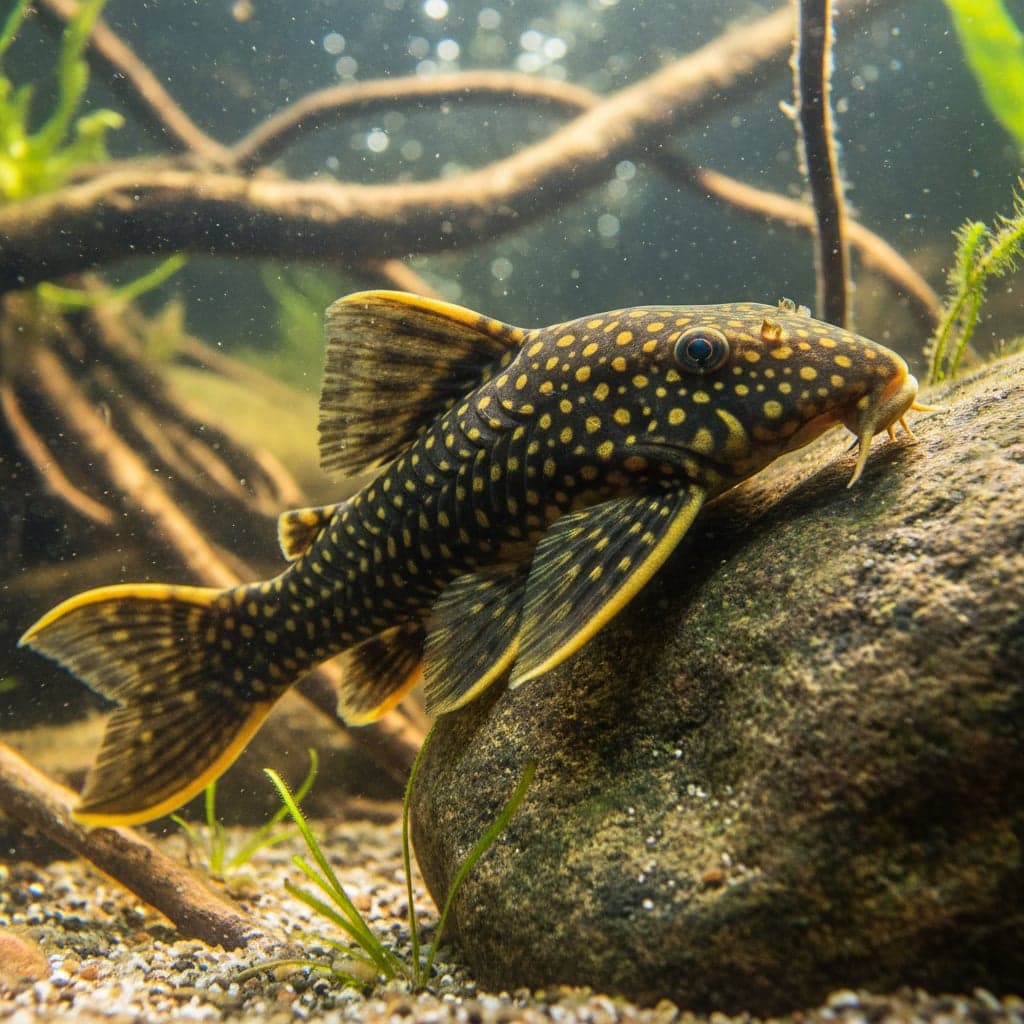
Magnum Plec L047
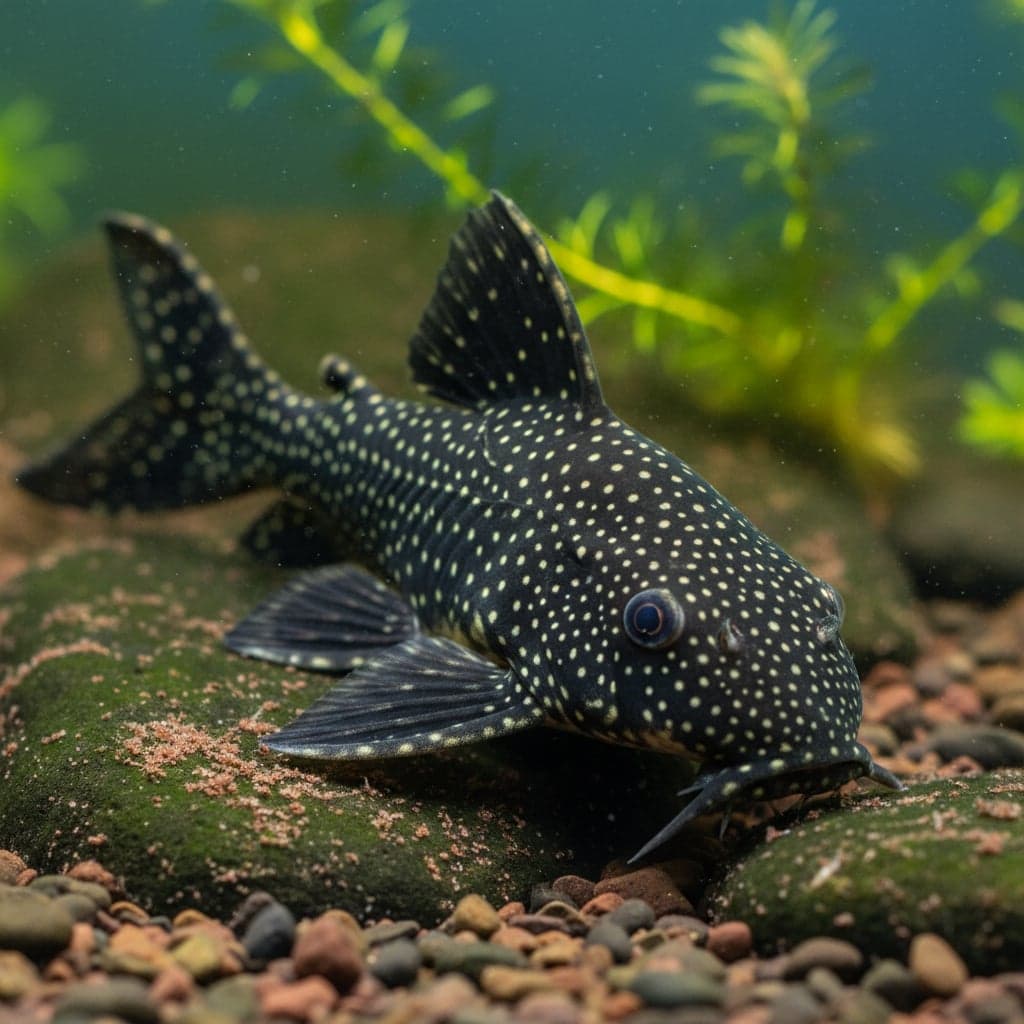
The Magnum Plec L047, scientifically known as Baryancistrus chrysolomus, is a stunning catfish that has captivated aquarium enthusiasts with its striking appearance and compelling behavior. This freshwater fish is characterized by its beautiful coloration, featuring a deep, rich body adorned with intricate patterns that can include golden spots and a striking contrast against a darker background. Its uniqueness is not merely aesthetic; the Magnum Plec L047 is also celebrated for its algae-eating capabilities, making it a beneficial addition to planted aquariums and community tanks alike. As one of the more sought-after species among aquarists, the Magnum Plec symbolizes the diverse range of aquatic life that can be showcased in a home aquarium.
In the aquarium hobby, the Magnum Plec L047 stands out not just for its visual appeal but also for its ecological significance. As a part of the Loricariidae family, this species plays a vital role in maintaining the health of its natural environment by controlling algae growth and contributing to the overall biostability of aquatic systems. With its hardy nature and adaptability to various tank conditions, the Magnum Plec L047 is an ideal choice for both novice and experienced aquarists looking to enhance their tanks with a character-rich and visually stunning fish.
Natural Habitat & Origin
The Magnum Plec L047 hails from the Amazon River basin, particularly in regions of Brazil, where it inhabits slow-moving rivers, streams, and the intricate network of floodplain lakes. These waters are often characterized as blackwater streams, rich in tannins and organic material, creating a low-light environment that is rich in biodiversity. The natural habitat of the Magnum Plec L047 consists of submerged rocks and driftwood, making these structures essential for not only shelter but also as grazable surfaces, where the fish can feed on algae and biofilm.
In its native habitat, the Magnum Plec L047 thrives in water conditions that are soft to moderately hard with a slightly acidic to neutral pH. Endemic to this lush environment, the fish is adapted to the variable temperatures of the tropical region, typically ranging from 24°C to 28°C (75°F to 82°F). Understanding its natural habitat allows aquarists to replicate the necessary conditions for the health and happiness of this species in captivity.
Care Requirements
To successfully keep a Magnum Plec L047, specific water parameters must be maintained. Ideally, the water pH should range from 6.5 to 7.5, along with a temperature of 24°C to 28°C (75°F to 82°F) to mirror its natural conditions. The hardness of the water can vary but should typically remain between 8 to 15 dGH. An effective filtration system is essential as it helps maintain water quality, as this species can be sensitive to changes in its environment.
The tank size for a single Magnum Plec L047 should be a minimum of 75 gallons, with a longer tank being ideal to accommodate its need for swimming space. The substrate should be a soft material such as sand or fine gravel to protect its delicate barbels while foraging. Offering hiding places with driftwood, rocks, and caves is crucial for providing comfort, as this species often prefers dark, secure spaces to retreat when feeling threatened. While Magnum Plec L047s thrive in lower light conditions, some ambient lighting is acceptable to allow for occasional exploration of the tank.
Diet & Feeding
As an omnivorous species, the Magnum Plec L047 has a varied diet that includes plant material, algae, and protein-based foods. In the aquarium, it can be provided with high-quality sinking pellets or wafers designed for herbivorous or omnivorous fish, which will supply the necessary nutrients and promote healthy growth. Additionally, incorporating blanched vegetables such as zucchini, cucumber, or spinach will provide essential fiber and variety in its diet.
For optimal health, occasional treats of frozen or live foods such as bloodworms and brine shrimp can be included to boost protein intake. Regularly feeding a balanced diet will not only keep the Magnum Plec L047 healthy but also enhance its coloration and activity levels in the display tank.
Behavior & Temperament
The Magnum Plec L047 exhibits a generally peaceful temperament, making it suitable for community tanks. While they are primarily nocturnal, these fish are known for being quite shy during the day. It is ideal to provide plenty of hiding spots to reduce stress and allow for natural behavior. While they are not schooling fish and do not require companions of their own species, they can often be seen foraging alone or resting in their favored spots.
Though peaceful, individual temperament can vary; some Magnum Plec L047s may show territorial behaviors, especially against similar-looking bottom dwellers. To mitigate aggression, it is advantageous to provide ample space, territory, and hiding spots to ensure that all fish feel secure within the tank.
Tank Mates
When selecting tank mates for the Magnum Plec L047, it is important to choose species that share similar water parameters and temperaments. Ideal companions include large tetras, peaceful cichlids, and other non-aggressive bottom dwellers such as Corydoras or Otocinclus. Additionally, larger community fish such as rainbowfish and rasboras can coexist harmoniously, as they generally inhabit higher areas of the tank than the Magnum Plec.
Species to avoid include highly aggressive or fin-nipping fish, such as certain types of barbs, and small species that may be perceived as prey, such as guppies and smaller tetras. Ensuring a balanced tank with compatible species is essential for the well-being and health of the Magnum Plec L047.
Breeding
Breeding the Magnum Plec L047 in captivity can be a challenge, primarily due to the specific conditions required for successful spawning. These fish typically exhibit cave-breeding behavior, laying their eggs in a secure location such as a spawning cave or under a piece of driftwood. The presence of driftwood is beneficial as it mimics their natural habitat.
Optimal conditions for breeding include maintaining perfect water quality, along with slightly higher temperatures (around 28°C / 82°F) and softer water conditions. Providing a diet rich in high-quality foods and ensuring that the fish are well-fed will encourage spawning. After fertilization, the male will guard and care for the eggs until they hatch, which can take several days. A well-planned breeding setup can lead to successful reproduction, allowing aquarists to enjoy the rewarding experience of breeding this beautiful fish.
Common Health Issues
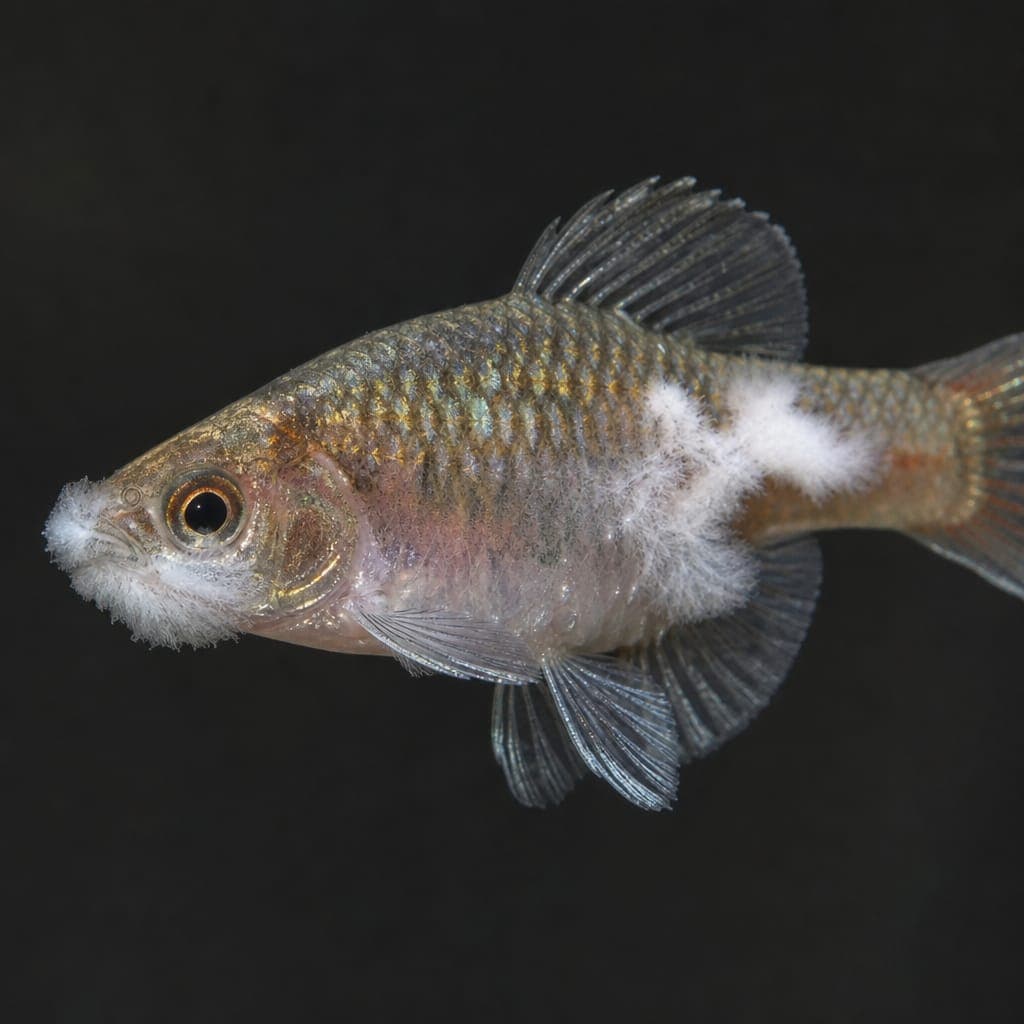
The Magnum Plec L047 can be prone to several common health issues, particularly if not kept in ideal water conditions. The most frequent concerns include ich (Ichthyophthirius multifiliis), which manifests as white spots on the body and fins due to stress or poor water quality. Other potential issues include fungal and bacterial infections, often exacerbated by injuries or poor tank hygiene.
Preventative measures such as maintaining stable water parameters, providing a varied and nutritious diet, and ensuring that the tank is well-filtered and regularly cleaned are crucial. Additionally, quarantine any new fish before introducing them into the main tank to reduce the risk of disease transmission. Regular health monitoring and prompt action at the first sign of illness can help keep the Magnum Plec L047 thriving in your aquarium.