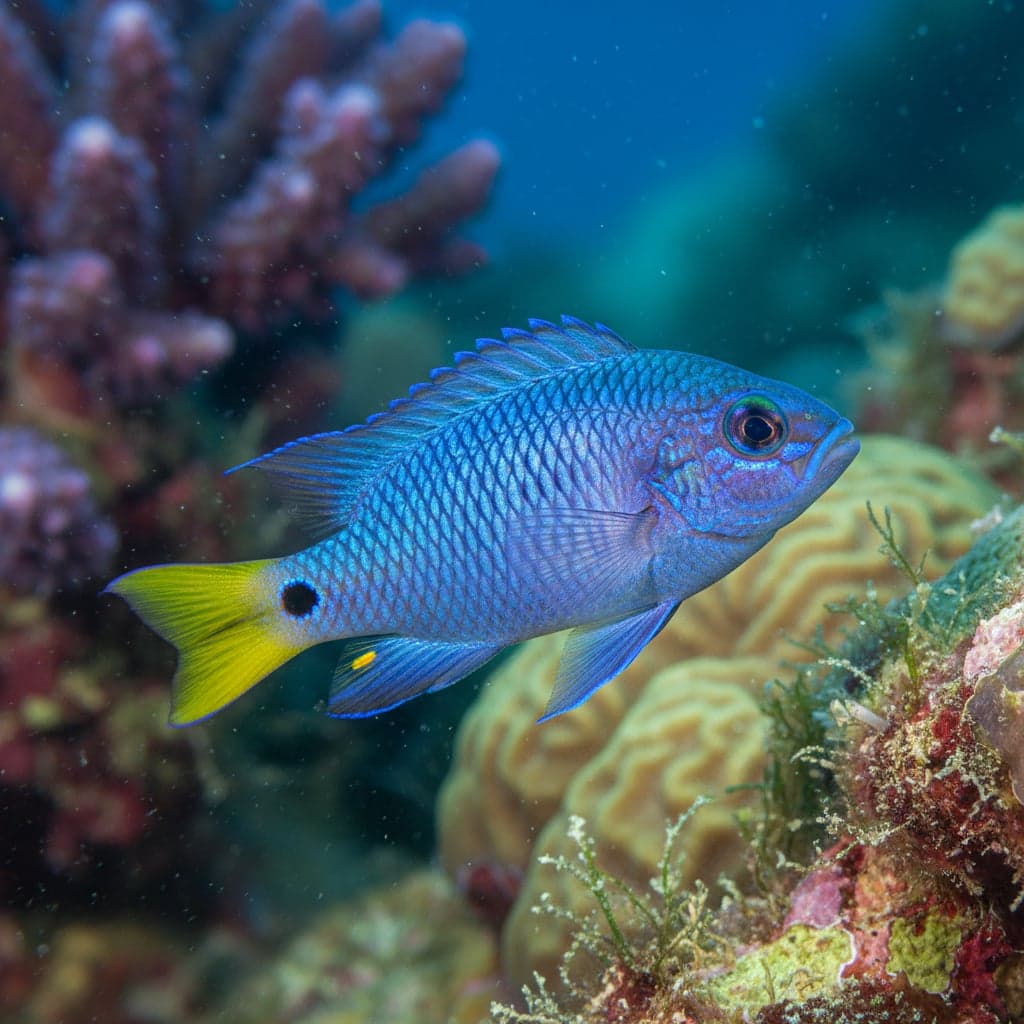
Azure Damselfish: Chrysiptera hemicyanea
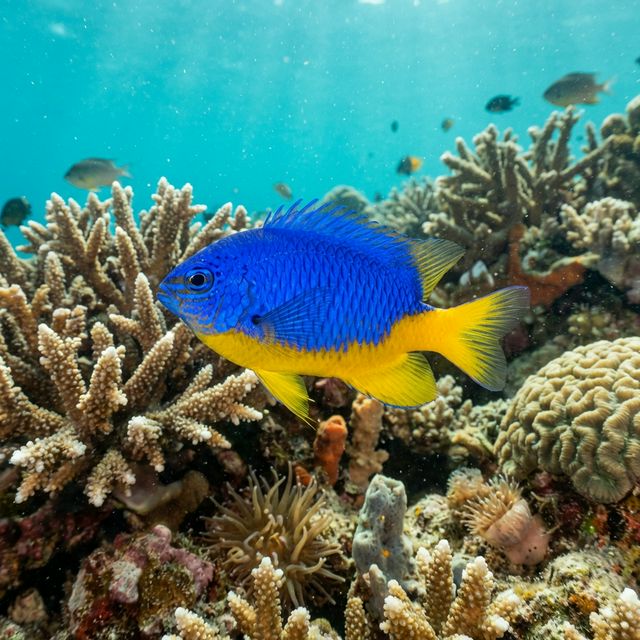
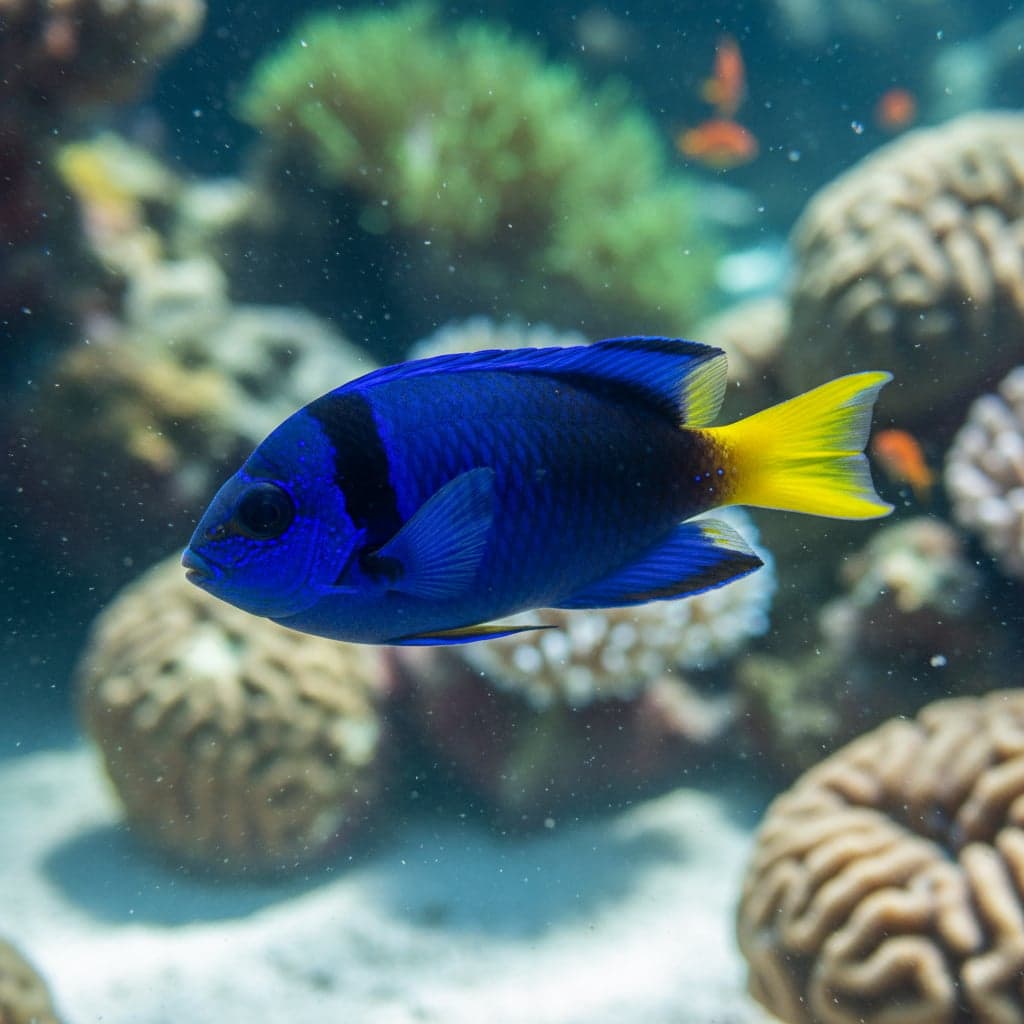
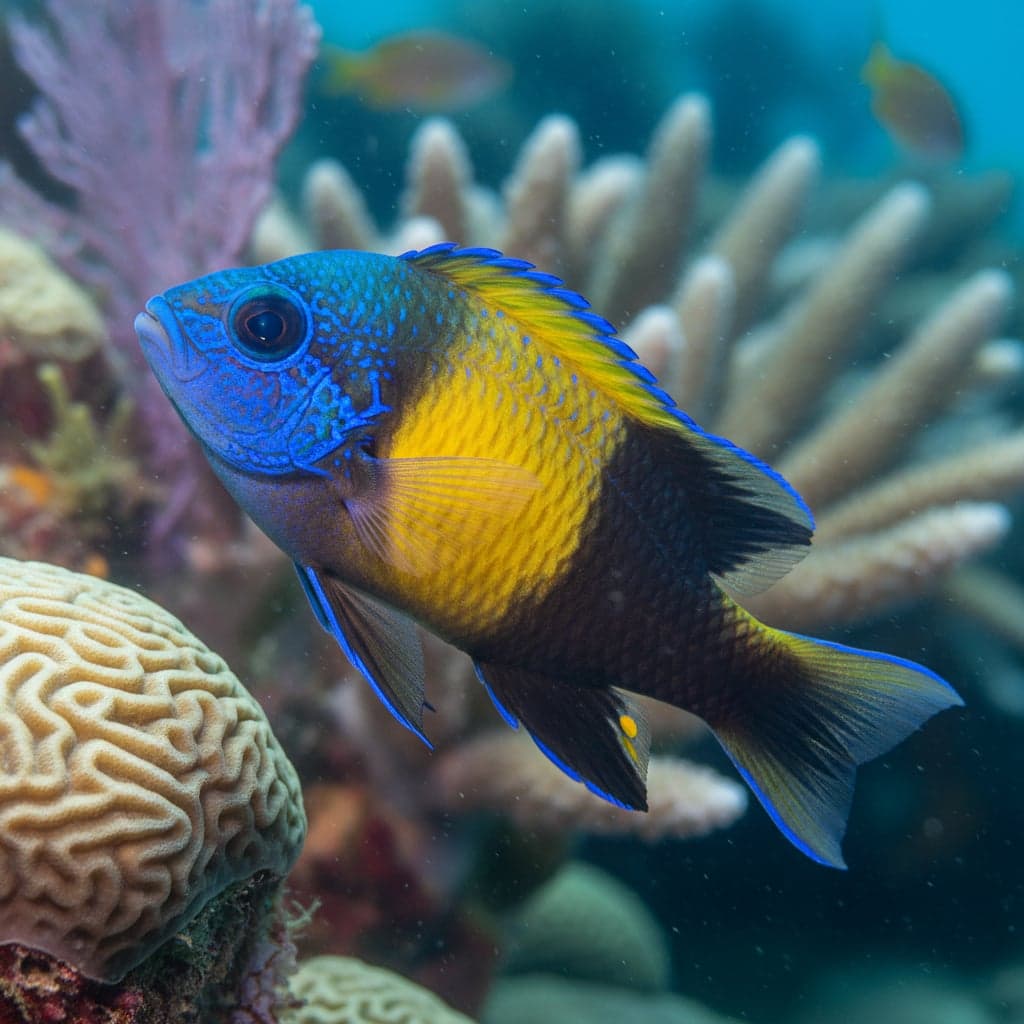
A vivid blue damsel with a bright yellow belly. Unlike most damsels, this species is relatively mild-mannered and suitable for community reefs.

Azure Damselfish
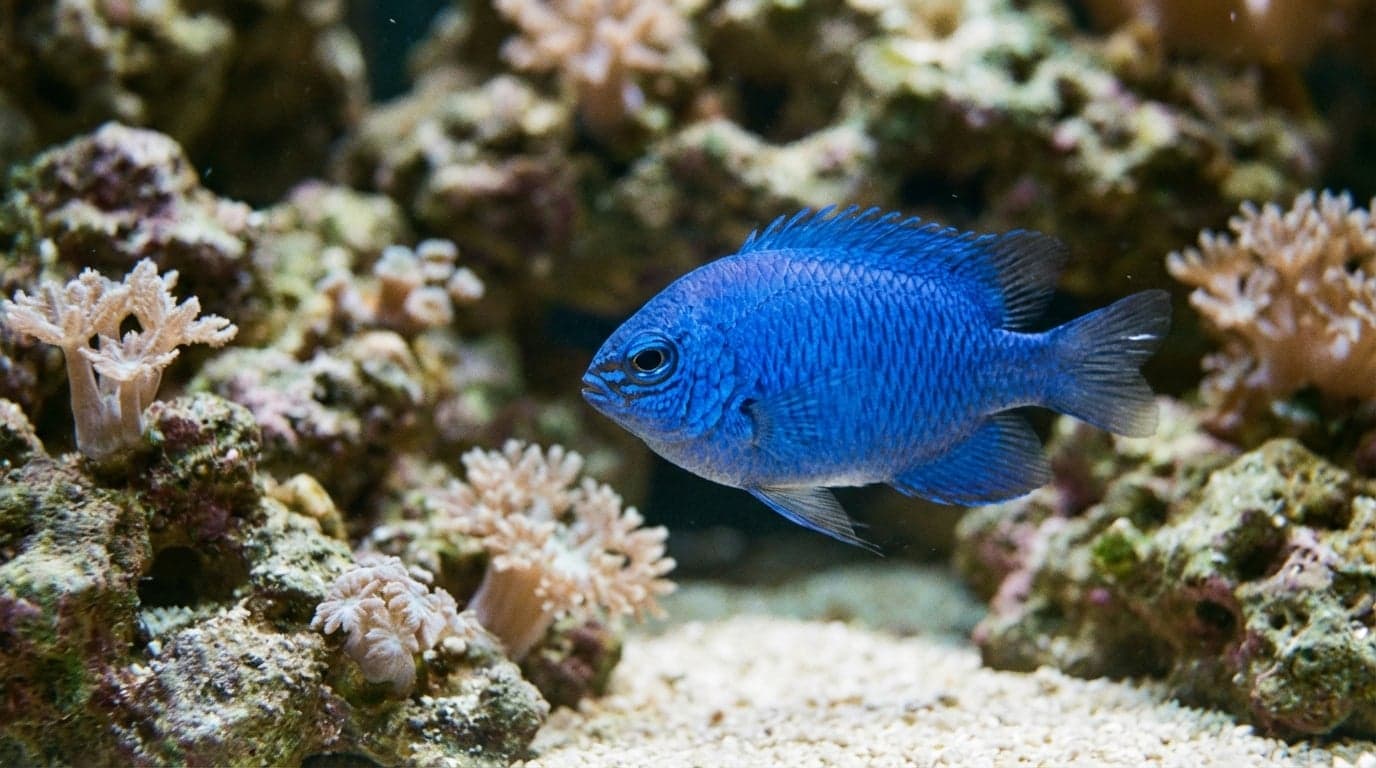
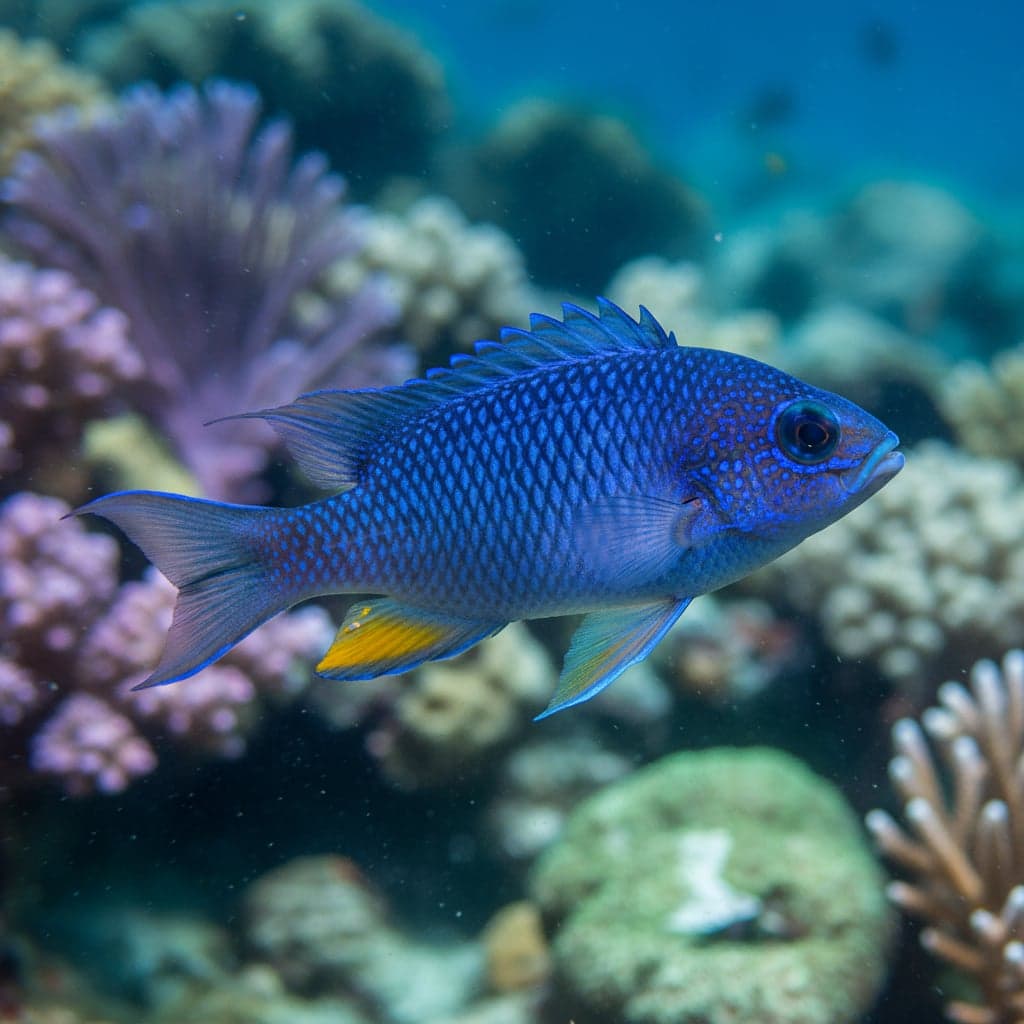
The Azure Damselfish, scientifically known as Chrysiptera hemicyanea, is a popular choice among both novice and experienced aquarists due to its vibrant coloration and bold personality. This small marine fish is easily recognizable by its strikingly bright blue body, which can sometimes exhibit yellow hues on its fins, creating a captivating contrast that enhances its visual appeal. Its dynamic color and lively behavior not only attract attention but also contribute to the overall aesthetic of a reef aquarium. In addition to their beauty, Azure Damselfish play a significant role in the aquarium hobby by being hardy and adaptable, making them suitable for various marine tank setups.
In the aquatic ecosystem, Azure Damselfish embody resilience and territoriality, often establishing themselves in particular areas of the reef. They are an integral part of reef habitats where they contribute to the biological diversity. Their significance is enhanced by their role in maintaining ecological balance, which is why many aquarists appreciate having them as part of a diverse tank community. As a species that thrives in the vibrant locales of the Indo-Pacific, their presence in home aquariums reflects the beauty of natural marine environments.
Natural Habitat & Origin
Azure Damselfish are native to the warm waters of the Indo-Pacific region, ranging from the eastern Indian Ocean, including Madagascar and Sri Lanka, to the Western Pacific, including the Great Barrier Reef and various islands in Micronesia. They typically inhabit coral reefs and lagoons where they can seek shelter among the rocky crevices and formations. The habitats they favor are rich in biodiversity, providing both food sources and breeding grounds while offering the shelter necessary to evade predators.
These fish thrive in clear to slightly turbid waters, often in areas characterized by moderate water movement. They are usually found at depths ranging from 1 to 30 meters. The environmental context of their natural habitat serves as a benchmark for maintaining their health in captivity, as replicating such conditions can lead to a more successful and visually appealing aquarium setup.
Care Requirements
To ensure the well-being of Azure Damselfish in captivity, specific water parameters must be maintained. The ideal pH level should range between 8.1 and 8.4, with a temperature between 72°F and 78°F (22°C to 26°C). The water hardness should fall between 8 to 12 dGH, mimicking their natural habitat conditions. When setting up the tank, it's recommended to have a minimum size of 20 gallons, as this provides ample swimming space and territory for the intent of reduced aggression.
The substrate should ideally consist of fine coral sand, allowing the fish to forage naturally. Live rock and well-established reef structures are crucial for both aesthetic appeal and functional enrichment, as they provide hiding spots and breeding grounds. In terms of lighting, a moderate level with a natural day/night cycle is suggested to mimic their natural environment, while using sturdy marine plants like macroalgae can improve both aesthetics and water quality.
Diet & Feeding
Azure Damselfish are classified as omnivores, requiring a balanced diet that includes both plant and animal matter. Their diet should consist of high-quality flakes and pellets designed for marine fish, which can be complemented with additional offerings such as frozen or live foods, including brine shrimp, mysis shrimp, and finely chopped seaweed. Providing a varied diet will ensure they receive all necessary nutrients for health and growth, especially during their early developmental stages.
Feeding should be done multiple times a day in small portions to avoid overfeeding and maintain water quality. Observing their feeding habits can also help aquarists identify preferences and dietary needs, as individual fish may show particular inclinations toward certain food types.
Behavior & Temperament
Azure Damselfish exhibit a lively and sometimes territorial demeanor, particularly as they mature. They are known to claim specific areas in the tank, leading to aggressive behaviors, especially towards newcomers or other similar-sized fish. Despite this tendency, they can coexist with other fish if given enough space and hiding areas.
Socially, these fish are often found in small groups; however, they do not require extensive schooling behaviors. They typically occupy the mid to upper levels of the tank, readily darting around and exploring their environment. Observing their behavior can be a fascinating experience, as they display a combination of boldness and playfulness.
Tank Mates
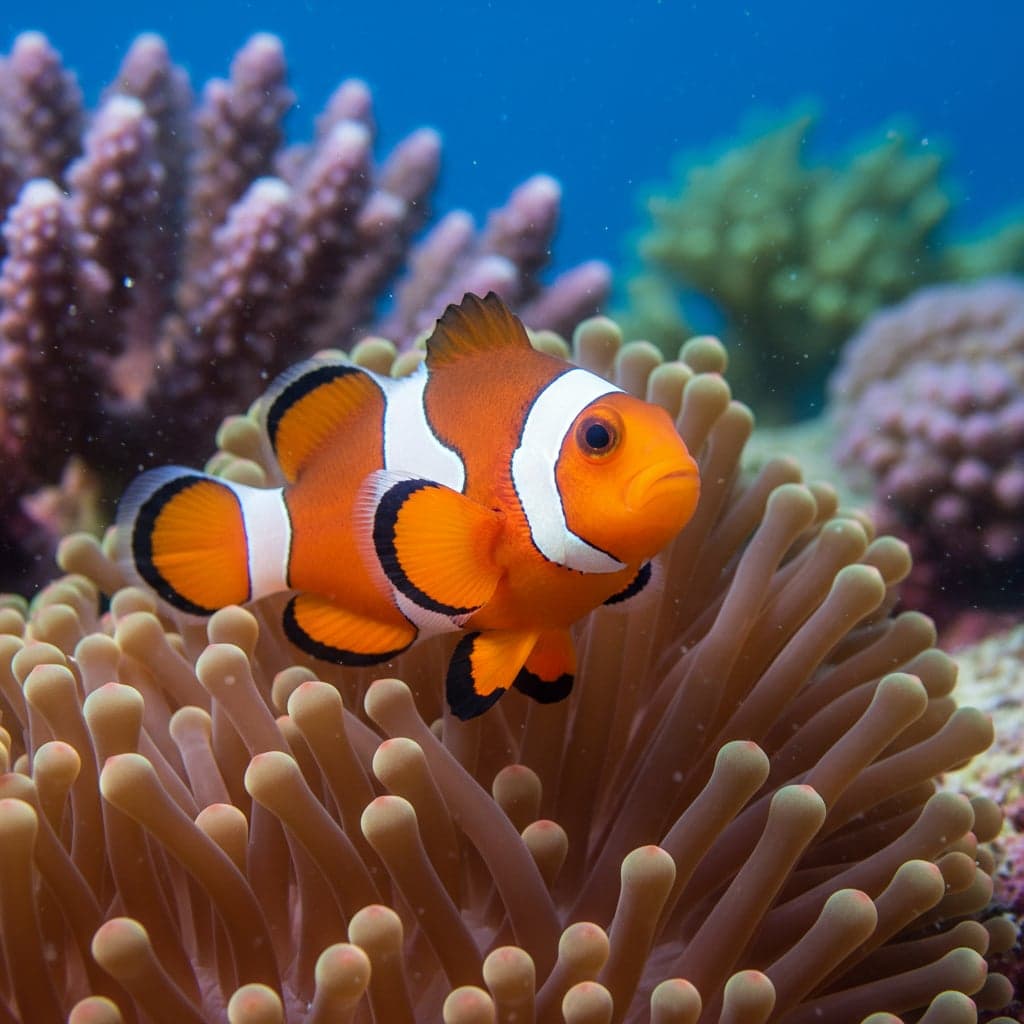
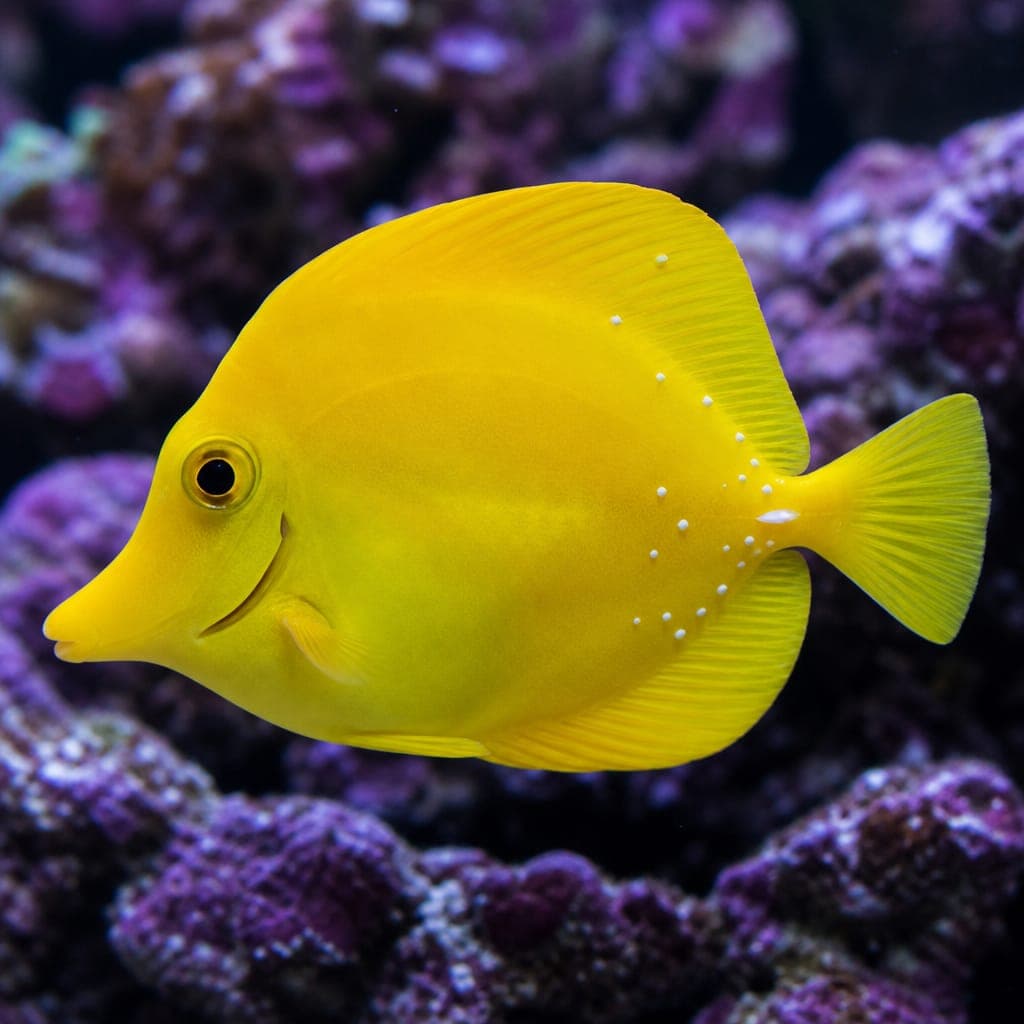
When selecting compatible tank mates for Azure Damselfish, it's important to choose species that can withstand their occasionally aggressive nature. Ideal partners include peaceful reef fish such as clownfish, gobies, and various types of tangs. Additional suitable species might involve blennies and small wrasses, which can share space while providing enough diversity in size and behavior to reduce territorial disputes.
Conversely, it is advisable to avoid housing them with more timid species or those that resemble them, as this may provoke aggressive encounters. Larger aggressive fish can also be a poor pairing choice, as they may stress or even harm the Azure Damselfish. Successful community tanks rely on balanced interactions, ensuring a harmonious living environment.
Breeding
Breeding Azure Damselfish in captivity is possible but requires specific conditions. These fish are known to form monogamous pairs and exhibit distinct spawning behavior, often preferring nesting sites near their claimed territory. Providing flat surfaces, such as rocks or clay tiles, can stimulate breeding activity.
The spawning process typically involves a courtship display where the male shows off his colors to attract the female. After successful mating, the female will deposit her eggs on the chosen surface, while the male fertilizes them. It is essential to maintain excellent water quality, as well as optimize temperature (around 78°F) and salinity levels, to ensure successful hatching of the eggs. Separating the breeding pair after spawning can help protect the eggs from potential predation and aggression.
Common Health Issues
Azure Damselfish are generally hardy fish; however, they can be susceptible to some common marine ailments. These include ich (marine white spot disease), fin rot, and other opportunistic infections, especially if the water quality is poor. Preventive measures such as maintaining stable water parameters, conducting regular water changes, and providing a stress-free environment are essential to reducing the risk of disease.
Monitoring the fish for signs of distress, such as clamped fins or lethargy, is crucial, as early detection can lead to swift treatment. Additionally, practicing good quarantine procedures when introducing new fish helps mitigate the risk of introducing illnesses into a well-established aquarium. By adhering to these practices, aquarists can ensure a healthier and more sustainable environment for their Azure Damselfish.