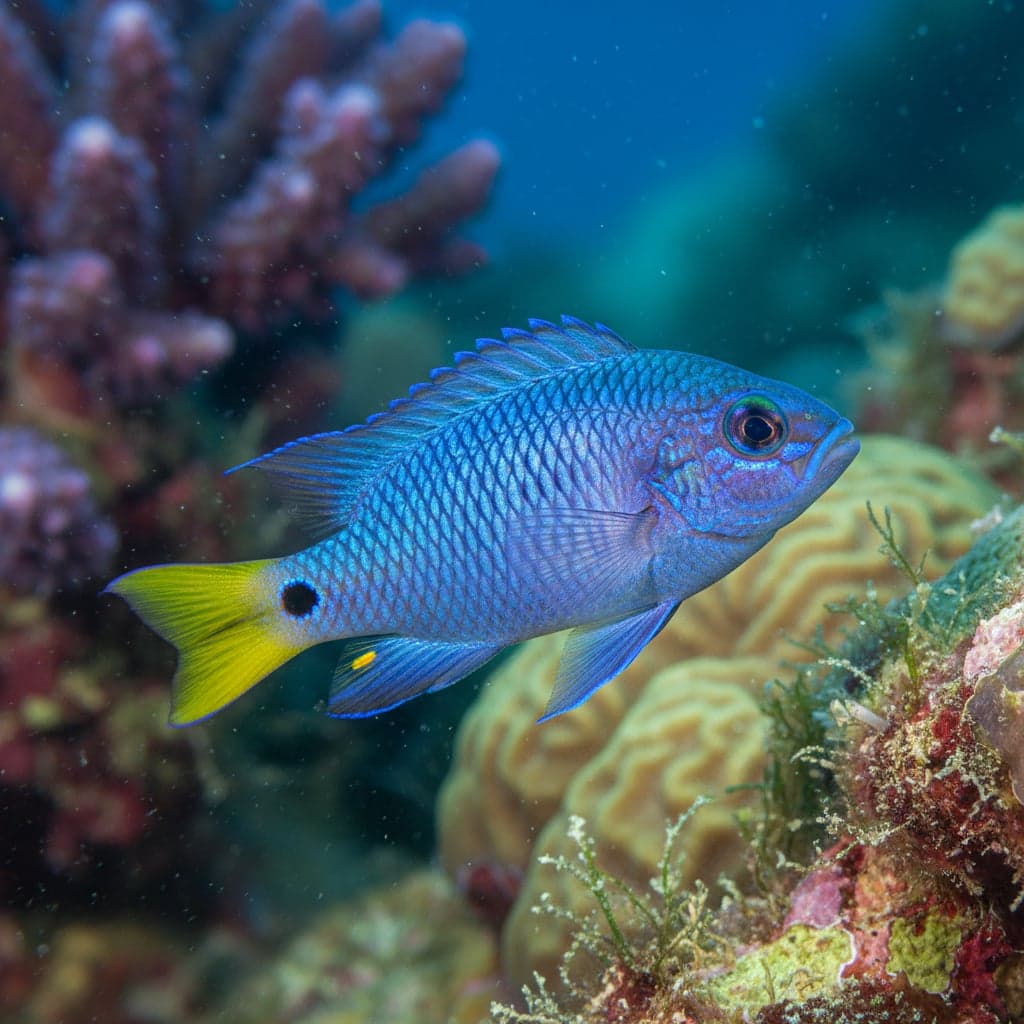
Regal Damselfish
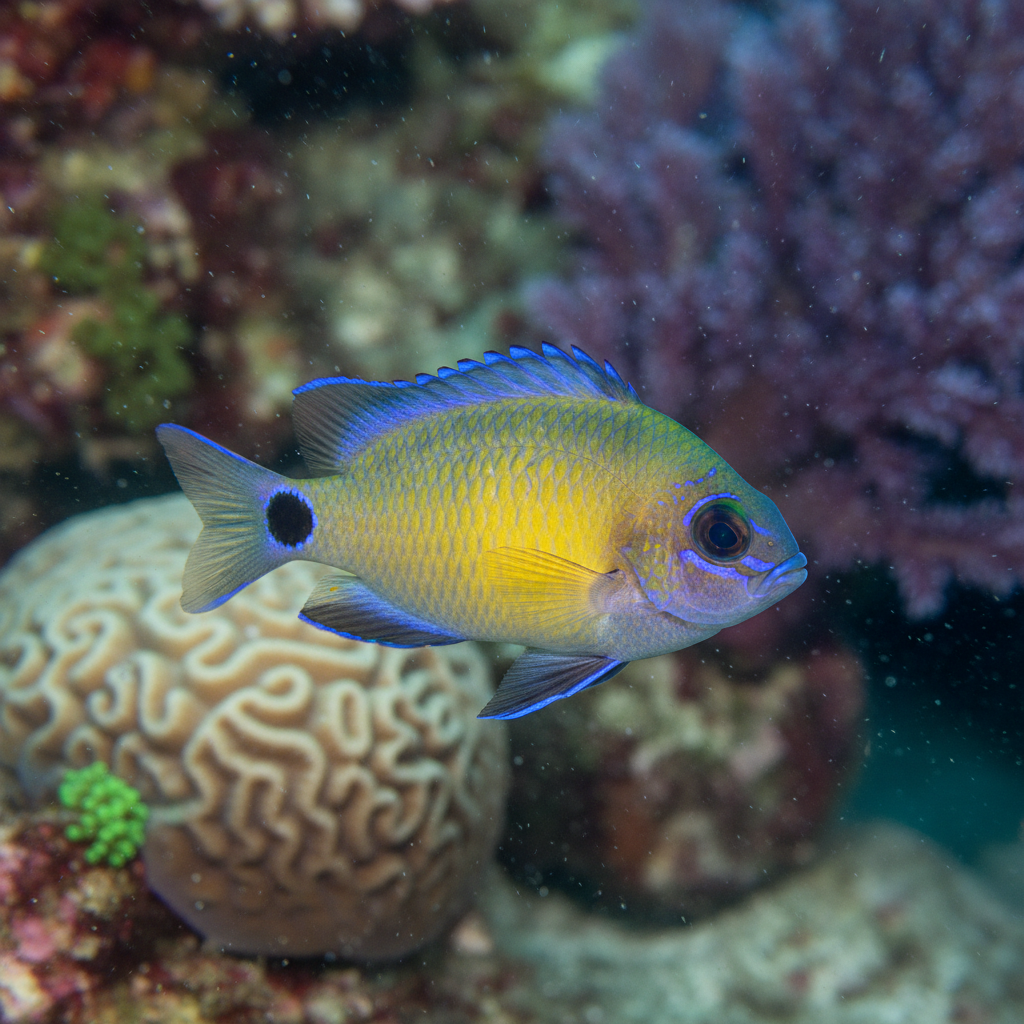
The Regal Damselfish (Chrysiptera hemicyanea) is a small, vivid blue-and-yellow reef damsel — hardy and reef-safe, but feisty like its relatives.

Regal Damselfish
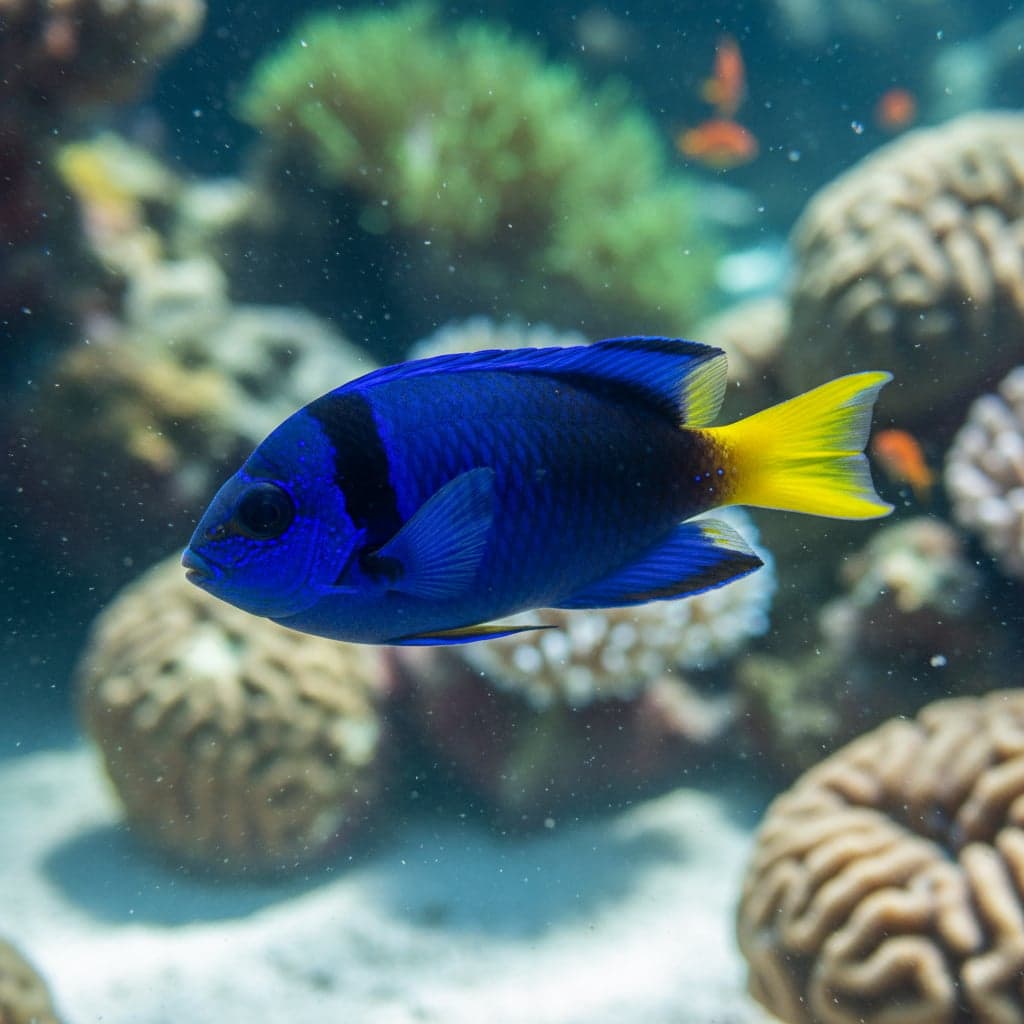
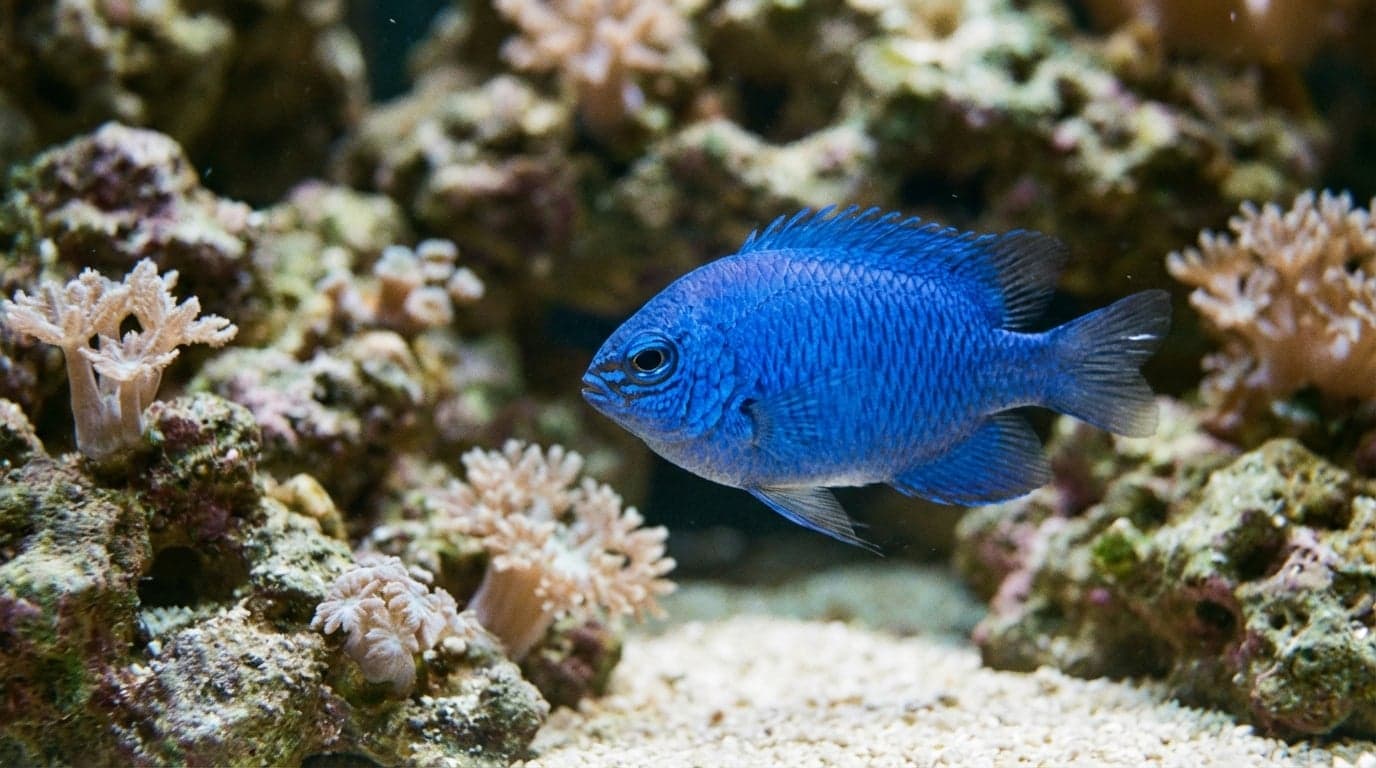
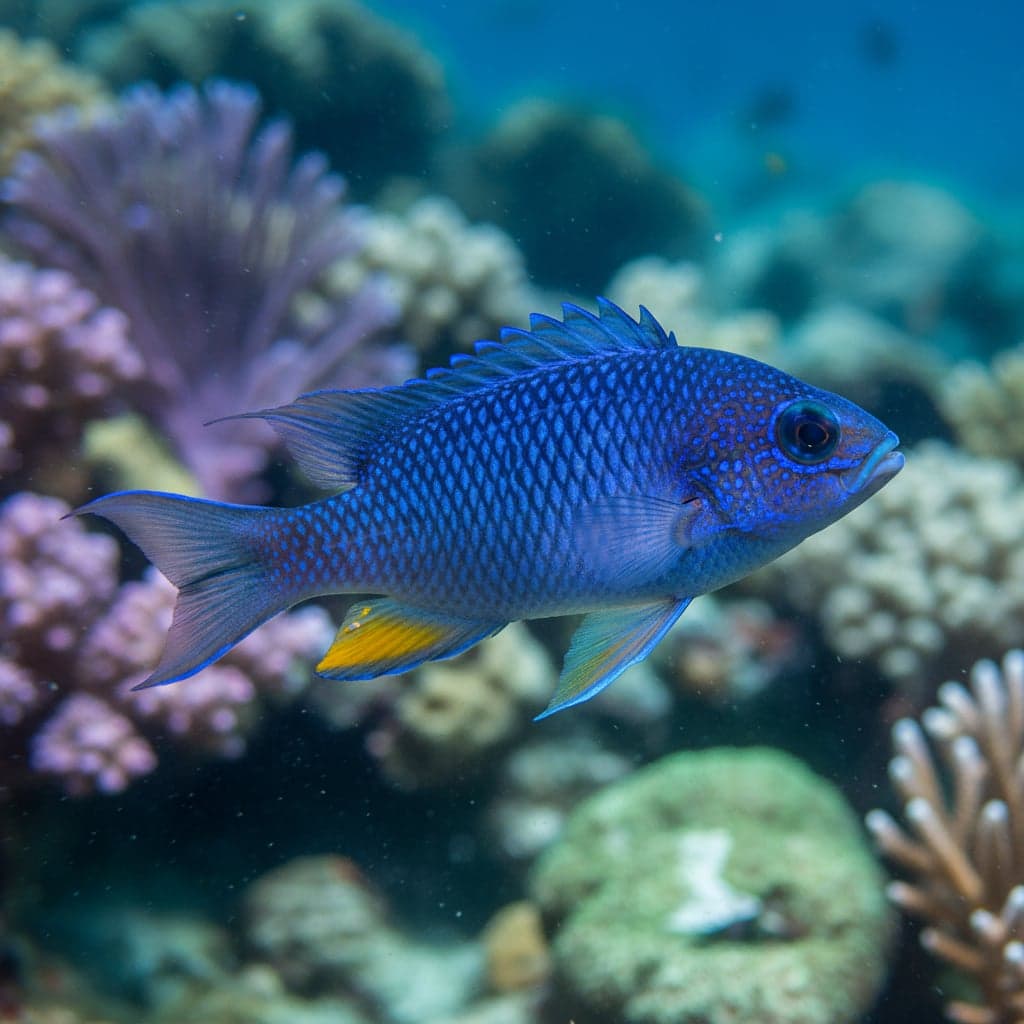
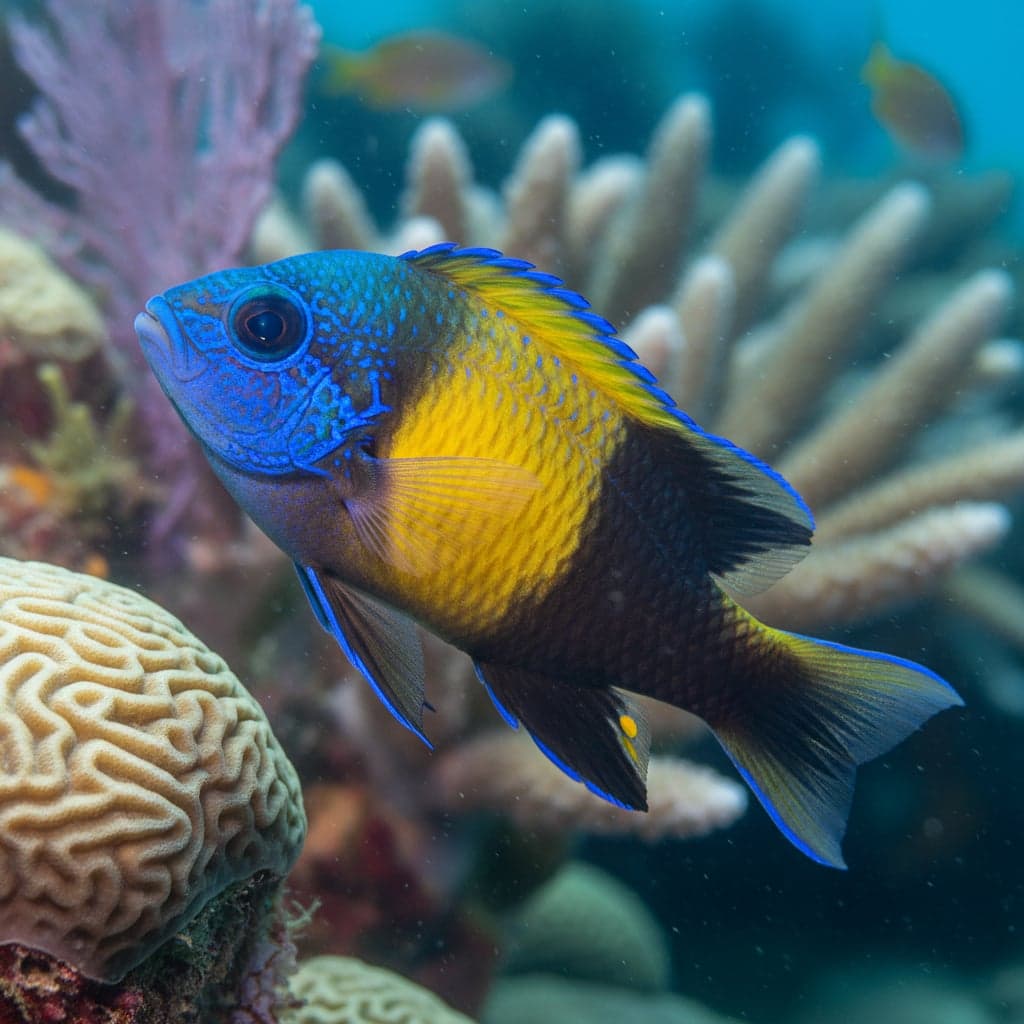
The Regal Damselfish (Chrysiptera hemicyanea), also sold as the azure or half-blue demoiselle, is the small reef fish people buy for colour and then discover for attitude. The upper body and face are electric blue; the belly, tail and lower fins switch abruptly to bright yellow. That split is the whole visual pitch — and it stays vivid under reef lighting without special diet tricks. Hardy, cheap and reef-safe with corals, it is a genuine beginner marine fish on water chemistry. Temperament is the part that is not beginner-proof.
The trade-off is the damsel contract. Toughness and a willingness to eat almost anything come with a fish that claims rock, chases smaller neighbours and remembers who arrived first. Buy it for a splash of blue in a system that can absorb that energy — not as a peaceful centrepiece for timid stock.
Natural Habitat & Origin
Chrysiptera hemicyanea is a western Pacific reef damsel. It stays close to branching coral and rubble, darting into cover when threatened and returning to the same small patch of reef to feed. Territories are measured in metres, not tank lengths: a fish that looks tiny in a shop bag is already practising the same perch-and-chase behaviour it will use on live rock at home.
In the aquarium that maps to structure first. Open sand with a single rock pile leaves nowhere to claim and nowhere to flee, which raises harassment. Dense live rock with caves, overhangs and branching heads lets it pick a home base and spend most of the day in view rather than locked in a corner fight.
Care Requirements
Keep ordinary stable marine water: salinity about 1.024–1.026, pH 8.1–8.4, temperature 24–26°C (75–79°F). Adults reach roughly 7 cm (about 3 inches). The listed minimum of around 75 litres (20 US gallons) is a floor for a single fish with serious rockwork, not a community packing guide. In that footprint the damsel’s territory is the whole rockscape; anything smaller or more passive gets pushed to the glass.
It is exceptionally hardy by marine standards — tolerant of beginner mistakes on feeding and modest parameter drift — but hardness is not a substitute for quarantine. New damsels still carry Cryptocaryon and Amyloodinium from the supply chain. Run arrivals through a separate quarantine tank before they meet the display; see medications for copper protocols that belong in QT, not on a reef with inverts. The old habit of using damsels as live “cycle detectors” is exactly how display tanks inherit ich before the first coral arrives.
Use the Aquarium Tracker to log salinity and temperature against your own readings so a slow drift shows up before the damsel’s colours dull and the chasing gets worse.
Diet & Feeding
In the wild this is an opportunistic omnivore: zooplankton, film algae and small benthic invertebrates. In the tank it is an undemanding, eager feeder. Offer frozen mysis and enriched brine shrimp, quality marine flakes or small pellets, and foods with a marine algae component so the yellow stays strong. Two small feeds a day beat one dump; damsels will gorge and then foul a small system if you treat them like goldfish.
They rarely refuse food once settled. A fish that stops eating is almost always stressed by water quality, shipping damage or tankmate pressure rather than being a picky eater. That is useful: appetite is a daily health check.
Behavior & Temperament
Semi-aggressive and territorial in the classic damsel sense. It punches above its size, especially toward similarly shaped fish and toward anything added after it has claimed the rock. In a small tank that claim is effectively the entire aquarium. Add the Regal Damselfish last when you can, so established residents already own space and the damsel has to negotiate rather than annex.
It is bold and diurnal — out in the open, defending a patch, rarely cryptic except when startled. That visibility is part of why people keep it; it is also why shy wrasses and gobies never settle if the damsel got there first.
Tank Mates
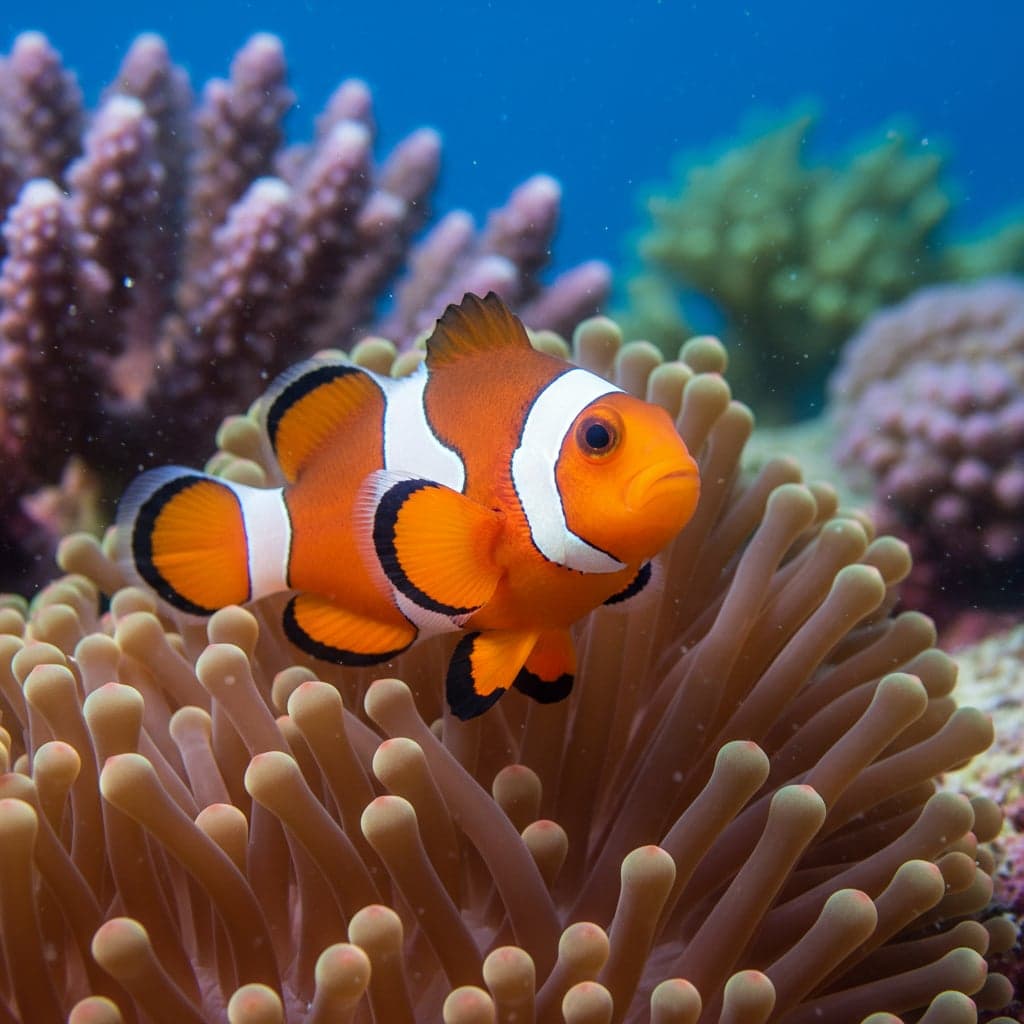
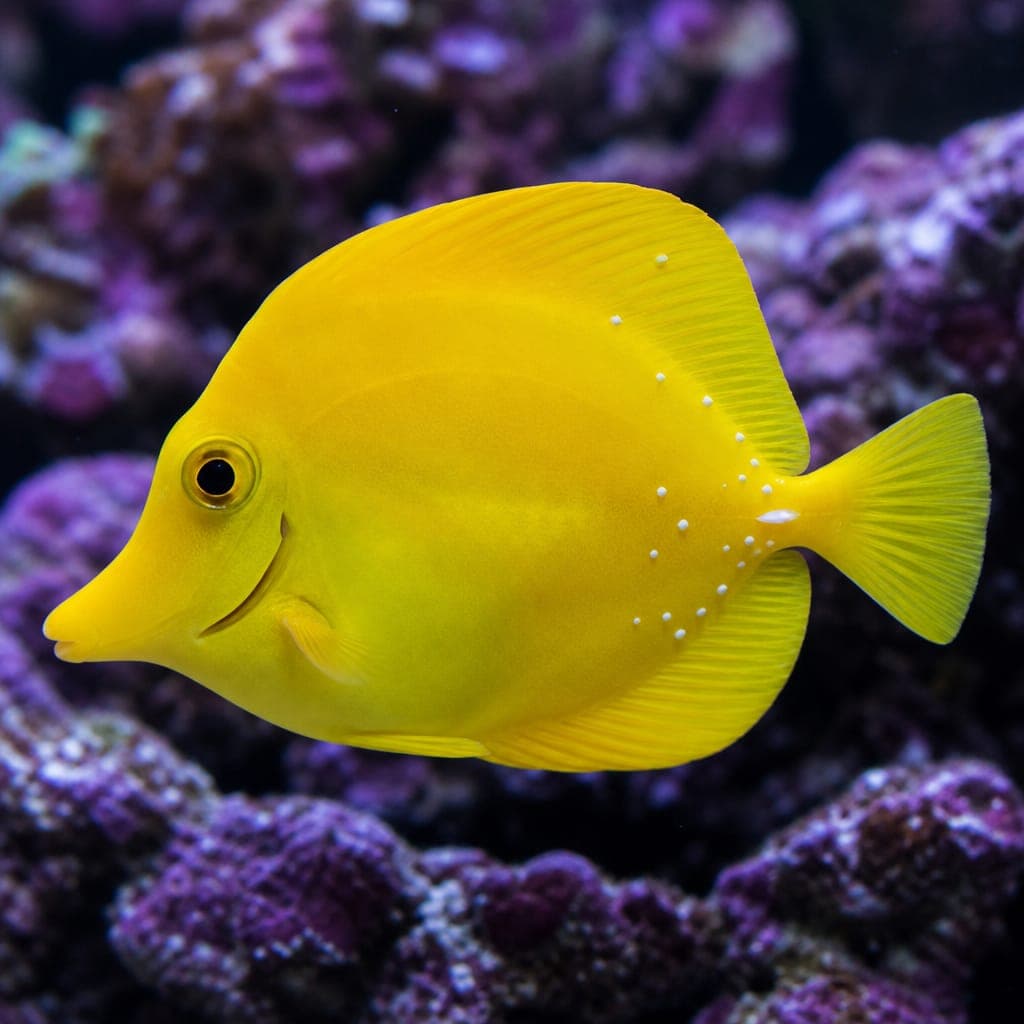
Pair it with robust fish that will not fold under harassment: clownfish, other damsels of similar size (with caution), larger wrasses, peaceful tangs in a roomy system, and similarly assertive reef fish. Avoid tiny, retiring species and anything that needs the same cave the damsel has decided is sacred.
Keep a single specimen in most home reefs. Multiple Chrysiptera in a small box produce constant squabbling that never fully resolves. It is fully reef-safe with corals and ornamental sessile invertebrates — it does not pick at polyps or clam mantles — which is the real reason it earns a place in mixed reefs despite the attitude.
Breeding
Like other damselfish, C. hemicyanea lays demersal eggs on a cleaned rock or glass surface. The male guards the clutch; larvae are pelagic and almost never reared past the first days in a home aquarium. Trade fish are wild-collected. Captive breeding exists at specialist scale but is not something to plan around when you buy one for colour.
Common Health Issues
This is among the hardiest marine fish sold, which is why shops use damsels as cycle livestock — a practice that still dumps stressed, pathogen-loaded fish into the trade. Marine ich (Cryptocaryon irritans) and marine velvet (Amyloodinium ocellatum) remain the main threats after shipping stress. Quarantine new arrivals, keep ammonia and nitrite at zero, and do not treat a display reef with copper.
Watch for fin damage from conspecific or tankmate fights; secondary bacterial infection follows torn tissue in warm saltwater faster than most beginners expect. Stable salinity, room to claim a territory without constant war, and a varied omnivore diet keep this blue-and-yellow damsel what it should be: an easy, vivid, slightly rude first marine fish rather than a quiet casualty.