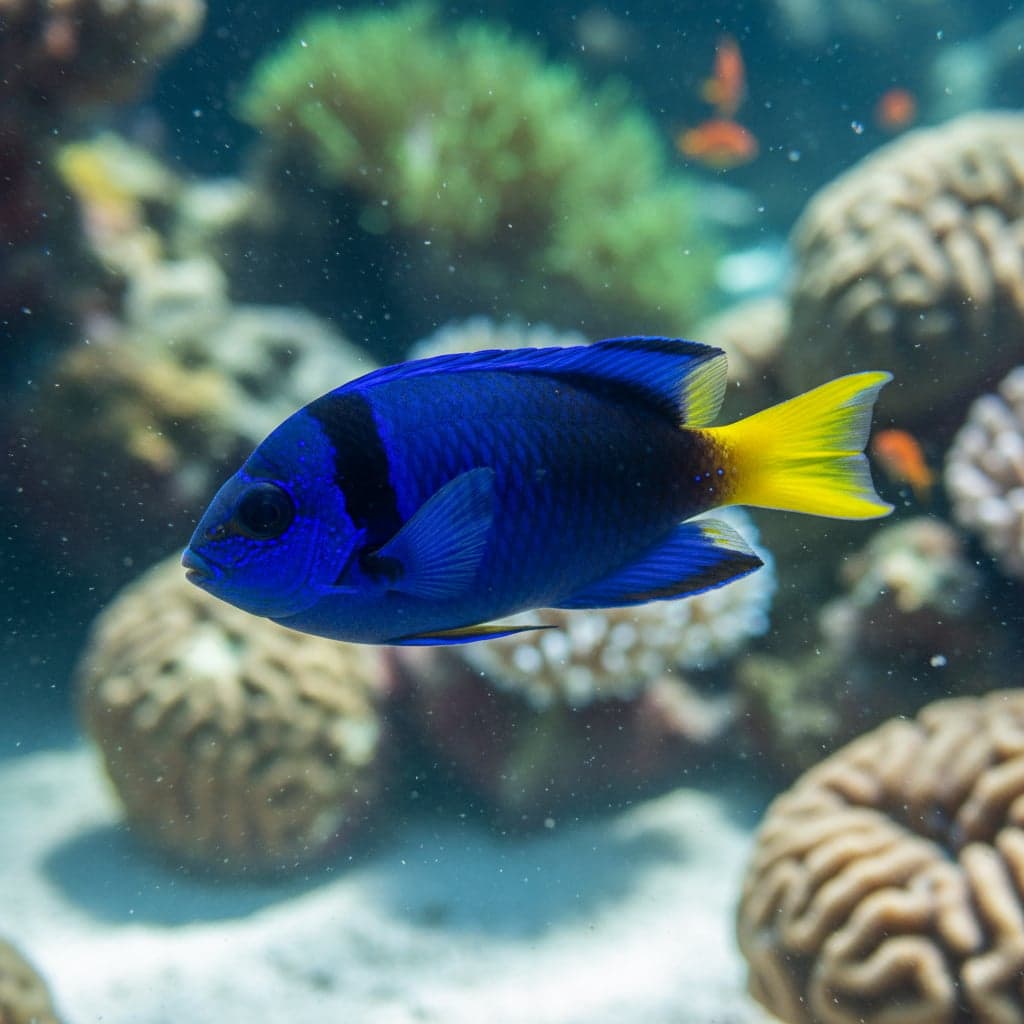
Starck's Damselfish
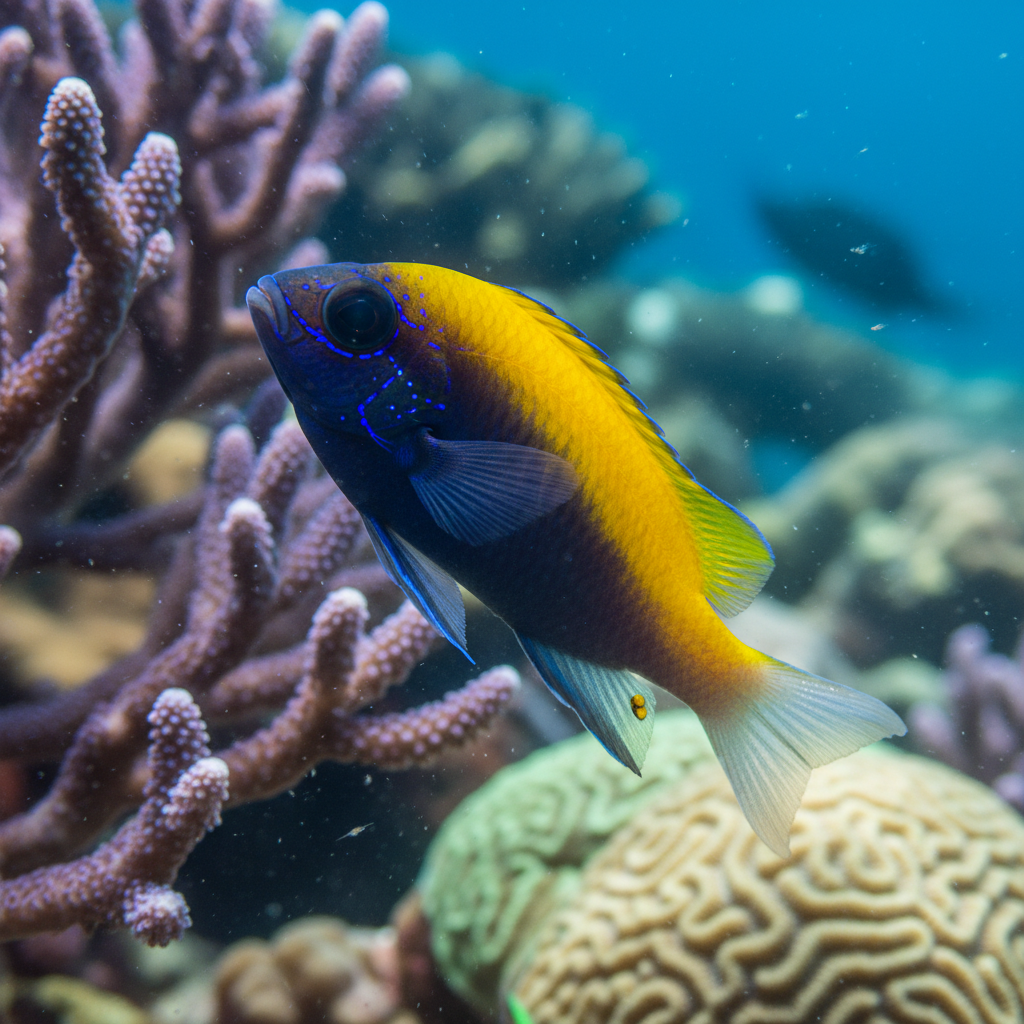
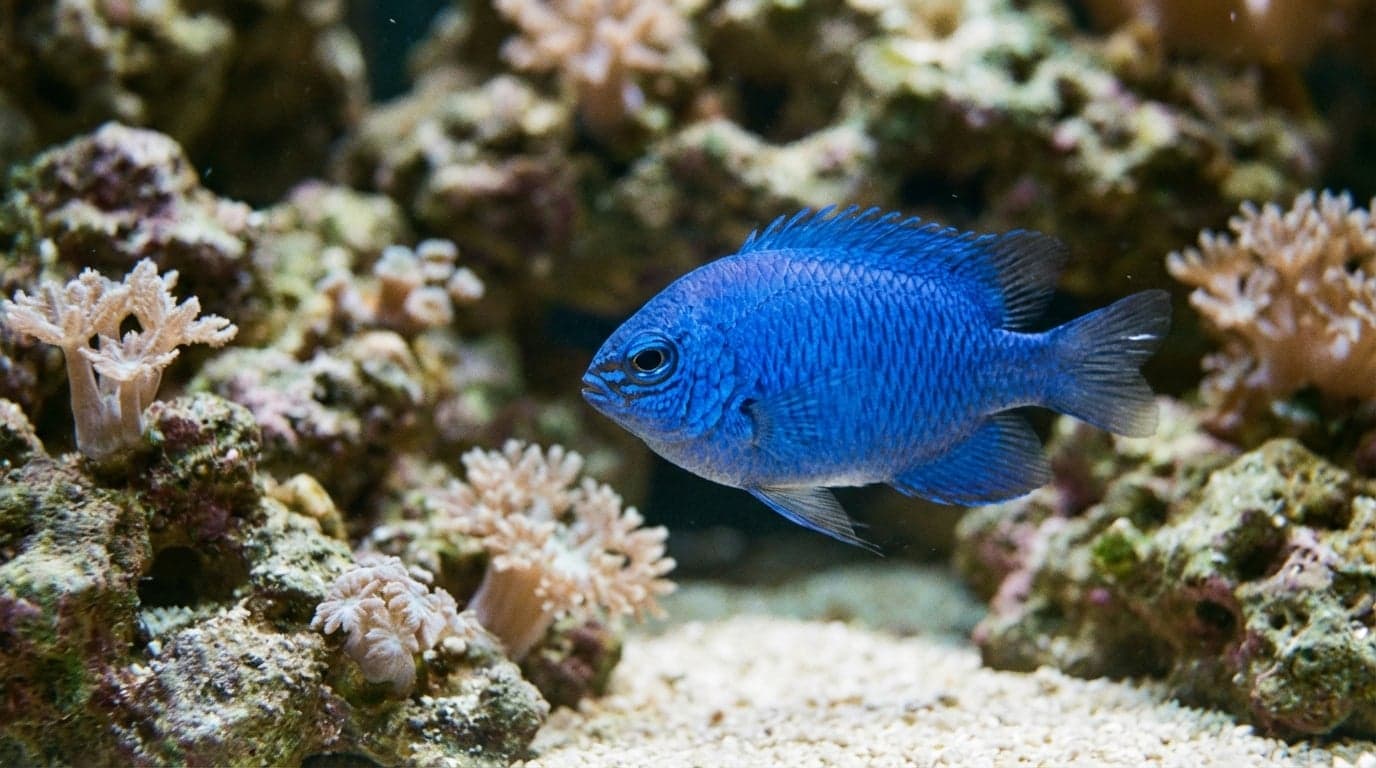
A 6cm damsel, blue with a yellow dorsal line. Deeper-water and calmer than most damsels, and reef safe.

Starck's Damselfish
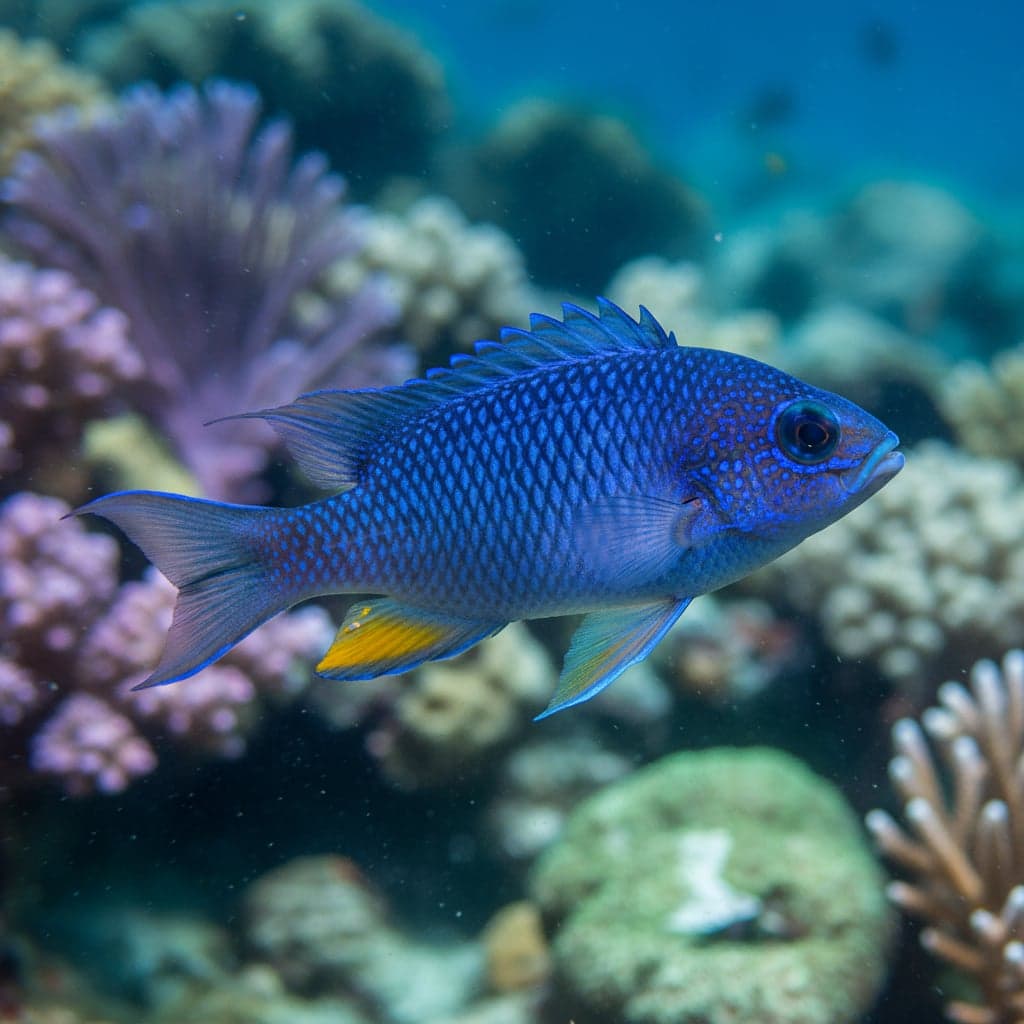
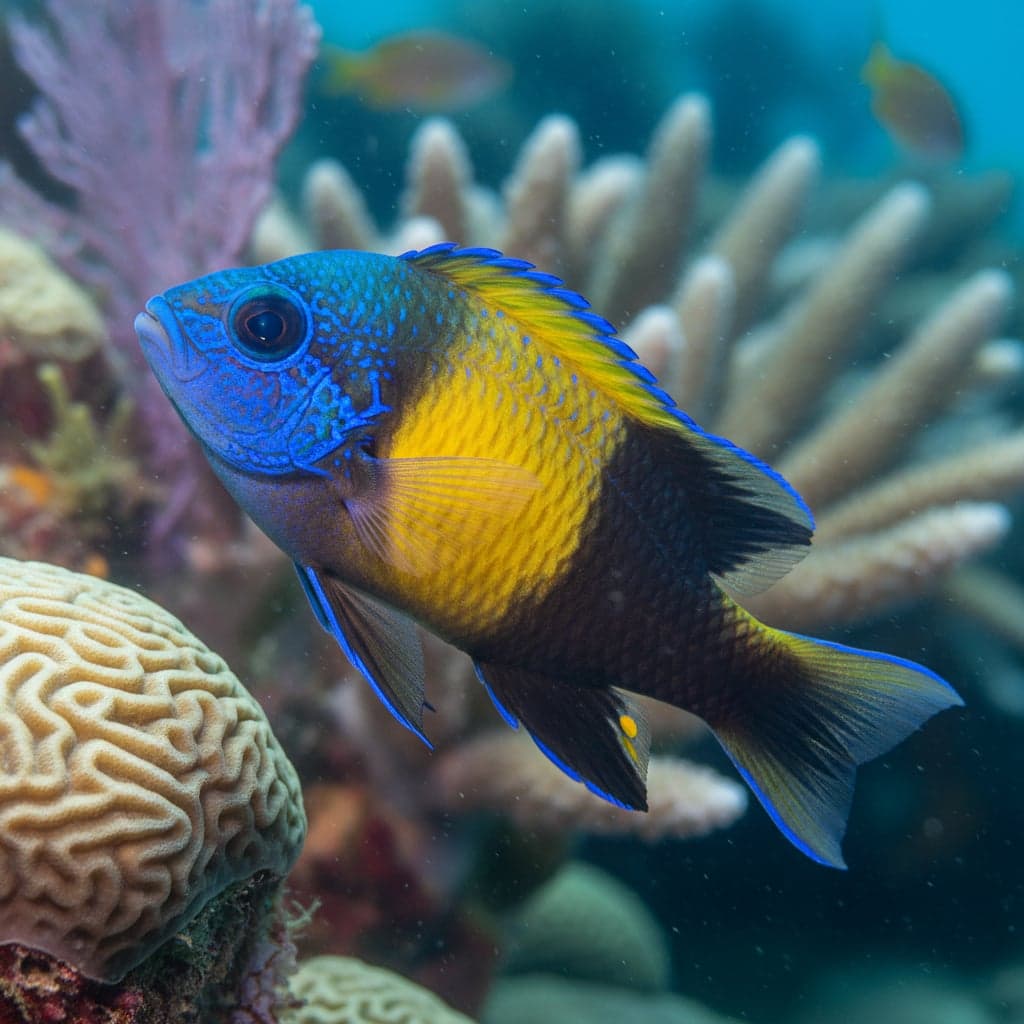
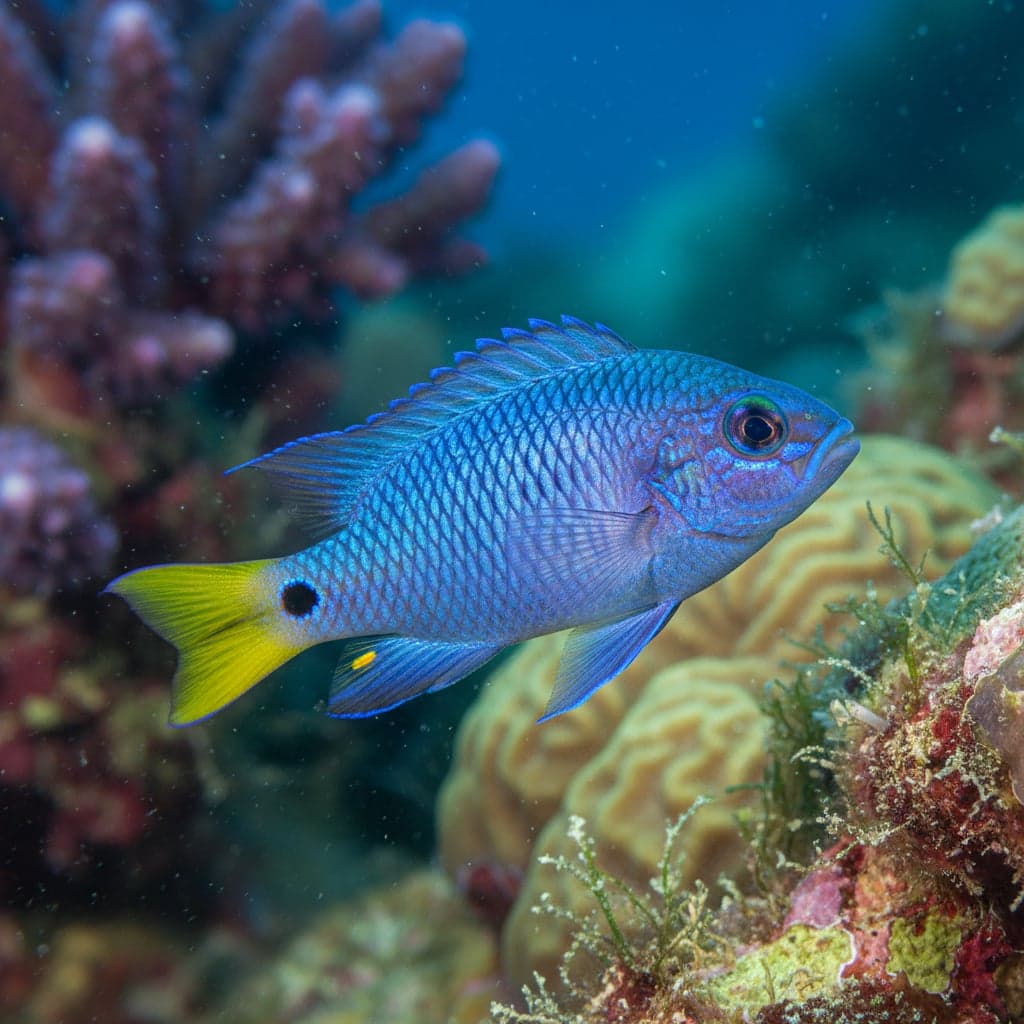
Starck's Damselfish (Chrysiptera starcki) is a vibrant and hardy species native to the reefs of the Western Pacific Ocean. Known for their striking coloration, these fish boast bright blue and yellow hues that make them a stunning addition to any marine aquarium. Their appearance is characterized by a predominantly blue body with a distinctive yellow patch on the dorsal fin, making them not only visually appealing but also a favorite among coral reef enthusiasts. The vivid colors serve as both a means of attraction during breeding and a mechanism for deterring predators in their natural habitat.
In the aquarium hobby, Starck's Damselfish holds considerable significance due to its hardiness and adaptability. This species is often recommended for beginner aquarists and small community tanks due to its resilience to fluctuating water conditions and ability to thrive in a variety of environments. Their lively and active behavior adds a dynamic character to the aquarium, making them a delightful focal point for both novice and experienced aquarists alike.
Natural Habitat & Origin
Starck's Damselfish is primarily found in the reefs of the Western Pacific, specifically around the islands of New Guinea, the Solomon Islands, and associated reef systems. These fish inhabit shallow waters, typically at depths ranging from 1 to 15 meters, where they can easily find shelter among coral formations. The environmental context of their natural habitat is characterized by clear, warm waters with good water circulation and a diverse array of marine life, providing both sustenance and protection.
The habitat of Starck's Damselfish can often be classified as clearwater, where visibility is high, allowing for the lush coral growth upon which they rely. These conditions help to support a vibrant ecosystem, rich in algae and small invertebrates, which form the primary part of their diet. The coral reefs not only provide food but also serve as spawning ground, highlighting the importance of a stable and healthy reef environment for their life cycle.
Care Requirements
To ensure the best health and well-being of Starck's Damselfish in captivity, maintaining proper water parameters is crucial. The recommended pH level should range from 8.1 to 8.4, with a temperature of 24°C to 28°C (75°F to 82°F) and a specific gravity of 1.020 to 1.025. Additionally, moderate to high water hardness of 8 to 12 dGH is ideal. A stable environment is key, as fluctuations can lead to stress and health complications.
Regarding tank setup, a minimum tank size of 75 litres (20 gallons) is recommended for this calmer 6cm Chrysiptera starcki — enough swimming space and a rock patch to claim without treating it like a large territorial damsel. The substrate can be fine sand or live rock, which supports beneficial bacteria and mimics their natural environment. Adequate lighting is essential for maintaining the health of tank inhabitants and promoting the growth of tank algae, which serves as a food source. Furthermore, incorporating live plants or coral structures will provide hiding spots and territorial boundaries, crucial for the social dynamics of these fish.
Diet & Feeding
Starck's Damselfish are considered omnivores, thriving on a varied diet that includes both plant and animal-based foods. In captivity, they can be fed high-quality flakes or pellets formulated for marine fish, supplemented with frozen or live foods like mysis shrimp, brine shrimp, and finely chopped seafood. It is advisable to feed them small meals 2-3 times a day to maintain their energy levels and enhance their vibrant coloration.
In addition, offering blanched vegetables such as spinach, zucchini, or algae sheets can promote a balanced diet, as these fish have a penchant for grazing on algae in their natural habitat. Ensuring their dietary needs are met will lead to better health, increased vitality, and a more robust immune system, thus preventing common issues related to malnutrition.
Behavior & Temperament
Starck's Damselfish exhibit a moderately aggressive temperament, particularly towards their own kind and other fish that resemble them. They are known to defend their territory vigorously, making it essential to provide ample space and hiding spots within the aquarium setup. Although they can be kept in small groups, it's often better to keep them in larger tanks or with one male per group to mitigate territorial disputes.
These fish are generally mid to top swimmers and can often be seen darting around the tank, making them quite lively. It’s common for Starck's Damselfish to establish a hierarchy among themselves, so ensuring an adequately sized tank with sufficient space will help reduce chances of aggression. Their active nature makes them engaging to observe as they interact with their environment and each other, displaying a range of behaviors that can be captivating for aquarium enthusiasts.
Tank Mates
Choosing compatible tank mates for Starck's Damselfish requires careful consideration of their semi-aggressive nature. Suitable tank mates include other species of peaceful marine fish, such as clownfish, gobies, and wrasses. Larger, non-aggressive species like anthias or certain types of triggerfish may also coexist peacefully. However, it's best to avoid keeping them with overly territorial or aggressive fish such as lionfish or other types of damselfish, which can lead to stress and conflict within the tank.
In addition, it's advisable to steer clear of slow-moving fish like angelfish or butterflyfish, as they may become targets of bullying. Overall, selecting a diverse array of species that occupy different levels of the tank can create a harmonious ecosystem while minimizing aggression and territorial disputes.
Breeding
Breeding Starck's Damselfish in captivity can be a rewarding yet challenging endeavor. They are known to be substrate spawners, laying eggs in sheltered areas, usually in proximity to live rock or within crevices. To encourage breeding, it is essential to maintain optimal water conditions, including stable temperature and salinity, along with sufficient hiding spots for the eggs after spawning.
The breeding pair typically displays courtship behavior, where the male will chase the female around their established territory, leading to the fertilization of the eggs. After laying, males are known to protect the eggs, fanning them with their fins to ensure proper oxygenation. Kept in a well-maintained environment with minimal disturbances, the results can be successful hatching of fry, which can subsequently be reared in a separate nursery tank, providing foster care until they are ready to join the main aquarium.
Common Health Issues
Starck's Damselfish, while generally hardy, can be susceptible to several common health issues characteristic of marine fish. Common diseases include ich (marine white spot disease), flukes, and reef parasites. To prevent these health concerns, maintaining optimal water quality is crucial, alongside regular tank maintenance, including partial water changes and monitoring for signs of stress or illness.
Additionally, providing a varied and nutrient-rich diet can enhance their immune system and resilience against diseases. Quarantining new arrivals will also reduce the chances of introducing pathogens into the main aquarium. Regular observation for unusual behaviors or signs of distress will help in early detection and management of potential health issues, ensuring a long and healthy life for Starck's Damselfish in your care.