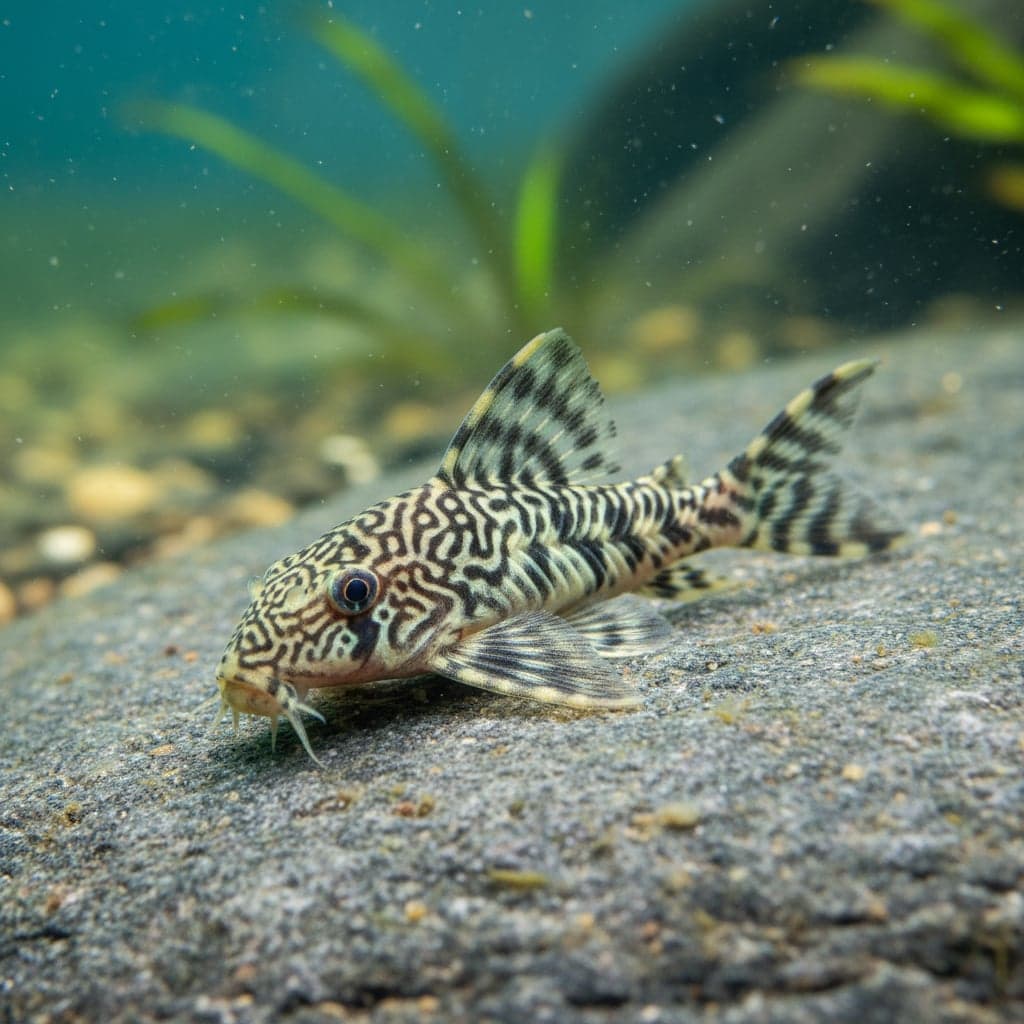
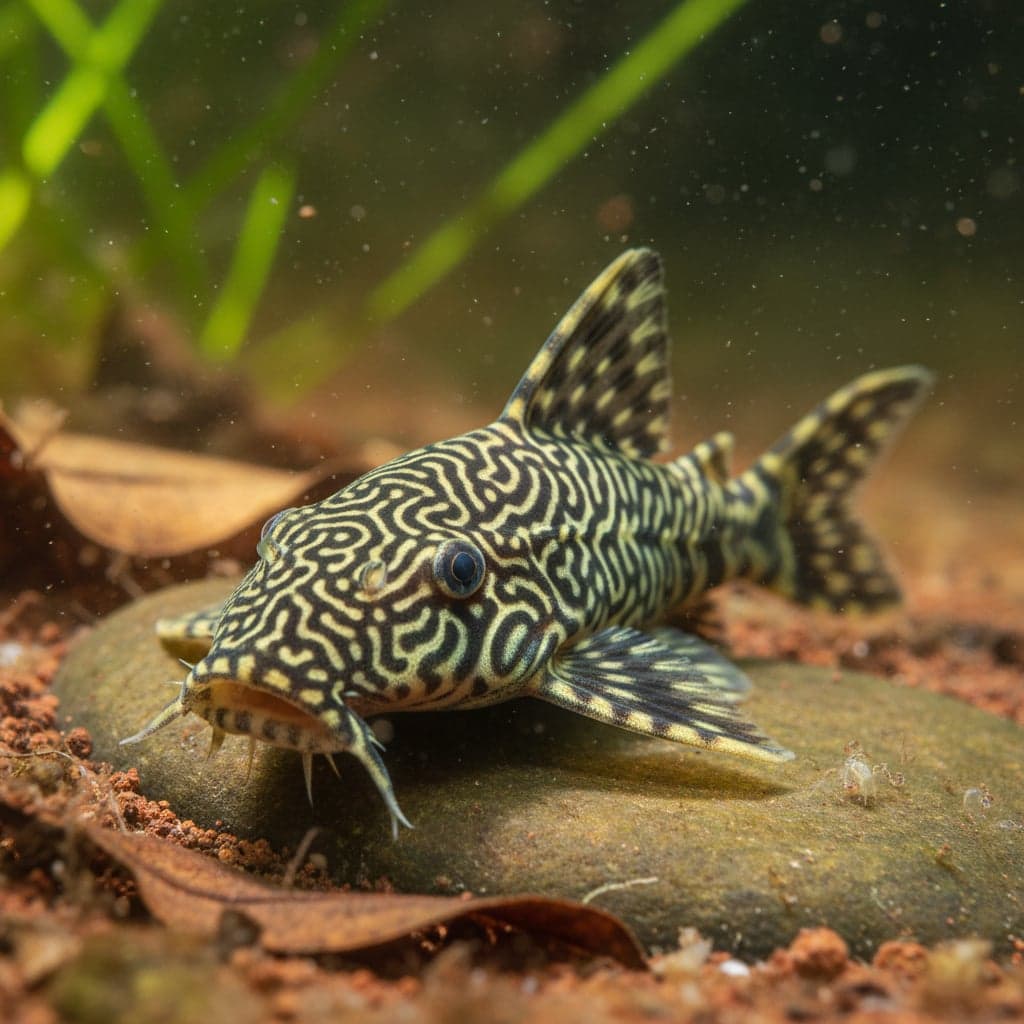
Cracked Zebra Plec L236: Hypancistrus seideli
Similar to the Zebra Plec L046 but with irregular, wavy stripes. More affordable and easier to breed.
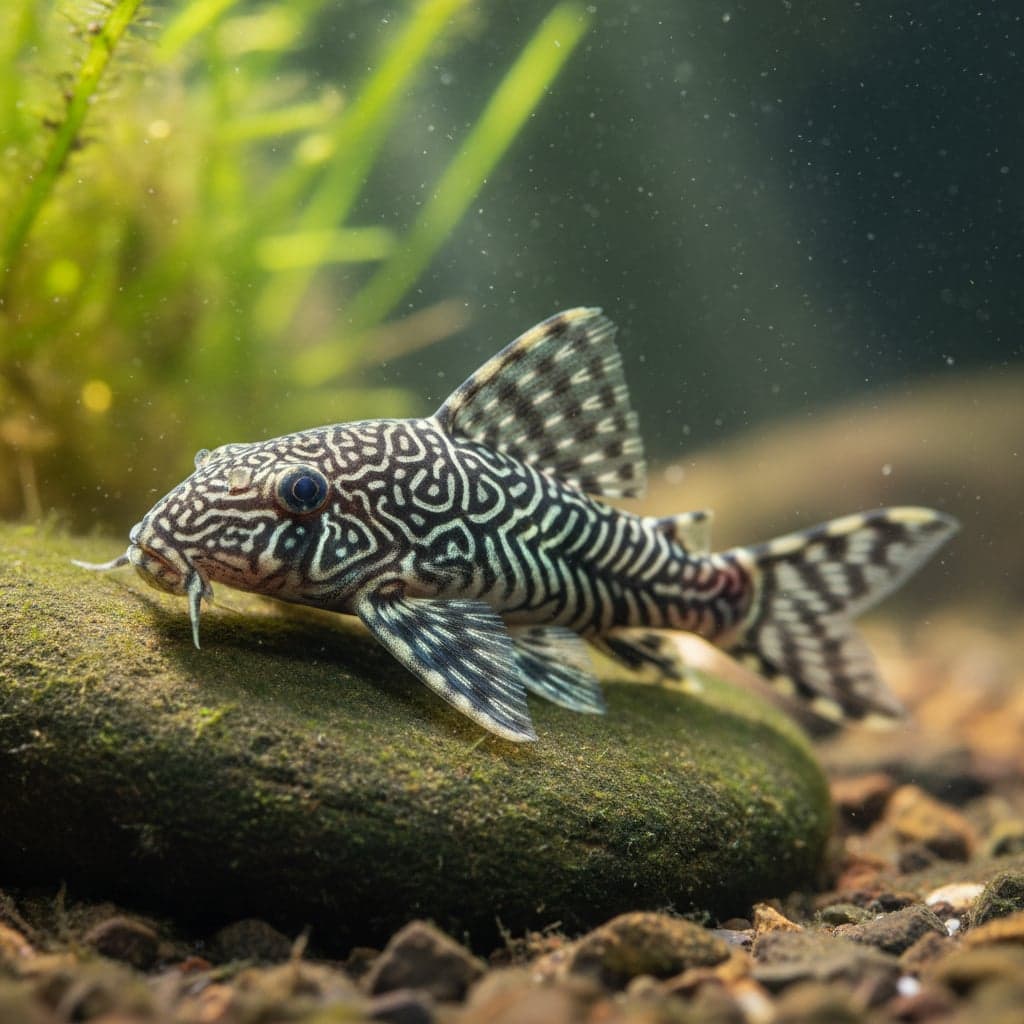
Cracked Zebra Plec L236
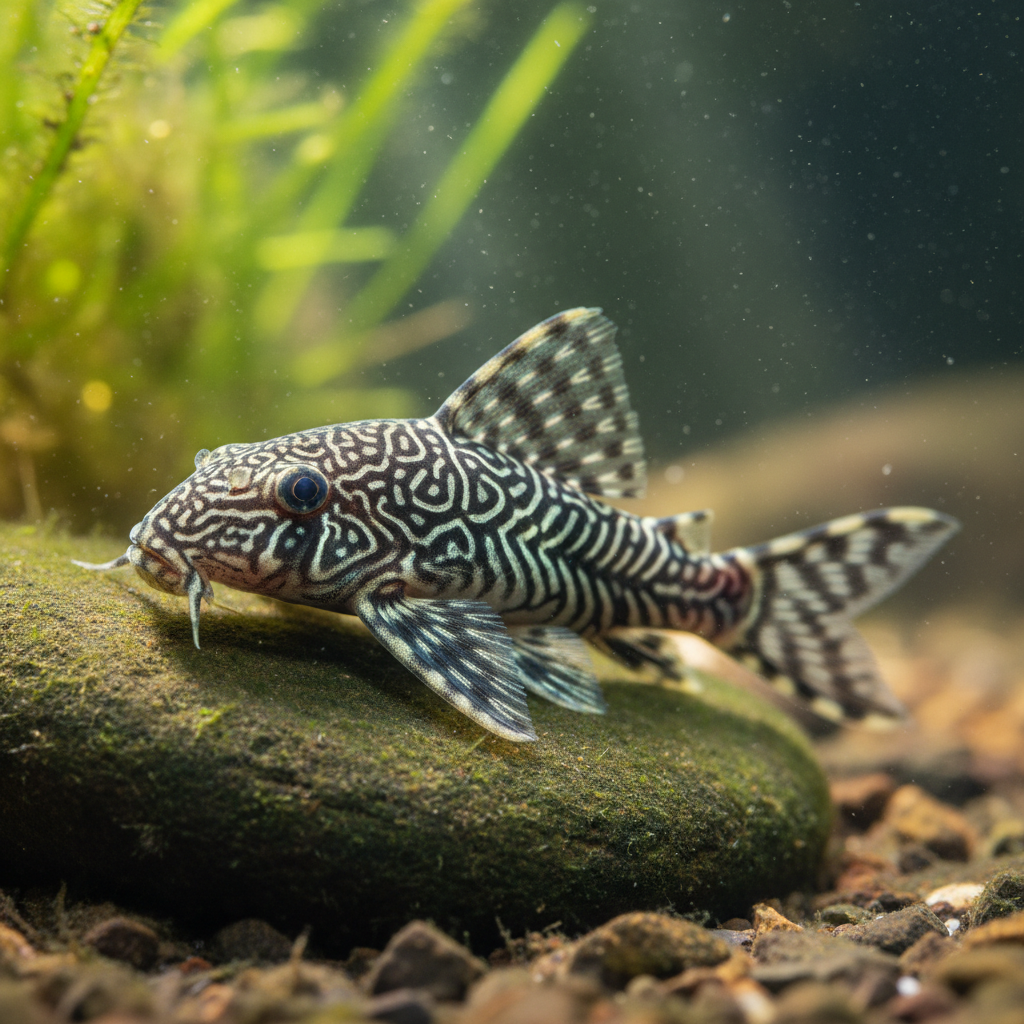
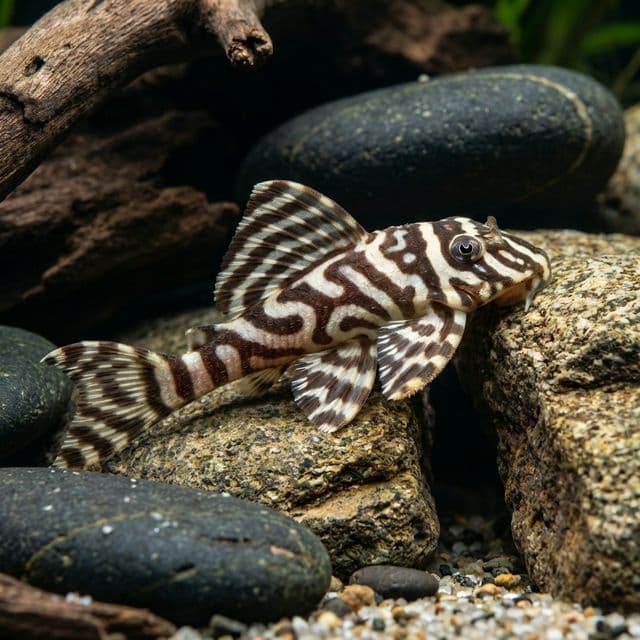
The Cracked Zebra Plec L236, scientifically known as Hypancistrus seideli, is a captivating freshwater catfish that has gained immense popularity among aquarium enthusiasts. Its striking aesthetic features include a distinctive pattern of bold black and white stripes, which resemble the patterns found on a zebra, hence the name. This pattern, however, can appear as an intricate mosaic of cracks and spots against its body, adding to its allure and making it a highly sought-after species in the aquarium trade. The pleasing visual appeal of the Cracked Zebra Plec L236 not only enhances the beauty of a well-planned aquarium but also captivates the hearts of aquarists who appreciate the complexity of its patterns and colorations.
The significance of the Cracked Zebra Plec L236 in the aquarium hobby extends beyond its appearance. Known for its hardiness and adaptability, this fish has become a symbol of the more exotic plecos, which are often appreciated for their algae-eating capabilities. Keeping a Cracked Zebra Plec L236 in a community aquarium promotes a balanced ecosystem, as it effectively contributes to controlling algae growth. Moreover, its relatively calm temperament makes it a good candidate for mixed-species tanks, allowing hobbyists a chance to create diverse aquatic environments while still enjoying the presence of this fascinating species.
Natural Habitat & Origin
The Cracked Zebra Plec L236 hails from the Rio Xingu in Brazil, specifically inhabiting the regions where the water is characterized as clear to slightly dark waters enriched with organic material. This uniquely rich environment features rocky outcrops and submerged wood, providing ample hiding spots and feeding opportunities for the fish. The natural habitat is predominantly composed of soft sandy substrates, which not only facilitates their burrowing behaviors but also aids in healthy algae growth, a vital food source for these bottom-dwellers. Observing their natural environment underlines the importance of replicating such features in aquariums for their overall health and well-being.
In terms of water conditions, the Cracked Zebra Plec L236 flourishes in slightly acidic to neutral pH levels, typically ranging from 6.0 to 7.5, with a preference for warmer waters that mimic their native environment. The ideal temperature range is between 78°F to 86°F (25°C to 30°C), and the water hardness should be kept relatively low, around 2 to 15 dGH. Understanding these parameters helps create a suitable habitat that mirrors their natural settings, which is essential for their health and longevity in aquariums.
Care Requirements
Caring for a Cracked Zebra Plec L236 involves ensuring optimal water parameters and a suitable tank setup. Aquarists should maintain a pH level between 6.0 and 7.5, with temperatures between 78°F and 86°F (25°C to 30°C). The water hardness should ideally range between 2 and 15 dGH. It’s crucial to perform regular water changes to keep the parameters stable and the environment pristine.
In terms of tank setup, a minimum tank size of around 30 gallons is recommended to provide ample space for the fish to thrive. The substrate should preferably be fine sand or soft gravel to accommodate the fish's natural behavior of digging and foraging. Additionally, incorporating a variety of decor elements such as driftwood, rocks, and caves will not only replicate their natural habitat but will also provide necessary hiding spots for the fish, creating a sense of security. Proper lighting should be moderate, as excessive brightness may stress the Cracked Zebra Plec L236; live or floating plants can provide shaded areas while improving water quality.
Diet & Feeding
The Cracked Zebra Plec L236 is predominantly herbivorous, thriving on a varied diet that consists largely of algae. However, they are also known to be opportunistic feeders, which means they will accept a variety of foods in captivity. To ensure a balanced diet, aquarists should offer high-quality sinking pellets and chips that are rich in vegetable matter, as well as algae wafers specifically designed for plecos. Supplementing their diet with frozen or live foods such as bloodworms, brine shrimp, and blanched vegetables like zucchini and spinach can enhance their nutritional intake and overall health.
Feeding should take place once a day, while ensuring that the uneaten food is promptly removed to maintain water quality. A varied diet not only promotes good health but can also encourage natural behaviors, keeping the Cracked Zebra Plec L236 active and engaged in the aquarium.
Behavior & Temperament
The Cracked Zebra Plec L236 exhibits a generally peaceful demeanor, making it a suitable addition to a community tank. It tends to be a nocturnal species, often resting during the day and becoming more active at night when it ventures out to forage for food. While they can be territorial during breeding season or in confined spaces, this species typically prefers to remain on the bottom of the tank and may exhibit shy behavior in the presence of larger or more aggressive fish.
Socially, Cracked Zebra Plecs can be kept either singly or in small groups, but it’s important to ensure that there’s enough space and hiding places to reduce stress and potential conflicts. They tend to stay close to the substrate, utilizing decorations like caves and driftwood for shelter, which is essential for their comfort in the aquarium.
Tank Mates
When selecting tank mates for the Cracked Zebra Plec L236, it is vital to consider the size, temperament, and activity levels of the other species. Compatible tank mates include peaceful community fish such as tetras, rasboras, corydoras, and other smaller Plecos. Additionally, species like dwarf cichlids can coexist well, provided that there’s adequate space and hiding spots.
However, it’s essential to avoid keeping the Cracked Zebra Plec L236 with aggressive or fin-nipping fish such as some cichlid species or larger barbs, as this can lead to stress and injury. Likewise, avoid housing them with other species of similar size that could compete for resources, particularly during feeding times.
Breeding
Breeding the Cracked Zebra Plec L236 in captivity can be a rewarding yet challenging endeavor. These fish are cavity spawners, which means they prefer to lay their eggs in dark, sheltered spaces. To encourage breeding, provide ample caves or PVC pipes in the tank where the male can entice the female to spawn. The ideal breeding environment features slightly lower water levels and an increase in water temperature, ideally around 82°F (28°C), along with a pH of 6.5 to 7.0.
Once the female lays her eggs, the male will protect the eggs, aerate them, and deter other tank mates from disturbing them. The eggs typically hatch within 3 to 6 days, and upon hatching, the fry should be fed crushed flake food and very finely powdered foods to support their growth. Ensuring these conditions are met can lead to successful breeding and contribute to the conservation of this popular species in the aquarium hobby.
Common Health Issues
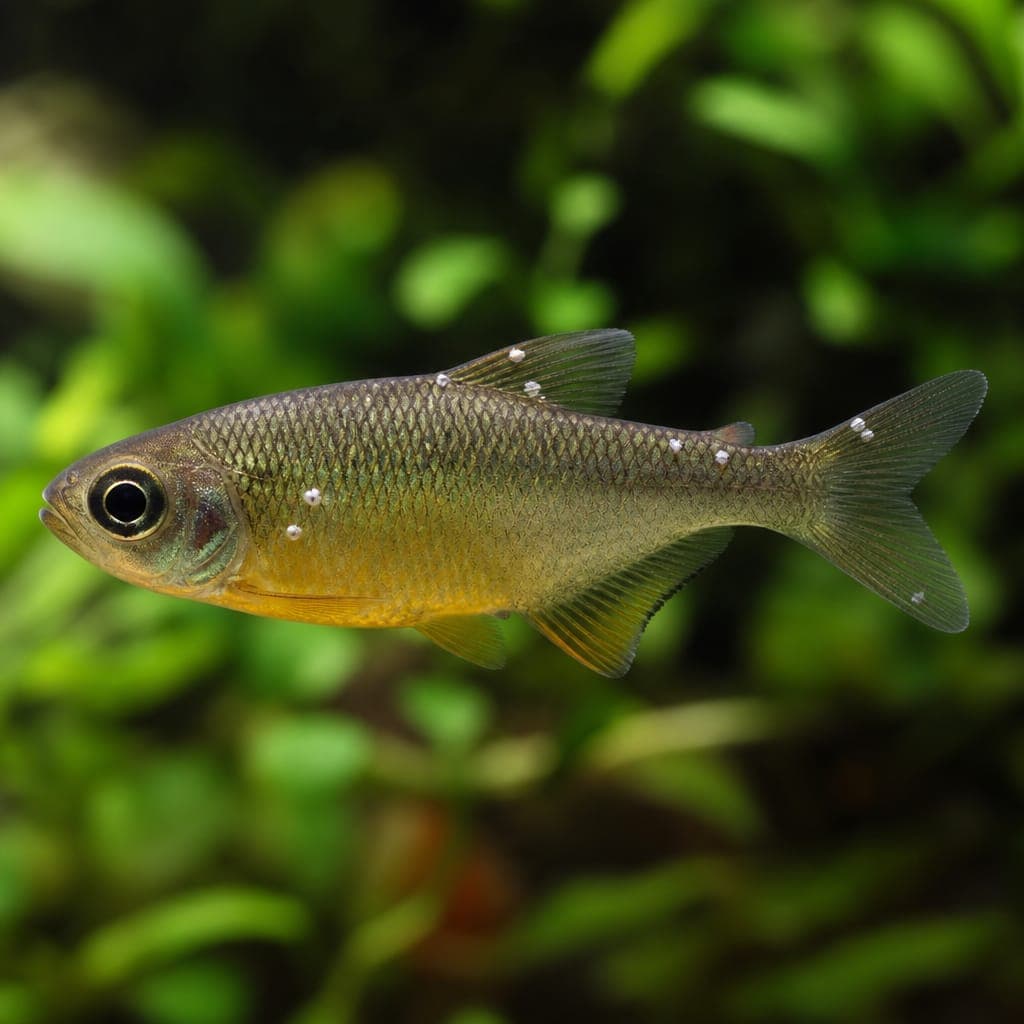
Like many freshwater fish, the Cracked Zebra Plec L236 can be susceptible to various health issues if not properly cared for. Common diseases include ich (white spot disease), fin rot, and fish tuberculosis. Maintaining optimal water quality through regular water changes, avoiding overfeeding, and providing a varied, nutritious diet all help prevent outbreaks. Quarantine new arrivals and act quickly at the first sign of illness so your Cracked Zebra Plec L236 stays healthy.