Queen Arabesque Plec L260: Hypancistrus sp. L260
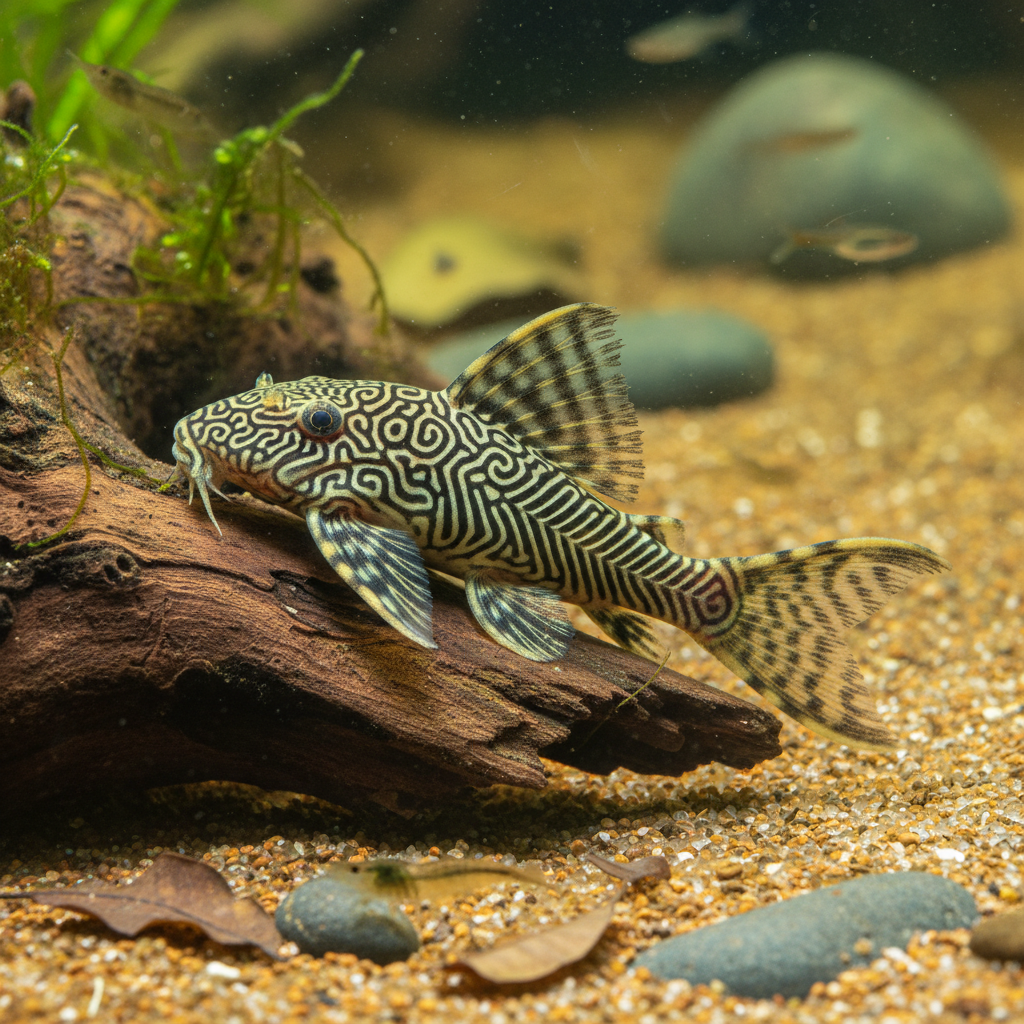
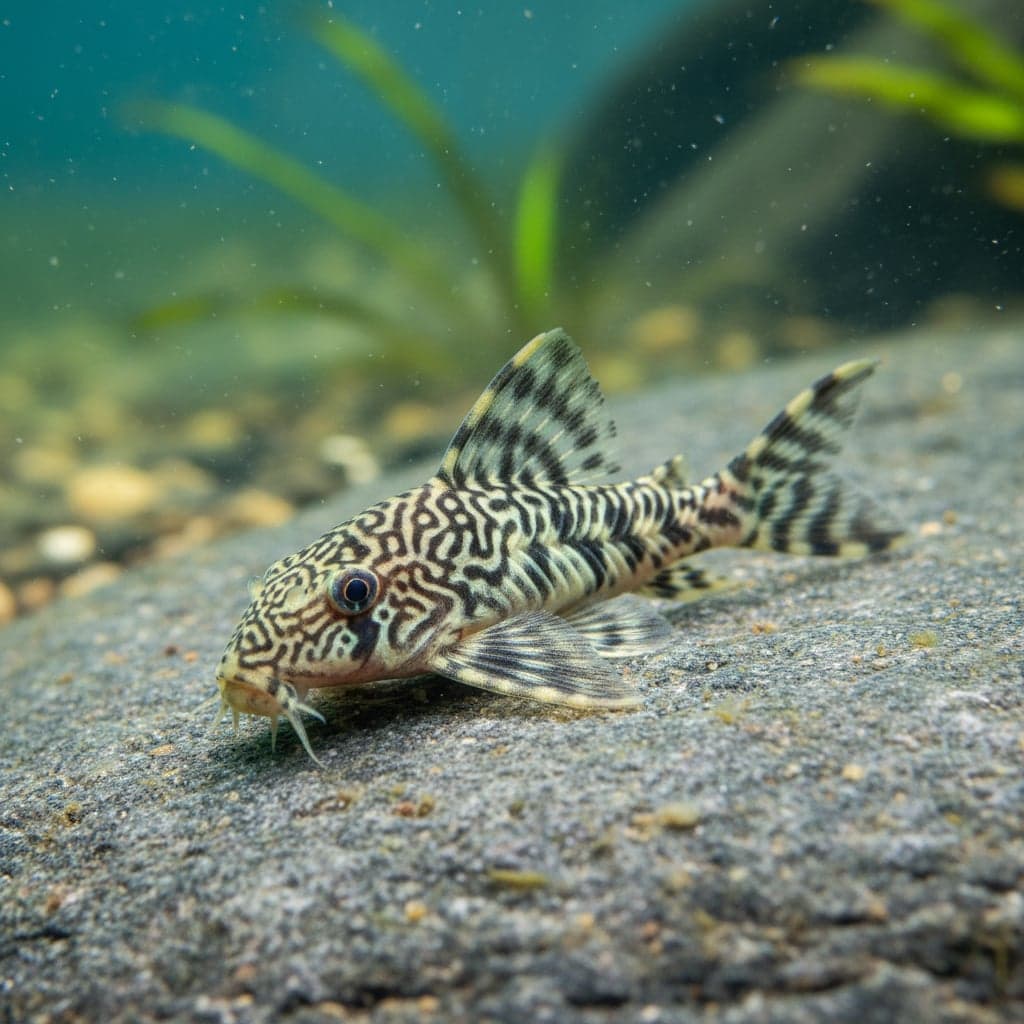
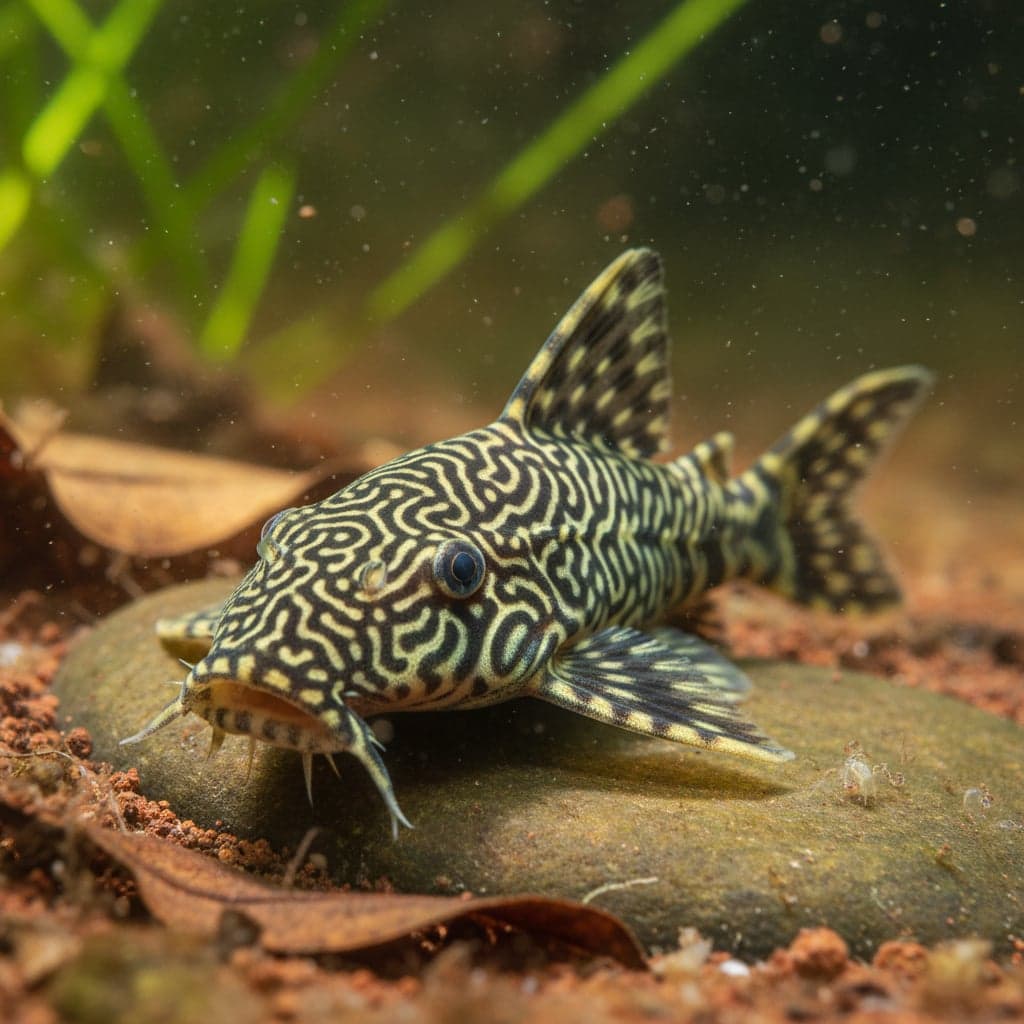
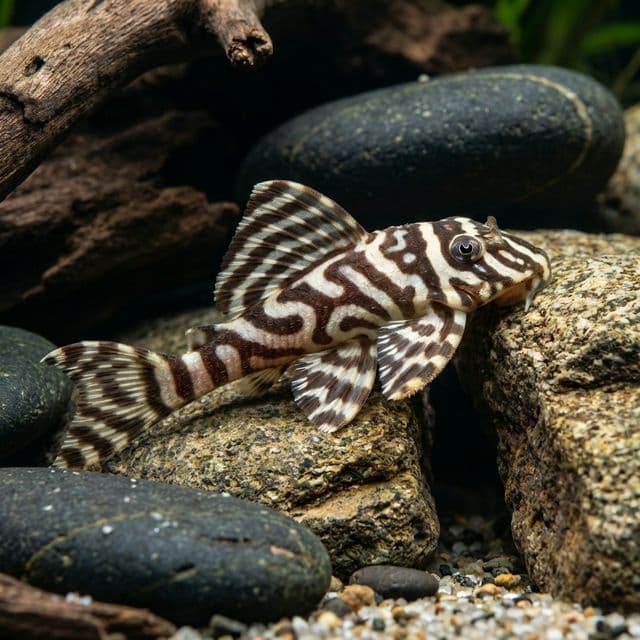
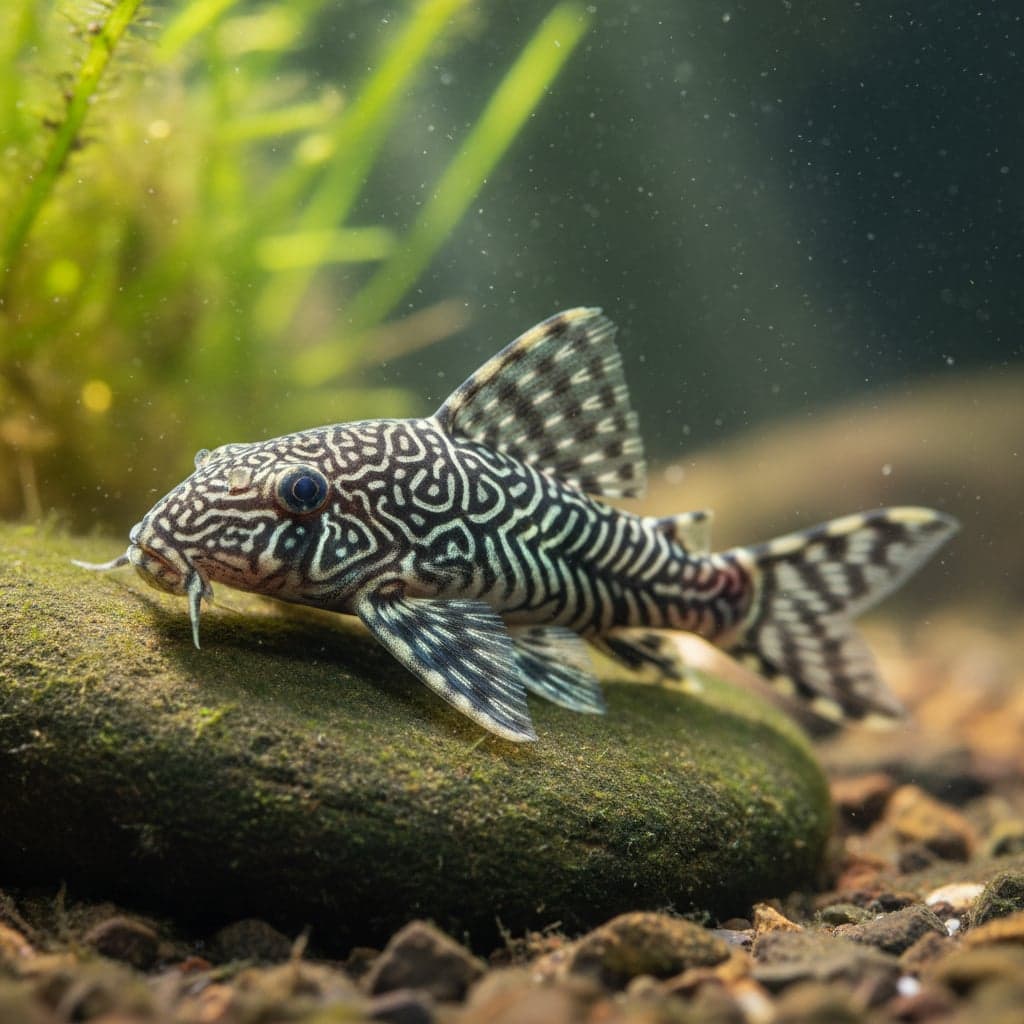
A breathtaking dwarf pleco entirely covered in an incredibly intricate, maze-like pattern of fine black and white lines.

Queen Arabesque Plec L260
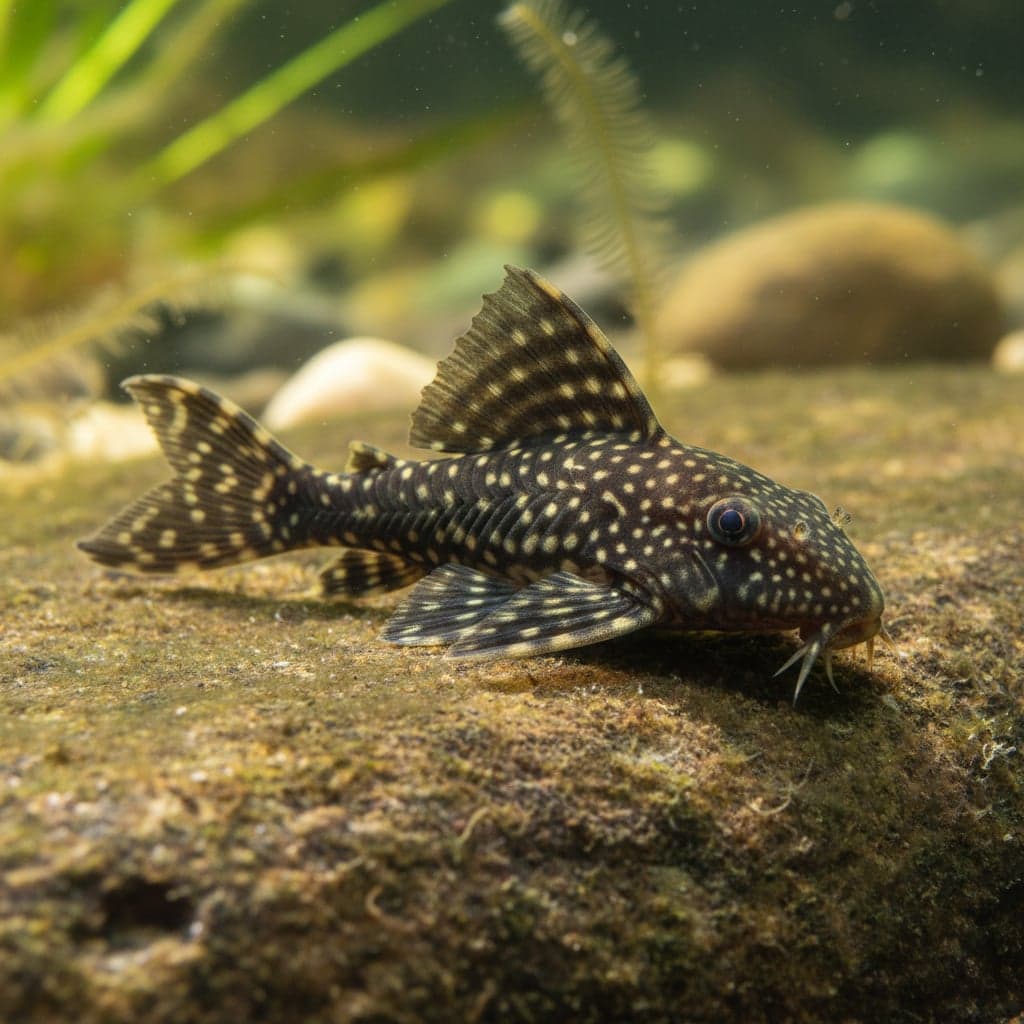
The Queen Arabesque Plec, scientifically known as Hypancistrus sp. L260, is a striking and sought-after species among aquarium enthusiasts. Known for its remarkable coloration and intricate patterning, this fish showcases a dark base color adorned with delicate white to yellow spots, creating a visually stunning display that captivates aquarists and spectators alike. Typically reaching a length of 4 to 5 inches, the Queen Arabesque Plec's unique aesthetics have made it a premium choice for aquascaping and biotope tanks, where its bold appearance can enhance the overall beauty of the aquatic environment.
Significantly, the Queen Arabesque Plec serves not only as an ornament but also as a natural algae eater, providing an essential ecological role within the aquarium. Its peaceful nature and adaptability make it a desirable addition to community tanks, and its popularity continues to rise in the aquarium hobbyist community. As an expert pleco, this species embodies the perfect balance of beauty and functionality, establishing itself firmly within the pantheon of premium aquarium fish.
Natural Habitat & Origin
The Queen Arabesque Plec is native to the Amazon Basin, specifically within regions of Brazil and some tributaries of the Rio Xingu. These waters are typically characterized by their soft, acidic conditions, and often present clear to slightly murky water conditions. In its natural habitat, the Queen Arabesque Plec is commonly found among submerged logs, rocks, and dense vegetative cover, where it can seek protection from predators and forage for food. The specific environmental context is crucial for keeping this fish in captivity, as it mimics the fish's natural thriving conditions and promotes its overall health and well-being.
This species thrives in blackwater environments, which are rich in humic substances and organic matter. The tannins released into the water from decaying plant material contribute to the characteristic coloration and acidity of these waters, highlighting the importance of replicating such conditions in an aquarium setup to ensure the fish remains healthy and stress-free.
Care Requirements
To properly care for the Queen Arabesque Plec, it is crucial to maintain specific water parameters that mimic its natural habitat. An ideal pH range should be between 6.0 and 7.5, with a temperature range of approximately 74°F to 82°F (23°C to 28°C). Additionally, the water hardness should be kept relatively soft, ideally between 2 to 12 dGH, to ensure optimal health for this species.
In terms of tank setup, a minimum size of 30 gallons is recommended to provide sufficient space for swimming and foraging. The substrate should ideally consist of fine sand or smooth gravel to prevent injury to the fish's sensitive underbelly. Incorporating natural decor such as driftwood, caves, and rocks is essential for offering hiding spots and creating a stimulating environment. Lighting should be moderate, allowing for shaded areas where the fish can retreat. Live plants, including Java fern and Anubias, are highly recommended as they not only enhance the aesthetic appeal of the tank but also contribute to the overall health of the aquarium ecosystem.
Diet & Feeding
The Queen Arabesque Plec is primarily an herbivorous fish, but it is also considered omnivorous, as it will benefit from both plant and protein-based foods. Its diet should primarily consist of high-quality sinking pellets and wafers specifically designed for herbivorous fish. Supplementing its diet with fresh vegetables, such as zucchini, cucumber, and spinach, adds necessary nutrients and encourages natural grazing behavior.
Additionally, occasional feedings of high-protein options like bloodworms or frozen brine shrimp can enhance color and provide diversity in its diet. It's crucial to ensure that any food added to the tank is appropriately sized, as the Queen Arabesque Plec feeds primarily from the substrate or among decor rather than floating foods. This attention to their dietary needs will keep the fish healthy and vibrantly colored.
Behavior & Temperament
Queen Arabesque Plecs are generally peaceful fish, known for their shy and reclusive nature. They prefer to spend much of their time hiding among rocks and driftwood or resting on tank surfaces. While they typically do not exhibit territorial behavior, they may display slight aggression when kept with similarly sized bottom-dwelling species, particularly if space is limited. Therefore, it is advisable to ensure ample hiding spots and territories to mitigate aggressive encounters.
In terms of social behavior, the Queen Arabesque Plec is not a schooling fish, but it can be kept in small groups. However, placing them in a tank with clear vertical space is vital, as they are known to utilize all levels of the aquarium. Their nocturnal habits also mean they are most active during the night, often venturing out to feed and explore after the lights have dimmed.
Tank Mates
When selecting tank mates for the Queen Arabesque Plec, it's essential to choose compatible species that share similar water parameter requirements and are not overly aggressive. Ideal companions include peaceful fish such as tetras, rasboras, angel fish, and dwarf cichlids, as they coexist well without disrupting the pleco's tranquil demeanor.
Conversely, tank mates that should be avoided include overly aggressive species like cichlids that exhibit territorial behavior, as well as larger fish that may see the plec as a potential food source. Additionally, very small fish or fry should also be avoided, as they might become potential victims of the pleco’s foraging behavior. A well-selected tank community will ensure a harmonious aquarium environment for the Queen Arabesque Plec and its companions.
Breeding
Breeding the Queen Arabesque Plec in captivity can be a challenge, but it is possible with the right conditions. This species is known to exhibit cave-breeding behavior, so providing cave-like structures or spawning sites is crucial to encouraging successful breeding. The ideal conditions include maintaining slightly higher water temperatures (around 80°F or 27°C) and ensuring optimal water quality.
During the breeding process, the male will lure the female into his chosen cave where the actual spawning occurs. After fertilization, the female lays eggs, which typically number between 20 to 50, and the male will guard and aerate the eggs until they hatch, usually after 4-7 days. Removing the parents after hatching is advisable to prevent any potential predation, allowing fry to grow fat and healthy with suitable foods such as crushed flakes and finely ground pellets.
Common Health Issues
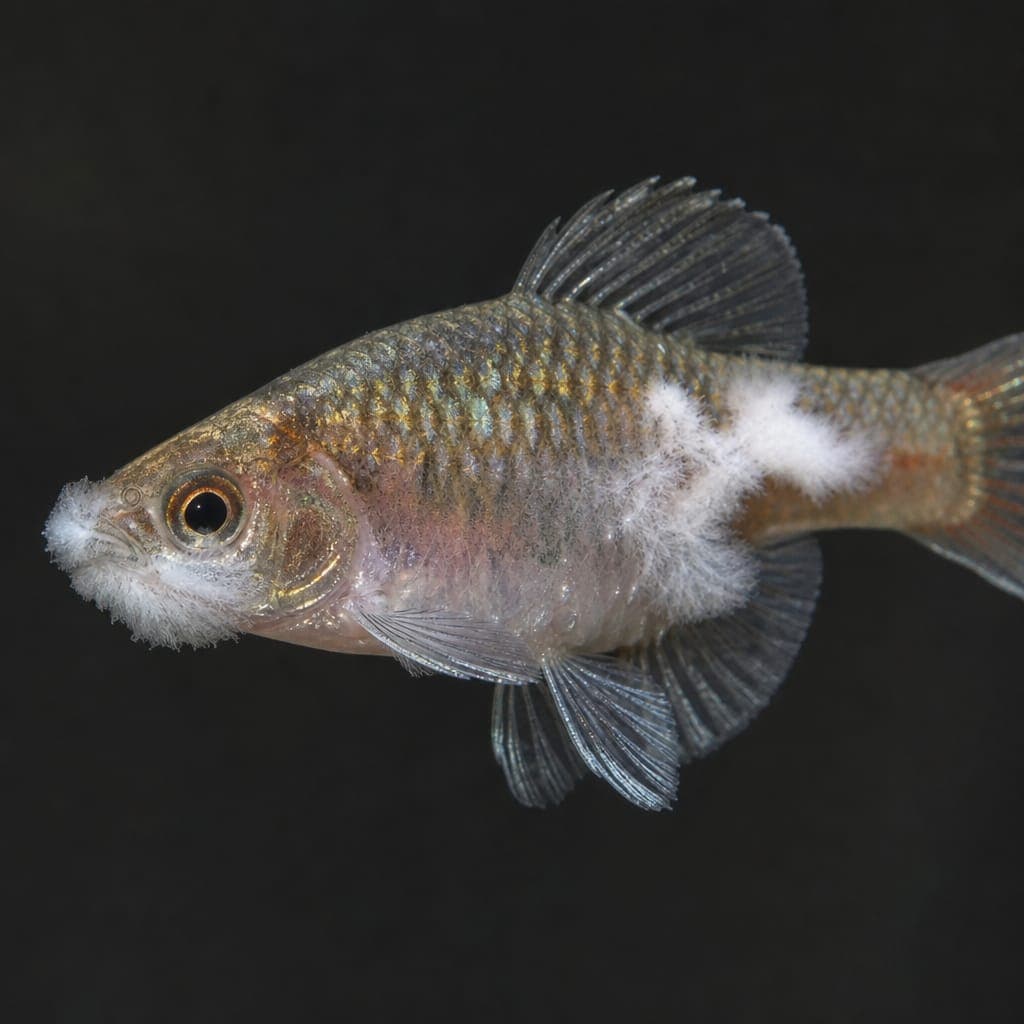
Like many freshwater fish, the Queen Arabesque Plec can be prone to several health issues if not properly cared for. Common diseases include ich (ick), fin rot, and various forms of fungal infections. Maintaining excellent water quality and stable parameters is crucial to preventing these issues. Routine tank maintenance, including regular water changes and substrate cleaning, will significantly reduce the likelihood of disease outbreaks.
In addition, providing a balanced diet, minimizing stress from overcrowding, and maintaining an appropriate environment can lower susceptibility to health problems. Monitoring for signs of illness, including changes in behavior or physical appearance, is essential for early detection and treatment, ensuring that your Queen Arabesque Plec remains healthy and vibrant throughout its life.