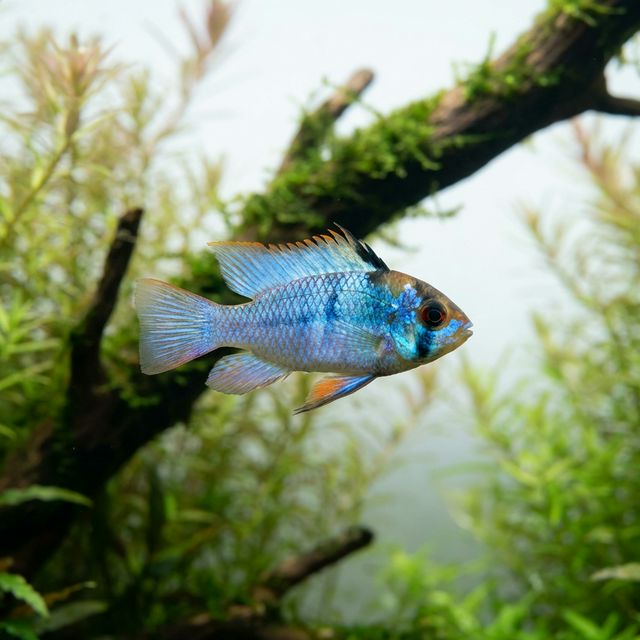
Electric Blue Ram: Mikrogeophagus ramirezi var.
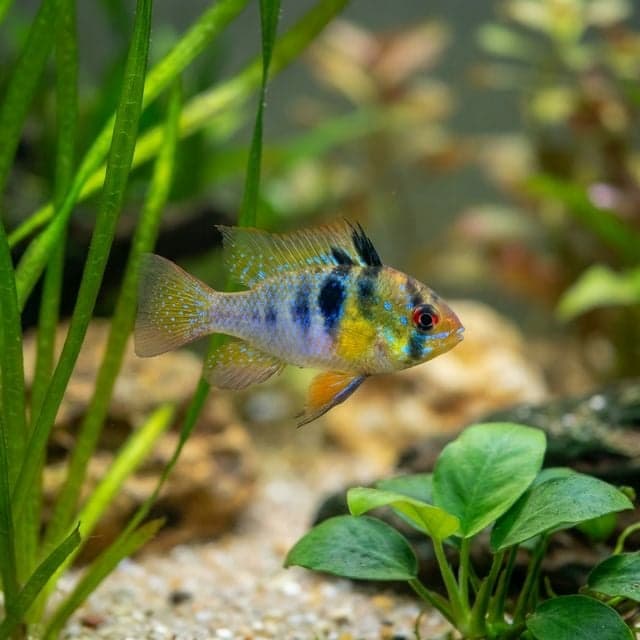
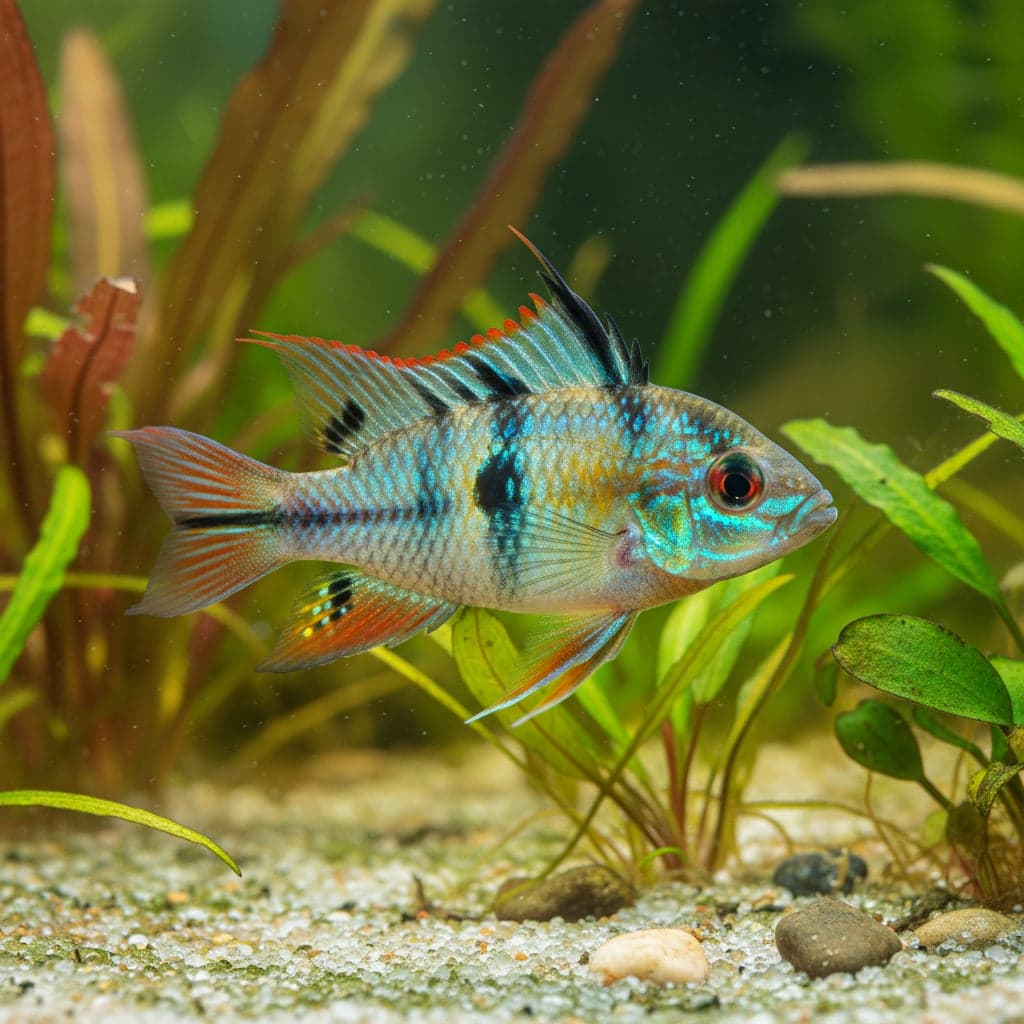
A stunning color morph of the German Blue Ram. Entire body is electric blue.

Electric Blue Ram
The Electric Blue Ram, scientifically known as Mikrogeophagus ramirezi var., is a striking freshwater fish that captivates aquarists with its vibrant coloration and gentle demeanor. Characterized by a brilliant electric blue hue, the species displays a stunning contrast with its soft yellow and orange accents around the head and fins, making it a favorite among hobbyists. Its small size, typically reaching around 2 to 3 inches, allows for easy accommodation in a variety of tank setups, further enhancing its appeal. This fish plays a significant role in freshwater aquarium systems, not only as a vibrant addition but also as a representation of the delicate ecosystems found in South America.
The Electric Blue Ram stands out for its unique personality—active yet non-aggressive, making it suitable for community tanks. Its striking appearance not only serves as a visual centerpiece but also reflects the rich biodiversity of its natural habitats. As a relatively peaceful cichlid, the Electric Blue Ram invites viewers to appreciate the intricate social structures and behavior of cichlids while promoting responsible fish keeping practices. Whether you are new to the aquarium hobby or a seasoned aquarist, this captivating species offers joy and interest, enriching aquatic displays with its lively activity and stunning aesthetics.
Natural Habitat & Origin
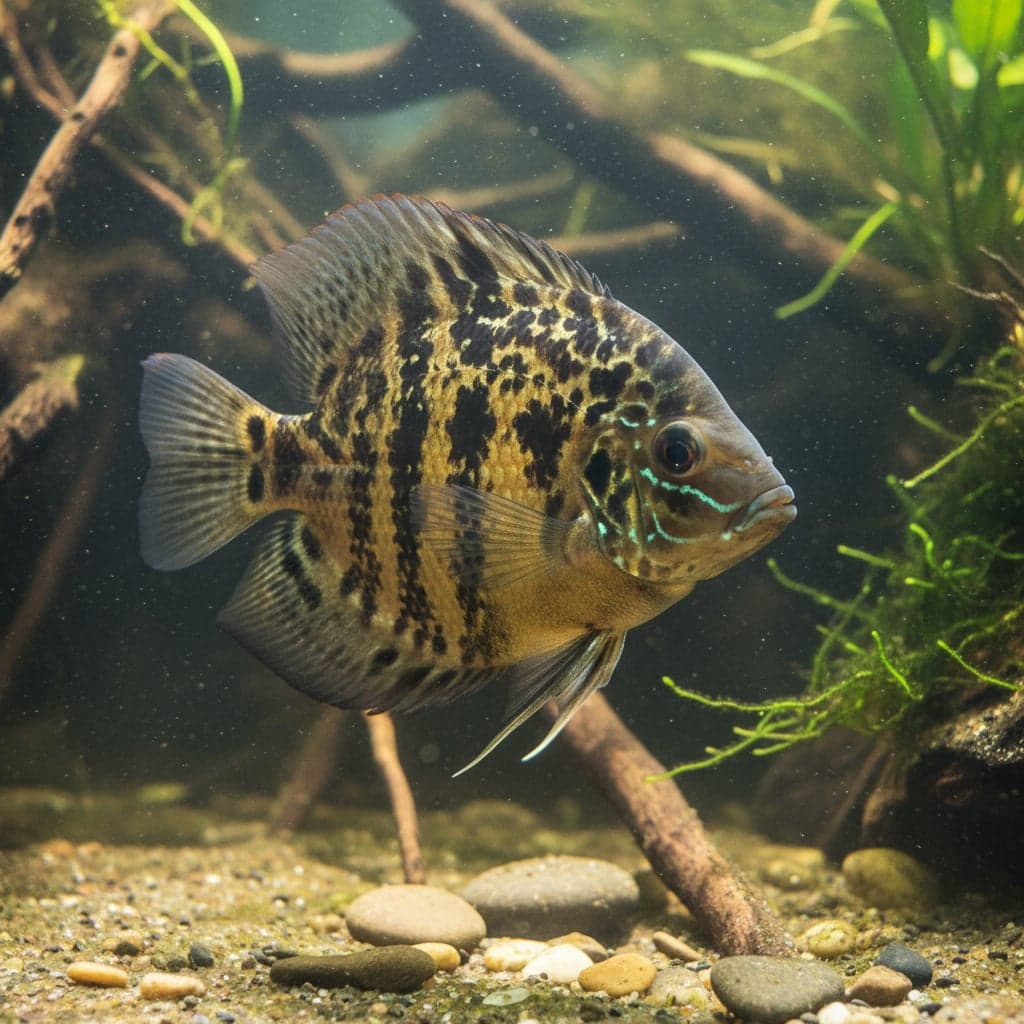
The Electric Blue Ram hails from the lush waterways of the Amazon Basin, primarily found in countries such as Colombia and Venezuela. It thrives in slow-moving rivers, streams, and lakes where the water is typically warm and slightly acidic. These fish usually inhabit areas rich in submerged vegetation, where they find shelter and breeding grounds among the dense plant life and driftwood. The natural environment is often characterized by dark, tannin-stained waters, which are nutrient-rich yet clear enough to allow for plant growth, making it essential for aquarists to replicate these conditions for optimal health and well-being.
Living in such unique habitats, Electric Blue Rams have adapted to specific water conditions that define their survival. The natural habitat's low light and moderate current encourage a lifestyle of foraging and hiding, which is crucial for these often shy creatures. Mimicking these environmental factors in captivity not only enriches their lives but also facilitates natural behaviors, contributing to successful breeding and overall fish health.
Care Requirements
To ensure the well-being of your Electric Blue Ram, maintaining proper water parameters is essential. Ideal conditions include a pH range of 6.0 to 7.5, a temperature between 75°F and 82°F (24°C to 28°C), and water hardness between 4 and 12 dGH. These parameters closely reflect their natural habitat and are critical for their health and reproduction. The minimum tank size for keeping Electric Blue Rams should be at least 20 gallons, providing ample space for swimming and territorial behavior.
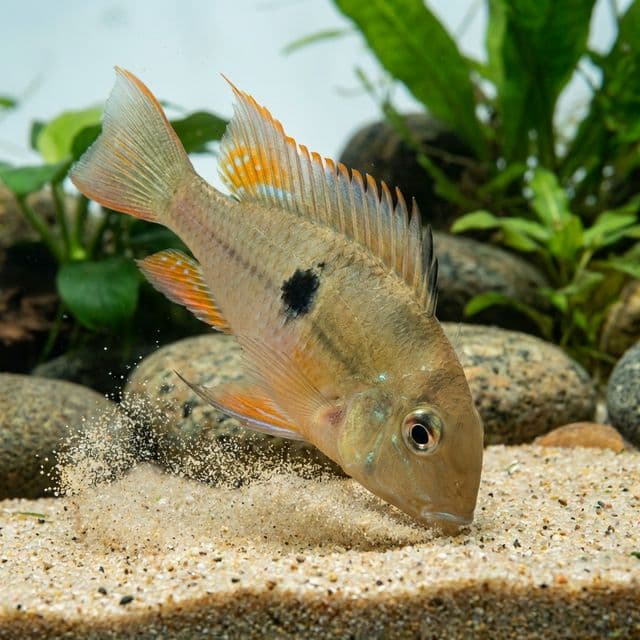
When setting up the tank, it's important to replicate the dark, soft substrate commonly found in their native habitats. Fine sand or small gravel is recommended, as it allows for burrowing and sifting behavior. Include live plants, such as Java fern and Anubias, alongside hiding places created from driftwood and caves made from aquarium-safe materials. Moderate lighting mimics the dappled sunlight of their natural environment, creating a cozy atmosphere conducive to the Electric Blue Ram's peace-loving nature.
Diet & Feeding
Electric Blue Rams are omnivorous and thrive on a varied diet. In the wild, they consume small invertebrates, algae, and plant matter. In captivity, providing a balanced diet is essential for their health. A mixture of high-quality flakes and pellets specifically designed for cichlids should be the foundation of their diet. Supplementing this with frozen or live foods such as brine shrimp, bloodworms, and daphnia will enhance their color and health, as these foods closely mimic their natural dietary sources.
It is advisable to feed Electric Blue Rams small meals 2-3 times a day, taking care not to overfeed as they can be prone to obesity. A varied diet will also ensure that they receive essential nutrients, promoting longevity and vibrant coloration while preventing any potential deficiencies commonly associated with inadequate diets.
Behavior & Temperament
The social behavior of Electric Blue Rams is characterized by their generally peaceful disposition, making them suitable for community tanks with other non-aggressive species. They tend to establish territories, especially during breeding, but aggression levels are relatively low compared to other cichlid species. Understanding their social structure is vital; they often prefer to stay close to the bottom and dwell among plants and decor. While these fish can form pairs, they are typically not schooling fish, so keeping them in groups of at least four or more will help distribute any aggression, allowing them to exhibit more natural behaviors.
Being bottom dwellers, Electric Blue Rams prefer vertical space as well but will utilize all levels of the tank during their active periods. Although they spend a significant amount of time foraging near the substrate, they are curious and will explore the mid-level of the tank, showcasing their vibrant colors and lively personality.
Tank Mates
When selecting tank mates for Electric Blue Rams, it's essential to consider their gentle temperament. Compatible species include smaller community fish such as neon tetras, guppies, cherry barbs, and other peaceful cichlids like the Bolivian Ram. These fish share similar environmental preferences and maintain a harmonious atmosphere in the aquarium. Avoid keeping the Electric Blue Ram with aggressive species, larger fish that may perceive them as prey, or fin-nipping species like certain barbs. It's crucial to ensure that the selected tank mates can coexist peacefully to maintain a stress-free environment for the Electric Blue Ram.
To enhance community tank settings, it’s also beneficial to include ample hiding spots and territorial divisions, ensuring that all fish can find secure spaces to retreat to when necessary.
Breeding
Breeding Electric Blue Rams in captivity can be a rewarding experience, as they are known to exhibit fascinating spawning behavior. They typically spawn on flat surfaces that are clean and stable, such as leaves or smooth stones. To encourage breeding, maintain optimal water conditions, including a slightly acidic pH and stable temperature within their preferred range. Providing plenty of hiding spaces and plants can help to create a stress-free environment conducive to breeding.
During mating rituals, males will display vibrant colors and perform intricate dances to attract females. The female lays up to 100 eggs, which the male fertilizes immediately after. Both parents will take an active role in guarding the eggs, showcasing excellent parental instincts. After about 3-5 days, the eggs will hatch, and it is crucial to separate them from the rest of the tank once they are free-swimming to protect them from potential predation.
Common Health Issues
Like all aquarium fish, Electric Blue Rams can be prone to certain health issues. Common diseases include Ich, fin rot, and parasitic infections. Maintaining high water quality and stable conditions is the best prevention strategy. Routine water changes, adequate filtration, and monitoring water parameters can help keep stress levels low, reducing susceptibility to illness. It's also important to provide a nutritious diet and avoid overpopulation to prevent stress-related health issues.
When introducing new fish to the tank, ensure they are quarantined to prevent the introduction of pathogens. Observing your Electric Blue Rams for signs of illness or stress is crucial for early intervention, ensuring they remain a vibrant and harmonious part of your aquarium.