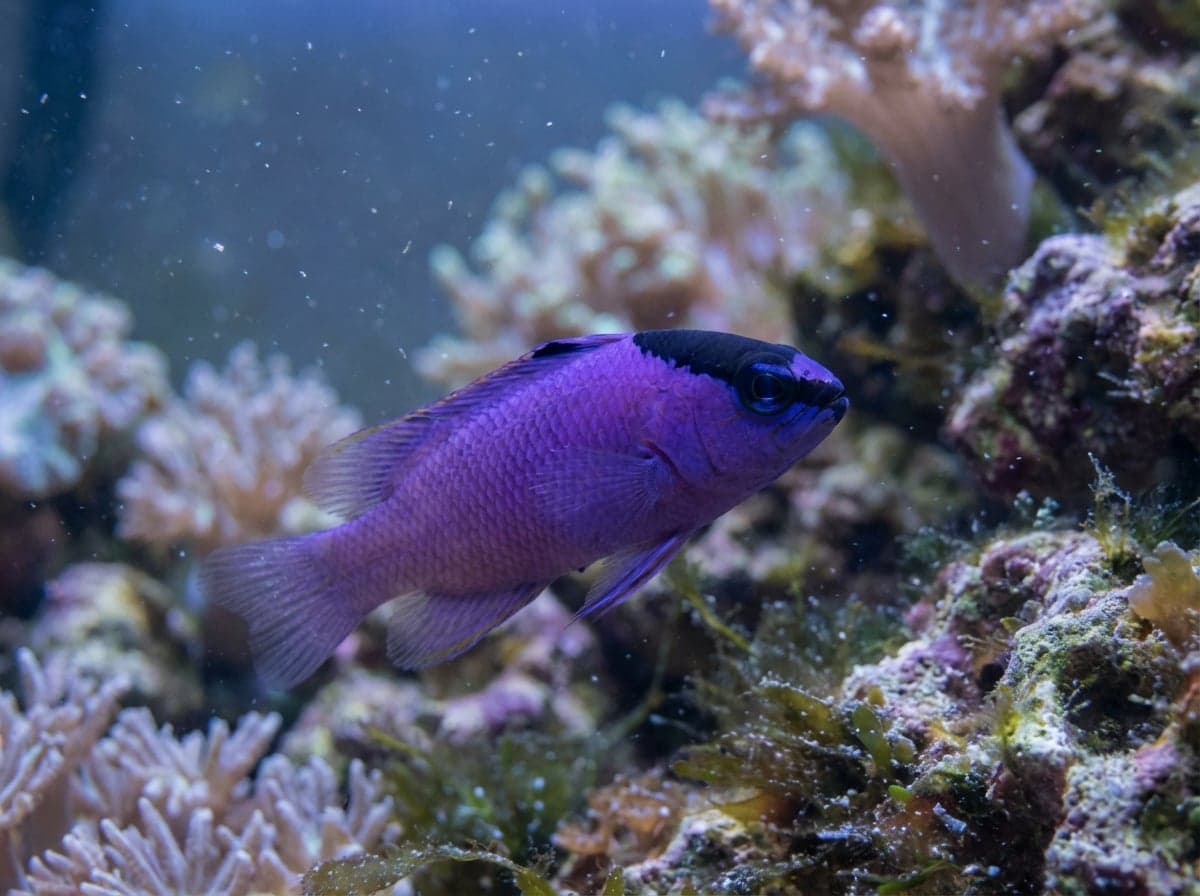
Electric Indigo Dottyback
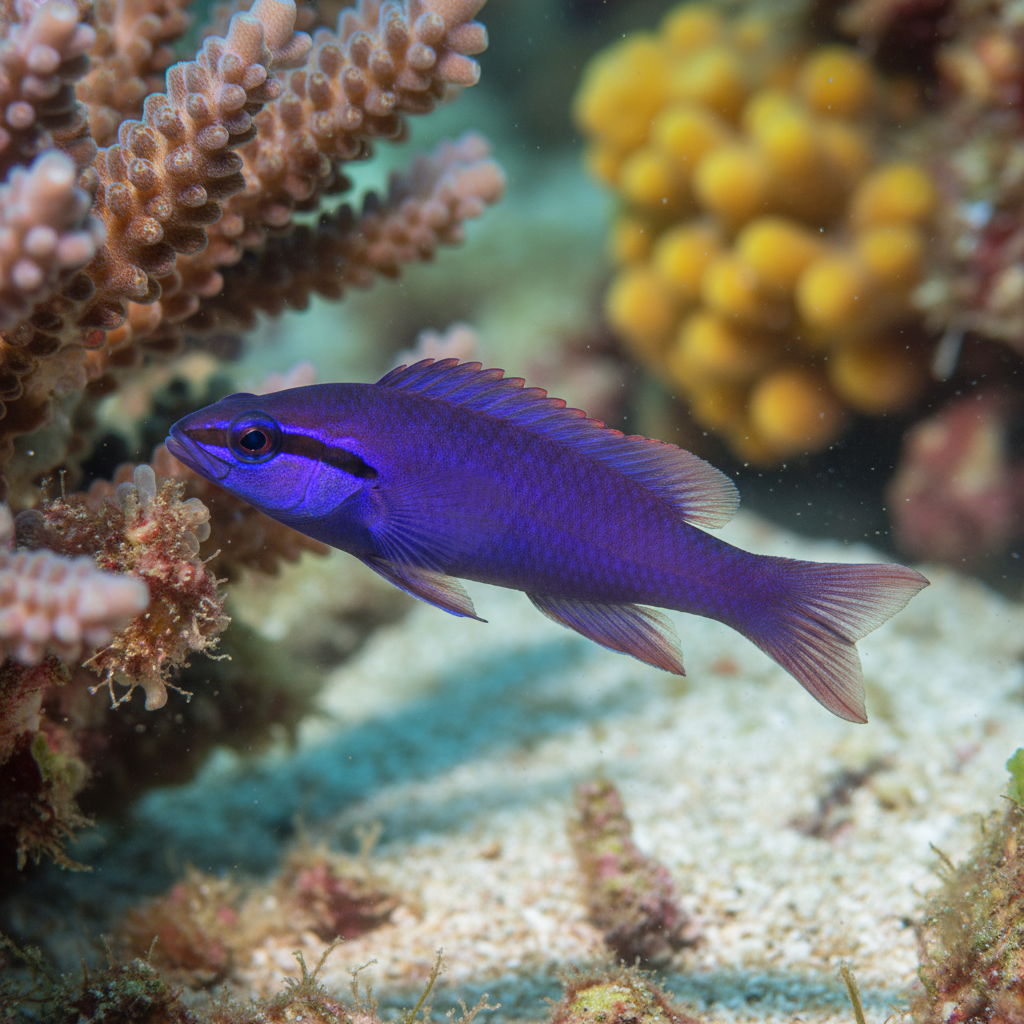
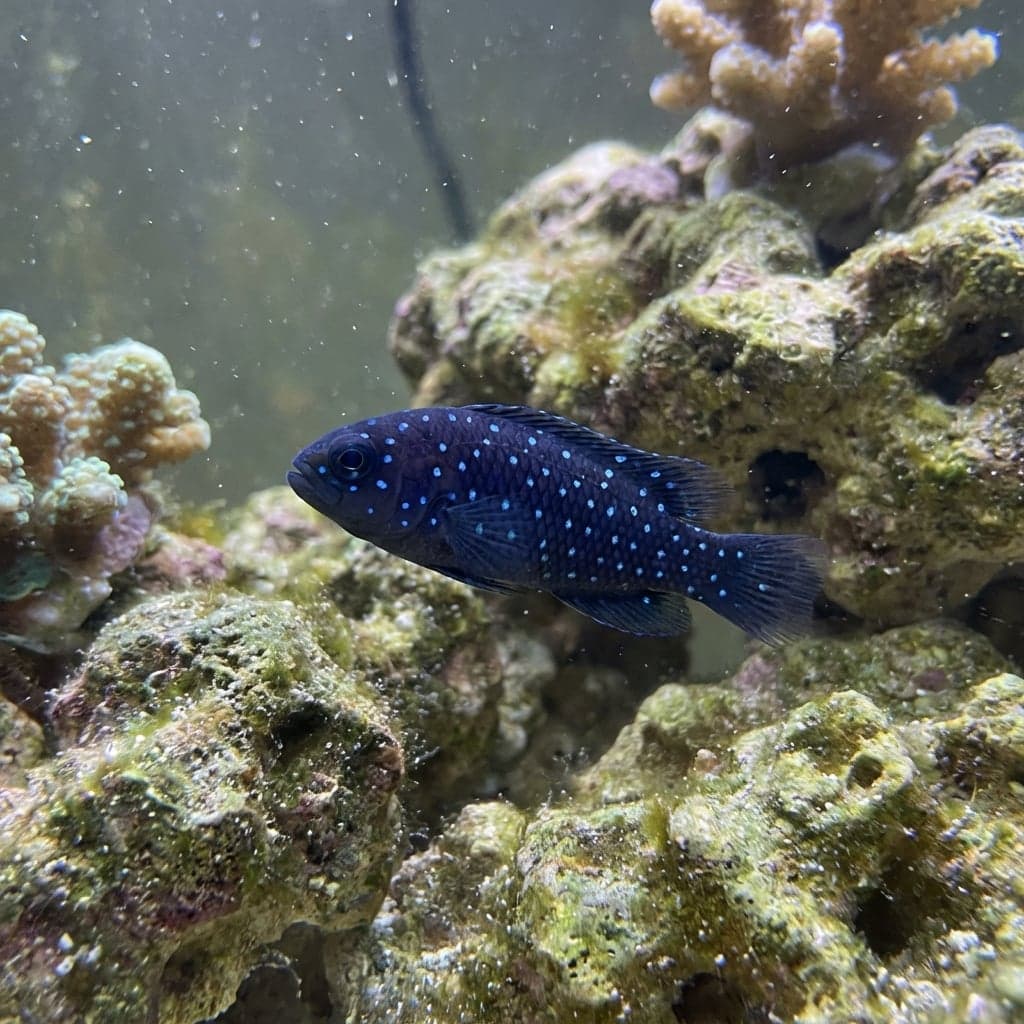
A 7cm captive-bred hybrid dottyback, deep indigo. Hardier and less aggressive than wild dottybacks, and reef safe.

Electric Indigo Dottyback
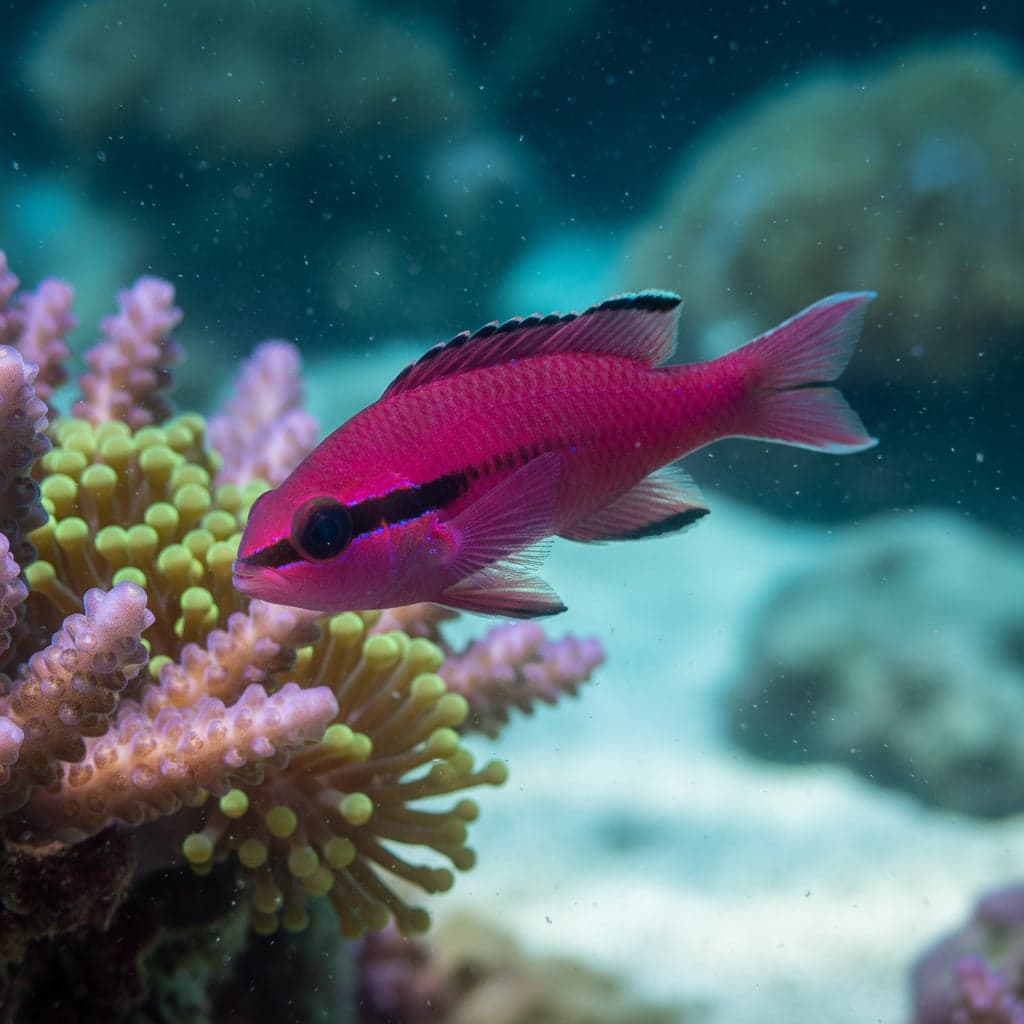
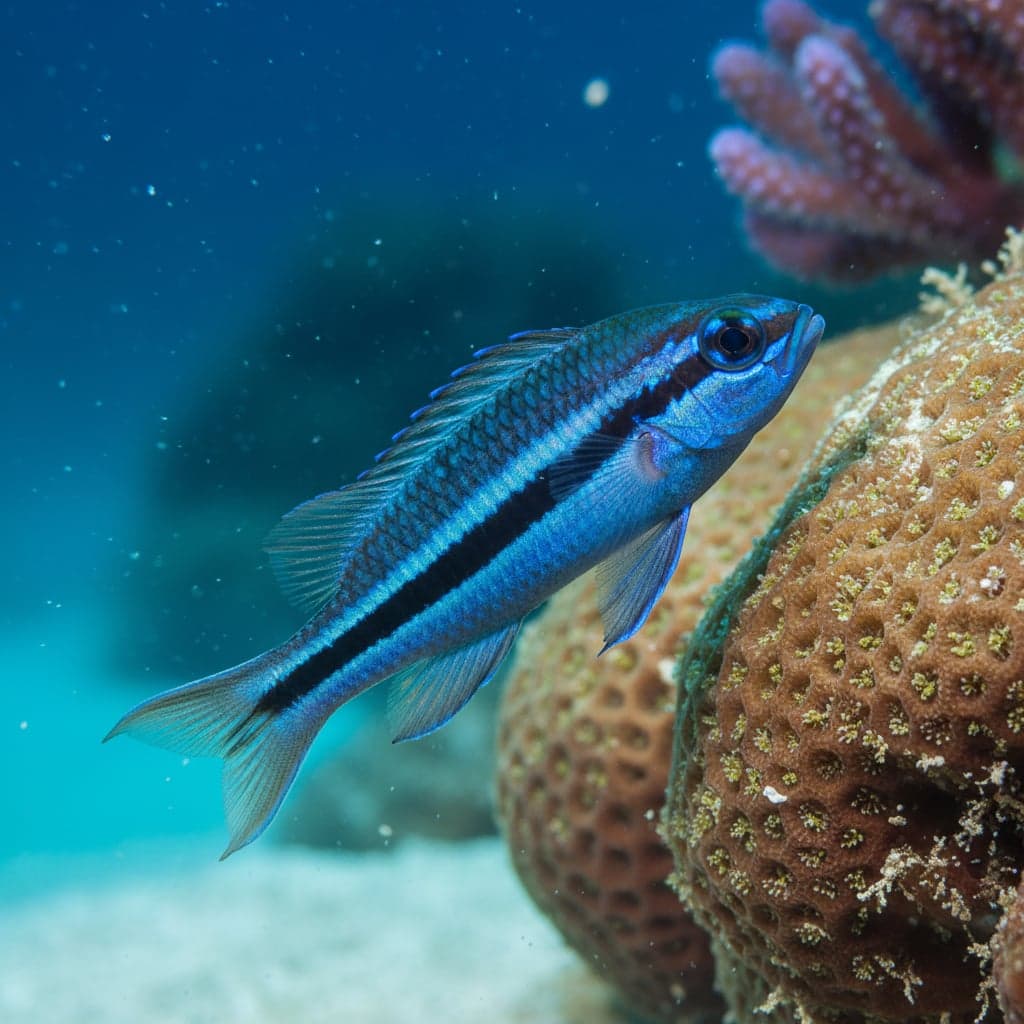
The Electric Indigo Dottyback, scientifically known as Pseudochromis fridmani x sankeyi, is a stunning marine fish that captivates aquarists with its striking iridescent coloration. Its vibrant hues range from deep royal blue to electrifying indigo, often illuminated by delicate golden accents along the body. This small, resilient fish typically reaches lengths of about 3 to 4 inches, making it a favorite among reef keepers and community tank enthusiasts alike. In addition to its visual allure, the Electric Indigo Dottyback plays a significant role in the marine ecosystem by inhabiting coral reefs and contributing to the ecological balance through its behavior and feeding habits.
In the aquarium hobby, the Electric Indigo Dottyback is not just celebrated for its beauty, but also for its hardiness and adaptability. This fish has become a staple in many marine setups, appealing to aquarists looking to add personality and color to their tanks. It is known for its active nature and will often explore its environment, darting in and out of rock crevices. The combination of aesthetic appeal and engaging behavior makes the Electric Indigo Dottyback a prized addition to many saltwater aquariums.
Natural Habitat & Origin
The Electric Indigo Dottyback is native to the tropical waters of the Indo-Pacific region, with a particular concentration around the Great Barrier Reef, the Solomon Islands, and various coral-rich areas of Southeast Asia. It primarily inhabits shallow lagoons and coral reefs where the water is warm, clear, and rich in biodiversity. This species prefers rocky and intricate environments that provide plenty of hiding spots, essential for its survival against larger predators in the wild. The tank's replication of these natural settings is crucial for the health and well-being of the fish.
In terms of water type, Electric Indigo Dottybacks thrive in clearwater environments, characterized by stable conditions and varied substrate compositions. They are often found among rock formations and within small crevices of coral, where they feel safe and can establish territories. The environmental context of their habitat in the wild heavily influences their behavior, coloring, and general care requirements in captivity.
Care Requirements
To provide optimal care for Electric Indigo Dottybacks in captivity, specific water parameters must be maintained. Ideal conditions include a temperature range of 76°F to 82°F (24°C to 28°C), with a pH level between 8.1 and 8.4. Additionally, a specific gravity of 1.020 to 1.025 is recommended, as these parameters closely mimic their natural habitat. The hardness should ideally be kept around 8-12 dGH for optimal health.
Regarding tank setup, a minimum aquarium size of 75 litres (20 gallons) is recommended for this 7cm captive-bred hybrid — hardier and less aggressive than wild Pseudochromis, it still needs rockwork and modest territory. The substrate can consist of fine sand or small pebbles, complemented by ample live rock to provide hiding spots and territories. Lighting should be moderate to strong, promoting the growth of corals and algae that are beneficial for the fish. Incorporating live plants or corals will not only enhance the aesthetics but also create a more natural and stimulating environment for the Electric Indigo Dottyback.
Diet & Feeding
The Electric Indigo Dottyback is classified as an omnivore, possessing a varied diet that includes both meaty and plant-based foods. In captivity, it thrives on a balanced diet consisting of high-quality marine flakes, pellets, and frozen foods. Regular offerings should include live or frozen brine shrimp, mysis shrimp, and occasionally chopped seafood to provide essential nutrients. Supplementation with spirulina or vegetable-based flakes can enhance their diet and support overall health. Feeding should occur two to three times a day, ensuring that each portion is eaten within a few minutes to maintain water quality.
It is important to vary the diet to encourage proper color development and prevent nutritional deficiencies. Electric Indigo Dottybacks are also known to forage for small organisms in the tank, so providing an environment where they can peck and search mimics their natural behavior and promotes mental stimulation.
Behavior & Temperament
Electric Indigo Dottybacks are known for their bold and active nature, often displaying territorial behaviors, especially as they mature. They prefer to establish their domain around rock formations, where they will defend their space from perceived intruders. While they can exhibit aggression towards their own kind or similar-looking species, they are generally peaceful towards other fish, provided they are not seen as a threat.
In terms of social behavior, Electric Indigo Dottybacks do not exhibit schooling habits and are best kept singly or in small groups of one male to several females to minimize aggression. They often patrol the mid to lower areas of the tank, making use of vertical spaces but typically shy away from the upper water column, opting for rocky hideaways instead.
Tank Mates
When selecting tank mates for the Electric Indigo Dottyback, it is essential to consider species that are non-aggressive and similar in size. Compatible tank mates include small wrasses, gobies, blennies, and less aggressive damselfish. They can also coexist with anemones and peaceful coral species, which can enhance the visual appeal of the tank while providing essential habitats.
However, certain species should be avoided, particularly other dottybacks, aggressive wrasses, larger parrotfish, or any fin-nipping fish, as these can provoke stress or aggression. Careful consideration of compatibility is key to ensuring a harmonious aquarium environment for the Electric Indigo Dottyback and its companions.
Breeding
Breeding Electric Indigo Dottybacks in captivity can be a rewarding endeavor, although it requires essential conditions to encourage spawning behavior. In a breeding setup, a pair of fish should be introduced into a suitably sized aquarium with plenty of hiding spots and structures that mimic their natural habitat. Spawning typically occurs when water parameters are optimized and stable, with slight fluctuations in temperature or feeding regimes encouraging reproductive behaviors.
The breeding process usually involves the female laying eggs in sheltered areas, with the male fertilizing them shortly after. The spawning sites are often located in rock crevices or under corals. After fertilization, the male guards the eggs, which hatch within 4 to 7 days. Raising the fry in a separate rearing tank with appropriate microorganisms and small foods is crucial for their survival.
Common Health Issues
Electric Indigo Dottybacks can be prone to several common health issues, notably marine ich (Cryptocaryon irritans), flukes, and various forms of bacterial infections. Stress, often caused by poor water quality or aggressive tankmates, can exacerbate these conditions.
Preventative measures are essential to maintaining the health of Electric Indigo Dottybacks. This includes regular water tests to monitor parameters, maintaining proper tank hygiene, and quarantining new arrivals before introducing them to the main aquarium. Additionally, a balanced diet rich in vitamins and minerals supports their immune system, helping to prevent diseases commonly encountered in marine aquaria. Regular observation of behavior and appearance is crucial, allowing for prompt action should any health issues arise.